Shopping for a used electric SUV below £16,000 is less about finding the biggest car for the money than proving that the individual vehicle is healthy. The odometer and advertised equipment are easy to compare, but battery condition, warranty cover and charging ability can make a much bigger difference to whether a car is genuinely good value.
For UK buyers, the first priority should be an independent battery-health report. After that, check that the car can charge properly, inspect its paperwork and arrange professional help if anything related to the high-voltage system looks questionable.
1. Put battery health ahead of mileage
Ask for an independent battery state-of-health, or SoH, report before placing a deposit. It provides more useful evidence of the battery’s condition than mileage alone, so a lower-mileage car should not automatically win if its battery condition is unknown. Both Octopus EV’s used-car checklist and the RAC’s used electric car guide identify battery-health checks as a key part of buying a second-hand EV.
Also check the remaining battery warranty. Confirm:
- when the cover expires;
- whether it has a mileage limit; and
- whether it transfers to the next owner.
Warranty terms vary between models, so verify the details against the specific car’s handbook and manufacturer records rather than relying on a seller’s general description.
If there is no recent battery-health report, arrange an assessment before committing to the purchase. It is one of the most important pieces of evidence when comparing two similarly priced electric SUVs.
2. Confirm that the car can charge
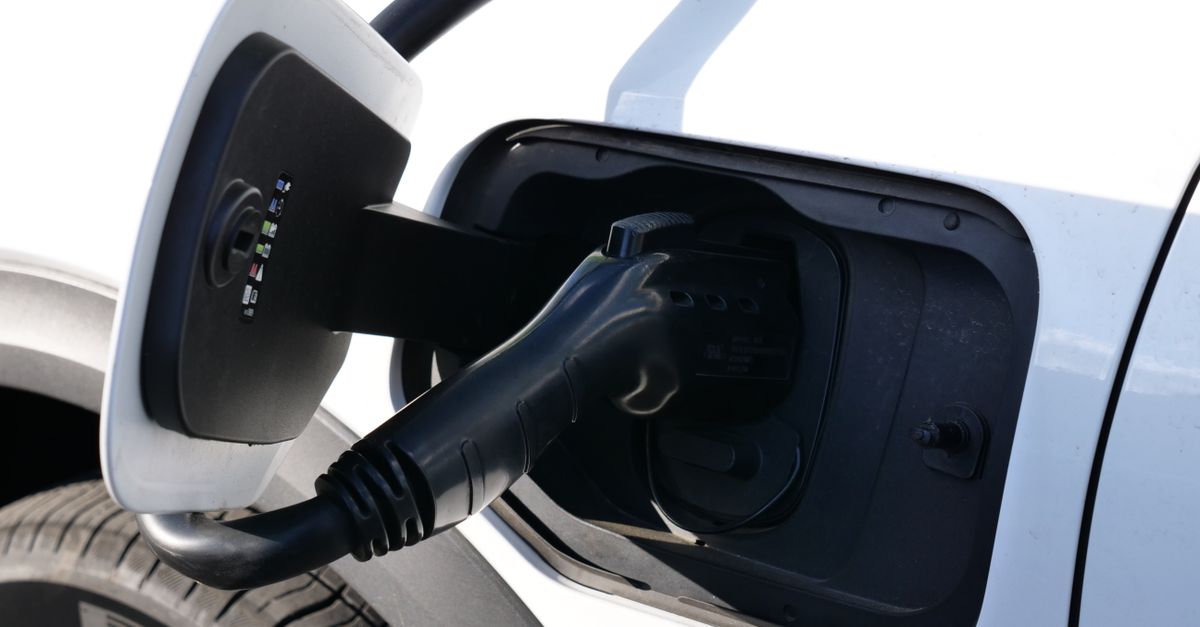
A used EV should come with the charging cables expected for that vehicle. Check that they are present, inspect their condition and confirm that the car’s charge port works. The most useful check is a demonstration that the vehicle actually begins charging, rather than simply assuming that an illuminated dashboard or a cable in the boot proves everything is working.
The advice from Octopus EV and C4R both recommends checking the cables, charge port and charging operation before buying.
Charging capability should also form part of the price comparison. Consider how the vehicle’s charging equipment and usable range fit your normal journeys, rather than choosing solely on body size, trim level or the number of features listed in the advert.
3. Do not mistake an MOT for a battery-health test
An MOT remains an important check, but it does not replace a full battery-health assessment. GOV.UK’s MOT inspection manual requires the propulsion battery to be inspected. Separate GOV.UK guidance for MOT testers highlights the dangers of high-voltage systems and says the test should be refused if the battery is leaking.
Those checks are about roadworthiness and safety. They should not be interpreted as a report on the battery’s remaining capacity or overall state of health. Review the car’s MOT history, but still request independent battery evidence.
4. Use the test drive to look for warning signs
The test drive should cover more than acceleration. Check for warning lights before setting off and pay attention to:
- whether the cabin heating and cooling work;
- how smoothly regenerative braking operates;
- uneven or excessive tyre wear;
- suspension noises over imperfect roads; and
- whether the displayed range appears credible for the car’s age and battery size.
The RAC’s used-car inspection checklist provides a useful reminder of the wider checks to make during a viewing. Bodywork, tyres and general condition still matter on an electric vehicle, just as they do on a petrol or diesel car.
Treat any high-voltage-system warning or suspected battery damage seriously. Do not attempt to remove covers or repair the system yourself. The car should be assessed by a qualified EV technician before it is considered for purchase, in line with the safety guidance for hybrid and electric vehicles.
5. Complete the normal used-car checks
Electric power does not remove the need for the usual paperwork checks. Inspect the V5C logbook, MOT history and service records, and check the bodywork, tyres, outstanding recalls and outstanding finance. These checks are included in guidance from Octopus EV and What EV.
The service history should be compared with the vehicle’s handbook and the manufacturer’s records where possible. It should also be clear what battery warranty remains and whether any relevant work has been documented.
Seller type matters as well. A dealer or larger used-car organisation generally provides stronger legal protection than a private seller if a fault emerges, according to What EV’s UK buying guide. That is not a reason to skip an inspection, but it is a factor worth considering when two cars appear similarly priced.
6. Compare the whole package, not just the SUV badge
At this budget, compare the asking price with the vehicle’s usable range, age, mileage, remaining warranty and charging capability. The RAC’s electric-car buyer guide makes the same broader point: choosing on size or equipment alone can overlook the factors that matter most in day-to-day use.
The RAC’s used-EV material includes examples around the £15,000 mark, but those examples are not necessarily SUVs. That means there is no evidence-based shortlist that can identify one universally best electric SUV at exactly £16,000. Prices and condition vary between individual cars, so the battery report and inspection should decide whether a particular vehicle is worth pursuing.
A simple pre-purchase checklist
Before paying a deposit, make sure you have:
- an independent battery-health report or a plan to obtain one;
- the battery warranty terms, including its mileage limit and transfer conditions;
- all expected charging cables and a successful charging demonstration;
- a review of the V5C, MOT and service history;
- checks for finance, recalls, tyre wear and bodywork damage; and
- a qualified EV inspection if there is a high-voltage warning or suspected battery damage.
The best first question when viewing a used electric SUV under £16,000 is therefore not how many miles it has covered or how much equipment it offers. Ask for evidence of battery health, confirm that it charges correctly and only then judge whether the price reflects the car’s age, range, warranty and condition.
Source 1 · Source 2 · Source 3 · Source 4 · Source 5 · Source 6 · Source 7 · Source 8