
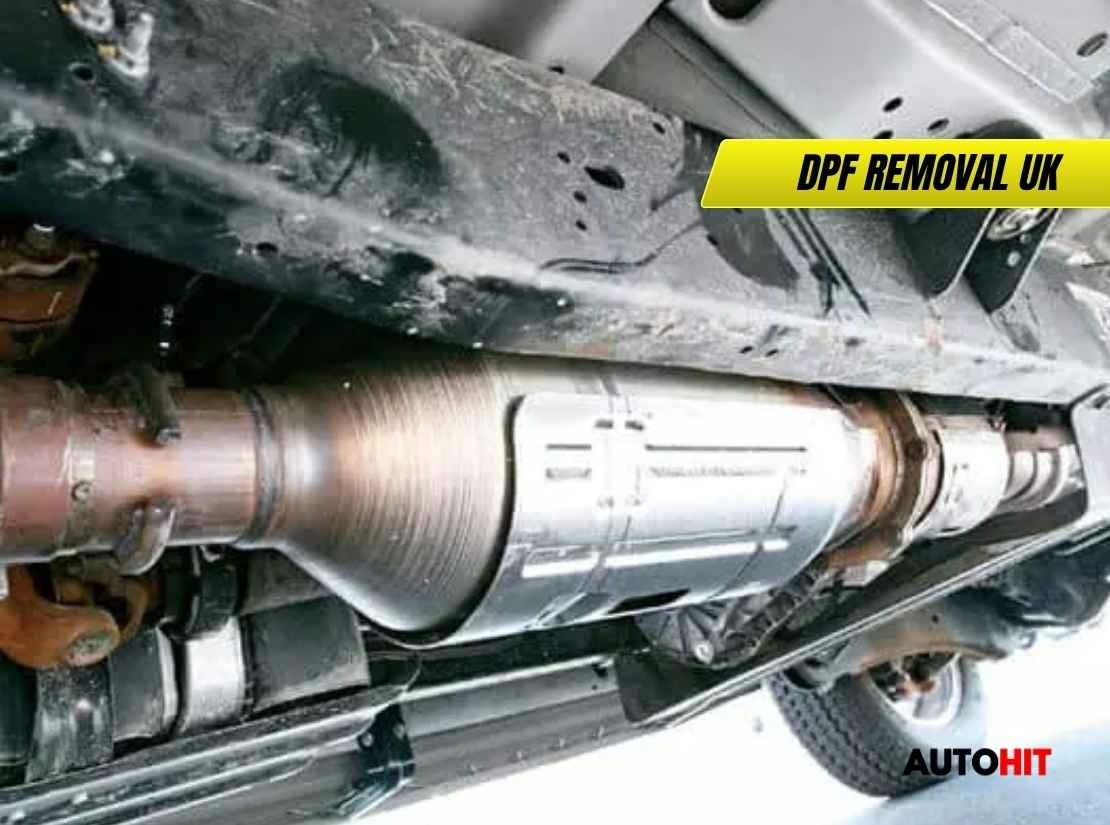
DPF removal is illegal in UK with severe penalties including MOT failure, £1000+ fines, and possible prosecution. Our guide covers legal alternatives and maintenance tips.
There’s a persistent myth circulating among UK diesel car owners that removing the Diesel Particulate Filter (DPF) will solve maintenance headaches and improve performance. According to our analysis at AutoHit, this couldn’t be further from the truth – and the consequences of DPF removal have become increasingly severe as authorities crack down on this illegal practice. Having investigated the legal framework, spoken with MOT testers, and examined the environmental impact, we’re here to explain why DPF removal is never worth the risk.
The temptation to remove or disable the DPF typically stems from expensive repair bills, reduced performance during regeneration cycles, or persistent warning lights. However, what many drivers don’t realise is that DPF removal constitutes a serious legal offence in the UK, with penalties that far exceed any potential savings. More concerning is the growing number of unscrupulous garages offering this service without explaining the full legal implications to their customers.
We’ve spent considerable time researching UK legislation, interviewing legal experts, and examining real-world cases to provide a comprehensive guide to why DPF removal represents one of the worst automotive decisions you can make in 2025. The results should concern anyone considering this modification.
Key Legal Points
• Illegal modification: DPF removal violates Road Traffic Act and Environmental Protection legislation • Automatic MOT failure: Cars without functioning DPF cannot pass annual MOT tests • Criminal penalties: Fines up to £1,000 for drivers, unlimited fines for commercial operations • Insurance implications: Modified vehicles may void insurance coverage entirely • DVSA enforcement: Increasing roadside checks specifically target DPF tampering • Environmental crimes: Serious cases can result in prosecution under environmental legislation
UK Legal Framework: What the Law Actually Says
The legal position on DPF removal in the UK is unambiguous and has strengthened considerably in recent years. Understanding the legislation helps explain why the penalties are so severe.
Road Traffic Act Violations
Under the Road Traffic Act 1988, it’s illegal to use a vehicle on public roads that doesn’t comply with construction and use regulations. The DPF is a mandatory emissions control device, meaning its removal renders the vehicle illegal for road use.
Section 75 of the Road Traffic Act specifically prohibits using vehicles that have been altered in ways that increase emissions beyond legal limits. DPF removal clearly violates this provision, with penalties including:
- Fixed penalty notices up to £300
- Court fines up to £1,000 for private vehicles
- Unlimited fines for commercial operators
- Potential driving disqualifications in serious cases
Environmental Protection Regulations
The Environmental Protection Act 1990 and subsequent regulations classify DPF removal as an environmental crime. The legislation recognises that defeating emissions control equipment contributes to air pollution that harms public health.
Penalties under environmental legislation can be severe:
- Fines up to £50,000 in magistrates’ courts
- Unlimited fines in crown courts
- Possible imprisonment for serious offences
- Criminal records for environmental crimes
MOT Testing Requirements
Since February 2014, MOT tests include specific checks for DPF presence and functionality. The changes mean:
- Visual inspection for DPF presence
- Emissions testing that detects DPF removal
- Automatic failure for missing or tampered DPF systems
- No exemptions for older vehicles if originally fitted
Real-World Enforcement: Why You Will Get Caught
Many drivers assume DPF removal won’t be detected, but enforcement methods have become increasingly sophisticated and comprehensive.
MOT Testing Detection
Modern MOT emissions tests easily detect DPF removal through several methods:
Opacity Testing: Diesel vehicles undergo smoke opacity tests that reveal excessive particulate emissions from DPF-deleted vehicles. The limits are set specifically to catch tampered systems.
Visual Inspection: MOT testers are trained to identify missing or modified DPF systems. The distinctive shape and position make detection straightforward for experienced professionals.
Emissions Analysis: Advanced testing equipment can identify the specific emission signatures that indicate DPF removal, even in vehicles that appear visually unmodified.
DVSA Roadside Enforcement
The Driver and Vehicle Standards Agency (DVSA) has increased roadside enforcement targeting emissions violations:
- Mobile emissions testing units at strategic locations
- Targeted operations in urban areas with air quality concerns
- Coordination with police traffic units for comprehensive vehicle checks
- Specialist equipment that can detect DPF tampering within minutes
Insurance Investigation Risks
Insurance companies increasingly investigate claims involving modified vehicles:
- Routine inspections may reveal DPF removal
- Claims adjusters specifically check for emissions modifications
- Denied claims can leave owners facing substantial repair costs
- Criminal convictions may affect future insurance availability
Why Garages Offer This Illegal Service
Despite the clear legal prohibition, some garages continue offering DPF removal services. Understanding their motivations helps explain why drivers should avoid these operations entirely.
Financial Incentives
DPF removal generates significant revenue for unscrupulous operators:
- Charging £500-1,500 for relatively simple modifications
- Repeat business from customers avoiding proper maintenance
- Higher profit margins compared to legitimate repairs
Customer Pressure
Some garages respond to customer demands without explaining legal implications:
- Drivers frustrated with expensive DPF repairs
- Pressure to provide “quick fixes” for warning lights
- Competition from illegal operators offering cheaper alternatives
Regulatory Gaps
Enforcement against garages offering illegal modifications has historically been inconsistent:
- Limited resources for investigating individual operations
- Difficulty proving intent in borderline cases
- Varying standards between different trading standards authorities
However, this situation is changing rapidly, with increasing prosecutions and licence revocations for garages offering DPF removal services.
The True Cost of DPF Removal
The financial implications of DPF removal extend far beyond the initial modification cost, creating liabilities that can persist for years.
Immediate Costs
- MOT Failure: Annual test failure requiring expensive reinstallation
- Fines: Fixed penalties or court fines ranging from £300-1,000+
- Insurance: Void policies leaving owners liable for all costs
- Depreciation: Reduced vehicle value due to illegal modifications
Long-Term Implications
- Criminal Record: Environmental convictions affecting employment prospects
- Vehicle Seizure: Authorities can impound illegally modified vehicles
- Enforcement Costs: Legal fees and court costs in serious cases
- Reinstatement: Expensive process to restore legal compliance
Hidden Consequences
- Warranty Voiding: Manufacturer warranties become invalid
- Parts Supply: Difficulty sourcing components for modified vehicles
- Expert Witnesses: Required for legal defence in prosecution cases
- Professional Impact: Particular concerns for drivers in regulated industries
Environmental and Health Impact
Beyond legal considerations, DPF removal causes genuine environmental harm that affects everyone, particularly in urban areas where air quality already struggles to meet legal standards.
Particulate Matter Emissions
DPF systems typically reduce particulate emissions by 85-95%. Removal results in:
- Massive increases in PM2.5 and PM10 emissions
- Direct contribution to urban air pollution problems
- Health impacts particularly affecting children and elderly people
- Violation of national air quality commitments
Broader Environmental Consequences
- Climate Impact: Increased black carbon emissions affecting global warming
- Ecosystem Damage: Particulate pollution affecting vegetation and wildlife
- Urban Air Quality: Contributing to dangerous pollution levels in cities
- Public Health: Respiratory problems linked directly to diesel particulate emissions
The environmental damage from a single DPF-removed vehicle can be substantial, with one tampered car producing as much particulate pollution as 10-20 compliant vehicles.
Legal Alternatives to DPF Problems
Rather than risking illegal modification, several legitimate solutions address common DPF issues while maintaining legal compliance.
Proper Maintenance Strategies
Regular Regeneration: Ensuring adequate motorway driving to allow natural DPF regeneration cycles. Most systems require 15-20 minutes of sustained higher-speed driving monthly.
Quality Fuel and Oil: Using premium diesel fuels and low-ash engine oils specifically designed for DPF-equipped vehicles. The additional cost is minimal compared to repair expenses.
Driving Pattern Adjustment: Modifying usage patterns to include regular longer journeys that allow complete regeneration cycles.
Professional DPF Services
Specialist Cleaning: Professional DPF cleaning services can restore functionality for £200-400, significantly cheaper than replacement and completely legal.
Forced Regeneration: Diagnostic equipment can force regeneration cycles when natural processes fail, often resolving warning lights and performance issues.
Component Replacement: When cleaning fails, replacement DPF units are available, often with improved designs that address original problems.
Vehicle Selection Considerations
For drivers whose usage patterns don’t suit DPF-equipped vehicles:
- Petrol Alternatives: Modern petrol engines offer similar economy without DPF complications
- Hybrid Options: Reduced diesel running and better urban emissions performance
- Electric Vehicles: Elimination of emissions equipment maintenance entirely
What Happens When You’re Caught
Understanding the enforcement process helps explain why DPF removal represents such a serious risk that’s simply not worth taking.
Initial Detection
Most cases begin with routine MOT testing, though roadside enforcement is increasing:
- MOT Failure: Automatic failure with requirement for legal compliance before retest
- DVSA Investigation: Formal investigation into illegal modification
- Police Referral: Serious cases referred for criminal investigation
- Insurance Notification: Insurers informed of illegal modifications
Legal Process
Once detected, the legal process follows predictable patterns:
- Fixed Penalty: Initial opportunity to pay fixed penalty (typically £300)
- Court Summons: Refusal to pay fixed penalty results in court proceedings
- Criminal Conviction: Guilty verdict creates permanent criminal record
- Sentencing: Fines, possible imprisonment, and enforcement costs
Vehicle Consequences
Beyond personal penalties, the vehicle itself faces restrictions:
- Continued Use Prohibition: Cannot legally drive until compliance restored
- Seizure Powers: Police can impound non-compliant vehicles
- Disposal Orders: Courts can order vehicle destruction in serious cases
- Registration Cancellation: DVLA can cancel registration for persistently non-compliant vehicles
Insurance and Finance Implications
DPF removal creates significant complications beyond immediate legal penalties, particularly affecting insurance coverage and vehicle finance arrangements.
Insurance Coverage Issues
Most insurance policies specifically exclude coverage for illegally modified vehicles:
- Claims Denial: Insurers can refuse all claims on modified vehicles
- Policy Cancellation: Discovery of illegal modifications can void policies entirely
- Future Coverage: Criminal convictions affect availability and cost of future insurance
- Third Party Liability: Personal liability for accidents in uninsured vehicles
Finance and Lease Consequences
Vehicle finance and lease agreements typically prohibit illegal modifications:
- Contract Breach: DPF removal violates most finance agreement terms
- Immediate Repayment: Finance companies can demand immediate full settlement
- Residual Value: Reduced vehicle value affects lease return calculations
- Legal Action: Finance companies may pursue legal action for contract breach
Professional and Career Impact
Criminal convictions for environmental crimes can have lasting professional consequences, particularly affecting certain career paths and employment opportunities.
Employment Implications
- Disclosure Requirements: Many employers require disclosure of criminal convictions
- Professional Licences: Some professions prohibit members with environmental convictions
- Security Clearance: Government and contractor positions may be affected
- Driving Jobs: Professional driving roles often exclude those with motoring convictions
Future Enforcement Trends
Enforcement of DPF removal legislation is strengthening considerably, with several concerning trends for potential offenders.
Technology Developments
- Advanced Detection: Roadside equipment can identify DPF removal within seconds
- Database Integration: Automatic flagging of modified vehicles across enforcement systems
- Satellite Monitoring: Urban air quality monitoring can identify pollution hotspots
- Predictive Analytics: Targeting enforcement based on vehicle registration patterns
Legal Strengthening
- Increased Penalties: Regular reviews typically increase rather than reduce penalties
- Corporate Liability: Enhanced penalties for garages offering illegal services
- Environmental Focus: Growing emphasis on environmental crimes in policy and enforcement
- International Coordination: EU-wide cooperation on emissions enforcement
Alternatives for High-Mileage Diesel Users
For drivers whose vehicle usage patterns create genuine DPF problems, several strategies can help maintain legal compliance while addressing practical concerns.
Usage Pattern Optimization
Route Planning: Incorporating regular motorway sections into typical journeys allows natural DPF regeneration without significant time penalties.
Journey Combining: Planning multiple short trips as single longer journeys reduces DPF stress while improving overall efficiency.
Regeneration Scheduling: Deliberately planning monthly longer drives specifically for DPF maintenance, treating it as routine maintenance like oil changes.
Vehicle Selection Strategies
For those considering vehicle changes, several options address DPF concerns:
Euro 6d Diesels: Latest emissions standards include improved DPF systems with better regeneration characteristics and longer service intervals.
Petrol Alternatives: Modern turbocharged petrol engines offer comparable fuel economy without DPF complications, particularly suitable for mixed driving patterns.
Mild Hybrid Systems: Combining electric assistance with conventional engines reduces emissions equipment stress while improving urban efficiency.
Full Electric: Completely eliminates emissions equipment maintenance while providing superior urban performance and increasingly viable range for longer journeys.
Conclusion: Why the Risk Is Never Worth It
DPF removal represents one of the most serious automotive legal risks available to UK drivers, with consequences that extend far beyond simple fines. The illegal modification creates liabilities affecting insurance, vehicle finance, employment prospects, and personal liberty while contributing to serious environmental damage that affects everyone.
The fundamental problem with DPF removal is that it creates a cascade of legal and practical problems that persist long after the initial modification. Unlike other traffic offences that can be resolved with a fine and forgotten, DPF removal creates ongoing compliance issues that affect every aspect of vehicle ownership.
Modern enforcement methods make detection virtually inevitable, whether through routine MOT testing, roadside checks, or insurance investigations. The sophisticated equipment now available to enforcement authorities can identify DPF removal within minutes, making it impossible to avoid detection indefinitely.
Perhaps most importantly, the legal alternatives to DPF problems are genuinely effective and significantly cheaper than dealing with the consequences of illegal modification. Professional DPF cleaning, proper maintenance, and driving pattern adjustments can resolve most DPF issues while maintaining legal compliance and avoiding the enormous risks associated with illegal modification.
For UK drivers facing DPF problems, the message is clear: legal solutions exist, they work, and they’re infinitely preferable to the catastrophic consequences of illegal removal. The short-term frustration of DPF maintenance is nothing compared to the long-term implications of criminal conviction, insurance problems, and ongoing legal compliance issues.
Frequently Asked Questions
What exactly happens during an MOT if my DPF has been removed?
MOT tests since 2014 include specific checks for DPF systems, making failure inevitable if the filter has been removed. The tester will conduct both visual inspection and emissions testing – the visual check confirms the DPF is physically present and unmodified, while the emissions test measures particulate levels that will exceed legal limits without a functioning DPF. Failure is automatic and cannot be appealed. You cannot legally drive the vehicle until the DPF is properly reinstated and the car passes a retest. Some MOT stations may also report suspected illegal modifications to authorities, potentially triggering further investigation beyond the test failure.
Can I get away with DPF removal if I don’t tell my insurance company?
No, and attempting this creates even more serious legal problems. Insurance policies require disclosure of all modifications, and DPF removal constitutes a material modification that affects both vehicle legality and risk profile. Non-disclosure means the policy is void from inception – you’re essentially driving without insurance, which carries penalties including £300 fixed penalty, 6 penalty points, possible disqualification, and seizure of your vehicle. If you’re involved in an accident, you face unlimited personal liability for all damages and injuries. Insurance fraud charges may also apply for deliberate non-disclosure, creating additional criminal liability beyond the original DPF removal offence.
How do roadside police checks detect DPF removal, and how common are they?
DVSA and police increasingly use portable emissions testing equipment that can detect DPF removal within minutes. The equipment measures particulate emissions and opacity levels that immediately reveal missing or disabled DPF systems. Checks are becoming more common, particularly in urban areas with air quality problems and on major routes during targeted operations. Officers may also conduct visual inspections if they suspect modifications. The testing is non-invasive and quick, often conducted alongside routine traffic stops. Even if you pass initial visual inspection, the emissions signature from a DPF-deleted vehicle is unmistakable to trained operators using proper equipment.
What’s the actual process for legally reinstating a DPF after removal?
Legal reinstatement requires complete restoration to original manufacturer specification, which typically costs £2,000-4,000 depending on vehicle type and damage caused during removal. The process involves fitting a new or properly refurbished DPF, restoring all associated sensors and pipework, reprogramming the ECU to factory settings, and ensuring all emissions systems function correctly. Simply fitting a replacement filter isn’t sufficient – the entire system must be restored and calibrated. After reinstallation, the vehicle needs professional diagnostic testing to confirm proper operation, followed by an MOT retest to verify legal compliance. Some vehicles suffer permanent damage during amateur removal that makes restoration impossible or prohibitively expensive.
Are there any circumstances where DPF removal might be considered legal?
No circumstances exist where DPF removal for road use is legal in the UK. The only legal exception applies to vehicles converted exclusively for track use that never use public roads, but even this requires extensive documentation and irreversible modifications that prevent road registration. Some people mistakenly believe older vehicles or certain usage patterns create exemptions, but UK law is absolute – if a vehicle was originally fitted with a DPF, it must retain a functioning system for legal road use. Even vehicles exported from the UK technically require DPF retention if they return. The legislation contains no exemptions for age, mileage, usage pattern, or any other circumstances.
How do I know if a garage offering DPF removal is legitimate?
No legitimate garage offers DPF removal services for road-going vehicles because the practice is illegal. Any garage offering this service is either ignorant of the law or deliberately operating illegally. Legitimate garages offer DPF cleaning, repair, replacement, and maintenance services that restore proper function while maintaining legal compliance. Be suspicious of any garage that: suggests DPF removal as a solution, claims removal is legal in certain circumstances, offers to provide “MOT-friendly” solutions, or suggests they have special exemptions. Reputable garages will always recommend legal solutions and explain why removal isn’t possible. If you’re unsure about a garage’s advice, seek a second opinion from a franchise dealer or independent specialist who clearly understands the legal requirements.
What should I do if I’ve already had my DPF removed and want to make the vehicle legal again?
Contact a reputable diesel specialist or franchise dealer immediately to discuss restoration options. Be honest about the modification – they need complete information to provide accurate advice and quotes. The restoration process typically involves: comprehensive system inspection to assess damage, sourcing appropriate replacement components, complete reinstallation and calibration, diagnostic testing to ensure proper operation, and MOT testing to confirm legal compliance. Costs vary enormously depending on vehicle type and modification extent, but budget £2,000-4,000 minimum. Some vehicles may be impossible to restore if removal caused permanent damage. Don’t attempt to drive the vehicle until restoration is complete – you’re liable for prosecution every time you use public roads with an illegal modification.
Final Warning: The Stakes Keep Rising
UK enforcement of DPF removal legislation continues intensifying, with authorities treating emissions equipment tampering as serious environmental crime rather than minor technical violation. The financial penalties, criminal records, and ongoing compliance issues create problems that persist for years after the initial modification.
Most concerning is the trend toward increased enforcement sophistication, making detection inevitable regardless of how carefully the modification was performed. What might have seemed like a minor risk when the modification was performed has become virtual certainty of prosecution under current enforcement regimes.
For anyone still considering DPF removal, the message is unambiguous: don’t do it. For those who have already modified their vehicles, restoration to legal compliance represents the only sensible course of action. The risks are simply too great, the enforcement too sophisticated, and the alternatives too effective to justify illegal modification under any circumstances.





