
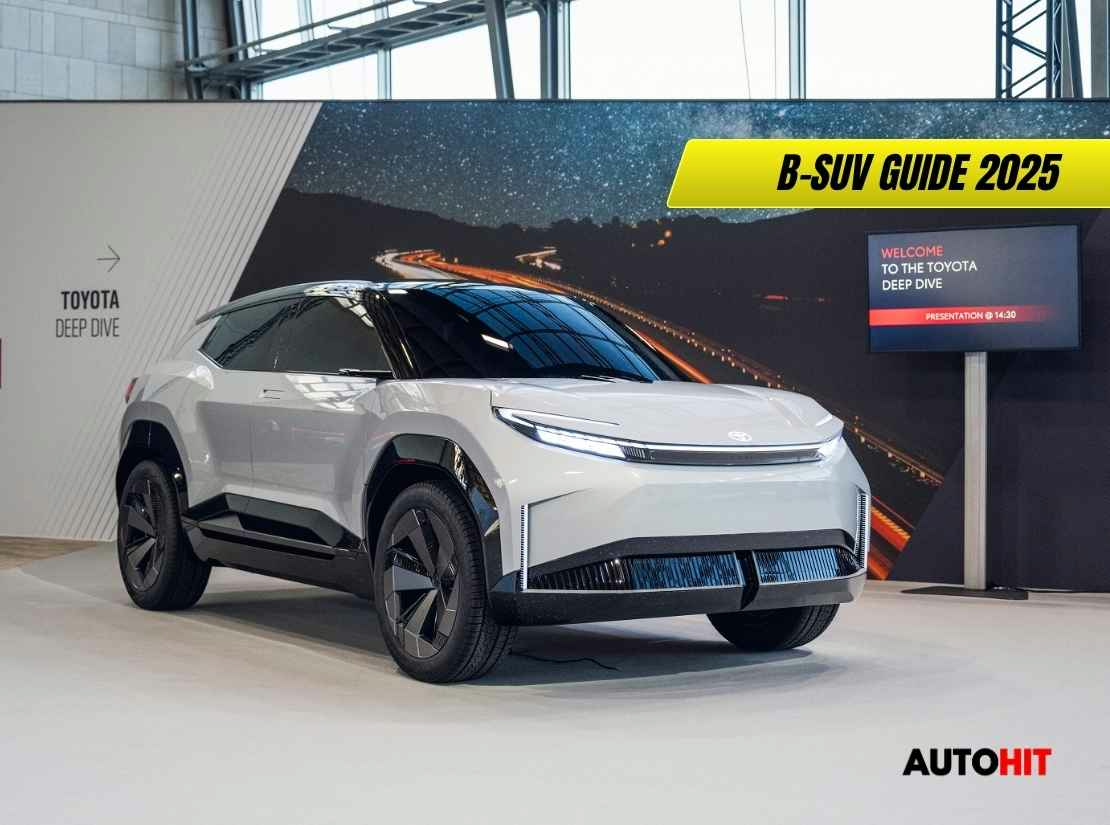
B-SUVs offer SUV style in compact packages from £15k. Our 2025 guide covers the best small SUVs including Peugeot 2008, Renault Captur, and newcomers for UK buyers.
There’s something particularly appealing about the B-SUV segment that has captured the imagination of British car buyers. According to our analysis at AutoHit, these compact SUVs represent the sweet spot between urban practicality and weekend adventure capability, all wrapped in packages that won’t bankrupt your household budget or defeat you in Tesco car parks. Having tested extensively across this rapidly expanding segment, from established favourites to exciting newcomers, we’ve discovered a category that proves you don’t need to choose between style, practicality, and affordability.
The B-SUV phenomenon reflects changing British lifestyles – we want the commanding driving position and rugged styling of larger SUVs, but in packages that work for school runs, city centres, and realistic budgets. These vehicles typically measure between 4.2 and 4.5 metres in length, making them significantly more manageable than their larger cousins while retaining enough space for family duties and enough style to feel special.
What makes this segment particularly interesting in 2025 is the rapid expansion of choice, with manufacturers recognising that compact SUVs often outsell their larger siblings. After months of testing the latest offerings across various UK driving scenarios, we’re ready to deliver the definitive guide to Britain’s best small SUVs and help you navigate this crowded but compelling market.
Understanding the B-SUV Segment
B-SUVs occupy the crucial space between traditional superminis and larger family SUVs, offering elevated driving positions and rugged styling in city-friendly packages.
Defining Characteristics
Size Parameters: B-SUVs typically measure 4.2-4.5 metres in length, 1.7-1.8 metres in width, and 1.6-1.7 metres in height. These dimensions provide SUV presence while remaining manageable in urban environments.
Ground Clearance: Higher ride height compared to conventional hatchbacks improves visibility and provides confidence over speed bumps and rough surfaces, though genuine off-road capability varies considerably between models.
Styling Approach: Bold design languages emphasise adventure and capability, often featuring prominent wheel arch cladding, roof rails, and aggressive front treatments that distinguish them from conventional cars.
Interior Space: Despite compact external dimensions, clever packaging typically provides reasonable space for four adults and adequate cargo capacity for most family requirements.
Market Position and Pricing
B-SUVs generally start around £15,000 for basic specifications, rising to £30,000+ for well-equipped models with premium powertrains. This positioning makes them accessible alternatives to larger SUVs while offering more character than conventional superminis.
The segment has grown rapidly as manufacturers recognise British buyers’ preference for SUV styling combined with manageable running costs and urban usability.
Best B-SUVs for 2025: Our Top Picks
Based on extensive testing across various criteria, here are the standout performers in the B-SUV segment for UK buyers.
Peugeot 2008: Style and Sophistication
The Peugeot 2008 represents one of the most successful design transformations in recent years, evolving from a slightly awkward crossover into a genuinely desirable compact SUV.
Dimensions: 4.30m length provides optimal balance between maneuverability and interior space, while the distinctive styling creates genuine road presence.
Powertrain Options: Available with 130bhp turbocharged petrol engine or fully electric e-2008 variant offering 320km range – providing flexibility for different usage patterns and environmental priorities.
Interior Excellence: Peugeot’s i-Cockpit design creates a premium atmosphere with high-quality materials and innovative ergonomics, though the small steering wheel and high instrument cluster don’t suit all drivers.
Technology Integration: Advanced infotainment with smartphone connectivity and comprehensive driver assistance systems position the 2008 competitively against premium alternatives.
UK Pricing: Starting around £22,000 for petrol versions, rising to £30,000+ for well-equipped electric variants.
Renault Captur: Proven Practicality
The Captur pioneered the B-SUV segment and continues to excel through practical design and comprehensive powertrain options.
Compact Efficiency: At 4.22m length, the Captur maximises interior space within minimal external dimensions, making it ideal for urban use while retaining adequate passenger and cargo capacity.
Powertrain Variety: Extensive engine range includes mild-hybrid, full-hybrid, plug-in hybrid, and LPG options, allowing buyers to optimise for their specific usage patterns and budget constraints.
Practical Design: Straightforward interior layout prioritises usability over visual drama, with numerous storage solutions and easy-to-use controls that enhance daily usability.
Value Positioning: Competitive pricing starts around £20,000, rising to £28,000 for hybrid variants, providing strong value proposition against premium alternatives.
Reliability Record: Established model with proven durability and comprehensive dealer network throughout the UK.
Jeep Renegade: American Character
The Renegade brings distinctive American SUV character to the compact segment, offering genuine capability alongside urban usability.
Distinctive Styling: Unmistakable Jeep design cues create unique road presence, with functional details like removable roof panels and configurable cargo systems.
Capability Focus: Superior ground clearance and available all-wheel drive provide genuine off-road capability that most B-SUV rivals cannot match.
Interior Space: Despite 4.24m length, clever packaging provides generous passenger accommodation and flexible cargo solutions for outdoor activities.
Powertrain Options: Range includes conventional petrol, mild-hybrid, and plug-in hybrid variants, with the latter providing around 50km electric range for urban use.
Character Appeal: Appeals to buyers seeking individuality and genuine capability over maximum efficiency or refinement.
Alfa Romeo Tonale: Premium Aspirations
The Tonale represents Alfa Romeo’s entry into the B-SUV segment, bringing Italian style and performance focus to compact SUV ownership.
Italian Styling: Distinctive design language creates genuine premium appeal, with attention to detail that justifies higher pricing compared to mainstream alternatives.
Performance Options: Powerful plug-in hybrid system delivers 280bhp combined output, providing genuine performance credentials alongside reduced emissions for company car users.
Premium Interior: High-quality materials and sophisticated design create atmosphere that rivals German premium brands, though practicality sometimes suffers for style.
Technology Focus: Advanced infotainment and driver assistance systems position the Tonale as a premium alternative to German compact SUVs.
Value Consideration: Higher pricing reflects premium positioning, requiring careful evaluation against established German alternatives.
Fiat 500X: Italian Charm
The 500X brings 500-inspired styling to the B-SUV segment, offering Italian character with practical capability.
Design Heritage: Unmistakable 500 design cues scaled up for SUV proportions, creating distinctive character that appeals to style-conscious buyers.
Powertrain Range: Comprehensive engine selection includes diesel, petrol, and mild-hybrid options, allowing optimization for different usage patterns and efficiency requirements.
Interior Quality: Well-finished cabin with attention to detail that exceeds segment expectations, though some ergonomic details could be improved.
Urban Focus: Dimensions and character suit urban use particularly well, though highway refinement trails some competitors.
Value Proposition: Competitive pricing and strong equipment levels provide good value, particularly for buyers attracted to Italian design character.
Hyundai Tucson: Maximum Space
The current Tucson pushes B-SUV boundaries with larger dimensions and comprehensive equipment specifications.
Size Advantage: At 4.5m length, the Tucson maximises space within B-SUV parameters, providing class-leading passenger and cargo accommodation.
Futuristic Design: Bold styling creates dramatic road presence, though the complex design may age less gracefully than simpler alternatives.
Hybrid Technology: Comprehensive electrified powertrain range includes full-hybrid and plug-in hybrid options with competitive efficiency and performance.
Equipment Levels: Generous standard specification and comprehensive warranty coverage provide strong value proposition for practical buyers.
Space Premium: Focus on maximum interior space makes the Tucson ideal for buyers prioritising accommodation over compact external dimensions.
Citroën C3 Aircross: Budget Practicality
The C3 Aircross emphasises affordability and practicality over style or performance, appealing to budget-conscious families.
Value Focus: Competitive pricing makes advanced SUV features accessible to buyers with limited budgets, without major capability compromises.
Practical Design: Straightforward approach prioritises usability and reliability over visual drama or advanced technology.
Powertrain Options: Range includes petrol, diesel, hybrid, and electric variants, providing flexibility for different usage patterns and environmental priorities.
Space Efficiency: Despite compact dimensions, clever packaging maximises interior and cargo space for family use.
Simplicity Appeal: Uncomplicated approach appeals to buyers seeking reliable transport without unnecessary complexity or premium pricing.
Dacia Spring: Electric Value
The Spring brings electric power to the B-SUV segment at genuinely affordable prices, though with some capability compromises.
Electric Pioneer: Proves that electric vehicles can be affordable, offering zero-emission urban transport without premium pricing.
Urban Focus: 230km range suits city and suburban use perfectly, though longer journeys require planning and patience.
Value Proposition: Starting prices around £15,000 make electric mobility accessible to budget-conscious buyers for the first time.
Practicality Limits: Basic interior and limited performance suit urban use but may disappoint buyers expecting conventional SUV capability.
Environmental Appeal: Zero local emissions and low running costs appeal to environmentally conscious buyers on limited budgets.
Key Considerations for UK Buyers
Choosing the right B-SUV requires careful evaluation of personal priorities, usage patterns, and budget constraints.
Urban vs Rural Usage
City Priorities: Compact dimensions, easy parking, efficient powertrains, and comprehensive safety systems suit urban use. Models like the Peugeot 2008 and Renault Captur excel in these scenarios.
Rural Requirements: Higher ground clearance, available all-wheel drive, and robust construction benefit rural users. The Jeep Renegade and some Tucson variants provide superior capability for challenging conditions.
Mixed Use: Most B-SUV buyers require vehicles capable of both urban commuting and weekend adventures. Balanced offerings like the Captur and 2008 provide the best compromise.
Powertrain Selection
Petrol Engines: Simple, reliable, and suitable for mixed driving patterns. Lower purchase prices offset slightly higher running costs for moderate-mileage users.
Hybrid Systems: Improved efficiency and reduced emissions justify higher purchase prices for higher-mileage users or those prioritising environmental considerations.
Electric Options: Zero local emissions and very low running costs, but limited range and charging requirements suit specific usage patterns rather than universal application.
Diesel Alternatives: Increasingly rare in the B-SUV segment, but superior efficiency for high-mileage users willing to accept urban restrictions and complexity.
Budget Considerations
Entry-level B-SUVs start around £15,000, but well-equipped models easily reach £25,000-30,000. Consider total cost of ownership including fuel, insurance, depreciation, and maintenance when evaluating options.
Finance and lease deals often make premium models accessible at monthly costs similar to budget alternatives purchased outright, though total costs may be higher.
Technology and Safety Assessment
Modern B-SUVs include comprehensive technology and safety systems that were previously exclusive to premium segments.
Infotainment Systems
Most current B-SUVs include smartphone connectivity, touchscreen interfaces, and digital instrument clusters as standard equipment. Quality varies significantly between manufacturers, with Peugeot and Alfa Romeo leading for user experience.
Driver Assistance
Level 2 autonomous features including adaptive cruise control, lane-keeping assistance, and emergency braking are increasingly standard across the segment. These systems enhance safety and reduce driver fatigue during longer journeys.
Connectivity Features
Over-the-air updates, remote monitoring, and smartphone integration allow modern B-SUVs to remain current throughout ownership periods while providing convenience features that enhance daily usability.
Running Costs and Ownership
B-SUVs generally offer reasonable running costs, though efficiency varies considerably between models and powertrains.
Fuel Economy
Petrol models typically achieve 35-45mpg in mixed driving, while hybrid variants can exceed 50mpg with careful driving. Electric models eliminate fuel costs entirely but require consideration of charging infrastructure and electricity prices.
Insurance and Depreciation
Insurance costs reflect the SUV classification and higher values compared to conventional superminis, though comprehensive safety equipment helps moderate premiums. Depreciation varies significantly between brands, with established models like the Captur and 2008 typically holding value better than newer entrants.
Maintenance Requirements
Most B-SUVs use conventional mechanical systems that keep maintenance costs reasonable. Electric variants reduce routine maintenance requirements but may have higher specialist costs for battery or motor issues.
Future Trends and Developments
The B-SUV segment continues evolving rapidly, with several trends affecting future model development and buyer choices.
Electrification Expansion
Increasing numbers of B-SUVs offer electric variants, with improving range and reducing costs making them viable for more buyers. However, charging infrastructure and range limitations still restrict universal adoption.
Technology Integration
Advanced driver assistance systems, sophisticated infotainment, and over-the-air update capability are becoming standard across the segment, reducing the technology gap between budget and premium offerings.
Design Evolution
Styling becomes increasingly bold as manufacturers seek differentiation in crowded markets. However, some designs may age poorly compared to more conservative alternatives.
Buying Advice and Recommendations
Selecting the right B-SUV requires honest assessment of your actual requirements rather than aspirational preferences.
For Urban Families
The Peugeot 2008 and Renault Captur offer the best combination of city-friendly dimensions, efficiency, and family practicality. Electric variants suit buyers with predictable usage patterns and home charging capability.
For Style-Conscious Buyers
The Alfa Romeo Tonale and Peugeot 2008 provide the most distinctive and premium-feeling interiors, justifying higher prices for buyers prioritising design and ambience.
For Budget-Conscious Buyers
The Citroën C3 Aircross and Dacia Spring offer maximum value, though with some compromises in refinement and equipment compared to premium alternatives.
For Capability Requirements
The Jeep Renegade provides superior ground clearance and available all-wheel drive for buyers requiring genuine off-road capability alongside urban usability.
Final Verdict: The Sweet Spot Segment
B-SUVs represent an increasingly compelling compromise between style, practicality, and affordability for UK buyers. The segment offers something for almost every requirement, from budget electric mobility to premium Italian style, all in packages that work for British roads and lifestyles.
The key to successful B-SUV ownership lies in honest assessment of your actual requirements rather than theoretical capabilities you may never use. Most buyers will find the Peugeot 2008 or Renault Captur provide the optimal balance of features, efficiency, and value.
However, the expanding choice means buyers with specific priorities – whether maximum capability, premium ambience, or budget constraints – can find options that satisfy their requirements without major compromises.
For families seeking their first SUV or downsizing from larger vehicles, B-SUVs prove that you don’t need to choose between practicality and style, urban capability and weekend adventure potential, or efficiency and desirability. That’s exactly why this segment continues growing rapidly and attracting buyers from across the automotive spectrum.
Frequently Asked Questions
What’s the difference between B-SUVs and regular small hatchbacks for UK driving?
B-SUVs offer several advantages over conventional hatchbacks: higher driving position improves visibility in traffic, increased ground clearance handles speed bumps and rough surfaces better, and more robust styling provides psychological confidence. However, hatchbacks typically offer better fuel economy, lower running costs, and more agile handling. For UK conditions, B-SUVs excel in urban environments where visibility matters and road surfaces vary, while hatchbacks suit buyers prioritising efficiency and dynamic performance. Most B-SUVs use similar mechanical components to related hatchbacks, so reliability and maintenance costs are comparable. The choice depends on whether you value the commanding position and rugged styling enough to accept slightly higher running costs.
Are B-SUVs suitable for longer UK motorway journeys or just city driving?
Most modern B-SUVs handle motorway driving competently, with adequate power for overtaking and reasonable refinement at cruising speeds. Models like the Peugeot 2008 and Hyundai Tucson offer genuine touring capability with comfortable seating and low noise levels. However, their compact dimensions mean less passenger space and cargo capacity compared to larger alternatives for extended holidays. Wind resistance from the SUV shape affects fuel economy at higher speeds, typically reducing efficiency by 15-20% compared to urban driving. For occasional longer journeys, B-SUVs prove entirely adequate; for frequent long-distance travel, consider whether the urban advantages justify the compromises versus larger alternatives or conventional estates.
How do B-SUV running costs compare to larger SUVs and conventional cars?
B-SUVs typically cost 10-20% more to run than equivalent hatchbacks due to higher weight, wind resistance, and insurance classifications. However, they’re significantly cheaper than larger SUVs – often 30-40% lower fuel costs and insurance premiums. Real-world fuel economy averages 35-45mpg for petrol B-SUVs versus 40-50mpg for hatchbacks and 25-35mpg for larger SUVs. Insurance costs reflect the higher values and SUV classification but comprehensive safety equipment helps moderate premiums. Maintenance costs are generally similar to related hatchbacks since they share mechanical components. Electric B-SUVs offer the lowest running costs at around 4-6p per mile electricity versus 12-15p per mile for petrol, though higher purchase prices require significant mileage to justify.
Which B-SUVs offer the best value for money in the UK market?
The Renault Captur and Peugeot 2008 consistently offer strong value through competitive pricing, comprehensive equipment, and proven reliability. The Captur excels for practical buyers seeking maximum space and efficiency, while the 2008 appeals to those wanting more premium feel and style. For budget-conscious buyers, the Citroën C3 Aircross provides excellent value with lower purchase prices and reasonable equipment levels. The Dacia Spring offers outstanding value for urban electric mobility, though with capability limitations. Premium options like the Alfa Romeo Tonale provide strong value if you prioritise style and performance over maximum economy. Consider total cost of ownership including depreciation, as established models often hold value better than newer alternatives despite higher initial prices.
Do B-SUVs have enough space for typical UK family needs?
B-SUVs provide adequate space for most UK family requirements, though with compromises compared to larger alternatives. Rear seat accommodation suits children and shorter adults comfortably, while boot space typically ranges from 350-450 litres – enough for weekly shopping and holiday luggage for three people. School runs, sports equipment, and daily family transport needs are well-served, though longer holidays or larger families may find the space limiting. Models like the Hyundai Tucson maximise space within the segment, while compact options like the Renault Captur optimise exterior dimensions for urban use. Consider your actual usage patterns – many families overestimate space requirements and find B-SUVs entirely adequate for their real needs.
Are B-SUVs reliable enough for higher-mileage use or just suitable for occasional driving?
Modern B-SUVs prove reliable for higher-mileage use, sharing mechanical components with proven hatchback platforms while adding robust SUV styling. Models like the Peugeot 2008 and Renault Captur have established good reliability records over several years of UK sales. However, some complexity from elevated driving positions and additional electronic systems can increase potential failure points compared to simpler hatchbacks. Diesel variants suit higher-mileage use better for fuel economy, though petrol and hybrid options prove adequate for most usage patterns. Consider manufacturer warranties and dealer network coverage for business use or high annual mileages. Most B-SUVs handle 15,000+ annual miles without issues, though larger SUVs or estates might prove more comfortable for extensive motorway driving.
Should buyers choose petrol, hybrid, or electric B-SUVs for UK conditions?
Choice depends on your driving patterns, budget, and environmental priorities. Petrol B-SUVs suit mixed driving with moderate annual mileage (under 12,000 miles), offering simplicity and lower purchase prices. Hybrid variants benefit higher-mileage users and urban driving, typically achieving 15-25% better fuel economy for 10-15% higher purchase prices. Electric B-SUVs excel for urban and suburban use with home charging, offering very low running costs and zero local emissions, though range limitations (typically 200-300km) and charging requirements limit flexibility. For most UK buyers doing mixed urban/rural driving, mild-hybrid petrol engines provide the best balance of efficiency, convenience, and cost. Choose electric if your daily driving is under 100 miles and you have reliable charging; choose conventional petrol for maximum flexibility and lower purchase costs.
Conclusion
The B-SUV segment represents one of the most compelling areas of the UK car market, offering genuine choice for buyers seeking SUV style and capability in manageable packages. From budget electric mobility through to premium Italian style, the breadth of options ensures most buyers can find something that suits their specific requirements without major compromises.
The key insight is that B-SUVs have matured beyond simple lifted hatchbacks into genuinely capable and desirable vehicles that serve real needs for modern British lifestyles. Whether you prioritise urban manoeuvrability, family practicality, style appeal, or environmental considerations, current B-SUV offerings provide solutions that would have been impossible just a few years ago.
For buyers considering this segment, focus on your actual usage patterns rather than theoretical requirements. Most will find that models like the Peugeot 2008 or Renault Captur provide everything they need in appealing packages that enhance rather than compromise their daily driving experience.





