
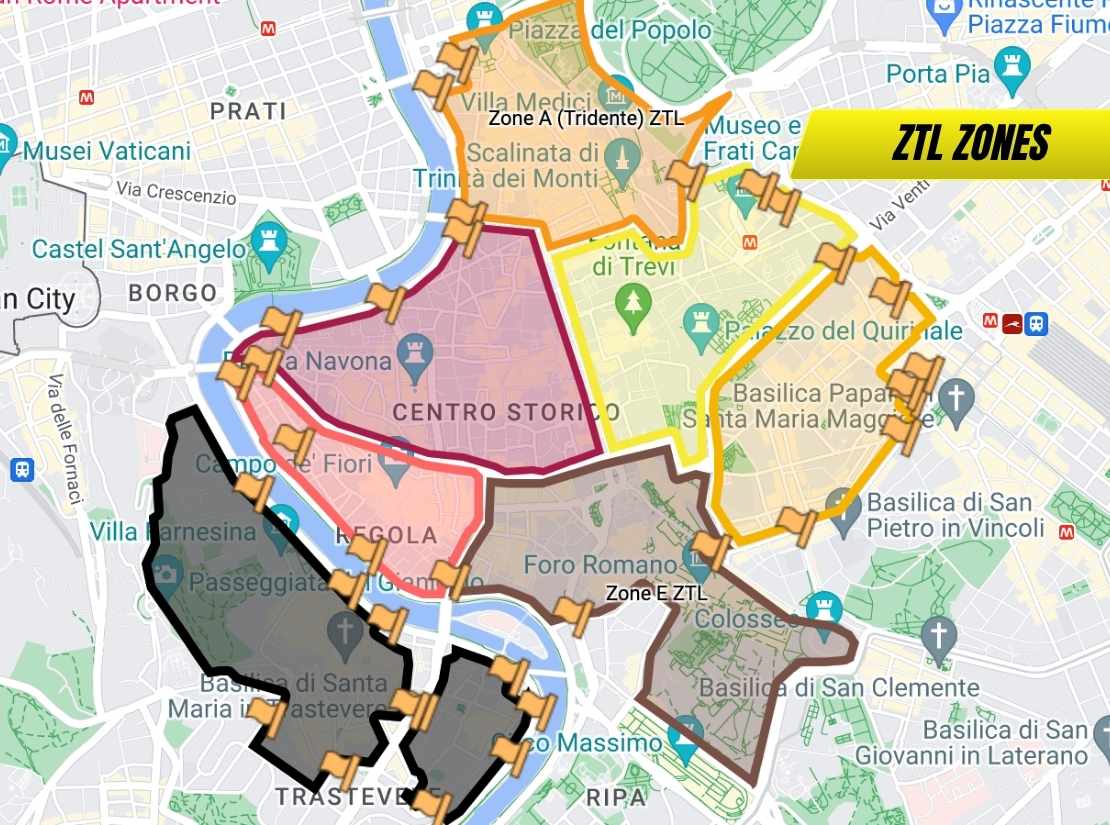
Planning a European road trip in your family car? There’s one traffic regulation that catches out thousands of British drivers every year – ZTL zones. These restricted traffic areas, primarily found in Italian cities but increasingly common across Europe, can turn a pleasant continental holiday into an expensive lesson in local driving laws.
According to our analysis at AutoHit, understanding ZTL regulations has become essential knowledge for any UK driver venturing beyond Calais. With post-Brexit changes affecting everything from insurance to breakdown cover, the last thing you need is an unexpected fine landing on your doormat weeks after returning home. We’ve compiled this comprehensive guide to help British motorists navigate these often confusing restrictions, drawing on feedback from drivers who’ve learned the hard way and official guidance from various European transport authorities.
The reality is that ZTL zones are expanding across Europe as cities battle air pollution and congestion – issues that sound familiar to anyone who’s driven through London’s expanding ULEZ. But unlike our home-grown restrictions, ZTL rules vary dramatically between countries and even individual cities, making preparation crucial for a stress-free European adventure.
UK drivers need to understand ZTL zones are becoming more common across European cities, with restrictions that can result in fines of €100-500 per violation
Key Highlights:
- ZTL Definition: Zona Traffico Limitato zones restrict vehicle access in historic city centres, primarily in Italy but expanding across Europe
- UK Driver Impact: British-registered vehicles face the same penalties as local cars, with fines typically ranging from €100-500 per violation
- Technology Challenge: Many ZTL zones use ANPR cameras that automatically detect foreign number plates, making enforcement increasingly efficient
- Exemption Complexity: Hotels, residents, and some hybrid/electric vehicles may qualify for temporary permits, but rules vary significantly between cities
- Planning Essential: Pre-trip research and GPS updates are crucial, as standard sat-navs often lack current ZTL boundary information
- Post-Brexit Considerations: Brexit has complicated the appeals process for UK drivers, making prevention far better than cure
What Exactly Are ZTL Zones?
Zona Traffico Limitato – literally “Limited Traffic Zone” – represents Europe’s approach to managing city centre congestion and protecting historic areas from vehicle damage. Think of it as Italy’s equivalent to London’s Congestion Charge, but with a crucial difference: while London charges you to enter, ZTL zones often ban most vehicles entirely during specific hours.
These zones typically encompass historic city centres where medieval streets weren’t designed for modern traffic volumes. Cities like Florence, Rome, and Bologna have pioneered these systems, with restrictions usually running from 7:30am to 7:30pm on weekdays, though weekend and evening rules vary considerably. What makes ZTL zones particularly challenging for UK drivers is their invisibility – unlike our clearly marked LEZ and ULEZ boundaries, ZTL entry points often feature just small signs that are easy to miss, especially when you’re concentrating on unfamiliar roads and foreign signage.
The enforcement technology behind ZTL zones has evolved dramatically over the past decade. Modern systems use Automatic Number Plate Recognition (ANPR) cameras – similar to those monitoring London’s various charging zones – but with one key difference. These systems are specifically designed to process foreign registrations, meaning your UK plates won’t provide the anonymity they might have a decade ago.
How ZTL Technology Works
European ZTL systems have become increasingly sophisticated, with real-time monitoring that would make Transport for London proud. The cameras don’t just photograph number plates; they cross-reference registration databases, check exemption lists, and can even distinguish between different vehicle types based on registration codes.
This technological advancement means the old advice about “foreign cars being difficult to trace” is dangerously outdated. We’re talking about systems that can process a UK number plate, identify it as non-resident, check for any valid permits, and issue a fine – all within minutes of your wheels crossing the ZTL boundary.
The integration with hotel booking systems represents another level of sophistication. Many Italian cities now allow hotels to register guest vehicle details directly with ZTL authorities, providing temporary exemptions. However, this service isn’t universal, and the responsibility for ensuring registration often falls on the driver rather than the accommodation provider.
UK-Specific Implications and Brexit Impact
Brexit has fundamentally changed how ZTL fines affect UK drivers, and not in a good way. Previously, as EU citizens, British drivers had clearer appeal processes and standardised fine collection procedures. Now, the situation is more complex, with individual countries determining their own enforcement approaches for UK-registered vehicles.
The Driver and Vehicle Licensing Agency (DVLA) continues to share UK driver data with European authorities under specific agreements, meaning ZTL fines can still find their way to your UK address. More concerning for many drivers is the potential impact on future European travel – unpaid fines can theoretically affect rental car eligibility and may complicate border crossings, though enforcement varies significantly between countries.
From a practical perspective, this means UK drivers can no longer rely on the bureaucratic inefficiencies that might have protected them in the past. European cities are increasingly motivated to collect ZTL fines from foreign drivers, both for revenue and to demonstrate effective traffic management to their residents.
Insurance and Breakdown Cover Considerations
One often-overlooked aspect of ZTL violations is their potential impact on European breakdown cover and insurance policies. While a ZTL fine won’t typically invalidate your policy, some insurers are beginning to ask about traffic violations when renewing European coverage. It’s worth checking your policy documents – some providers now include clauses about “compliance with local traffic regulations” that could theoretically be relevant.
The bigger issue comes with rental cars. Major rental companies across Europe are implementing stricter policies regarding ZTL violations, with some charging substantial administration fees on top of the original fine. We’ve seen reports of rental companies charging £50-100 in processing fees for each ZTL violation, making a €100 fine potentially cost £200+ by the time it reaches your credit card statement.
European Variations: Beyond Italy
While Italy pioneered the ZTL concept, the system has evolved differently across Europe, creating a patchwork of regulations that challenge even experienced drivers. Spain’s approach, for instance, focuses heavily on environmental criteria, with Madrid’s Central District requiring Euro 4 petrol or Euro 6 diesel standards as minimum entry requirements. This environmental focus means that even some relatively recent UK cars might be prohibited.
French cities have adopted a different approach through their Zones à Faibles Émissions (Low Emission Zones), which require Crit’Air vignettes displaying your vehicle’s emission classification. The key difference here is advance registration – you must purchase and display the appropriate vignette before entering restricted areas, unlike Italian ZTL zones where hotel guests might receive automatic temporary exemptions.
Germany’s environmental zones (Umweltzonen) require a different sticker system entirely, with green, yellow, or red classifications determining access rights. The challenge for UK drivers is that obtaining these permits often requires documentation that’s difficult to source from the UK, particularly for older vehicles.
Emerging Trends Across Europe
European cities are increasingly coordinating their approaches to traffic restrictions, with the European Commission encouraging standardisation. This means we’re likely to see more harmonised systems in the coming years, potentially simplifying compliance for international drivers. However, the current transition period creates particular challenges, with some cities implementing pilot schemes that may not be well-documented in tourist information.
The electrification trend is also influencing ZTL policies, with many cities offering preferential treatment for hybrid and electric vehicles. This creates interesting opportunities for UK drivers considering European road trips – modern hybrid cars are becoming increasingly practical for long-distance European travel, potentially offering both efficiency benefits and reduced restriction risks.
Success with ZTL zones comes down to preparation and the right technology. Standard factory-fitted sat-nav systems, even in premium vehicles, often lack current ZTL boundary data. This isn’t necessarily the manufacturer’s fault – ZTL boundaries can change seasonally, and some cities modify restrictions for special events with minimal notice.
We’ve found that smartphone apps like Google Maps and Waze offer more current ZTL information, but they’re not infallible. The most reliable approach combines multiple information sources: updated GPS systems, hotel advice, and official city websites. Many European cities now provide English-language ZTL information specifically for tourists, though the quality and currency of this information varies dramatically.
For drivers of larger vehicles, the situation becomes more complex. Many SUVs that are perfectly practical for UK driving may face additional restrictions in European city centres based on weight, length, or height classifications. Italian cities, in particular, often have complex rules about vehicle dimensions that aren’t immediately obvious to foreign drivers.
Hotel Coordination and Permit Processes
The relationship between accommodation providers and ZTL authorities varies enormously across Europe. Italian hotels generally understand the ZTL system and many can arrange temporary permits, but this service isn’t guaranteed. When booking accommodation, it’s worth specifically asking about ZTL exemptions and whether the hotel charges for permit administration.
Some cities require advance notification of foreign vehicles, with deadlines ranging from 24 hours to several days before arrival. This advance planning requirement can be particularly challenging for flexible itineraries or last-minute bookings. The bureaucracy involved often requires specific information including exact arrival and departure times, making spontaneous European road trips more challenging than they once were.
The permit process typically requires your vehicle registration document, which UK drivers should always carry when travelling in Europe. Some cities also require proof of accommodation booking and may specify particular entry and exit points for foreign vehicles.
Recognition Technology and Enforcement Evolution
Modern ZTL enforcement represents a significant technological advancement from the systems that UK drivers might remember from early European road trips. Current ANPR technology can distinguish between different vehicle types, check exemption databases in real-time, and even identify vehicles that have exceeded permitted time limits in restricted areas.
The sophistication extends to predictive enforcement, with some systems flagging repeat offenders or vehicles that show patterns suggesting commercial rather than tourist use. This technology means that UK drivers can’t rely on anonymity or bureaucratic delays that might have provided protection in the past.
Integration with mobile phone networks allows some cities to send real-time warnings to foreign-registered vehicles approaching ZTL boundaries. While this technology isn’t universal, it represents the future direction of European traffic management – proactive communication rather than punitive enforcement.
Cross-Border Information Sharing
European traffic authorities are increasingly sharing violation information, meaning a ZTL fine in Italy could theoretically affect your standing in France or Spain. While this level of integration isn’t yet universal, the trend is clear – European traffic enforcement is becoming more coordinated and efficient.
For UK drivers, this evolution means that the old approach of hoping fines wouldn’t cross borders is increasingly unreliable. The smart approach is prevention through proper planning and compliance, rather than hoping for enforcement gaps.
| City | ZTL Hours | Typical Fine | Exemption Process | Our Take |
|---|---|---|---|---|
| Florence | 7:30-19:30 Mon-Fri | €100+ | Hotel registration required | Well-signposted but strict enforcement |
| Rome | Varies by zone | €100-500 | Complex permit system | Multiple zones with different rules |
| Bologna | 7:00-20:00 Daily | €70-150 | Advance registration needed | Tourist-friendly information available |
| Milan | Area C: 7:30-19:30 | €81 | Environmental criteria apply | Similar to London’s approach |
| Madrid | 24/7 Central District | €90-200 | Euro 4/6 minimum required | Environmental focus, strict enforcement |
Avoiding Common UK Driver Mistakes
The most expensive mistake UK drivers make with ZTL zones is assumption – assuming hotel parking includes ZTL exemption, assuming rental car companies handle permits, or assuming weekend restrictions don’t apply. These assumptions can quickly turn a pleasant European break into an expensive lesson in continental traffic law.
Hotel parking is a particular trap. Many UK drivers book accommodation with parking included, assuming this automatically provides ZTL access. In reality, hotel parking and ZTL exemptions are often separate issues. A hotel might have parking spaces outside the ZTL zone, requiring you to drive through restricted areas to reach them, or they might provide parking but expect you to arrange your own ZTL permit.
The rental car situation has evolved significantly post-Brexit. Previously, some rental companies provided ZTL guidance or even handled permit applications. Now, most explicitly state that ZTL compliance is the driver’s responsibility, with substantial administration fees for any violations processed through the rental agreement.
Weekend and Evening Assumptions
Many UK drivers assume ZTL restrictions only apply during weekday business hours, similar to London’s Congestion Charge. This assumption can be costly – some Italian cities extend ZTL restrictions to weekend evenings, targeting nightlife-related traffic. Florence, for example, implements weekend evening restrictions that catch many tourists heading out for dinner.
The seasonal variation adds another layer of complexity. Some cities modify ZTL hours during summer months, tourist seasons, or special events. Venice’s approach to tourist traffic management, while not technically ZTL, demonstrates how Italian cities are becoming more aggressive about managing visitor vehicle access.
Future-Proofing Your European Driving
The trend across European cities is clear – traffic restrictions are expanding and enforcement is becoming more sophisticated. For UK drivers, this means European road trips require more planning than they once did, but they’re far from impossible with the right preparation.
Electric and hybrid vehicles are increasingly receiving preferential treatment in European cities, making efficient hybrid cars particularly attractive for continental touring. Some cities offer reduced fees or extended access hours for low-emission vehicles, though the definition of “low emission” varies between countries.
The technology exists for much more sophisticated vehicle access management, including time-limited permits that automatically expire and dynamic pricing based on demand. While these systems aren’t yet widespread, they represent the likely future of European city centre access control.
Planning for Different Vehicle Types
Larger SUVs and family vehicles face additional considerations in European cities beyond basic ZTL compliance. Many historic city centres have physical restrictions – narrow gates, low bridges, or weight limits – that aren’t immediately obvious from ZTL information. A vehicle that’s perfectly legal for ZTL access might still be practically unsuitable for historic city centre navigation.
For families considering European road trips, this often means choosing between larger vehicles for comfort and smaller cars for urban accessibility. The compromise increasingly favours efficient, compact vehicles that offer reasonable space without the restrictions faced by larger SUVs.
Frequently Asked Questions
How much will a ZTL fine actually cost me as a UK driver? Based on current enforcement practices, expect €100-500 for the original fine, plus potential administration fees if you’re driving a rental car. UK rental companies typically add £50-100 in processing charges, meaning a simple ZTL violation could cost £200+ total. Payment deadlines are usually 60 days from issue, with reduced rates for early payment in some cities.
Can I appeal a ZTL fine from the UK, and is it worth the effort? Yes, you can appeal, but the process has become more complex post-Brexit. Most Italian cities accept appeals in English, requiring evidence like hotel booking confirmations or proof of emergency circumstances. Success rates are relatively low unless you have clear documentation of exemption entitlement. The administrative effort often exceeds the fine value for minor violations.
Will my standard car insurance or European breakdown cover protect me from ZTL issues? Standard motor insurance won’t cover ZTL fines – they’re treated as traffic violations rather than accidents. However, some comprehensive European travel insurance policies include coverage for “administrative penalties,” though this isn’t common. Check your policy documents specifically, as coverage varies dramatically between providers.
Are modern hybrid cars like the Prius exempt from most European ZTL zones? Not automatically, no. While many cities offer preferential treatment for hybrid and electric vehicles, this usually means reduced fees rather than complete exemption. Madrid requires Euro 4 petrol standards regardless of hybrid status, while some Italian cities offer extended access hours for low-emission vehicles. Always check specific city requirements rather than assuming hybrid status provides blanket exemption.
What’s the best way to get reliable, current ZTL information before travelling? Combine multiple sources: official city websites (many now offer English sections), updated smartphone apps like Google Maps, and direct hotel inquiry. Don’t rely solely on guidebooks or standard sat-nav systems, as ZTL boundaries can change seasonally. Many UK travel forums now have dedicated European driving sections with current user experiences.
If I’m staying outside a ZTL zone but want to visit the city centre, what are my options? Most European cities with ZTL zones offer excellent public transport links to city centres, often with park-and-ride facilities specifically designed for tourists. Many cities also provide clearly marked routes to major attractions that avoid ZTL areas, though these may involve longer journey times. Some hotels outside ZTL zones offer shuttle services to central areas.
How do ZTL zones compare to London’s ULEZ in terms of what UK drivers need to know? The key difference is restriction versus charging – ULEZ charges compliant vehicles to enter, while ZTL zones typically prohibit most vehicles entirely during restricted hours. ULEZ has clear, consistent boundaries and payment systems, while ZTL rules vary dramatically between cities. However, both systems use similar ANPR technology for enforcement, making evasion increasingly difficult.
Conclusion
ZTL zones represent a significant shift in how European cities manage traffic, and UK drivers need to adapt their continental travel approach accordingly. While the regulations can seem daunting, they’re entirely manageable with proper preparation and realistic expectations about modern European city centre access.
The key insight from our analysis is that successful ZTL navigation requires treating it as part of trip planning rather than something to worry about upon arrival. The cities implementing these restrictions generally want to accommodate tourists – they’re targeting excessive traffic rather than eliminating visitors entirely. However, they expect visitors to engage with their systems rather than hoping for bureaucratic protection.
Looking ahead, European traffic restrictions will only become more sophisticated and widespread. The smart approach for UK drivers is to embrace this reality, incorporating ZTL research into European trip planning just as naturally as checking passport validity or travel insurance coverage. With proper preparation, European road trips remain one of the most rewarding ways to explore the continent – you just need to navigate the bureaucracy as skilfully as you handle the mountain passes.
For UK drivers planning European adventures, ZTL zones shouldn’t be a deterrent but rather another aspect of continental driving that requires preparation and respect for local regulations. The cities implementing these systems generally want to accommodate visitors while protecting their historic centres – a goal that most UK drivers can appreciate, having witnessed the transformation of our own city centres through ULEZ and similar initiatives.
Meta Description: Complete guide to ZTL zones for UK drivers travelling in Europe. Understand restrictions, fines, exemptions and practical tips for European road trips without costly violations.





