
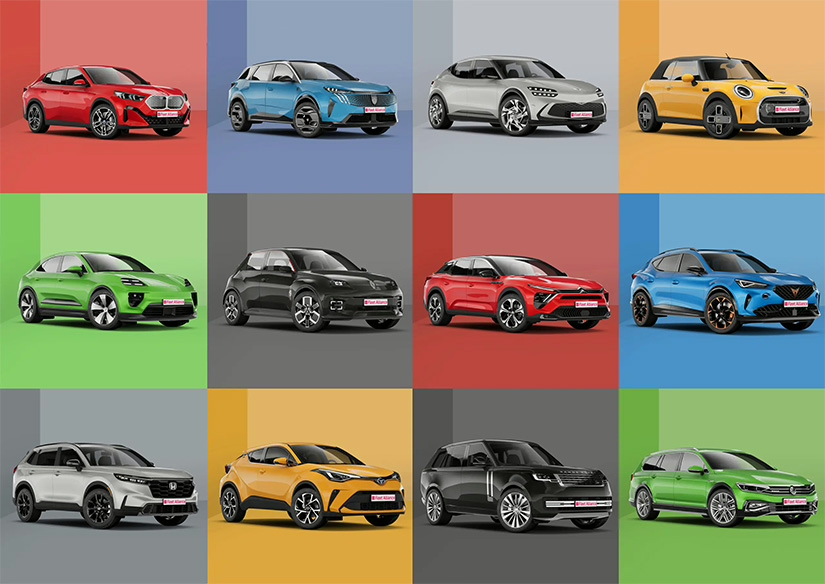
Discover the best hybrid cars of 2025 for the UK market. Our in-depth guide covers cutting-edge technology, performance insights, and essential comparisons, complete with FAQs, bullet lists, and a detailed table to help you make an informed choice.
Hybrid cars have steadily moved from being a futuristic idea to a tangible reality on our roads. If you’re looking for efficiency, innovation, and a ride that’s both eco-friendly and packed with the latest technology, you’ve come to the right place! In this comprehensive guide, we’ll explore everything you need to know about the best hybrid cars in the UK for 2025, from technical insights to buying tips. So, buckle up and let’s dive in!
Understanding Hybrid Technology
Hybrid cars seamlessly combine a traditional combustion engine with an electric motor, delivering the best of both worlds. Instead of relying solely on petrol or diesel, these vehicles intelligently switch between power sources to maximise fuel efficiency and cut down emissions. Here’s how they do it:
- Energy Recovery: When you brake or decelerate, the electric motor works as a generator, capturing energy that would otherwise be wasted. This recovered energy gets stored in the battery for later use.
- Dual Power Sources: By merging a conventional engine with an electric motor, hybrids can run on one or both sources simultaneously, ensuring smoother acceleration and improved fuel economy.
- Advanced Control Systems: Modern hybrids use state-of-the-art electronics to manage energy flow between the engine and battery, adapting in real time to driving conditions.
This smart design not only helps the environment but also offers a more economical ride for UK drivers facing rising fuel costs.
Why Choose a Hybrid Car in the UK?
Living in the UK means dealing with congested city roads, unpredictable weather, and, let’s be honest, ever-changing fuel prices. Hybrid cars address all these concerns head-on. Here’s why they’re a brilliant option for UK drivers:
- Fuel Efficiency: Hybrids offer significantly lower fuel consumption compared to traditional vehicles. With petrol prices constantly on the rise, saving money at the pump is more important than ever.
- Reduced Emissions: The UK is committed to reducing carbon footprints. Hybrids help in cutting down harmful emissions, making them a green choice that aligns with government regulations.
- Smooth Urban Driving: Thanks to their electric power, hybrids provide a quieter and smoother drive, especially in stop-start traffic common in UK cities.
- Incentives: Several incentives and grants are available for hybrid vehicles in the UK. These can include reduced road tax and even discounts on congestion charges in major cities like London.
- Resale Value: With the global push towards sustainability, hybrid cars often retain their value better than their conventional counterparts.
These factors make hybrid cars an enticing option for anyone looking to invest in a future-proof vehicle that’s both economical and environmentally friendly.
Top Hybrid Car Rankings for 2025
Now that we understand the technology and its benefits, let’s get to the meat of the matter—our detailed ranking of the top hybrid cars in the UK for 2025. We’ve carefully curated this list based on performance, fuel economy, innovative features, and overall value.
1. Toyota Yaris Hybrid
Why it stands out:
The Toyota Yaris Hybrid continues to dominate the charts, and it’s no wonder why. Its compact design, impressive fuel economy, and smooth driving experience make it a perfect city car for the busy UK streets.
- Engine & Performance: A 1.5-litre engine combined with an electric motor gives a total output of around 116 horsepower.
- Fuel Consumption: A commendable 4.2 l/100 km in real-world conditions.
- Key Features: Compact size, easy manoeuvrability, and Toyota’s proven reliability.
For anyone looking for a blend of efficiency and practicality, the Yaris Hybrid is a top contender.
2. Toyota C-HR Hybrid
Why it stands out:
Sleek and modern, the Toyota C-HR Hybrid offers a unique mix of style and performance. Its distinctive design is perfect for urban drivers who want their car to make a statement.
- Engine & Performance: Options include a 1.8-litre engine (122 horsepower) and a 2.0-litre variant (184 horsepower). The latter can hit 0-100 km/h in just over 8 seconds.
- Fuel Consumption: Averages between 4.9 and 5.3 l/100 km.
- Key Features: Bold design, advanced safety features, and cutting-edge hybrid technology.
The C-HR Hybrid is ideal for those who crave a dynamic ride without sacrificing fuel efficiency.
3. Ford Puma Hybrid
Why it stands out:
The Ford Puma Hybrid is a game-changer in the crossover segment. It not only turns heads with its stylish design but also delivers excellent performance on urban roads and beyond.
- Engine & Performance: A 1.0-litre EcoBoost engine paired with hybrid technology, available in 125 or 155 horsepower options.
- Fuel Consumption: Around 5.7 l/100 km in combined driving conditions.
- Key Features: Sporty look, advanced energy recovery system, and versatile driving modes.
For drivers who want a crossover that’s both energetic and efficient, the Puma Hybrid checks all the boxes.
4. Fiat 500 Hybrid
Why it stands out:
The iconic Fiat 500 gets a modern twist with its hybrid variant. Perfect for city dwellers, it blends a fun, retro design with the benefits of modern hybrid efficiency.
- Engine & Performance: A 1.0-litre engine with a mild hybrid system delivering around 70 horsepower.
- Fuel Consumption: Approximately 4.6 l/100 km.
- Key Features: Compact dimensions, nimble handling, and a stylish look that never goes out of fashion.
The Fiat 500 Hybrid is a smart choice for anyone looking for a chic, fuel-efficient car for city driving.
5. Mazda 3 Hybrid
Why it stands out:
Mazda brings its trademark simplicity and innovation to the hybrid market with the Mazda 3 Hybrid. It’s available in two flavours, catering to different driving needs.
- Engine & Performance: One option is the 2.0-litre Skyactiv-G mild hybrid, available in 122 or 150 horsepower variants. Alternatively, the 2.0-litre Skyactiv-X engine packs up to 186 horsepower.
- Fuel Consumption: Ranges from 5.3 to 6.5 l/100 km, depending on the configuration.
- Key Features: Sleek design, advanced infotainment system, and a balanced ride.
The Mazda 3 Hybrid is perfect for those who appreciate a blend of performance and practicality in a stylish package.
6. Nissan Qashqai Hybrid
Why it stands out:
Nissan’s Qashqai Hybrid brings versatility to the table. As one of the UK’s favourite SUVs, it’s ideal for families and professionals alike.
- Engine & Performance: Available in mild hybrid versions with a 1.3-litre engine (140–158 horsepower) and a full hybrid variant with an advanced e-Power system delivering around 190 horsepower.
- Fuel Consumption: Mild hybrid versions average around 6.4–6.5 l/100 km, while the full hybrid variant averages approximately 5.3–5.4 l/100 km.
- Key Features: Spacious interior, advanced safety features, and adaptable performance.
For those needing a reliable SUV that’s as efficient as it is practical, the Qashqai Hybrid is a brilliant option.
7. Jeep Avenger Hybrid
Why it stands out:
Jeep’s foray into hybrid technology with the Avenger Hybrid is a refreshing change. It’s rugged, versatile, and ready to take on both urban and off-road adventures.
- Engine & Performance: A 1.2-litre turbocharged engine paired with two electric motors provides around 100 horsepower plus an extra boost of 29 horsepower.
- Fuel Consumption: Typically around 4.9–5.0 l/100 km under WLTP conditions.
- Key Features: Rugged design, off-road capability, and innovative hybrid powertrain.
The Jeep Avenger Hybrid is a perfect match for drivers who need a robust yet efficient vehicle for diverse driving conditions.
8. Suzuki Ignis Hybrid
Why it stands out:
The Suzuki Ignis Hybrid is a compact gem that offers outstanding value for money. It’s ideal for city driving without compromising on style or efficiency.
- Engine & Performance: A 1.2 Dualjet engine delivering around 83 horsepower, available in both front-wheel and all-wheel drive.
- Fuel Consumption: WLTP figures range between 5.1 and 5.5 l/100 km, with an impressive range of up to 600 km on a single tank.
- Key Features: Compact size, agile handling, and great fuel economy.
If you’re after an economical and fun-to-drive car, the Ignis Hybrid is definitely worth considering.
9. Suzuki Vitara Hybrid
Why it stands out:
Rounding out our top selections, the Suzuki Vitara Hybrid offers a mix of versatility, advanced technology, and fuel efficiency that’s hard to beat.
- Engine & Performance: Comes with either a 1.4-litre turbo mild hybrid producing 129 horsepower or a 1.5-litre naturally aspirated full hybrid delivering 114 horsepower.
- Fuel Consumption: Typically sits between 5.4 and 5.6 l/100 km, slightly higher in four-wheel-drive versions (around 5.8–6.1 l/100 km).
- Key Features: Spacious interior, modern tech features, and a comfortable ride.
The Vitara Hybrid is a smart choice for families and commuters alike, offering reliability and advanced connectivity.
10. Emerging Contenders and Future Trends
The hybrid car market is evolving at breakneck speed, and while our list covers the current top contenders, keep an eye on new models emerging from brands like Hyundai, Kia, and even newer players. Here are some trends to watch out for in the coming years:
- Plug-in Hybrids: Expect to see more plug-in hybrid models that allow for longer electric-only ranges.
- Increased Connectivity: With the rise of smart technology, more hybrids are integrating advanced infotainment and connectivity features.
- Enhanced Battery Life: Advances in battery technology mean longer-lasting and more efficient power storage, further improving performance.
- Eco-Friendly Materials: Automakers are increasingly using recycled and sustainable materials in vehicle manufacturing, contributing to an overall greener footprint.
Comparison Table: Top Hybrid Models in the UK (2025)
Below is a handy table comparing the key specifications of the top hybrid models discussed:
| Model | Engine Type | Horsepower (Approx.) | Fuel Consumption (l/100 km) | Price Range (UK) |
|---|---|---|---|---|
| Toyota Yaris Hybrid | 1.5-litre hybrid | 116 – 130 | 4.2 | £18,000 – £22,000 |
| Toyota C-HR Hybrid | 1.8/2.0-litre hybrid | 122 – 184 | 4.9 – 5.3 | £25,000 – £30,000 |
| Ford Puma Hybrid | 1.0 EcoBoost hybrid | 125 – 155 | 5.7 | £23,000 – £28,000 |
| Fiat 500 Hybrid | 1.0-litre mild hybrid | 70 | 4.6 | £15,000 – £19,000 |
| Mazda 3 Hybrid | 2.0-litre Skyactiv-G / Skyactiv-X | 122 – 186 | 5.3 – 6.5 | £24,000 – £29,000 |
| Nissan Qashqai Hybrid | 1.3-litre / e-Power hybrid | 140 – 190 | 5.3 – 6.5 | £27,000 – £33,000 |
| Jeep Avenger Hybrid | 1.2-litre turbo hybrid | 129 (approx.) | 4.9 – 5.0 | £21,000 – £26,000 |
| Suzuki Ignis Hybrid | 1.2 Dualjet hybrid | 83 | 5.1 – 5.5 | £16,000 – £20,000 |
| Suzuki Vitara Hybrid | 1.4/1.5-litre hybrid | 114 – 129 | 5.4 – 6.1 | £22,000 – £27,000 |
Note: Prices are approximate and subject to change based on configurations and dealer offers.
Pros and Cons of Hybrid Cars in the UK
To give you a well-rounded view, here’s a quick rundown of the pros and cons of owning a hybrid car in the UK:
Pros
- Fuel Efficiency: Enjoy significant savings at the pump.
- Lower Emissions: Help reduce your carbon footprint.
- Smooth Urban Driving: Ideal for stop-start city traffic.
- Tax Incentives: Benefit from reduced road tax and possible grants.
- Modern Technology: Advanced features for enhanced safety and connectivity.
Cons
- Initial Cost: Higher upfront purchase price compared to traditional vehicles.
- Battery Replacement: Potential long-term maintenance costs for battery replacement.
- Charging Infrastructure: Although less of an issue for mild hybrids, plug-in variants require access to charging points.
- Performance Variability: Depending on the model, there can be a noticeable difference in performance between hybrid and conventional modes.
How to Choose the Right Hybrid Car for You
Deciding on the right hybrid car can feel a bit overwhelming with so many options on the market. Here are some tips to help you narrow down your choices:
- Assess Your Driving Habits:
- Do you mostly drive in the city or on the motorway?
- How long are your daily commutes?
- Would you benefit from a compact model or a larger family car?
- Consider the Cost:
- What’s your budget?
- Remember to factor in potential government incentives and lower running costs.
- Compare the price against long-term savings on fuel.
- Evaluate the Features:
- Which advanced features are must-haves for you? (Infotainment, safety systems, connectivity)
- Are you interested in full hybrids or would a mild hybrid suffice?
- Test Drive:
- Nothing beats experiencing the car firsthand. Schedule test drives to get a feel for the vehicle’s performance and comfort.
- Pay attention to the quality of the ride, ease of manoeuvring in traffic, and overall build quality.
- Read Reviews:
- Look at expert reviews as well as user feedback.
- Check out online forums and discussion groups for real-world experiences.
- Future Proofing:
- Consider the car’s potential resale value.
- Think about upcoming technology trends and how they might affect your vehicle choice in the future.
By weighing these factors, you can pinpoint the hybrid car that perfectly suits your lifestyle and budget.
FAQs About Hybrid Cars in the UK
Q1: What exactly is a hybrid car?
A hybrid car uses a combination of a traditional combustion engine and an electric motor to optimise fuel efficiency and reduce emissions. The system automatically switches between power sources based on driving conditions.
Q2: Are hybrid cars more expensive than regular cars?
While the initial purchase price of hybrid cars may be higher, the savings on fuel and lower running costs often balance out the expense over time. Plus, government incentives can make them more affordable.
Q3: Do hybrid cars require charging?
It depends on the type. Mild hybrids don’t need to be plugged in, as they recharge through regenerative braking. Plug-in hybrids do require external charging but offer longer electric-only ranges.
Q4: How reliable are hybrid cars?
Hybrid cars have become increasingly reliable as technology advances. Major manufacturers like Toyota, Ford, and Nissan have a proven track record, though it’s wise to check individual model reviews.
Q5: Can I drive a hybrid car in winter conditions in the UK?
Absolutely! Modern hybrids are designed to perform well in various weather conditions, including the cold and wet UK winters. Features like advanced traction control and all-wheel drive in some models add extra confidence.
Q6: How long do the hybrid batteries last?
Battery longevity varies, but many hybrids are designed with robust battery management systems. Most batteries are expected to last between 8 to 10 years, and many manufacturers offer extended warranties.
What is the typical lifespan of a hybrid car battery in the UK?
Hybrid car batteries are a crucial component in ensuring that your vehicle runs efficiently and reliably. In the UK, a well-maintained hybrid battery is expected to last between 8 and 10 years, with some models even surpassing that range under optimal conditions. Factors that influence battery lifespan include:
- Driving habits: Frequent short journeys and stop-start traffic can affect battery wear.
- Charging cycles: Regular use of regenerative braking can extend battery life.
- Environmental conditions: Extreme temperatures may reduce battery performance over time.
Many UK drivers find that manufacturers often offer extended warranties on hybrid batteries, typically ranging from 5 to 8 years. This offers a safety net should any issues arise early on. Additionally, technological advances and improved battery management systems are gradually pushing the expected lifespan higher.
A table below compares the extended warranty options provided by some popular hybrid models in the UK:
| Model | Battery Warranty | Expected Lifespan |
|---|---|---|
| Toyota Yaris Hybrid | 8 years | 8 – 10 years |
| Toyota C-HR Hybrid | 8 years | 8 – 10 years |
| Ford Puma Hybrid | 7 years | 8 – 10 years |
Maintenance tips for prolonging battery life include:
- Regular software updates and diagnostics
- Avoiding deep discharges where possible
- Keeping the battery within recommended temperature ranges
By taking these measures, hybrid owners in the UK can ensure that their battery continues to perform well for many years, providing reliable performance while helping to reduce the overall environmental impact of their driving.
Are hybrid cars eligible for government grants or tax incentives in the UK?
In the UK, several government initiatives aim to promote environmentally friendly vehicles, and hybrid cars often fall under these schemes. These incentives can help reduce the overall cost of ownership, making hybrids an attractive option. Key benefits include:
- Reduced road tax: Hybrid vehicles typically benefit from lower Vehicle Excise Duty (VED) rates.
- Grants and rebates: Some local authorities offer grants for low-emission vehicles, which may extend to certain hybrid models.
- Congestion charge exemptions: In cities like London, hybrids may be exempt from or charged a reduced rate for the Congestion Charge.
Below is a comparative table showcasing typical incentive figures for some popular hybrid models:
| Model | VED Rate (Approx.) | Local Grant | Congestion Charge Status |
|---|---|---|---|
| Toyota Yaris Hybrid | Low | Up to £1,000 | Exempt/Reduced |
| Toyota C-HR Hybrid | Low | Up to £1,000 | Exempt/Reduced |
| Ford Puma Hybrid | Low | Varies by region | Exempt/Reduced |
Other considerations:
- Eligibility criteria: Incentives may be subject to emissions levels and the car’s registration date.
- Regional variations: Local councils may have specific schemes that further reduce costs.
- Application process: Ensure you check with the relevant authority or dealer to verify if your chosen model qualifies.
These incentives not only help to offset the initial higher purchase price but also promote sustainable driving practices. By taking advantage of such benefits, UK drivers can enjoy lower running costs while contributing to a reduction in overall emissions.
How do hybrid car maintenance costs compare with traditional petrol vehicles in the UK?
When evaluating maintenance costs, hybrid cars often prove to be cost-effective compared to traditional petrol vehicles. While the initial purchase price of a hybrid may be higher, the long-term savings through reduced fuel consumption and lower emissions-related taxes often balance the scales. Key maintenance cost differences include:
- Engine and component wear: Hybrids benefit from regenerative braking, which reduces brake wear and extends the lifespan of brake components.
- Fuel system: The electric motor in hybrids reduces strain on the combustion engine, potentially lowering maintenance frequency.
- Battery care: Although battery replacement can be costly, extended warranties often cover this expense, and many batteries last well beyond the warranty period.
Below is a sample comparison table for average annual maintenance costs:
| Vehicle Type | Average Annual Maintenance (£) | Notes |
|---|---|---|
| Traditional Petrol | 450 – 600 | Higher brake and engine wear costs |
| Hybrid | 400 – 550 | Reduced wear on brakes, less frequent servicing |
Additional factors to consider:
- Service intervals: Hybrid cars may require fewer routine services due to advanced engine management systems.
- Spare parts availability: While parts for hybrids are becoming increasingly available, it’s wise to check with local garages about service expertise.
- Insurance and warranty: Many hybrid models come with attractive warranty packages, which help manage unexpected repair costs.
For UK drivers, these maintenance cost advantages, along with improved fuel economy, can result in significant long-term savings. The initial higher cost is often offset by lower running costs, making hybrids a financially savvy choice in the long run.
What are the environmental benefits of owning a hybrid car in the UK?
Hybrid cars are celebrated for their positive environmental impact, a key consideration for many UK drivers. These vehicles contribute significantly to reducing harmful emissions and promoting a greener future. Primary environmental benefits include:
- Reduced CO2 emissions: By utilising an electric motor alongside a traditional engine, hybrids emit fewer greenhouse gases.
- Lower fuel consumption: Hybrids are designed to maximise fuel efficiency, thus using less petrol and reducing overall environmental strain.
- Noise pollution reduction: Electric motors operate more quietly than combustion engines, leading to quieter urban environments.
A simple table comparing the CO2 emissions of hybrid and traditional petrol cars might look like this:
| Vehicle Type | Average CO2 Emissions (g/km) |
|---|---|
| Traditional Petrol | 120 – 150 |
| Hybrid | 70 – 90 |
Additional benefits include:
- Support for renewable energy integration: Many hybrids can be paired with renewable energy sources for charging, further decreasing their carbon footprint.
- Government support: Reduced road taxes and incentives promote the uptake of hybrid technology, indirectly leading to a broader reduction in emissions across the UK.
- Sustainable driving: The shift to hybrids encourages more conscious driving habits, such as smoother acceleration and braking, which further decreases energy wastage.
For environmentally conscious UK drivers, these benefits are not just numbers on paper—they represent a tangible step towards reducing one’s ecological footprint and fostering a cleaner, healthier environment.
How do insurance premiums for hybrid cars compare with those for conventional cars in the UK?
Insurance premiums for hybrid cars in the UK tend to be competitive, although they may vary based on several factors. Key considerations that influence premiums include:
- Vehicle value: Higher purchase prices can sometimes lead to slightly higher insurance costs.
- Repair costs: Although hybrids use advanced technology, many manufacturers offer competitive repair packages, which can help moderate premiums.
- Safety features: Hybrid cars often come equipped with modern safety systems that can lead to lower insurance premiums due to reduced risk of accidents.
- Usage patterns: UK insurers may factor in lower mileage and urban usage, both common among hybrid owners, which can result in reduced premiums.
Below is a comparison table with approximate premium ranges:
| Vehicle Type | Average Annual Premium (£) | Notes |
|---|---|---|
| Conventional Petrol | 500 – 700 | Based on higher mileage and repair costs |
| Hybrid | 480 – 680 | Lower mileage and advanced safety features |
Additional factors affecting premiums:
- Driver profile: Age, driving history, and location in the UK are crucial determinants.
- Telematics: Some insurers offer discounts for vehicles equipped with telematics, a common feature in newer hybrids.
- Usage patterns: Hybrid owners often drive less aggressively, which can lower insurance risks.
For many UK drivers, the marginal difference in premiums is outweighed by the long-term savings on fuel and maintenance costs. Insurance companies are increasingly recognising the benefits of hybrid technology, which often results in competitive rates.
What are the resale values of hybrid cars compared to diesel and petrol models in the UK?
Resale value is a major factor for UK drivers when choosing a vehicle. Hybrid cars tend to maintain a strong resale value, thanks in part to growing consumer interest in eco-friendly vehicles and the increasing regulatory pressures on diesel and petrol models. Resale value advantages include:
- Higher demand: As emissions standards tighten and environmental concerns grow, hybrids remain highly sought after on the pre-owned market.
- Lower depreciation: While all cars depreciate, hybrids often depreciate at a slower rate than their diesel counterparts due to ongoing improvements in technology and efficiency.
- Market trends: The UK market is shifting towards greener vehicles, which bodes well for the resale values of hybrids.
Below is a comparison table outlining typical depreciation rates over a 3-year period:
| Vehicle Type | Average Depreciation (%) | Notes |
|---|---|---|
| Diesel | 45 – 55 | Declining popularity due to emissions |
| Petrol | 40 – 50 | Moderate depreciation |
| Hybrid | 30 – 40 | Higher demand for green credentials |
Other influencing factors:
- Mileage and condition: Lower mileage and well-maintained vehicles fetch higher resale prices.
- Technological advancements: As newer models with improved battery life and efficiency enter the market, older hybrids might experience more rapid depreciation.
- Incentives and grants: Government incentives for new hybrids can also affect the residual values of older models.
UK drivers who consider resale value find that hybrids offer a promising return on investment. The combination of lower depreciation and robust market demand for eco-friendly cars makes hybrids an attractive option for both new buyers and those looking to upgrade in the future.
How do hybrid cars perform in extreme weather conditions in the UK?
Hybrid cars are designed to handle a range of driving conditions, and this includes the extreme weather scenarios that can occur in the UK. Whether you’re dealing with chilly winters, heavy rain, or even the occasional snow, modern hybrid technology is built to adapt. Key performance aspects include:
- Battery efficiency: Hybrid batteries are engineered to operate efficiently across various temperatures, although extreme cold can temporarily reduce performance.
- Engine management systems: These systems automatically adjust the balance between the electric motor and combustion engine to maintain optimal performance regardless of the weather.
- Traction control and stability: Many hybrids come with advanced safety features that enhance stability and traction, particularly useful in slippery conditions.
Below is a table comparing typical performance adjustments in various weather conditions:
| Weather Condition | Impact on Hybrid Performance | Mitigation Features |
|---|---|---|
| Cold Weather | Slight reduction in battery efficiency | Battery pre-heating, improved insulation |
| Rain | Enhanced stability due to weight distribution | Advanced traction control systems |
| Snow | Better handling with all-wheel drive options | Regenerative braking and stability control |
Additional considerations:
- Driving style: Adapting driving habits during extreme weather can further optimise performance.
- Regular maintenance: Ensuring that the battery, tyres, and braking systems are well-maintained helps maintain consistent performance.
- Up-to-date technology: Newer hybrids are continually integrating more sophisticated systems that automatically adjust for weather conditions, ensuring safety and efficiency.
For UK drivers, the robust design of hybrid vehicles means they’re well-prepared to handle the unpredictable British weather, offering both reliability and performance regardless of the season.
What are the differences between full hybrid and mild hybrid cars for UK drivers?
Full hybrid and mild hybrid cars offer distinct advantages that cater to different driving needs and budgets. Full hybrid vehicles can run on electric power alone for short distances, offering significant fuel savings in urban environments, whereas mild hybrids provide a boost to the combustion engine without the ability to operate solely on electric power. Here’s a breakdown:
- Full Hybrid:
- Electric-only mode: Can drive short distances on battery power alone.
- Higher fuel efficiency: Especially beneficial in city driving.
- Complex systems: Generally comes with larger battery packs and advanced control systems.
- Price point: Often slightly higher due to advanced technology.
- Mild Hybrid:
- Assists the engine: Offers a power boost and improves start-stop performance.
- Simpler system: Smaller battery and less complex technology.
- Cost-effective: Lower initial purchase price and simpler maintenance.
- Limited electric-only range: Typically cannot drive solely on electric power.
Below is a price comparison table for typical models in the UK:
| Hybrid Type | Average Price (£) | Electric-only Range (km) |
|---|---|---|
| Full Hybrid | £25,000 – £35,000 | 1 – 5 |
| Mild Hybrid | £15,000 – £25,000 | 0 (assistance only) |
Other key differences include:
- Driving experience: Full hybrids often provide a smoother, quieter drive at low speeds due to electric operation.
- Maintenance: Mild hybrids have fewer complexities, which might translate to lower long-term maintenance costs.
- Environmental impact: Full hybrids tend to offer greater reductions in CO2 emissions, making them appealing for environmentally conscious drivers.
UK drivers can choose based on their needs—if urban fuel efficiency and eco-friendliness are paramount, a full hybrid is ideal; for those on a budget seeking modest improvements over traditional engines, a mild hybrid is an excellent choice.
How long does it take to charge a plug-in hybrid in the UK?
Charging times for plug-in hybrids vary based on battery size, the charging station’s power output, and environmental factors. On average, plug-in hybrids in the UK take anywhere from 2 to 4 hours to fully charge using a standard home charger. Key points to consider include:
- Battery capacity: Larger batteries require more time to charge, while smaller ones can be charged more rapidly.
- Charging infrastructure: Home chargers typically operate at 3.7 kW to 7 kW, while public fast chargers can deliver up to 22 kW, drastically reducing charge times.
- Daily usage: Many UK drivers find that overnight charging is sufficient for daily commuting needs, ensuring a full battery each morning.
Below is a table comparing charging times based on charger types:
| Charger Type | Power Output | Approximate Charging Time |
|---|---|---|
| Home Charger | 3.7 kW – 7 kW | 2 – 4 hours |
| Public Fast Charger | Up to 22 kW | 1 – 2 hours |
Additional details:
- Smart charging: Some plug-in hybrids offer smart charging systems that optimise charging based on off-peak energy tariffs, which can further reduce costs.
- Installation costs: Investing in a home charger may involve additional upfront costs but offers convenience and potential savings over time.
- Environmental benefits: Charging during off-peak hours or using renewable energy sources can further reduce your car’s carbon footprint.
For many UK drivers, the convenience of overnight charging combined with the flexibility of public charging stations makes owning a plug-in hybrid a practical and eco-friendly choice.
Tips for Maintaining Your Hybrid Car
Owning a hybrid isn’t just about the purchase—it’s also about keeping it in tip-top condition. Here are some maintenance tips to ensure your hybrid runs efficiently:
- Regular Servicing: Stick to the manufacturer’s recommended service schedule to avoid potential issues.
- Monitor Battery Health: Keep an eye on your hybrid battery’s performance. Many modern vehicles have built-in diagnostics.
- Use Regenerative Braking: Make the most of your car’s regenerative braking system by driving in a way that allows for frequent energy recovery.
- Tire Pressure: Maintain proper tire pressure to optimise fuel efficiency and safety.
- Software Updates: Ensure your car’s software is up-to-date. These updates can enhance performance and even improve battery management.
Embracing the Hybrid Revolution
As the automotive industry continues its rapid evolution, hybrid cars are leading the charge into a more sustainable future. The UK market is particularly enthusiastic about this shift, driven by environmental concerns, government incentives, and the desire for more efficient urban transportation. Our guide highlights the cream of the crop for 2025, each model representing the latest advancements in hybrid technology.
Driving a hybrid isn’t just about saving a few quid at the pump; it’s about embracing a forward-thinking lifestyle that values innovation, sustainability, and performance. With so many fantastic options on the market, there’s never been a better time to consider a hybrid car.
Buyer’s Checklist: What to Look for in a Hybrid Car
Before making your decision, here’s a quick checklist to ensure you cover all the bases:
- Fuel Economy: Compare the real-world fuel consumption of different models.
- Technology & Features: Ensure the vehicle has the latest safety and connectivity features.
- Comfort & Space: Check that the car meets your needs in terms of interior space and ride comfort.
- Performance: Consider the engine’s performance, especially if you often drive on motorways.
- Price & Incentives: Factor in the upfront cost, government grants, and long-term savings.
- Resale Value: Look into how well the model holds its value over time.
- Warranty & Support: Verify the warranty terms, especially for the hybrid battery and other critical components.
Real-World Experiences: Hybrid Cars in the UK
UK drivers have increasingly praised hybrid vehicles for their balance of modernity and practicality. From the bustling streets of London to the scenic routes of the Cotswolds, these cars have proven to be reliable partners on every journey. Here’s what some drivers have shared:
- “I was a bit skeptical at first, but after switching to a hybrid, I’ve never looked back. The savings on fuel are amazing!”
- “The quiet ride of my hybrid makes commuting a breeze, even during peak hour traffic.”
- “I love knowing that I’m reducing my carbon footprint without sacrificing performance. It’s a win-win!”
These testimonials underscore the real-world benefits that hybrids bring to daily driving in the UK.
A Glimpse Into the Future: What’s Next for Hybrid Cars?
As we approach 2025, the future of hybrid cars looks brighter than ever. Manufacturers are investing heavily in research and development, leading to innovations such as:
- Enhanced Battery Technology: Longer-lasting batteries with faster charging times.
- Improved Connectivity: Integration with smart devices and advanced driver assistance systems.
- Sustainable Manufacturing: A focus on eco-friendly production methods and recyclable materials.
- Customisable Driving Modes: Allowing drivers to tailor their hybrid system’s performance to suit their driving style.
These trends promise an even more efficient, enjoyable, and sustainable driving experience in the years to come.
Conclusion
Hybrid cars are revolutionising the way we drive, and the UK market is at the forefront of this change. With a diverse array of models available in 2025—from the nimble Toyota Yaris Hybrid to the versatile Nissan Qashqai Hybrid—there’s a perfect vehicle for every driver. Our guide has taken you through the ins and outs of hybrid technology, compared key models, and offered practical tips for making an informed decision.
Choosing a hybrid isn’t just a purchase; it’s an investment in a cleaner, smarter future. With advancements in technology and an increasing focus on sustainability, the hybrid revolution is well underway. Whether you’re a city commuter, a family on the go, or an adventurous soul, there’s never been a better time to explore the exciting world of hybrid cars.
We hope this guide has provided you with the insights you need to confidently navigate the hybrid car market in the UK. Drive safe, and here’s to a greener, more efficient future on the road!





