
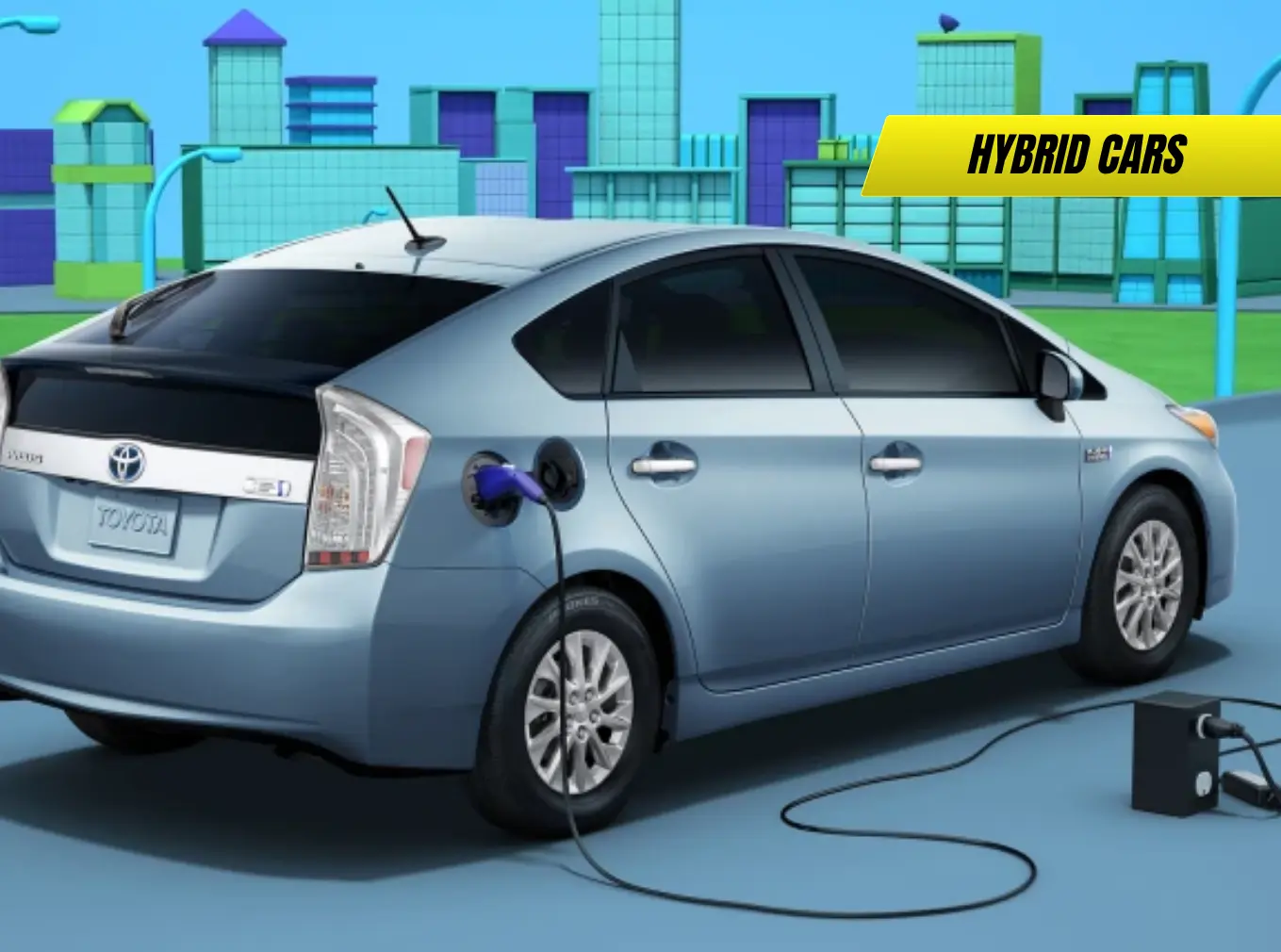
Hybrid cars remain a strong middle ground between petrol and fully electric vehicles in 2025. With the UK’s full petrol and diesel ban delayed to 2035, hybrids continue to offer lower emissions, better fuel economy, and reduced running costs without the charging anxiety of EVs. This guide breaks down the advantages, disadvantages, and real-world ownership costs of hybrid cars for British drivers today.
Key Points
- Hybrids combine a petrol or diesel engine with one or more electric motors.
- Average fuel economy: 55–75 mpg, saving 25–35% on fuel costs.
- UK drivers can choose HEV, MHEV, or PHEV types.
- Maintenance costs are 15–20% lower than equivalent petrol cars.
- ULEZ-compliant and road-tax-friendly until at least 2026.
Types of Hybrid Cars Explained
| Type | Description | Charging | Example Models |
|---|---|---|---|
| MHEV (Mild Hybrid) | Small electric boost, cannot drive electric-only | No plug | Ford Puma, Audi A3 MHEV |
| HEV (Full Hybrid) | Self-charging; electric drive at low speeds | No plug | Toyota Yaris Hybrid, Honda Jazz |
| PHEV (Plug-in Hybrid) | Large battery for 25–40 miles of electric driving | Plug required | Kia Niro PHEV, BMW X1 PHEV |
HEVs suit urban users; PHEVs benefit longer-distance drivers with access to home charging.
Fuel Economy and Efficiency
Typical UK hybrid efficiency by category:
| Vehicle Type | Fuel Economy | Annual Fuel Cost* | CO₂ (g/km) |
|---|---|---|---|
| Small Hybrid Hatchback | 70–75 mpg | £950 | 80–90 |
| Compact SUV Hybrid | 60–65 mpg | £1,100 | 90–100 |
| Plug-in Hybrid SUV | 150+ mpg (combined) | £800 | 30–50 |
| Mild Hybrid Estate | 50–55 mpg | £1,300 | 120–130 |
*Based on 10,000 miles per year, £1.65/litre petrol average.
Even without charging, hybrids offer consistent real-world economy, particularly in city traffic.
Advantages of Hybrid Cars
1. Lower fuel costs
Electric assist cuts engine load, especially in traffic, reducing consumption.
2. ULEZ compliance
All hybrids meet current and 2025 Ultra Low Emission Zone standards.
3. Lower maintenance
Brakes and engine components last longer due to regenerative braking and reduced wear.
4. Tax benefits
Lower CO₂ emissions reduce Vehicle Excise Duty (VED) and Benefit-in-Kind (BiK) tax.
5. No charging stress
HEVs never need plugging in; PHEVs charge in 2–4 hours but can run petrol-only when needed.
Disadvantages of Hybrid Cars
| Drawback | Explanation |
|---|---|
| Higher purchase price | Typically £2,000–£4,000 more than petrol equivalents |
| Battery replacement | Can cost £1,000–£3,000 after 8–10 years (rare) |
| Limited EV-only range (HEVs) | Usually 1–2 miles electric-only |
| Complexity | More components can mean higher long-term servicing if neglected |
| Not future-proof beyond 2035 | Hybrids will eventually be phased out under zero-emission rules |
In my experience, hybrids make most sense for city drivers who want immediate savings but aren’t ready to go fully electric.
Best Hybrid Cars in the UK 2025
| Model | Type | Electric Range | mpg (Combined) | Price (From) |
|---|---|---|---|---|
| Toyota Yaris Hybrid | HEV | 2 miles | 74 mpg | £22,610 |
| Honda Jazz Crosstar | HEV | 2 miles | 70 mpg | £25,000 |
| Kia Niro PHEV | PHEV | 40 miles | 180 mpg (WLTP) | £36,795 |
| Hyundai Tucson Hybrid | HEV | 2 miles | 55 mpg | £32,595 |
| BMW X1 xDrive30e | PHEV | 50 miles | 235 mpg | £43,000 |
| Ford Puma MHEV | MHEV | — | 52 mpg | £25,000 |
| Renault Captur E-Tech | PHEV | 30 miles | 188 mpg | £33,795 |
| Toyota Corolla Hybrid | HEV | 2 miles | 62 mpg | £30,355 |
All are ULEZ exempt, available through UK dealers, and supported by standard 5–10-year hybrid warranties.
Ownership Costs (10,000 Miles per Year)
| Cost Category | Hybrid | Petrol | Electric |
|---|---|---|---|
| Fuel / Energy | £950 | £1,600 | £400 |
| Road Tax | £0–£150 | £190 | £0 (until 2026) |
| Maintenance | £300 | £500 | £200 |
| Insurance | £650 | £600 | £650 |
| Total | £1,900 | £2,900 | £1,250 |
Hybrids sit neatly between petrol and electric ownership costs, ideal for drivers without charging access.
Plug-in Hybrid Charging and Infrastructure
PHEVs typically use Type 2 connectors and can recharge at:
| Charger Type | Power | Time (0–100%) | Cost |
|---|---|---|---|
| Home 7 kW | 7 kW | 2–3 hours | £1.50–£2.50 |
| Public 22 kW | 22 kW | 1.5 hours | £3–£4 |
| Rapid 50 kW | 50 kW | 30 mins (0–80%) | £5–£6 |
Even partial daily charging dramatically increases real-world efficiency, often exceeding 100 mpg in mixed use.
Environmental Impact
Hybrid cars produce 30–50% lower CO₂ emissions than comparable petrol models.
Plug-in hybrids can operate emission-free on short journeys, especially in cities like London or Bristol with congestion charge discounts.
However, environmental benefits drop if the battery is never charged.
Hybrid vs Electric vs Petrol: Quick Comparison
| Factor | Hybrid | Electric | Petrol |
|---|---|---|---|
| Upfront Cost | £25k–£40k | £30k–£50k | £20k–£35k |
| Running Cost | £0.10–£0.12/mile | £0.06/mile | £0.18/mile |
| Range | 400–600 miles | 220–350 miles | 450–600 miles |
| ULEZ Compliance | ✅ | ✅ | ❌ |
| Maintenance | Moderate | Low | Moderate |
| Charging | Optional | Required | None |
When a Hybrid Makes Sense
Hybrids are best for:
- Drivers without home charging who still want fuel savings.
- Mixed-use commuters doing 15–40 miles per day.
- Company car users needing low BiK rates.
- Rural drivers who need petrol backup for long trips.
If you mainly drive long motorway distances, a diesel mild hybrid may still make financial sense in 2025.
Expert Opinion
From my point of view, hybrid cars remain the smartest compromise in 2025 for drivers not yet ready to rely entirely on charging infrastructure.
They deliver genuine efficiency, low taxes, and flexibility across city and motorway travel.
Full EVs are the long-term future, but hybrids bridge the gap responsibly for most UK motorists today.
FAQs
Are hybrid cars exempt from road tax?
Yes, most hybrids pay £0–£150 depending on CO₂ emissions until 2026.
Do I need to plug in a hybrid car?
Only plug-in hybrids (PHEVs) require charging; self-charging HEVs do not.
How long do hybrid batteries last?
Typically 8–10 years, often with warranties covering up to 100,000 miles.
Can hybrids drive in ULEZ zones?
Yes, all modern hybrids are fully ULEZ compliant.
Do hybrids qualify for UK government grants?
Not anymore, but they remain cheaper to tax and insure than petrol cars.
Hybrid cars continue to offer a reliable, fuel-efficient choice for British drivers in 2025.
In my experience, they strike the right balance between affordability, convenience, and environmental responsibility, making them a practical bridge to the all-electric decade ahead.





