
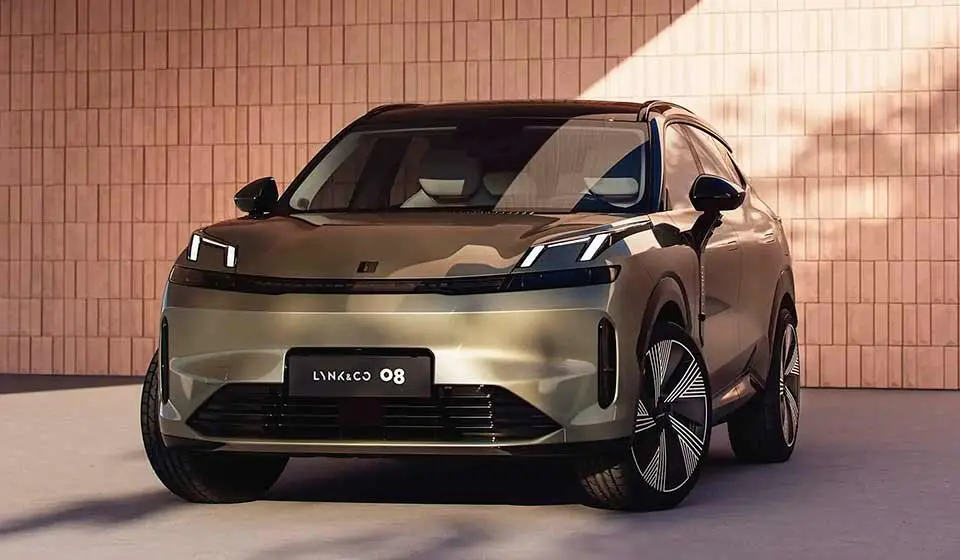
The UK plug-in hybrid market in 2026 is set to become more competitive, with new models arriving across SUVs, saloons and family cars. For British buyers, the key question is not whether a PHEV is technically impressive, but whether it makes sense for your real driving pattern.
The best 2026 plug-in hybrids will be the ones that offer useful electric-only range, easy charging, strong motorway efficiency and enough space for daily life. That is especially relevant in the UK, where buyers still care about running costs, company-car tax, ULEZ compatibility and whether a car is practical without being oversized.
Key points
- 2026 will bring a fresh wave of plug-in hybrids to the UK market.
- Most of the most interesting new PHEVs will be SUVs or family cars rather than small city cars.
- Plug-in hybrids make the most sense for drivers who can charge regularly and mix city with longer journeys.
- The best PHEVs are the ones that give genuine electric commuting without becoming too heavy or complicated.
- UK buyers should compare electric range, boot space, charging speed and real-world fuel economy.
- If your driving is mostly urban and you can charge at home, a small EV may still be the better choice.
New plug-in hybrids to watch
The 2026 PHEV line-up is expected to include a mix of mainstream and premium models, with several manufacturers using plug-in powertrains as a bridge between petrol and full electric mobility. These cars are appealing because they can do short electric journeys while keeping petrol range for longer trips.
| Model | Type | Why it matters in the UK |
|---|---|---|
| New compact SUV PHEVs | Plug-in hybrid | Good all-rounders for family use |
| New saloon PHEVs | Plug-in hybrid | Better for motorway and business driving |
| Updated premium PHEVs | Plug-in hybrid | Strong performance and electric-only commuting |
| Family-focused PHEVs | Plug-in hybrid | Practical if you need space and flexibility |
In my experience, the most convincing plug-in hybrids are the ones that feel like proper electric cars around town but still behave like normal petrol cars on long trips. That balance is what makes them useful for British households.
Best use cases
Plug-in hybrids are not the perfect answer for everyone, but they can be a very smart compromise for the right driver. If you do most of your weekday trips in town and then take regular longer journeys, a PHEV can let you use electricity for daily commuting and petrol for holidays or motorway drives.
| PHEV use case | Why it works |
|---|---|
| Commute and school runs | Short journeys can be handled on electric power |
| Mixed urban and motorway use | Petrol engine removes range anxiety |
| Company car drivers | Often attractive for tax reasons |
| Households with one car | Flexible enough for many roles |
I would recommend a plug-in hybrid only if you have a charging routine and will use the electric side often. If you cannot charge regularly, the value proposition drops sharply.
PHEVs vs EVs
For many UK buyers, the real comparison is not between plug-in hybrid and petrol, but between plug-in hybrid and full electric. EVs are usually simpler to live with, cheaper to run and better suited to short urban trips, while PHEVs offer more flexibility for people who still need petrol range.
| Factor | Plug-in hybrid | Full EV |
|---|---|---|
| Best for | Mixed driving | Mostly city and daily commuting |
| Charging need | Helpful, but not essential for mobility | Important for best value |
| Long trips | Easy because of petrol engine | Depends on battery and charging network |
| Complexity | Higher | Lower |
From my point of view, PHEVs work best as a transitional solution. They are not always the cheapest or simplest option, but they can be ideal if your driving pattern is genuinely mixed.
What UK buyers should check
Before choosing a plug-in hybrid in 2026, UK buyers should look beyond headline power and focus on the things that affect ownership day to day. Electric-only range, charging speed, boot space and insurance costs all matter more than a big combined horsepower figure.
- Check the usable electric range, not just the headline figure.
- Make sure the battery can be charged conveniently at home or at work.
- Look at boot space, because some PHEVs lose practicality to battery packaging.
- Compare company-car tax and running costs if the car is for business use.
- Make sure the car still feels efficient when the battery is empty.
The best PHEVs are the ones that still feel efficient when the plug is not available every day. That is the real test for most UK drivers.
Conclusion
The UK plug-in hybrid market in 2026 will offer more choice, but not every model will suit every driver. If you can charge regularly and want a car that can cover both city driving and longer journeys, a well-chosen PHEV can still be a very sensible solution. If your driving is mostly local and charging is easy, though, a compact EV will often be the better long-term answer.





