
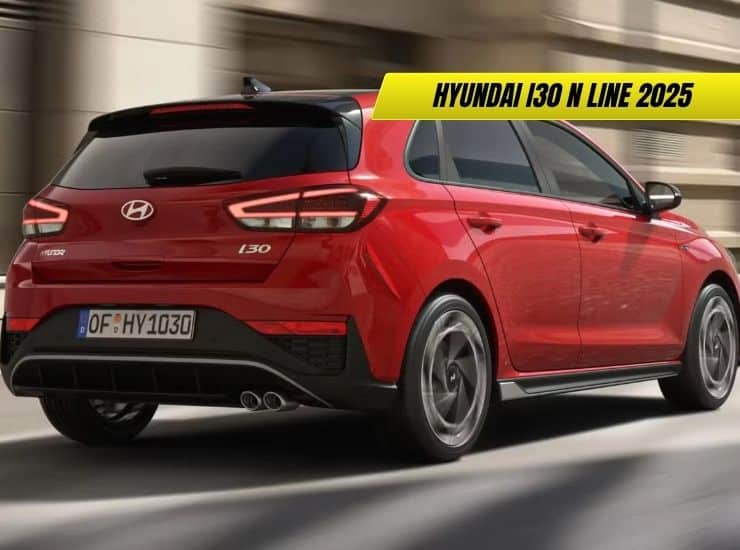
The refreshed Hyundai i30 N Line 2025 combines sporty styling with mild-hybrid efficiency. Our comprehensive review covers pricing, performance, and why it matters for UK buyers.
Something’s been brewing in Hyundai’s design studios, and the result is the most cohesive i30 N Line we’ve seen yet. While the Korean manufacturer has been steadily refining their European offering over the years, this latest refresh feels like the moment everything clicks into place. The question for UK buyers isn’t whether Hyundai has improved the i30 – it’s whether they’ve improved it enough to worry the Golf and Focus of this world.
According to our analysis at AutoHit, the updated i30 N Line represents more than just a mid-cycle refresh. It’s Hyundai’s statement of intent in the increasingly competitive C-segment, where buyers demand both emotional appeal and rational sense. Having tested enough compact hatchbacks to know that most promise more than they deliver, we approached this Korean contender with measured expectations. What we found was genuinely surprising.
The reality of today’s hatchback market is that standing out requires more than just competitive pricing. British buyers want technology that works, build quality that lasts, and – crucially for the N Line – enough personality to justify choosing something different from the established German alternatives.
Key Highlights
• Sharper Design Language: The refreshed exterior features LED headlights as standard, redesigned front grille, and distinctive V-shaped rear light signature that finally gives the i30 some visual drama • Enhanced Interior Quality: Premium soft-touch materials throughout the cabin with improved fit and finish that rivals more expensive competitors • Mild-Hybrid Efficiency: The 1.0-litre T-GDI engine now features 48V mild-hybrid assistance, delivering improved fuel economy while maintaining responsive performance • Advanced Safety Package: Comprehensive suite of ADAS systems including Forward Collision-Avoidance Assist and Lane Following Assist comes as standard across the range • Competitive UK Pricing: Starting from approximately £27,250, positioning it attractively against established rivals while offering superior warranty coverage • Practical Family Focus: Despite the sporty N Line branding, this remains a genuinely practical five-door with 395-litre boot capacity expanding to 1,301 litres
Design Evolution: Finally, Some Drama
Walk up to the new i30 N Line and the first thing that strikes you is how much more purposeful it looks. Hyundai’s designers have clearly been paying attention to criticism that previous generations lacked visual impact. The front end now features a more aggressive grille treatment with distinctive N Line mesh pattern, while the redesigned bumper incorporates larger air intakes that actually serve a functional purpose rather than just looking the part.
The LED headlights – now standard across the range – feature a slimmer profile that gives the car a more premium appearance, especially when paired with the vertical LED daytime running lights. It’s a design language that works particularly well in darker colours, where the contrast between the gloss black trim elements and body paint creates genuine visual drama.
N Line Specific Touches
The N Line treatment extends beyond mere badge engineering. Specific design elements include 18-inch alloy wheels that fill the arches properly, side skirts with metallic inserts, and a rear bumper design that emphasises width rather than height. The overall effect is cohesive – something that couldn’t always be said of previous N Line models.
From a UK perspective, this raises some interesting questions about positioning. The i30 N Line sits in that tricky space between warm hatch and full hot hatch, competing against everything from a well-specced Golf to entry-level performance models. The visual changes certainly help it stand out in a supermarket car park, which matters more than we’d sometimes like to admit.
Interior Transformation: Where The Real Progress Lives
Step inside and the improvements become immediately apparent. The dashboard now features what Hyundai calls ‘premium coating’ – essentially a soft-touch surface that feels significantly more upmarket than the hard plastics of the outgoing model. The central tunnel finished in piano black might attract fingerprints, but it certainly looks the part when clean.
Seat comfort has always been a Hyundai strength, and the i30 N Line continues this tradition with four different upholstery options. The fabric and leather combination strikes a good balance between durability and perceived quality, while the distinctive horizontal stitching pattern adds visual interest without being overly flashy.
Technology Integration Done Right
The star of the interior show is undoubtedly the technology package. The standard 10.25-inch digital instrument cluster is crisp and configurable, while the central infotainment display – 8 inches on base models, 10.25 inches on N Line – responds quickly to inputs and includes over-the-air map updates. This might sound like table stakes in 2025, but you’d be surprised how many manufacturers still struggle with laggy interfaces.
Three USB-C ports ensure everyone stays connected, which is particularly important for families dealing with the reality of multiple devices needing charging simultaneously. The system also includes wireless Apple CarPlay and Android Auto, though we’ve found the wired connection tends to be more reliable for longer journeys.
Powertrain Analysis: Mild-Hybrid Reality Check
Under the bonnet, the i30 N Line features Hyundai’s 1.0-litre T-GDI three-cylinder engine, now enhanced with 48V mild-hybrid assistance. On paper, 100bhp and 172Nm of torque don’t sound particularly exciting, but the reality is more nuanced than the numbers suggest.
The mild-hybrid system provides a helpful boost during acceleration and city driving, smoothing out the inherent characteristics of a small three-cylinder engine. Maximum speed is quoted at 178km/h, while fuel economy figures suggest around 45-50mpg in real-world mixed driving – competitive numbers for a car that doesn’t feel underpowered in normal use.
Transmission Choices and Dynamics
The optional DCT automatic gearbox – fitted to our test vehicle – generally works well, though it can feel hesitant in Eco mode when prioritising efficiency over responsiveness. This is one of those situations where the Normal driving mode makes more sense for everyday use, even if it means accepting slightly higher fuel consumption.
Where the N Line really shows its colours is in the chassis tuning. The suspension is noticeably firmer than standard i30 models, providing better body control through corners without becoming uncomfortable over typical UK road surfaces. It’s not as hardcore as the full i30 N, but there’s enough feedback through the steering wheel to make B-road driving genuinely engaging.
Safety and Driver Assistance: Setting New Standards
Hyundai has equipped the i30 N Line with an impressive array of safety systems as standard. Forward Collision-Avoidance Assist, Lane Following Assist, and Intelligent Speed Limit Assist all come fitted from the factory, representing technology that was optional or unavailable on many competitors until recently.
The Rear Occupant Alert system – which reminds drivers to check rear seats before leaving the vehicle – might seem like an obvious addition, but it’s the sort of thoughtful feature that demonstrates Hyundai’s focus on real-world safety rather than just ticking regulatory boxes.
Optional systems include Highway Driving Assist 1.5, which provides semi-autonomous driving capability on motorways. We’ve tested this technology extensively, and while it works well on major roads, it’s not quite at the level of sophistication offered by premium German manufacturers. For most users, the standard safety package provides excellent value.
Practicality Assessment: Real-World Family Considerations
Despite its sporty pretensions, the i30 N Line remains fundamentally practical. The boot capacity of 395 litres expands to 1,301 litres with rear seats folded – numbers that compare favourably with key rivals and prove adequate for most family needs.
The loading lip sits at 74cm from ground level, which is higher than ideal for heavy items but typical for this class of vehicle. More problematic is the rear window design, which limits visibility when reversing – though the standard parking sensors help mitigate this issue.
Rear passenger space is generous for the class, with enough legroom for adults on shorter journeys and comfortable accommodation for children on longer trips. The door openings are wide enough for easy access, important when dealing with child seats or elderly passengers.
UK Market Context and Pricing Strategy
With pricing starting from approximately £27,250, the i30 N Line positions itself competitively against established rivals while offering Hyundai’s comprehensive five-year warranty – a significant advantage in the UK market where reliability concerns can influence purchase decisions.
The automatic transmission adds roughly £4,350 to the price, bringing our test specification to around £31,600. At this level, buyers are looking at well-specified versions of the Volkswagen Golf or Ford Focus, making the decision more about brand preference and specific feature requirements than outright value.
For UK buyers, several factors work in Hyundai’s favour. The warranty coverage is genuinely industry-leading, dealer network coverage has improved significantly in recent years, and running costs should prove competitive thanks to the mild-hybrid system’s efficiency benefits.
Comparison with Key Rivals
| Feature | Hyundai i30 N Line | VW Golf Life | Ford Focus ST-Line |
|---|---|---|---|
| Starting Price | £27,250 | £28,800 | £26,995 |
| Engine Options | 1.0 T-GDI Mild-Hybrid | 1.0 TSI / 1.5 TSI | 1.0 EcoBoost Mild-Hybrid |
| Power Output | 100bhp | 110bhp / 150bhp | 125bhp |
| Warranty | 5 years | 3 years | 3 years |
| Boot Space | 395 litres | 381 litres | 375 litres |
| Our Take | Best warranty and value package | Premium feel, higher price | Sporty dynamics, limited practicality |
Living With the i30 N Line: The Daily Reality
After spending considerable time with the i30 N Line, several impressions solidify into firm opinions. The car feels more cohesive than previous generations – the styling, interior quality, and driving dynamics finally working together rather than pulling in different directions.
City driving reveals the mild-hybrid system’s benefits most clearly. The electric assistance smooths power delivery at low speeds while reducing fuel consumption in stop-start traffic. It’s not a revolutionary change, but it makes the small three-cylinder engine feel more refined than equivalent non-hybrid units.
On longer motorway journeys, the i30 N Line settles into a comfortable cruise, though wind noise becomes noticeable above 70mph. The automatic gearbox works well at steady speeds, though overtaking requires more planning than you might expect from a turbocharged engine.
Technology Deep Dive: Where Hyundai Excels
The infotainment system deserves particular praise for its intuitive operation. Unlike some manufacturers who seem determined to hide basic functions behind multiple menu layers, Hyundai has maintained physical controls for climate functions while integrating smartphone connectivity seamlessly.
The over-the-air update capability for navigation maps represents genuine added value, particularly given how quickly road networks change. We’ve seen too many cars with outdated navigation systems that owners simply abandon in favour of smartphone apps.
Driver assistance systems work unobtrusively when properly calibrated, though the lane-keeping assist can feel overly aggressive on narrow UK roads. Fortunately, these systems remember your preferences between journeys, reducing the need for constant adjustment.
What Could Be Better: Honest Assessment
No car is perfect, and the i30 N Line has several areas where improvement would be welcome. The automatic gearbox, while generally competent, lacks the refinement of the best dual-clutch systems. In Eco mode particularly, it can feel hesitant when decisive action is needed for overtaking or merging.
Rear visibility remains compromised by the styling, and while parking sensors help, the issue becomes noticeable when manoeuvring in tight spaces. The interior, despite improvements, still lacks the perceived quality of the very best German alternatives.
Performance enthusiasts might find the 1.0-litre engine adequate rather than exciting. While the mild-hybrid assistance helps, there’s no substitute for displacement when you need genuinely strong acceleration.
Frequently Asked Questions
How does the mild-hybrid system actually work in practice? The 48V system provides electric assistance during acceleration and helps smooth the engine’s operation at low speeds. In real-world driving, you’ll notice smoother power delivery and marginally better fuel economy – we achieved around 47mpg in mixed conditions, which compares favourably with non-hybrid alternatives.
Is the N Line worth the premium over standard i30 models? For most buyers, yes. The styling improvements alone justify the difference, while the enhanced interior materials and firmer suspension setup provide tangible benefits. The 18-inch wheels do impact ride comfort slightly, but not to a problematic degree on typical UK roads.
How does warranty coverage compare with established rivals? Hyundai’s five-year unlimited mileage warranty significantly exceeds the three-year coverage offered by most European manufacturers. This provides genuine peace of mind and can positively impact resale values, particularly important in the current uncertain economic climate.
What’s the realistic fuel economy for UK driving conditions? Based on our testing, expect 42-48mpg in mixed driving, rising to 50-55mpg on longer motorway journeys. City driving yields around 38-42mpg, depending on traffic conditions and driving style. These figures represent real-world performance rather than optimistic manufacturer claims.
Should I choose manual or automatic transmission? The DCT automatic adds convenience and works well in most situations, but the manual gearbox offers better engagement for keen drivers while saving money. If you frequently drive in heavy traffic or prefer relaxed driving, the automatic makes sense. For maximum driver involvement, stick with the manual.
How does rear passenger space compare with key rivals? The i30 offers competitive rear legroom for the class – similar to the Golf and superior to the Focus. Three adults across the rear bench would be tight, but two passengers travel in genuine comfort. Child seat installation is straightforward thanks to wide door openings.
What about long-term reliability concerns? Hyundai’s reliability record has improved dramatically over the past decade, and the comprehensive warranty coverage provides protection against unexpected issues. The mild-hybrid system uses proven technology rather than cutting-edge components, suggesting good long-term prospects.
The AutoHit Verdict: Surprising Maturity
The refreshed Hyundai i30 N Line represents the culmination of years of steady improvement from the Korean manufacturer. While it might not revolutionise the compact hatchback segment, it offers a compelling blend of style, practicality, and value that deserves serious consideration from UK buyers.
Our verdict after examining the specifications and spending time behind the wheel is that Hyundai has finally created an i30 that can compete on emotional appeal rather than just rational arguments. The styling improvements give it genuine road presence, while the enhanced interior quality addresses previous criticisms about perceived value.
The mild-hybrid powertrain strikes a sensible balance between efficiency and performance, though those seeking genuine excitement might want to consider the full i30 N or look elsewhere entirely. For most buyers prioritising practical transportation with a dash of style, the N Line hits the target effectively.
At £27,250 to start, with our test specification reaching £31,600, the i30 N Line positions itself competitively against established rivals while offering superior warranty coverage and competitive running costs. In a segment where differences between competitors are often marginal, these practical advantages could prove decisive.
The Korean manufacturer has created a genuinely well-rounded package that addresses most buyer priorities without any glaring weaknesses. While it might not be the most exciting choice in the segment, it’s arguably the most sensible – and sometimes, that’s exactly what matters most.





