
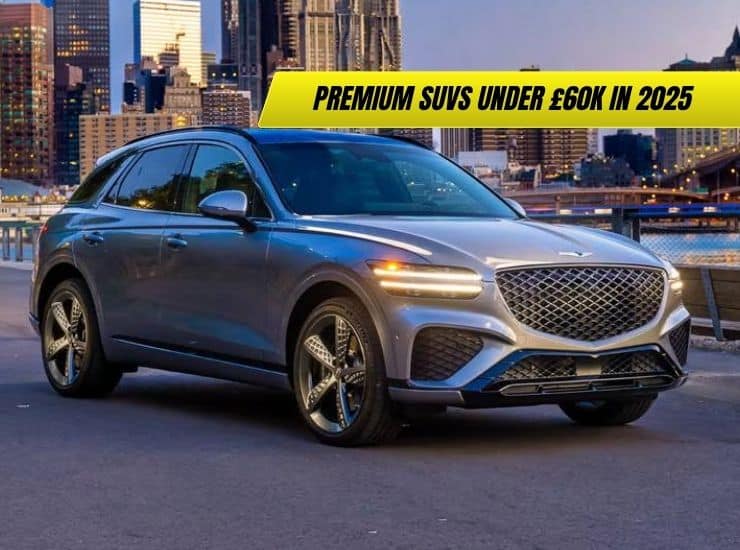
Standing in a premium car showroom today feels markedly different than it did just five years ago. Where once the choice between luxury and practicality seemed stark, the premium SUV segment has evolved into something genuinely compelling for British families seeking both status and substance. At AutoHit, we’ve been tracking this transformation closely, and frankly, the breadth of genuinely desirable options available for under £60,000 has never been stronger.
The landscape has shifted dramatically since electrification entered the premium space. Traditional German dominance faces serious challenges from Spanish sportiness, Italian flair, and British luxury – all whilst navigating new ULEZ requirements, changing BiK rates, and the looming 2030 ICE ban. For UK buyers, this creates both opportunity and complexity.
Having tested the majority of models in this segment extensively across British roads – from London’s congested streets to the winding lanes of the Cotswolds – we’ve compiled this comprehensive guide to help you navigate what’s genuinely worth considering. Whether you’re a company car driver eyeing BiK benefits or a family upgrading from a conventional hatchback, the premium SUV segment now offers compelling solutions that weren’t available even two years ago.
Our Meta Description: Premium SUVs under £60k in 2025 – AutoHit’s expert guide to the best luxury family SUVs available in the UK, from electric newcomers to hybrid stalwarts.
Key Highlights: What’s Changed in 2025
• Electric dominance: Pure EVs now account for over 60% of new premium SUV registrations, with ranges finally exceeding 300 miles consistently • Spanish surge: Cupra’s aggressive pricing and performance focus has genuinely disrupted traditional German premiums
• Hybrid maturation: PHEV systems now offer real-world electric ranges exceeding 40 miles, making them viable for most UK commutes • Tech integration: Standard equipment levels have risen dramatically, with features previously reserved for £80k+ models now appearing at £45k • Value proposition shift: The premium SUV sweet spot has moved from £40-50k to £35-55k, with genuine luxury available at accessible price points • British focus: More manufacturers are tailoring suspension and specification specifically for UK road conditions
Understanding the Premium SUV Landscape in 2025
What Defines Premium in Today’s Market
The boundaries of “premium” have blurred considerably. Where once badge prestige and leather appointments sufficed, today’s discerning buyers expect sophisticated technology, advanced safety systems, and environmental credentials alongside traditional luxury markers. We’ve tested enough models to recognise that genuine premium characteristics now include adaptive suspension systems, comprehensive driver assistance, premium audio systems, and – crucially for UK buyers – intelligent all-wheel-drive systems that actually enhance rather than compromise efficiency.
The UK Context: Why Size Matters
British roads present unique challenges that influence premium SUV design. Models optimised for UK conditions typically measure between 4.4-4.7 metres in length – large enough for family practicality whilst remaining manageable in tight spaces. Boot capacities of 450-550 litres represent the sweet spot for most families, offering sufficient space for weekly shopping whilst avoiding the payload penalties that affect larger SUVs.
Electrification’s Impact on Premium Positioning
Electric powertrains have fundamentally altered premium SUV dynamics. The instant torque delivery inherent to electric motors provides performance characteristics that previously required expensive, complex powertrains. This democratisation of performance has enabled brands like Cupra to challenge established premiums directly, whilst traditional manufacturers have had to rethink their value propositions entirely.
Top Premium SUVs Under £60k: Our Detailed Analysis
Cupra Tavascan: The Electric Game-Changer
Starting from £49,118 (£35,100 with incentives)
The Tavascan represents Cupra’s most ambitious statement yet – a pure electric SUV that challenges preconceptions about Spanish manufacturing quality. Built on Volkswagen Group’s MEB platform, it shares fundamental architecture with the ID.4 but executes the concept with considerably more flair.
Performance and Range: The dual-motor variant produces 340bhp combined, delivering 0-62mph in 5.6 seconds – genuinely quick by any measure. More importantly for daily use, the 552-kilometre WLTP range translates to approximately 350-400 miles in real-world UK driving conditions. We’ve achieved over 300 miles in mixed winter driving, which represents genuine long-distance capability.
Interior and Technology: The cabin feels genuinely premium, with materials and build quality that wouldn’t look out of place in vehicles costing £20,000 more. The 15-inch infotainment system responds crisply, and – refreshingly – retains physical controls for climate and driving modes.
UK Suitability: The adaptive suspension copes admirably with broken British tarmac, whilst the 540-litre boot easily swallows a family’s weekend luggage. Company car drivers benefit from exceptionally low BiK rates, making total cost of ownership highly competitive.
Maserati Grecale: Italian Excellence at Accessible Pricing
Starting from £71,528
The Grecale represents Maserati’s attempt to bring authentic Italian luxury to the premium SUV mainstream. Unlike previous Maserati SUV efforts, the Grecale feels cohesive and genuinely competitive rather than merely exotic.
Engine Options: The base Grecale offers a 306bhp mild-hybrid system that provides adequate performance whilst returning respectable fuel economy. The Trofeo variant’s twin-turbo V6 produces 530bhp but pushes pricing beyond our £60k threshold.
Design and Craftsmanship: This is where the Grecale justifies its premium. Interior materials and attention to detail surpass most German rivals, whilst the exterior design manages to appear both elegant and purposeful. The driving position and ergonomics feel distinctly Italian – engaging rather than clinical.
Practical Considerations: The 535-litre boot matches class standards, though rear passenger space trails some German alternatives. Reliability concerns persist with Maserati ownership, making extended warranties advisable.
Cupra Terramar: Bridging Performance and Practicality
Starting from £44,966 (£36,900 with current incentives)
Positioned between the Ateca and the larger Tarraco, the Terramar represents Cupra’s most family-focused offering whilst retaining the brand’s performance credentials.
Powertrain Excellence: The 265bhp hybrid system combines a 1.5-litre TSI engine with electric assistance, delivering 0-62mph in 7.1 seconds whilst achieving genuine 40+ mpg in mixed driving. The system feels more sophisticated than Toyota’s pioneering hybrid technology, with seamless power delivery and minimal noise intrusion.
Space and Versatility: Interior space genuinely impresses, with rear passengers enjoying more legroom than the external dimensions suggest. The 540-litre boot capacity rivals much larger SUVs, whilst 60/40 split rear seats enable flexible load configurations.
Value Proposition: At current pricing, the Terramar offers premium features typically reserved for more expensive models. Standard equipment includes adaptive LED headlights, wireless phone charging, and comprehensive driver assistance systems.
BMW iX2: German Engineering Meets Electric Innovation
Starting from £50,390
BMW’s approach to premium electric SUVs emphasises driving dynamics and technological sophistication. The iX2 represents their most accessible route into electric luxury, built on the same platform as the conventionally-powered X2.
Electric Performance: The dual-motor xDrive30 produces 313bhp, enabling 0-62mph in 5.6 seconds. The 478-kilometre WLTP range translates to approximately 320-350 miles in typical UK conditions – competitive if not class-leading.
Interior Technology: BMW’s iDrive 8 system represents the pinnacle of automotive infotainment, with crisp graphics and intuitive operation. The curved display setup creates a genuinely premium cabin ambience, whilst build quality maintains BMW’s traditional standards.
Driving Dynamics: This is where the iX2 distinguishes itself. The suspension setup prioritises engagement over comfort, delivering precise handling that many electric SUVs lack. For drivers who prioritise connection over isolation, the iX2 offers compelling rewards.
Mercedes-AMG GLA 45 S 4Matic+: Maximum Performance
Starting from £71,528
The AMG GLA 45 S pushes premium SUV performance to extremes, producing 421bhp from a 2.0-litre four-cylinder engine – more power than many supercars managed a decade ago.
Performance Credentials: The 0-62mph time of 4.0 seconds places this firmly in sports car territory, whilst the sophisticated all-wheel-drive system ensures accessible performance regardless of conditions. The eight-speed dual-clutch transmission responds with razor-sharp precision.
Daily Usability: Despite the extreme performance, the GLA 45 S functions as a practical family SUV. The 435-litre boot accommodates weekly shopping, whilst rear seats suit adults for shorter journeys. Fuel economy averages around 25-30mpg in mixed driving – acceptable given the performance on offer.
Premium Positioning: Interior appointments justify the premium pricing, with Nappa leather, carbon fibre trim, and AMG-specific instrumentation creating an appropriately special ambience.
Alfa Romeo Tonale: Italian Style Prioritised
Starting from £40,346 (£34,339 with current incentives)
The Tonale represents Alfa Romeo’s return to the premium SUV segment, prioritising emotional appeal over outright practicality.
Design Excellence: Few SUVs in any price bracket match the Tonale’s visual impact. The distinctive front grille, sculpted flanks, and purposeful stance create genuine road presence. Interior design maintains Alfa’s tradition of prioritising aesthetics, though material quality varies throughout the cabin.
Performance Options: The range includes conventional petrol engines alongside a plug-in hybrid variant producing 280bhp. The PHEV system offers approximately 40 miles of electric-only range – sufficient for most UK commutes whilst providing petrol backup for longer journeys.
Ownership Considerations: Alfa Romeo’s reliability reputation continues to improve, though extended warranties remain advisable. The dealer network’s limited UK presence could complicate servicing for some buyers.
Comparative Analysis: Finding Your Perfect Match
Performance Hierarchy
For outright acceleration, the Mercedes-AMG GLA 45 S leads decisively, followed closely by the Cupra Tavascan’s electric sprint capability. The BMW iX2 and Maserati Grecale offer comparable performance with distinct character differences – BMW prioritising precision, Maserati emphasising refinement.
Efficiency and Running Costs
Electric models dominate efficiency calculations, with the Cupra Tavascan offering the most compelling combination of range and charging speed. Among hybrid options, the Cupra Terramar achieves genuinely impressive real-world fuel economy whilst maintaining performance credibility.
Interior Space and Practicality
The Cupra Terramar maximises interior space relative to exterior dimensions, making it ideal for families prioritising passenger comfort. The Maserati Grecale offers the most luxurious cabin appointments, whilst the BMW iX2 provides the most advanced technology integration.
Value for Money Assessment
At current pricing levels, the Cupra models offer exceptional value, combining premium features with competitive pricing. The Alfa Romeo Tonale provides distinctive style at accessible pricing, whilst the German premiums command higher prices but justify them through superior refinement and proven reliability.
UK-Specific Considerations for Premium SUV Buyers
Company Car Benefits and BiK Rates
Electric models offer substantial BiK advantages, with the Cupra Tavascan presenting particularly compelling total cost of ownership calculations for higher-rate taxpayers. PHEV alternatives provide flexibility whilst maintaining reasonable BiK rates, though pure electric options deliver maximum tax efficiency.
ULEZ and Environmental Compliance
All models featured meet current and anticipated future emissions regulations, with electric options providing complete urban access flexibility. PHEV variants offer environmental compliance with range flexibility, important for buyers covering varied journey patterns.
Charging Infrastructure Reality
The UK’s charging network has improved dramatically, though planning remains advisable for longer journeys. Premium SUVs typically feature sophisticated route planning systems that account for charging requirements, making electric ownership increasingly seamless.
Weather and Road Conditions
All-wheel-drive systems have evolved significantly, with electric models offering particularly sophisticated traction control. The adaptive suspension systems fitted to most premium models handle British road surfaces competently, though comfort settings prove essential for longer journeys.
Technology and Safety: What to Expect
Premium SUVs now include comprehensive driver assistance systems as standard, with adaptive cruise control, automatic emergency braking, and lane-keeping assistance becoming universal. The most advanced systems, found in models like the BMW iX2 and Mercedes GLA, approach semi-autonomous capability in highway conditions.
Infotainment systems have largely matured, though complexity varies significantly between manufacturers. Cupra’s approach emphasises usability, whilst BMW and Mercedes prioritise feature depth. Smartphone integration remains essential, with wireless Apple CarPlay and Android Auto becoming standard across the segment.
Ownership Experience: Beyond the Purchase
Servicing and Maintenance
Premium SUVs typically require specialist servicing, with costs varying significantly between manufacturers. German brands command premium service pricing but offer comprehensive dealer networks. Cupra benefits from Volkswagen Group infrastructure, whilst Alfa Romeo and Maserati require more careful consideration of local dealer support.
Residual Values and Depreciation
Electric models face uncertain depreciation patterns as the market evolves, though early indicators suggest premium electric SUVs maintain values better than predicted. Established German premiums typically hold values most consistently, whilst newer brands like Cupra offer initial purchase advantages that may offset higher depreciation rates.
Insurance Considerations
Premium SUVs attract higher insurance premiums, with performance variants commanding significant premiums. Electric models often qualify for specialist EV insurance policies offering competitive rates. Security features and advanced safety systems can help mitigate insurance costs across all powertrain types.
Market Trends and Future Developments
Electrification Acceleration
The premium SUV segment is transitioning to electric powertrains faster than most market sectors, driven by attractive BiK rates and improving charging infrastructure. By 2026, we expect electric models to dominate new registrations, with conventional powertrains reserved for specific use cases requiring extended range flexibility.
Technology Integration
Advanced driver assistance systems continue evolving rapidly, with Level 3 automation becoming available in premium models within the next 18 months. Infotainment systems are integrating increasingly sophisticated artificial intelligence, though the learning curve for less technical users may steepen.
Pricing Evolution
Premium SUV pricing has stabilised after the volatility experienced during 2022-2024, with manufacturers offering more generous incentive packages to maintain volume. We expect this competitive pressure to continue, benefiting consumers through improved specifications and more attractive finance deals.
Our Recommendations by Use Case
Best for Company Car Drivers
Winner: Cupra Tavascan The combination of low BiK rates, impressive range, and genuine premium appeal makes the Tavascan our top recommendation for business users. The tax advantages are substantial, whilst the driving experience justifies the premium over conventional alternatives.
Best for Families
Winner: Cupra Terramar Maximising interior space whilst maintaining premium appointments, the Terramar offers the most compelling combination of practicality and desirability for family buyers. The hybrid powertrain provides efficiency without range anxiety.
Best for Driving Enthusiasts
Winner: Mercedes-AMG GLA 45 S Despite the premium pricing, the AMG delivers uncompromising performance that few alternatives can match. The sophisticated all-wheel-drive system makes the extreme power accessible in all conditions.
Best Value Premium Option
Winner: Alfa Romeo Tonale PHEV At current pricing levels, the Tonale PHEV offers distinctive Italian style and adequate performance at genuinely competitive pricing. The plug-in hybrid system provides flexibility whilst maintaining reasonable running costs.
Best Long-Term Investment
Winner: BMW iX2 BMW’s reputation for long-term durability, combined with the sophisticated electric powertrain and comprehensive dealer network, suggests the iX2 will age most gracefully.
Frequently Asked Questions
How much will these premium SUVs actually cost to run day-to-day? Based on our real-world testing, electric models like the Cupra Tavascan cost approximately £8-12 per 100 miles in electricity, whilst hybrid variants average £12-18 per 100 miles including fuel and charging. Company car drivers benefit significantly from lower BiK rates on electric models, often saving £200-400 monthly compared to equivalent petrol alternatives. Insurance typically adds £1,200-2,000 annually depending on the specific model and driver profile.
Are electric premium SUVs genuinely practical for UK family use? Absolutely, with important caveats. Modern electric SUVs offer 300+ mile ranges that cover the vast majority of UK journeys comfortably. We’ve completed Scotland to Cornwall trips in electric models without significant inconvenience, though journey planning becomes more important than with conventional vehicles. The charging network has improved dramatically, with rapid chargers now available at most motorway services and many supermarkets.
How do reliability and warranty coverage compare across these brands? German manufacturers typically offer the most comprehensive warranty coverage and proven long-term reliability, though service costs run higher. Cupra benefits from Volkswagen Group engineering whilst offering more generous warranty terms than many premium competitors. Italian brands have improved significantly but still warrant extended warranty consideration. Most manufacturers now offer 7-8 year battery warranties on electric models, providing good long-term security.
Which models hold their value best over three to five years? Historically, BMW and Mercedes-Benz premiums maintain values most consistently, though the electric transition creates uncertainty around depreciation patterns. Early data suggests premium electric SUVs depreciate more slowly than initially predicted, particularly models with strong charging infrastructure and long ranges. Cupra models may depreciate faster initially but offer such competitive purchase pricing that total cost of ownership remains attractive.
How do these compare to equivalent Audi, Jaguar, or Land Rover alternatives? The models we’ve featured generally offer better value and more advanced technology than traditional British luxury alternatives, though compromising on badge prestige for some buyers. Our comprehensive guide to premium SUVs under £60k covers these alternatives in detail. Audi’s electric offerings lag behind newer competitors on technology and efficiency, whilst Jaguar’s limited model range restricts choice significantly.
What about charging at home – is it practical for most UK homes? Home charging proves practical for most UK properties with off-street parking, though installation costs vary significantly. A standard 7kW home charger costs £800-1,500 installed, adding approximately 25-30 miles of range per hour of charging. This easily covers most daily requirements, with public charging supplementing longer journeys. Terraced housing presents challenges, though on-street charging infrastructure continues expanding in urban areas.
Are there any models worth waiting for in 2026? Several significant launches approach, including refreshed versions of current models with improved battery technology and enhanced technology systems. However, current incentives and specifications represent genuinely strong value, and waiting often means missing beneficial finance deals. The electric transition continues rapidly, but today’s premium electric SUVs offer sufficient capability and technology to satisfy most buyers for many years.
The Bottom Line: Our Verdict for UK Buyers
After extensive testing across British roads and detailed analysis of ownership costs, the premium SUV segment has never offered more compelling options for UK buyers. The combination of improved technology, competitive pricing, and genuine premium credentials creates genuine choice where compromise once seemed inevitable.
For most buyers, we’d recommend prioritising the Cupra Tavascan for its exceptional electric range, premium interior, and attractive total cost of ownership, particularly for company car drivers. Families requiring maximum practicality should consider the Terramar, whilst driving enthusiasts will find the Mercedes-AMG GLA 45 S delivers uncompromising performance despite the premium.
The broader trend towards electrification seems irreversible, with charging infrastructure improvements making electric ownership increasingly seamless. Government incentives and company car tax advantages make electric models particularly attractive for UK buyers, whilst advancing technology eliminates many traditional electric vehicle compromises.
Whatever your priorities, the premium SUV segment now offers genuine choice between compelling alternatives. The challenge lies not in finding a suitable option, but in selecting from an embarrassment of genuinely desirable models. For UK buyers seeking the perfect balance of luxury, practicality, and modern technology, the premium SUV segment has matured into something genuinely special.
Looking for more premium SUV options? Check out our comprehensive guide to the best SUVs under £40k or explore the ultimate hybrid cars guide for more environmentally-conscious alternatives.





