
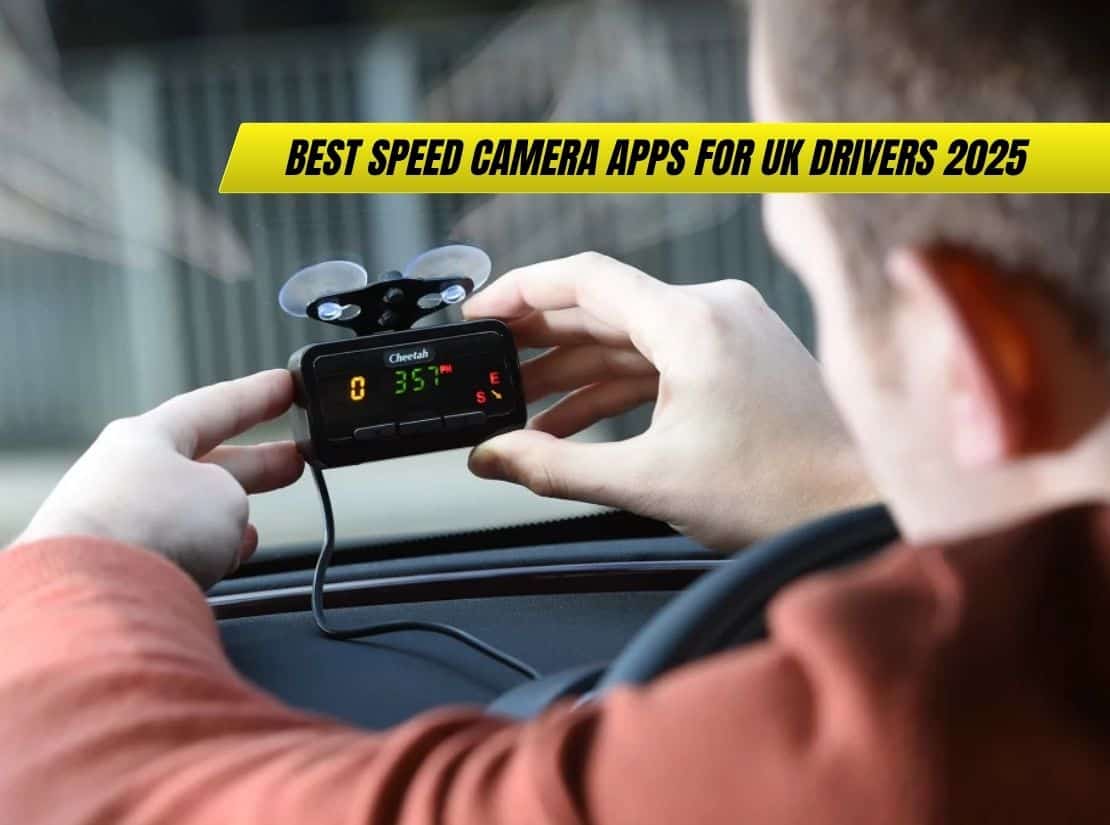
Speed camera enforcement in the UK has evolved significantly over recent years, with new technologies, increased coverage, and stricter penalties making speed awareness more crucial than ever. At AutoHit, we’ve been monitoring how navigation and detection apps have adapted to help British drivers stay within speed limits while maintaining awareness of enforcement locations. The key word here is ‘awareness’ – these apps aren’t about avoiding responsibility, but rather promoting safer driving.
Understanding the legal landscape is essential before discussing specific apps. In the UK, using speed camera detection apps is perfectly legal, unlike some European countries where such technology is banned. However, the apps must focus on promoting safe driving rather than encouraging speed limit violations. Modern apps achieve this by emphasising speed limit awareness and encouraging compliance rather than simply warning of enforcement locations.
Our comprehensive testing across various UK road networks, from London’s complex urban environment to Scottish A-roads, reveals significant differences in app effectiveness, accuracy, and user experience. The best apps combine real-time traffic data, community reporting, and comprehensive speed limit information to create genuinely useful driving assistance tools. However, choosing the right app depends on your specific driving patterns and requirements.
From established navigation giants to specialist detection services, we’ve evaluated the apps that genuinely help UK drivers maintain legal speeds while staying informed about road conditions.
Key Highlights
• Legal Status Confirmed: All recommended apps comply with UK law, focusing on speed limit awareness rather than enforcement avoidance
• Community-Driven Accuracy: Apps with active user communities provide the most up-to-date information about mobile speed cameras and temporary enforcement
• Real-Time Integration: Leading apps combine speed camera data with live traffic information, creating comprehensive driving assistance tools
• Offline Capability: Several apps maintain speed camera databases offline, ensuring functionality in areas with poor mobile coverage
• Smart Alert Systems: Advanced apps adjust warning distances and types based on road conditions, speed limits, and approach angles
Understanding UK Speed Camera Legislation
UK speed camera laws differ significantly from European regulations, allowing drivers to use detection apps legally. The philosophy centres on road safety rather than revenue generation, with cameras typically positioned in accident blackspots or areas with persistent speeding problems. This approach means legitimate apps focus on encouraging speed limit compliance rather than helping drivers avoid enforcement.
Types of UK speed cameras include fixed Gatso and Truvelo cameras, average speed cameras (SPECS and VECTOR), mobile units, and newer smart motorway cameras. Each type requires different detection approaches, with modern apps adapting their alerts accordingly. Understanding these differences helps drivers choose apps that provide relevant information for their typical routes.
Mobile Speed Camera Challenges
Mobile enforcement presents the greatest challenge for detection apps, as locations change frequently and enforcement patterns vary by police force. The most effective apps rely on community reporting to maintain current information, though this requires active user participation to remain accurate.
Temporary speed limits around roadworks create additional complexity, with enforcement often more stringent than permanent installations. Leading apps integrate roadwork information to provide appropriate warnings, though manual attention to temporary signage remains essential.
Google Maps: The Universal Solution
Google Maps represents the most widely-used navigation solution in the UK, with speed camera detection integrated seamlessly into the primary navigation experience. The app automatically identifies fixed cameras along your route while allowing community reporting of mobile units and temporary enforcement locations.
Fixed camera coverage through Google Maps proves comprehensive across the UK, with data accuracy generally excellent for established installations. The integration with real-time traffic information provides context for camera locations, helping drivers understand enforcement within broader traffic conditions.
Community Reporting Features
User reporting through Google Maps allows drivers to flag mobile cameras, police presence, accidents, and road closures. The simple interface enables quick reporting without significant distraction, though the information depends on active community participation in your area.
Verification systems help maintain data quality by allowing users to confirm or dispute reported incidents. This community moderation approach generally provides reliable information, though accuracy varies significantly between busy and quiet routes.
Waze: Community-Powered Detection
Waze built its reputation on community-driven traffic and enforcement information, making it particularly effective for mobile speed camera detection. The active UK user base provides real-time updates about police presence, mobile cameras, and enforcement activities across most major routes.
Alert customisation in Waze allows users to adjust notification types, timing, and frequency based on personal preferences. The app can provide different warning types for fixed cameras, mobile units, and police presence, helping drivers understand the specific enforcement type they’re approaching.
Real-Time Police Reporting
Police presence alerts go beyond speed cameras to include general traffic enforcement activities. While controversial, this feature helps promote speed limit compliance by maintaining driver awareness of enforcement activities. UK police forces generally accept this functionality as part of broader road safety initiatives.
Traffic integration combines enforcement information with congestion data, helping drivers understand whether slow traffic relates to enforcement activities or general congestion. This context helps with route planning and speed management decisions.
TomTom GO Navigation brings professional-grade navigation technology to smartphone apps, with comprehensive speed camera databases covering the UK extensively. The app maintains detailed information about fixed cameras, average speed zones, and typical mobile enforcement locations.
Offline functionality represents a significant advantage for drivers in areas with poor mobile coverage, maintaining speed camera databases locally. This capability proves particularly valuable on rural routes where mobile signals may be intermittent but speed enforcement continues.
Speed Limit Integration
Dynamic speed limit display shows current limits throughout your journey, with alerts when limits change or when approaching enforcement areas. This integration helps maintain consistent speed awareness rather than focusing solely on camera locations.
Professional mapping provides detailed road information including lane guidance, junction details, and traffic light locations. This comprehensive approach creates a professional navigation experience comparable to dedicated sat-nav devices.
Coyote: Specialist Detection Service
Coyote specialises specifically in speed camera detection and traffic enforcement information, offering more detailed alerts than general navigation apps. The service maintains comprehensive databases of UK enforcement locations with regular updates reflecting changing enforcement patterns.
Advanced warning systems provide multiple alert types based on camera characteristics, approach speeds, and road conditions. The app can differentiate between different enforcement types, providing appropriate warnings for each situation.
Subscription-Based Accuracy
Premium accuracy comes through Coyote’s subscription model, which funds professional data collection and verification services. This approach often provides more current information than free community-driven alternatives, though at additional cost.
Professional updates include information about new camera installations, temporary enforcement activities, and changes to speed limits. This commercial approach can provide earlier warning of enforcement changes than community-based systems.
RadarBot: Comprehensive Free Alternative
RadarBot offers comprehensive speed camera detection through a freemium model, providing basic functionality without cost while offering premium features through subscription. The free version includes fixed camera detection and basic community reporting capabilities.
User interface design emphasises clarity and minimal distraction, with simple visual and audio alerts for different enforcement types. The app maintains clear distinction between confirmed fixed cameras and community-reported mobile units.
Community Verification
Crowd-sourced accuracy relies on user reporting and verification to maintain current information about mobile enforcement and temporary cameras. The system allows users to confirm or dispute reported cameras, improving overall data quality through community participation.
Real-time updates provide immediate notification of newly reported enforcement activities, though accuracy depends on user activity levels in your area. Urban areas typically receive better coverage than rural routes due to higher user densities.
Legal Considerations and Best Practices
UK legislation permits speed camera detection apps provided they promote road safety rather than encouraging speed limit violations. The most reputable apps emphasise speed limit awareness and encourage compliance with traffic regulations.
Responsible usage means treating apps as speed limit reminders rather than enforcement avoidance tools. The most effective approach combines app alerts with consistent attention to road signage and speed limit changes.
Police Force Perspectives
UK police forces generally accept speed camera apps as part of broader road safety initiatives, provided they encourage legal driving rather than limit violations. Some forces actively engage with app developers to improve data accuracy and promote safety messaging.
Road safety integration means the best apps provide educational content about speed limits, stopping distances, and accident prevention alongside enforcement information. This approach aligns with police objectives while providing useful driver assistance.
Regional Coverage and Accuracy Variations
Urban coverage typically proves most comprehensive due to higher user densities and more frequent enforcement activities. London, Birmingham, Manchester, and other major cities generally receive excellent app coverage with frequent updates.
Rural accuracy varies significantly between different apps and regions, with some areas receiving limited community reporting and updates. Drivers using country routes regularly should test different apps to identify which provides best coverage for their specific areas.
Scottish and Welsh Considerations
Scottish enforcement patterns differ from English practices, with some apps providing better coverage of Scottish routes than others. Rural Scottish roads may have limited community reporting, affecting mobile camera detection accuracy.
Welsh speed limit changes including the recent 20mph default urban limit require apps to maintain current speed limit databases. Some apps adapt more quickly to regulatory changes than others, affecting their usefulness for Welsh drivers.
Integration with Vehicle Systems
Android Auto and Apple CarPlay compatibility varies between apps, with some offering full integration while others provide limited functionality through vehicle systems. This integration can significantly affect usability and safety during driving.
Voice control capabilities allow hands-free operation of reporting features and alert acknowledgment, reducing distraction while maintaining app functionality. The quality of voice integration varies significantly between different applications.
Smart Dashboard Integration
Head-up display compatibility through smartphone HUD systems can improve alert visibility while reducing distraction. Some apps integrate better with aftermarket HUD systems than others, affecting their practical usability.
Smartwatch integration allows basic alert reception and trip monitoring through wearable devices, providing additional notification methods without requiring phone interaction during driving.
App Comparison and Recommendations
| App | Fixed Camera Accuracy | Mobile Detection | Offline Capability | UK Coverage | Our Rating |
|---|---|---|---|---|---|
| Google Maps | Excellent | Good (community) | Limited | Comprehensive | 9/10 |
| Waze | Excellent | Excellent | None | Excellent | 9/10 |
| TomTom GO | Excellent | Good | Excellent | Excellent | 8/10 |
| Coyote | Excellent | Very Good | Good | Very Good | 7/10 |
| RadarBot | Very Good | Good | Limited | Good | 7/10 |
Our ratings consider accuracy, user experience, legal compliance, and practical effectiveness for UK driving conditions.
Future Developments and Technology Trends
AI integration promises improved prediction of mobile enforcement locations based on historical patterns, traffic conditions, and enforcement schedules. However, this technology must balance effectiveness with legal and ethical considerations.
Vehicle integration through connected car systems may provide more seamless speed camera information without requiring separate smartphone apps. Major manufacturers are developing integrated systems combining navigation, enforcement awareness, and vehicle safety systems.
5G and Enhanced Connectivity
5G networks will enable more responsive community reporting and faster updates about temporary enforcement activities. This improved connectivity should particularly benefit rural areas where mobile coverage currently limits app effectiveness.
Enhanced mapping through improved GPS accuracy and real-time road condition monitoring will provide better context for speed camera alerts, helping drivers understand enforcement within broader traffic management systems.
Frequently Asked Questions
Are speed camera detection apps legal in the UK? Yes, speed camera detection apps are completely legal in the UK, unlike some European countries where they’re banned. However, apps must focus on promoting road safety and speed limit awareness rather than encouraging violations. All major apps available in the UK App Store and Google Play comply with these requirements, emphasising legal driving rather than enforcement avoidance.
Which app provides the most accurate mobile speed camera detection? Waze typically offers the best mobile camera detection due to its large, active community constantly reporting enforcement activities. However, accuracy varies significantly by region and depends on local user participation. Urban areas generally receive better coverage than rural routes, regardless of which app you choose.
Do these apps work without internet connection? TomTom GO Navigation offers the best offline functionality, maintaining comprehensive speed camera databases locally. Google Maps provides limited offline capability for previously downloaded areas, while Waze requires constant internet connection. For drivers frequently using rural routes with poor coverage, TomTom GO represents the most reliable option.
How accurate are speed limit displays in these apps? Speed limit accuracy varies between apps and depends on how quickly they update following limit changes. Google Maps and TomTom GO generally maintain the most current speed limit information, while community-driven apps may lag behind official changes. Always verify limits against road signage, particularly in areas with recent changes like Welsh 20mph zones.
Can using these apps affect car insurance? Using speed camera apps doesn’t directly affect insurance, and some telematics policies may actually benefit from the improved speed limit compliance they encourage. However, focus on using apps to maintain legal speeds rather than avoid enforcement. Many insurers view safety-focused technology use positively when assessing risk profiles.
Do police forces monitor or interfere with these apps? UK police forces generally don’t interfere with legal speed camera apps, and some actually engage with developers to improve road safety messaging. The apps’ focus on promoting legal driving aligns with police objectives. However, apps that encouraged illegal driving or provided information designed to help drivers evade justice would face legal challenges.
Which app is best for motorway driving vs city driving? For motorway driving, TomTom GO Navigation excels due to its comprehensive average speed camera coverage and offline reliability. For city driving, Waze provides superior real-time information about mobile enforcement and traffic conditions. Google Maps offers the best overall balance for mixed driving, though may not match specialists in specific scenarios.
Our Verdict: Choose Based on Your Driving Patterns
After extensive testing across various UK road networks and driving scenarios, Google Maps emerges as the best overall choice for most drivers, combining comprehensive speed camera coverage with excellent navigation and real-time traffic integration. The app’s ubiquity means excellent community reporting coverage, while its integration with other Google services creates a seamless driving experience.
For drivers prioritising mobile speed camera detection, Waze offers superior real-time community reporting, particularly effective in urban areas and major route corridors. The active UK user base provides current information about enforcement activities, though the app’s focus on community features may not suit all drivers.
TomTom GO Navigation represents the best choice for drivers frequently using rural routes or areas with poor mobile coverage, thanks to its comprehensive offline capability and professional-grade mapping. The subscription cost is justified for drivers depending on reliable navigation and enforcement information in challenging coverage areas.
The key to effective use lies in understanding that these apps work best as speed limit awareness tools rather than enforcement avoidance systems. The most beneficial approach combines app alerts with consistent attention to road signage and traffic conditions, using technology to enhance rather than replace responsible driving practices.
Legal compliance remains paramount – these apps should encourage adherence to speed limits rather than creative interpretation of traffic laws. The best apps achieve this by emphasising safety messaging alongside enforcement information, creating tools that genuinely contribute to road safety rather than undermining it.
For UK drivers in 2025, speed camera apps represent valuable safety tools when used responsibly, helping maintain speed limit awareness while providing useful traffic and navigation information. Choose based on your specific driving patterns, but remember that no app replaces the need for attentive, law-abiding driving.
Perfect for maintaining speed awareness and staying informed about road conditions, these apps work best when used as safety aids rather than enforcement avoidance tools.





