
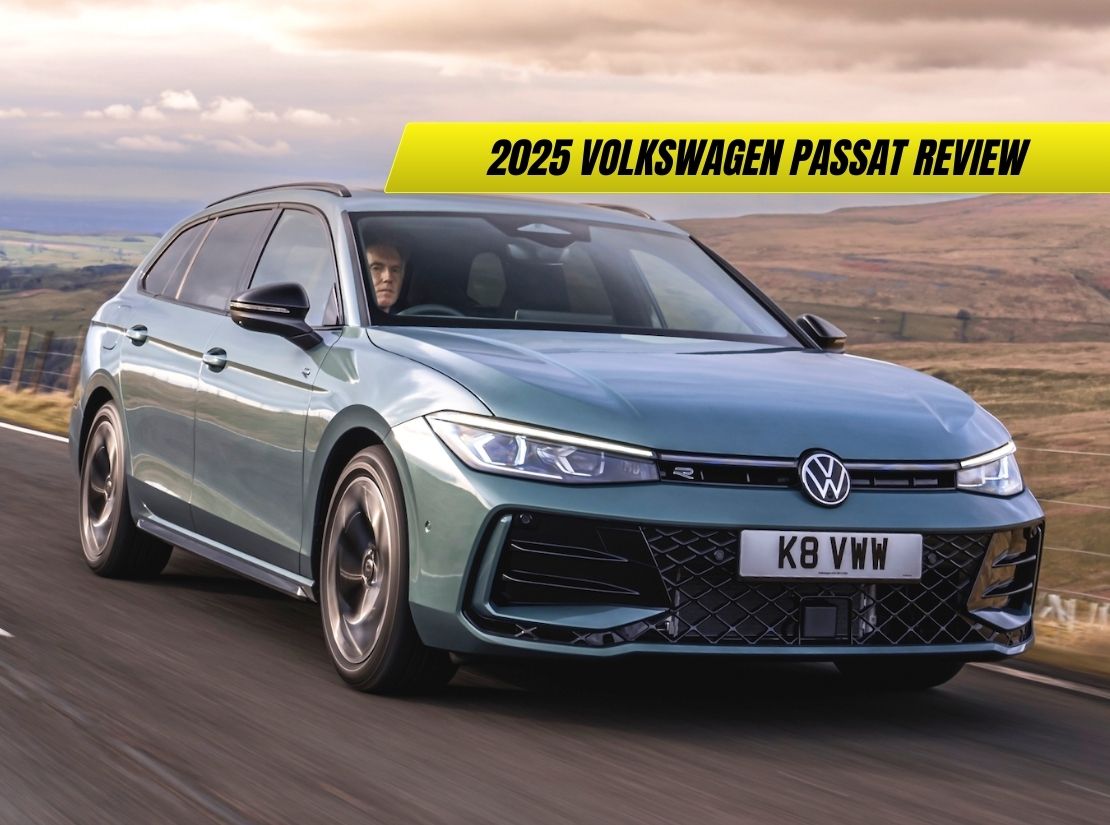
Complete UK guide to VW’s ninth-generation estate with plug-in hybrid tech, 80-mile electric range, and prices from £39,840. Three What Car? Awards winner.
For half a century, the Volkswagen Passat has been a pillar of sensible family motoring – the automotive equivalent of a reliable friend who never lets you down. But the ninth-generation model represents something more significant than evolutionary change. This is a complete reinvention of what a mainstream family estate should be, arriving at a time when traditional rivals have largely abandoned the segment to chase SUV sales.
Our editorial team at AutoHit has spent extensive time with the latest Passat across British roads, from motorway cruising to urban commuting, and the transformation is remarkable. Where previous generations felt competent but uninspiring, the 2025 model combines cutting-edge hybrid technology with levels of refinement that rival premium German offerings costing significantly more.
The decision to abandon saloon variants entirely speaks to changing customer preferences, but it also allows Volkswagen to focus resources on perfecting what the Passat does best: providing exceptional space, comfort, and efficiency for families who prioritise substance over style statements. With awards for Estate of the Year, Tow Car of the Year, and Safety Award from What Car?, this isn’t merely another facelift – it’s a comprehensive reimagining of the modern family car.
Key Highlights: • Estate-only format with 690-litre boot (1,920L seats down) maximising practicality over style considerations • Advanced plug-in hybrid technology offering up to 80 miles electric range and 730+mpg official economy • 5% BiK rate for PHEVs making them extremely attractive for company car drivers • Improved aerodynamics with Cd 0.25 coefficient enhancing efficiency and reducing wind noise • Premium interior technologyfeaturing 12.9-inch infotainment and optional 15-inch display • Three What Car? Awards including Estate of the Year and Safety Award recognition
Design Evolution: Understated Elegance Meets Aerodynamic Efficiency
The 2025 Passat estate measures an imposing 4.92 metres in length, gaining nearly 15cm over its predecessor while maintaining the understated elegance that has defined the model for decades. But the real engineering achievement lies in the aerodynamic refinement – the coefficient of drag has improved from 0.31 to an excellent 0.25, rivalling dedicated efficiency models.
This isn’t achieved through radical styling changes but through meticulous detail work. The active grille opens only when engine cooling is required, while airflow deflectors in the bumpers and optimised mirror shapes all contribute to the improved efficiency. For UK families, this translates directly into reduced fuel consumption and lower wind noise at motorway speeds.
The visual changes remain subtle but effective. LED headlights are standard across the range, with the full-width rear light bar creating a distinctive night-time signature. R-Line variants add a more imposing front grille and 18-inch wheels, though the overall aesthetic remains refreshingly free of the aggressive styling that characterises many modern family cars.
Elegance trim gets classic multi-spoke 17-inch wheels that complement the lack of sporting pretence, though in combination with the tall ride height, there’s an undeniable hint of practicality-over-passion about the Passat’s stance – exactly as intended for its target audience.
Interior Revolution: Technology Meets Traditional German Quality
Step inside the 2025 Passat and the transformation becomes immediately apparent. The cabin utilises soft-touch materials throughout, with meticulous attention to detail that includes moquette-lined rear door pockets to reduce noise and vibration – the kind of thoughtful engineering that separates German cars from volume competitors.
Digital Integration: MIB4 Infotainment Excellence
The technological centrepiece comprises a 12.9-inch infotainment display as standard, with an optional 15-inch unit that creates genuinely impressive visual impact. The latest MIB4 platform operates with the responsiveness buyers expect from premium smartphones, featuring touch-sensitive climate controls that remain backlit for night-time operation.
The 10.2-inch digital instrument cluster offers multiple display modes, while the optional head-up display helps maintain attention on the road during navigation-heavy journeys. Ambient LED lighting adds premium atmosphere with 10 or 30 colour options depending on trim level selected.
However, Volkswagen’s determination to eliminate physical controls creates some usability challenges. The touch-sensitive climate controls, while backlit, require visual attention during operation that traditional buttons don’t demand. For drivers who prioritise intuitive operation over technological showcase, this represents a step backwards despite the undeniable visual appeal.
Space and Comfort: Where the Passat Truly Excels
With the wheelbase extended by 5cm to 2.84 metres, rear passenger space improves dramatically. Adults enjoy genuine comfort even on longer journeys, though the central tunnel still compromises middle-seat accommodation. The low ride height that aids aerodynamics can make child access more challenging compared to SUV alternatives.
Front seats deserve particular praise, earning approval from the German Bad Back Association (Aktion Gesunder Ruken) for their exceptional support and comfort. Optional massage functions and memory settings create a genuinely premium experience that rivals offerings from Audi and BMW costing considerably more.
Powertrain Excellence: Mild Hybrid Efficiency Meets PHEV Innovation
1.5 eTSI Mild Hybrid: Refined Efficiency
The entry-level powerplant combines a 1.5-litre turbocharged petrol engine with integrated starter-generator assistance to produce 150bhp and 184lb ft. Performance proves adequate rather than exciting, with 0-62mph achieved in 9.2 seconds and a top speed of 138mph sufficient for all realistic UK driving scenarios.
The mild hybrid system’s 48-volt architecture enables smooth stop-start operation and gentle assistance during acceleration, though the benefits remain largely transparent to drivers. Real-world fuel economy approaches 45-50mpg in mixed driving, competitive for a vehicle of this size and weight.
All UK models pair exclusively with seven-speed DSG dual-clutch automatic transmission, with no manual option available. The DSG operates with the smoothness buyers expect from premium German engineering, though some hesitation remains apparent during rapid throttle inputs.
eHybrid Plug-in: The Technology Showcase
The real story lies in the plug-in hybrid variants, available with 204bhp or 272bhp system outputs. Both utilise the same 1.5-litre petrol engine combined with a 114bhp electric motor integrated into the six-speed DSG transmission, differentiated primarily by petrol engine tuning.
The 25.7kWh battery pack enables up to 80 miles of electric-only operation, significantly exceeding most PHEV rivals and making petrol-free commuting genuinely achievable for many UK drivers. Official economy figures reach an almost meaningless 730+mpg, though real-world efficiency depends entirely on charging patterns and journey types.
For company car drivers, the mathematics prove compelling. CO2 emissions of just 8g/km result in 5% BiK rates that create monthly savings of £200-300 compared to conventional powertrains. Factor in potential fuel savings for drivers with home charging access, and the PHEV variants offer compelling total cost of ownership despite higher purchase prices.
UK Market Positioning: Premium Aspirations at Mainstream Prices
Pricing Strategy: Value Without Compromise
The Passat range begins at £39,840 for Life trim with mild hybrid power, rising to £42,860 for Elegance and £43,860 for R-Line specification. These prices position the Passat competitively against mainstream rivals while undercutting premium alternatives by substantial margins.
PHEV variants command premiums of approximately £4,500-£5,000, with entry-level eHybrid Life priced at £44,435. For company car drivers, the BiK advantages typically offset this premium within 18-24 months, making the business case straightforward for most fleet applications.
Compared to direct rivals, the Passat offers compelling value. The mechanically similar Skoda Superb Estate costs around £2,000 less, making it tempting for budget-conscious buyers, while premium alternatives like the BMW 3 Series Touring or Mercedes C-Class Estate command significant premiums for comparable specification levels.
Equipment Levels: Generous Standard Specification
Even entry-level Life trim includes 17-inch alloy wheels, LED headlights, the 12.9-inch infotainment system, rear-view camera, adaptive cruise control, massaging front seats, three-zone climate control, keyless operation, and electric tailgate. This comprehensive specification puts many premium rivals to shame.
Elegance trim adds heated front seats, panoramic sunroof, upgraded ambient lighting, and enhanced massage functions. R-Line focuses on visual enhancements including 18-inch wheels, sports styling, LED matrix headlights, and sports seats, though the £1,000 premium may prove difficult to justify for purely practical buyers.
Driving Experience: Comfort Prioritised Over Excitement
On-Road Refinement: German Engineering Excellence
The Passat prioritises comfort and refinement over dynamic engagement, and this approach succeeds admirably. Road noise remains well-controlled despite the estate body’s potential for amplification, while the improved aerodynamics reduce wind noise significantly compared to previous generations.
The suspension setup absorbs typical British road imperfections with composure that belies the car’s mainstream positioning. Optional DCC Pro adaptive dampers provide 15 different settings, allowing owners to balance comfort and control according to preference, though the standard setup proves entirely adequate for most buyers.
Steering weight feels appropriate without offering exceptional feedback, while body control remains composed even during more spirited driving. However, the soft suspension setup and deliberately relaxed calibration mean enthusiast drivers will find more engagement in premium alternatives like the BMW 3 Series Touring.
PHEV Operation: Seamless Integration
In plug-in hybrid models, the transition between electric and petrol operation occurs with remarkable smoothness. The system defaults to electric operation for urban driving, automatically managing battery depletion to optimise efficiency over anticipated journey distance.
The 80-mile electric range proves genuinely usable in real-world conditions, making petrol-free operation achievable for most daily commuting scenarios. Home charging via 7kW wallbox requires approximately 4 hours for complete replenishment, fitting easily into overnight schedules.
Charging infrastructure across the UK continues expanding, though the generous electric range reduces dependency on public charging for most users. The conventional petrol engine eliminates range anxiety entirely, providing the flexibility that pure electric vehicles still struggle to match for some usage patterns.
Practicality Assessment: Family-Friendly Excellence
Boot Space: Exceptional Cargo Capability
The mild hybrid Passat offers 690 litres of boot space expanding to 1,920 litres with rear seats folded – among the most capacious offerings in any segment. The loading aperture remains wide and accessible, with a low lift-over height that aids heavy item loading.
PHEV variants sacrifice some cargo space to accommodate the larger battery pack, offering 510 litres in standard configuration. While still competitive, this reduction may influence buyers who regularly maximise luggage capacity for family holidays or commercial applications.
The 60:40 split-folding rear seats include a useful through-loading hatch, though the more versatile 40:20:40 configuration offered by some premium rivals would enhance flexibility further. Overall, the Passat remains one of the most practical family vehicles available regardless of body style preference.
Interior Storage: Thoughtful Details
Moving the gear selector to the steering column creates substantial central console storage, while door pockets and cabin storage solutions demonstrate typical German attention to practical details. The moquette-lined rear door pockets exemplify the thoughtful engineering that characterises the Passat experience.
Three-zone climate control ensures all passengers enjoy personalised comfort settings, while multiple USB ports and wireless charging capability (on higher trims) accommodate modern device requirements without compromising interior aesthetics.
Comparison Table: Passat vs Key Rivals
| Model | Starting Price | Boot Space | 0-62mph | Economy (PHEV) | BiK Rate |
|---|---|---|---|---|---|
| VW Passat eTSI | £39,840 | 690L | 9.2s | 51mpg | 26% |
| VW Passat eHybrid | £44,435 | 510L | 8.1s | 730+mpg | 5% |
| Skoda Superb Estate | £37,000+ | 660L | 8.9s | 690+mpg | 5% |
| BMW 3 Series Touring | £45,000+ | 500L | 7.5s | 141mpg | 8% |
| Mercedes C-Class Estate | £46,000+ | 490L | 8.4s | 113mpg | 11% |
| Mazda 6 Tourer | £32,000+ | 522L | 8.9s | N/A | 29% |
Our Take: The Passat offers exceptional value when equipment levels are considered, while PHEV variants provide compelling company car economics that premium rivals struggle to match despite their superior brand cachet.
Frequently Asked Questions
How reliable is the 2025 Passat, and what about Volkswagen’s recent quality concerns?
Volkswagen finished 18th out of 31 manufacturers in the 2024 What Car? Reliability Survey, placing it below Skoda and BMW but above Mercedes. While this isn’t stellar, it represents improvement over recent years. The Passat benefits from proven MQB Evo platform architecture shared with the excellent Skoda Superb, suggesting greater reliability than some VW models. The three-year, 60,000-mile warranty matches industry standard, though unlimited mileage coverage from BMW and Mercedes provides better peace of mind. Early reports suggest build quality improvements, but long-term reliability data remains limited for this generation.
Is the PHEV worth the £4,500 premium for private buyers without company car benefits?
For private buyers with regular home charging access, the PHEV offers compelling economics despite the initial premium. Based on 12,000 annual miles with 70% electric operation, fuel savings approach £1,000 annually compared to the mild hybrid variant. Factor in lower road tax and potential congestion charge exemptions, and payback occurs within 4-5 years. However, buyers without home charging or those covering predominantly long-distance miles may find the mild hybrid more cost-effective overall.
How does the Passat compare to SUVs featured in our best SUVs guides?
The Passat offers significantly superior boot space and loading practicality compared to most SUVs in our guides, including models featured in 20 best SUVs under £40k. While SUVs provide higher driving positions and perceived ruggedness, the Passat’s lower centre of gravity delivers superior ride comfort and handling precision. For families prioritising cargo capacity, fuel efficiency, and on-road refinement over image considerations, the estate format remains objectively superior despite current market preferences.
What are the main drawbacks compared to the mechanically identical Skoda Superb Estate?
The Skoda Superb Estate costs approximately £2,000 less while offering virtually identical mechanical specifications and similar interior space. The Superb provides more intuitive physical controls and generally more practical interior touches, making it objectively better value for purely rational buyers. However, the Passat offers more sophisticated interior materials, superior acoustic refinement, and stronger residual values that offset much of the price difference. The choice often comes down to brand preference and dealer network considerations rather than fundamental capability differences.
How practical is the 80-mile electric range for real UK driving?
The 80-mile electric range proves genuinely usable for most UK commuting patterns, covering the average daily journey distance with margin to spare. However, winter conditions reduce range by 20-25%, while motorway driving at sustained speeds depletes the battery more rapidly than urban use. For drivers covering 50+ daily miles including motorway sections, petrol engine operation becomes necessary. The seamless transition between electric and hybrid modes means this limitation rarely causes inconvenience, but buyers should understand the system’s capabilities before purchasing.
Should I wait for facelifts or alternative powertrains?
VW has confirmed this generation Passat will likely be the last traditional model before full electrification, making current variants potentially collectable long-term. The established mild hybrid and PHEV powertrains offer proven reliability rather than cutting-edge technology. For buyers needing immediate replacement, current specifications provide excellent capability without early-adopter risks. However, those able to wait might consider the all-electric ID.7 Tourer arriving later, though this sacrifices the flexibility of hybrid operation.
How does the Passat handle typical UK conditions – urban traffic, motorways, country lanes?
The Passat excels in urban environments where the PHEV operates silently and the adaptive cruise control manages stop-start traffic effectively. Motorway refinement is exceptional, with minimal wind and road noise even at sustained 70mph speeds. The improved aerodynamics provide genuine efficiency benefits during longer journeys. Country lane handling proves competent though not engaging, with good body control but limited steering feedback. Visibility could be better due to thick A-pillars, but overall the Passat handles all UK driving scenarios with typical German competence and composure.
The Verdict: The Estate Car’s Last Stand
The 2025 Volkswagen Passat represents something increasingly rare in the modern automotive landscape: a vehicle that prioritises substance over style, efficiency over emotion, and practical excellence over marketing appeal. In an era dominated by SUV positioning and crossover compromises, the Passat estate offers unashamed focus on what families actually need rather than what they think they want.
The mild hybrid variant succeeds as exceptional value engineering. At £39,840, few rivals offer comparable space, equipment levels, and German build quality. While not exciting, it provides comfortable, efficient family transport with the refinement that has made Volkswagen a trusted choice for generations.
The PHEV variants represent the technology showcase. The 80-mile electric range and 5% BiK rate create compelling company car economics, while the seamless hybrid operation provides flexibility that pure electric vehicles still struggle to match. For families ready to embrace electrification without range anxiety compromises, these models offer an ideal stepping stone.
Our assessment: Volkswagen has created a fitting finale for the traditional family estate, combining modern efficiency technology with the space and comfort that made the format successful for decades. While the SUV revolution has marginalised such vehicles, the Passat proves their fundamental strengths remain relevant for buyers who prioritise rational decisions over emotional responses.
Bottom line: If you can overlook badge snobbery and SUV fashion trends, the Passat delivers more space, efficiency, and refinement per pound than virtually any rival. This may be the last traditional Passat, but it’s also arguably the best – a worthy successor to half a century of sensible excellence.
The Passat estate stands as proof that sometimes the unfashionable choice is actually the smartest one.





