
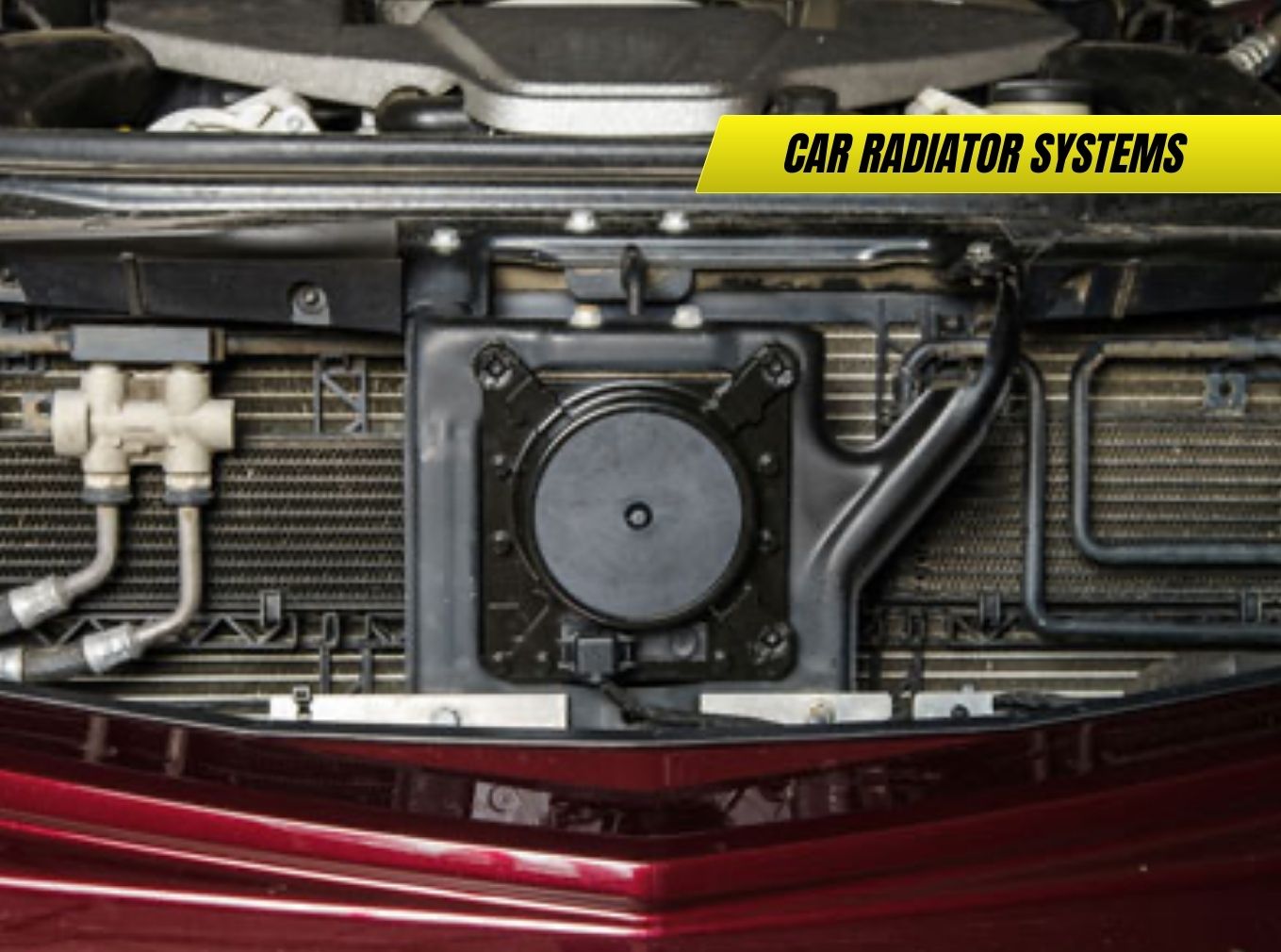
Essential car radiator guide for UK drivers. How cooling systems work, maintenance tips, common problems, and repair costs explained for 2025 vehicles.
Your car’s radiator represents the heart of the cooling system, preventing potentially catastrophic engine damage from overheating while ensuring optimal performance across varied UK driving conditions. From summer motorway journeys to winter traffic jams, the radiator works continuously to maintain proper engine temperatures. Understanding how this critical component functions, recognising warning signs of problems, and following proper maintenance procedures can prevent expensive repairs while ensuring reliable motoring. This comprehensive guide explains everything UK drivers need to know about radiator systems, maintenance, and troubleshooting.
Key Points Summary
- Critical function: Radiators prevent engine overheating by dissipating heat through coolant circulation
- System complexity: Modern cooling systems integrate multiple components working together for optimal temperature control
- Maintenance essential: Regular coolant changes and system checks prevent costly failures and engine damage
- Warning signs: Temperature gauge readings, coolant leaks, and unusual noises indicate potential problems
- Cost implications: Radiator repairs can be expensive, making preventive maintenance highly cost-effective
- Seasonal considerations: UK weather conditions create specific challenges for cooling system operation
Understanding Car Radiator Function and Operation
A car radiator functions as a large heat exchanger, transferring engine heat to the surrounding air through coolant circulation. The system works by pumping heated coolant from the engine through thin tubes within the radiator core, where airflow and cooling fans dissipate heat before returning cooled fluid to the engine.
The radiator core consists of numerous small tubes connected by thin metal fins that maximise surface area for heat transfer. As coolant flows through these tubes, heat conducts through the metal to the fins, where airflow carries it away from the vehicle. This continuous circulation maintains optimal engine operating temperatures.
Modern radiators incorporate sophisticated designs optimised for specific vehicle applications, balancing cooling capacity, weight, and cost considerations. The size and configuration depend on engine power output, vehicle aerodynamics, and intended operating conditions.
From my experience working with various cooling systems, radiator efficiency significantly impacts overall engine performance and longevity. Proper cooling becomes particularly crucial during demanding conditions like towing, hill climbing, or extended high-speed driving common on UK motorways.
Components of the Complete Cooling System
Radiator Core and Construction
The radiator core represents the primary heat exchange component, constructed from aluminium or copper-brass materials selected for optimal heat transfer characteristics. Modern vehicles predominantly use aluminium cores due to weight advantages and corrosion resistance.
Core Design Types:
- Tube and fin construction for maximum heat transfer
- Cross-flow design with horizontal coolant flow
- Down-flow design with vertical coolant flow
- Dual-pass systems for enhanced cooling efficiency
Core construction quality significantly affects cooling performance and longevity. Higher-end vehicles often feature larger cores with more sophisticated fin designs for improved heat dissipation under demanding conditions.
Cooling Fans and Airflow Management
Electric cooling fans supplement natural airflow, particularly important during low-speed operation or stationary running. Most modern vehicles use variable-speed fans controlled by engine management systems for optimal efficiency.
Fan System Components:
- Primary cooling fan for standard operation
- Secondary fan for high-demand situations
- Shrouds to direct airflow through radiator core
- Temperature sensors controlling fan operation
- Variable speed controllers for efficiency optimisation
Proper fan operation becomes critical in traffic conditions common throughout UK urban areas, where natural airflow cannot provide adequate cooling. Fan failures can quickly lead to overheating, particularly during summer months.
Coolant Circulation System
The cooling system relies on pressurised coolant circulation driven by the engine-mounted water pump. This circulation ensures consistent temperature distribution while preventing localised hot spots that could cause engine damage.
Circulation Components:
- Water pump providing pressurised flow
- Thermostat regulating coolant temperature
- Expansion tank accommodating thermal expansion
- Radiator cap maintaining system pressure
- Hoses connecting system components
Understanding coolant circulation helps drivers recognise when system problems develop and take appropriate action before serious damage occurs. Similar to recognising spanner warning light indications, cooling system awareness prevents expensive repairs.
Common Radiator Problems and Symptoms
Coolant Leaks and External Damage
Coolant leaks represent the most visible radiator problems, often appearing as coloured fluid beneath parked vehicles or visible damage to radiator components. These leaks can develop gradually or appear suddenly following impact damage.
Common Leak Sources:
- Radiator core tube deterioration
- End tank seal failures
- Hose connection problems
- Radiator cap seal degradation
- Impact damage from road debris
Early leak detection prevents minor problems from becoming major failures while avoiding engine damage from coolant loss. Regular visual inspections during routine maintenance help identify developing issues before they become critical.
Warning Signs of Cooling Problems:
- Visible coolant puddles beneath vehicle
- Rising temperature gauge readings
- White exhaust smoke indicating coolant burning
- Sweet smell from antifreeze vapour
- Unusual engine noises during warm-up
Internal Blockages and Flow Restrictions
Internal radiator blockages develop gradually through contamination, corrosion, or improper maintenance practices. These restrictions reduce cooling efficiency, potentially causing overheating even when coolant levels appear adequate.
Blockage Causes:
- Corrosion deposits from neglected maintenance
- Scale build-up in hard water areas
- Contamination from incorrect coolant mixing
- Debris accumulation in cooling passages
- Chemical reactions from incompatible coolants
Internal blockages often require professional diagnosis using specialised equipment to identify restricted flow areas. Visual inspection cannot detect these problems, making temperature monitoring and professional assessment essential.
Understanding blockage development helps drivers appreciate the importance of proper coolant maintenance and timely system servicing. Regular coolant changes prevent most internal problems while maintaining optimal cooling efficiency.
Radiator Maintenance Requirements
Coolant Service and Replacement
Regular coolant service represents the most critical radiator maintenance requirement, typically needed every 3-5 years depending on coolant type and operating conditions. Modern extended-life coolants offer longer service intervals while providing superior protection.
Coolant Service Procedures:
- Complete system drainage and flushing
- Inspection of all cooling system components
- Pressure testing to verify system integrity
- Refilling with manufacturer-specified coolant
- Air bleeding to ensure proper circulation
Professional coolant service includes comprehensive system inspection that can identify developing problems before failures occur. The relatively modest service cost prevents much more expensive repairs while ensuring reliable cooling performance.
I would recommend adhering strictly to manufacturer coolant specifications, as incorrect types can cause serious compatibility problems. Modern vehicles often require specific coolant formulations optimised for particular engine materials and operating conditions.
External Cleaning and Inspection
Regular radiator cleaning removes debris accumulation that can significantly impact cooling efficiency. UK driving conditions expose radiators to salt, mud, leaves, and insects that can block airflow through the cooling core.
Cleaning Procedures:
- Gentle washing from engine side to avoid damage
- Compressed air cleaning for stubborn debris
- Inspection for fin damage or corrosion
- Checking mounting points and supports
- Verification of fan operation and clearances
Professional cleaning during regular servicing ensures thorough debris removal while inspecting for damage that might not be visible to vehicle owners. This preventive maintenance often prevents overheating problems during demanding driving conditions.
Similar to understanding timing chain maintenance schedules, radiator care requires attention to manufacturer recommendations and service intervals for optimal performance and longevity.
Cooling System Performance in UK Conditions
Seasonal Challenges and Adaptation
UK weather conditions create specific challenges for cooling systems, from summer heat requiring maximum cooling capacity to winter conditions demanding proper freeze protection. Understanding these challenges helps drivers maintain optimal system performance year-round.
Summer Considerations:
- Increased cooling demands during hot weather
- Traffic jam overheating risks
- Air conditioning load on cooling system
- Reduced airflow at low speeds
- Higher coolant evaporation rates
Winter Requirements:
- Adequate antifreeze protection to prevent freezing
- Proper thermostat operation for cabin heating
- Corrosion protection during salt exposure
- System integrity during thermal cycling
- Emergency preparedness for breakdown situations
The variable nature of UK weather means cooling systems must perform effectively across wide temperature ranges while providing reliable operation in challenging conditions common throughout Britain.
Regional Variations and Considerations
Different UK regions present varying challenges for cooling systems, from urban heat island effects in cities to coastal salt exposure affecting system components. Understanding these regional factors helps optimise maintenance approaches.
Regional Factors:
- Urban heat and reduced airflow in cities
- Coastal salt exposure accelerating corrosion
- Mountainous areas requiring enhanced cooling capacity
- Rural areas with increased debris exposure
- Industrial regions with air quality considerations
These variations may affect maintenance frequency and component longevity, making local knowledge valuable for optimal cooling system care. Professional service providers understand regional challenges and can advise on appropriate maintenance intervals.
Cost Analysis and Repair Economics
Repair vs Replacement Decisions
Radiator repair costs vary significantly depending on problem type and vehicle specifications, with decisions between repair and replacement affecting both immediate costs and long-term reliability. Understanding these economics helps make informed maintenance decisions.
Radiator Repair and Replacement Costs
| Repair Type | Typical Cost Range | Duration |
|---|---|---|
| Minor leak repair | £80-£150 | 2-4 hours |
| Core replacement | £200-£500 | 4-6 hours |
| Complete radiator | £300-£800 | 4-8 hours |
| Cooling system service | £80-£150 | 2-3 hours |
| Thermostat replacement | £100-£200 | 2-4 hours |
Cost Factors:
- Vehicle make and model complexity
- Radiator accessibility and labour requirements
- Quality of replacement components selected
- Additional repairs discovered during work
- Regional labour rate variations
Professional diagnosis often identifies multiple issues requiring attention, making comprehensive repair more cost-effective than addressing problems individually. Understanding these economics helps plan maintenance budgets effectively.
Preventive Maintenance Value
Regular cooling system maintenance represents excellent value compared to major repair costs, typically preventing problems that could cost thousands in engine damage. The investment in proper maintenance pays substantial dividends in reliability and cost avoidance.
Preventive Maintenance Benefits:
- Engine damage prevention worth thousands of pounds
- Improved fuel economy through optimal operating temperatures
- Extended component life reducing replacement frequency
- Enhanced reliability preventing breakdown costs
- Maintained vehicle value through proper care
When considering vehicles from guides like best family SUVs or best cars under £25,000, cooling system condition should form part of the evaluation process, as neglected systems can require expensive immediate attention.
Modern Radiator Technology and Innovations
Advanced Materials and Construction
Contemporary radiators incorporate advanced materials and manufacturing techniques that improve performance while reducing weight and environmental impact. These innovations benefit both efficiency and longevity compared to older designs.
Modern Innovations:
- Lightweight aluminium construction reducing vehicle weight
- Enhanced fin designs improving heat transfer efficiency
- Corrosion-resistant coatings extending service life
- Integrated mounting systems simplifying installation
- Optimised core designs for specific applications
Understanding these advances helps drivers appreciate why modern cooling systems require specific maintenance approaches and why component quality varies significantly between manufacturers and applications.
Integration with Engine Management
Modern cooling systems integrate closely with engine management systems, providing precise temperature control for optimal performance, emissions, and fuel economy. This integration requires sophisticated diagnostic approaches when problems develop.
Integration Features:
- Electronic thermostats for precise control
- Variable-speed cooling fans optimising efficiency
- Temperature monitoring preventing engine damage
- Diagnostic capabilities identifying system problems
- Performance optimisation based on operating conditions
This sophistication means cooling system problems may affect multiple vehicle systems, making professional diagnosis essential for proper problem identification and resolution.
Environmental Considerations and Disposal
Coolant Disposal and Environmental Protection
Proper coolant disposal represents important environmental responsibility, as automotive coolants contain chemicals harmful to wildlife and water supplies. UK regulations require proper disposal through licensed facilities.
Disposal Requirements:
- Licensed waste disposal facilities only
- No drain disposal into sewers or ground
- Separation of different coolant types
- Professional handling of contaminated coolant
- Documentation for commercial disposal
The Environment Agency provides guidance on proper automotive fluid disposal, emphasising the importance of responsible handling throughout the maintenance process.
Recycling and Sustainability
Modern cooling system maintenance increasingly emphasises sustainability through component recycling and environmentally responsible practices. Understanding these approaches helps drivers make informed choices about service providers and maintenance approaches.
Sustainable Practices:
- Radiator core recycling reducing waste
- Coolant reclamation and reprocessing
- Component refurbishment extending service life
- Energy-efficient manufacturing processes
- Reduced packaging and transport impacts
These considerations become increasingly important as environmental awareness grows and regulations encourage sustainable automotive practices throughout the UK.
Emergency Procedures and Breakdown Management
Overheating Emergency Response
Understanding proper overheating emergency procedures can prevent serious engine damage while ensuring personal safety. Overheating situations require immediate action but must be handled carefully to avoid injury or additional damage.
Emergency Procedures:
- Turn off air conditioning immediately
- Turn on heater to maximum temperature
- Pull over safely when possible
- Turn off engine and allow cooling
- Check coolant levels when engine cools
- Seek professional assistance for diagnosis
Never remove radiator caps from hot engines, as pressurised coolant can cause severe burns. Allow adequate cooling time before attempting any system inspection or emergency repairs.
Understanding these procedures helps drivers respond appropriately to cooling system emergencies while preventing panic-driven decisions that could worsen situations or cause personal injury.
Integration with Vehicle Systems
Air Conditioning System Interaction
Vehicle air conditioning systems place additional load on cooling systems, particularly during hot weather when both systems work hardest. Understanding this interaction helps drivers manage system performance effectively.
A/C System Impact:
- Additional heat load from condenser
- Increased cooling fan operation requirements
- Higher engine operating temperatures
- Reduced cooling capacity for engine needs
- Potential overheating in extreme conditions
Managing air conditioning use during challenging conditions can prevent overheating while maintaining acceptable comfort levels. This becomes particularly relevant during UK summer heat waves when cooling demands peak.
Engine Performance Integration
Cooling system performance directly affects engine efficiency, emissions, and longevity through temperature control. Modern engines require precise temperature management for optimal operation across all conditions.
Performance Relationships:
- Optimal combustion temperatures for efficiency
- Emissions system operation temperature requirements
- Engine wear rates affected by temperature control
- Fuel economy impact from cooling system efficiency
- Power output variation with operating temperature
Understanding these relationships helps drivers appreciate cooling system importance beyond simple overheating prevention, recognising its role in overall vehicle performance and efficiency.
Frequently Asked Questions
How often should I check my radiator coolant level?
Check coolant level monthly when the engine is cold, looking at the expansion tank markings. Never check hot engines, as pressurised systems can cause severe burns. Significant level drops indicate leaks requiring professional attention.
What causes radiators to fail most commonly?
Corrosion from neglected maintenance represents the most common failure cause, followed by impact damage and coolant contamination. Regular coolant changes prevent most failures while extending system life significantly.
Can I drive with a small coolant leak?
Small leaks require immediate professional attention, as cooling system failures can cause catastrophic engine damage. While brief driving may be possible with careful monitoring, professional diagnosis should occur immediately.
How do I know if my radiator needs replacement?
Signs include persistent overheating, significant coolant leaks, visible core damage, or repeated repair requirements. Professional evaluation can determine whether repair or replacement provides better value and reliability.
What coolant type should I use in my vehicle?
Always use manufacturer-specified coolant types, as modern vehicles require specific formulations optimised for particular engine materials. Mixing different coolant types can cause serious compatibility problems and system damage.
Why does my car overheat in traffic but not on motorways?
Traffic overheating typically indicates cooling fan problems or airflow restrictions, as natural airflow at highway speeds provides adequate cooling. Fan system diagnosis should occur promptly to prevent engine damage.
How much does radiator replacement typically cost?
Replacement costs vary from £300-£800 depending on vehicle type and radiator specifications, with labour representing a significant portion. Complex installations or additional repairs can increase costs substantially.
Conclusion
Understanding radiator function and maintenance requirements empowers UK drivers to maintain reliable cooling system performance while preventing expensive engine damage. The cooling system’s critical role in engine protection makes proper care and timely attention to problems essential for trouble-free motoring.
In my experience, most cooling system problems develop gradually through neglected maintenance rather than sudden failures. Regular attention to coolant condition, system inspection, and prompt problem addressing prevents most serious issues while maintaining optimal performance.
For UK drivers facing varied weather conditions and demanding driving environments, reliable cooling system operation provides essential protection for engine investment. Whether navigating summer motorway traffic or winter urban conditions, proper radiator maintenance ensures your vehicle remains ready for any driving challenge while protecting against costly breakdowns and repairs.





