
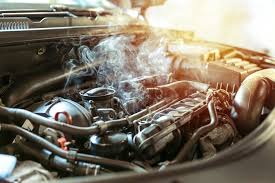
Engine overheating is one of the most serious risks for your car during summer. High temperatures combined with heavy traffic and long journeys can push your engine beyond safe limits, causing permanent damage. Understanding how to prevent overheating protects your vehicle and ensures safe summer driving.
Check coolant fluid regularly and top up if low, monitor oil level before long journeys, avoid prolonged idling in hot weather, watch temperature gauge constantly, stop immediately if steam appears, park in shade to reduce heat buildup, maintain cooling system annually, keep radiator clean from debris.
Why Engine Overheating Happens in Summer
Engine overheating occurs when the cooling system cannot remove heat fast enough to maintain safe operating temperature. Summer conditions make this problem worse through several mechanisms:
Higher outside temperatures mean the cooling system starts from a hotter baseline. Instead of dissipating heat into 15°C air, the system works against 35°C air, reducing cooling efficiency by 30-40%.
Heavy traffic and low speeds prevent airflow through the radiator. At highway speeds, air flows naturally through the radiator cooling the coolant. In traffic, the electric fan must work constantly, which may not be sufficient in extreme heat.
Long journeys under load such as climbing hills or towing increase engine heat production. The cooling system must work harder while outside temperatures are already high.
Older cooling systems have reduced efficiency due to worn components, corroded pipes, or degraded seals. These systems struggle even more in summer conditions.
How to Check Coolant Fluid Properly
The coolant fluid is the heart of your engine’s cooling system. Checking it regularly prevents overheating.
Wait for the engine to cool completely – never open the coolant reservoir when the engine is hot. Hot coolant is under pressure and can cause severe burns if it erupts when you open the cap.
Locate the coolant reservoir – usually a translucent plastic container near the radiator, typically white or clear with minimum and maximum marks on the side.
Check the level against the marks – the fluid should be between the minimum (MIN) and maximum (MAX) lines. If it’s below minimum, you need to top up.
Top up if necessary using the correct type of coolant specified in your handbook. Use a 50% coolant and 50% water mixture unless your vehicle specifies otherwise. Never use plain water alone except in emergency situations.
Replace the cap securely ensuring it’s properly sealed. A loose cap allows coolant to escape and air to enter, reducing cooling efficiency.
Check for leaks around the reservoir, hoses, and radiator. Any signs of wetness or crusty residue indicate a leak that needs fixing.
If you frequently need to top up coolant, have the system inspected for leaks. Persistent low coolant is the most common cause of overheating. For official vehicle maintenance guidance, visit gov.uk.
Monitor Oil Level Before Long Journeys
Engine oil works with coolant to cool the motor and prevent temperature spikes. Low oil pressure combined with high temperatures causes severe engine damage.
Check oil level every month and before any journey over 100 miles. Use the dipstick or electronic monitoring system depending on your vehicle.
The oil should be between minimum and maximum marks on the dipstick. If it’s low, add the correct type of oil specified in your handbook.
Check oil condition – it should be amber or brown and smooth. Dark black, gritty, or milky oil indicates problems requiring professional attention.
Change oil regularly according to manufacturer schedule. Old oil loses its cooling properties and increases engine heat.
Low oil is a secondary but important factor in overheating prevention. Always address oil issues before summer journeys.
Avoid Prolonged Idling in Hot Weather
Idling with the engine running but the car stationary puts extra stress on the cooling system. Here’s why:
No natural airflow through the radiator means the electric fan must work constantly. Fans are less efficient than natural airflow and may not provide sufficient cooling in extreme heat.
Engine produces heat without movement – the cooling system must remove all heat without the benefit of forward motion helping dissipation.
Traffic compound the problem – when stuck in traffic, you’re idling in hot conditions with blocked airflow from vehicles ahead.
If you’re stuck in traffic, keep the engine running at moderate speed rather than complete idle. This maintains coolant flow through the system. If possible, move to the side of the road and turn off the engine if you’ll be stopped for more than 5 minutes.
Modern cars have automatic shutdown – many newer vehicles turn off the engine when idling for too long to prevent overheating. Don’t override this feature.
Watch Temperature Gauge Constantly
The temperature gauge is your most important warning system for overheating. Monitor it regularly, especially in summer.
Normal operating temperature is typically between 90°C and 110°C for most cars. The gauge should sit in the middle range.
Warning signs include:
- Temperature rising above normal range
- Gauge moving toward the “H” (hot) mark
- Temperature warning light illuminating
- Steam coming from the bonnet
- Unusual sweet smell from coolant boiling
If you notice temperature rising:
- Turn off the air conditioning to reduce engine load
- Turn on the heater to full – this draws heat from the engine into the cabin
- Open windows to vent hot cabin air
- Reduce speed if driving fast
- Look for a safe place to stop
Never ignore warning signs – continuing to drive with an overheating engine causes permanent damage within minutes.
Stop Immediately If Steam Appears
Steam from the bonnet is the most serious warning sign of overheating. Here’s what to do:
Stop immediately in a safe location – pull over to the side of the road, away from traffic. Do not attempt to drive to a garage.
Turn off the engine – this stops heat production immediately.
Do not open the bonnet for at least 15-20 minutes – opening it releases hot steam and pressurised coolant that can cause severe burns.
Wait for the engine to cool before attempting any inspection or adding coolant.
Call for assistance – have the car towed to a garage for professional diagnosis and repair.
Never attempt to add coolant to a hot engine – the pressurised system can erupt violently when opened.
Steam indicates the coolant is boiling, which means the engine temperature has exceeded 120°C. This causes immediate damage to pistons, cylinder heads, and seals.
Park in Shade to Reduce Heat Buildup
Parking in shade reduces engine temperature before you start driving:
Shade reduces under-bonnet temperature by 10-15°C compared to direct sun. This means the engine starts cooler and takes longer to reach overheating temperature.
Cooler cabin reduces AC load – when the interior is cooler, the air conditioning doesn’t need to work as hard, reducing engine load.
Use a sunshade if shade isn’t available. A silver reflective sunshade on the windscreen reduces interior temperature by 15-20°C.
Park facing away from the sun – this reduces direct sunlight hitting the engine bay through the windscreen.
Simple parking strategy prevents significant heat buildup before journeys.
Maintain Cooling System Annually
Annual cooling system maintenance prevents most overheating problems:
Flush the coolant every 2-3 years – old coolant loses its anti-corrosion and heat-transfer properties. Fresh coolant improves cooling efficiency by 10-15%.
Replace the radiator cap – worn caps don’t seal properly, allowing coolant to escape and pressure to drop.
Inspect all hoses – check for cracks, bulges, or softness. Replace hoses that show any signs of deterioration.
Check the water pump – listen for whining noises indicating bearing wear. A failing water pump reduces coolant flow.
Test the thermostat – a stuck thermostat prevents coolant from circulating. Replacement is inexpensive and prevents overheating.
Clean the radiator – remove dirt, leaves, and debris from the outside. Blocked radiators cannot release heat properly.
Check the electric fan – ensure it operates when the engine is hot. A failing fan causes overheating in traffic.
Professional cooling system service costs £80-£150 and prevents thousands in engine damage.
Keep Radiator Clean from Debris
The radiator must release heat to the outside air. Debris blocks this process:
Check the radiator regularly – look through the front grille for dirt, leaves, bugs, orRT debris blocking the fins.
Clean gently with water – use a low-pressure hose to wash debris from the radiator fins. Do not use high pressure which can damage the fins.
Use a soft brush for stubborn debris – gently brush between fins to remove packed dirt.
Check from both sides – debris can accumulate on the inside too. Open the bonnet and inspect from behind.
Clean before summer – give the radiator a thorough cleaning at the start of summer season.
A clean radiator improves cooling efficiency by 15-20%, significantly reducing overheating risk.
Common Causes of Overheating and Solutions
| Cause | Problem | Solution |
|---|---|---|
| Low coolant | Most common cause – insufficient fluid to absorb heat | Top up coolant and check for leaks |
| Broken water pump | Coolant doesn’t circulate through engine | Replace water pump – £200-£400 |
| Failed thermostat | Coolant stuck in engine, not reaching radiator | Replace thermostat – £50-£150 |
| Leaking radiator | Coolant escapes, system loses pressure | Replace or repair radiator – £150-£400 |
| Broken fan | No airflow through radiator at low speeds | Replace fan motor – £100-£300 |
| Blocked radiator | Heat cannot escape to outside air | Clean radiator thoroughly |
| Old coolant | Lost anti-corrosion and heat-transfer properties | Flush and replace coolant |
| Head gasket failure | Coolant mixes with oil, cooling system fails | Major repair – £800-£1,500 |
Addressing these problems early prevents complete engine failure.
Emergency Overheating Procedure
If your engine starts overheating while driving:
Step 1: Turn off AC – reduces engine load immediately.
Step 2: Turn heater to maximum – draws heat from engine into cabin. This protects the engine even though the cabin becomes uncomfortably hot.
Step 3: Open windows – vents hot air from the cabin.
Step 4: Reduce speed – lesser demand on engine produces less heat.
Step 5: Find safe stopping point – pull over immediately when safe.
Step 6: Turn off engine – stops heat production.
Step 7: Wait 20 minutes – allows engine to cool before inspection.
Step 8: Check coolant level – only after engine is cool. Add coolant if low.
Step 9: Call for help – if problem persists, have car towed to garage.
Never attempt to continue driving with an overheating engine.
Signs Your Cooling System Needs Repair
Frequent coolant top-ups – needing to add coolant more than once per month indicates a leak.
Grinding or whining noises – water pump or bearing problems.
Rust or sediment in coolant – indicates internal corrosion requiringflush.
Steam from bonnet regularly – serious problem requiring immediate attention.
Temperature gauge fluctuating – thermostat or sensor problems.
Sweet smell from engine – coolant boiling and escaping.
Oil looking milky – head gasket failure, coolant mixing with oil.
Any of these signs require professional inspection before summer journeys.
In my experience, most overheating problems are preventable with regular maintenance. The single most important factor is keeping coolant at the correct level – low coolant causes 60% of all overheating incidents.
From my point of view, the most critical habit is checking the temperature gauge regularly during summer driving. Many drivers ignore the gauge until steam appears, but catching temperature rise early allows you to prevent damage.
I would recommend checking coolant monthly, flushing the system every 2 years, cleaning the radiator before summer, and stopping immediately if the temperature warning light appears. These simple steps protect your engine from thousands in damage.
For UK drivers, summer temperatures regularly reach 35°C+, making cooling system maintenance essential rather than optional. A failing cooling system in hot weather causes rapid engine damage. For official vehicle safety information, visit gov.uk. For industry standards, check SMMT.





