
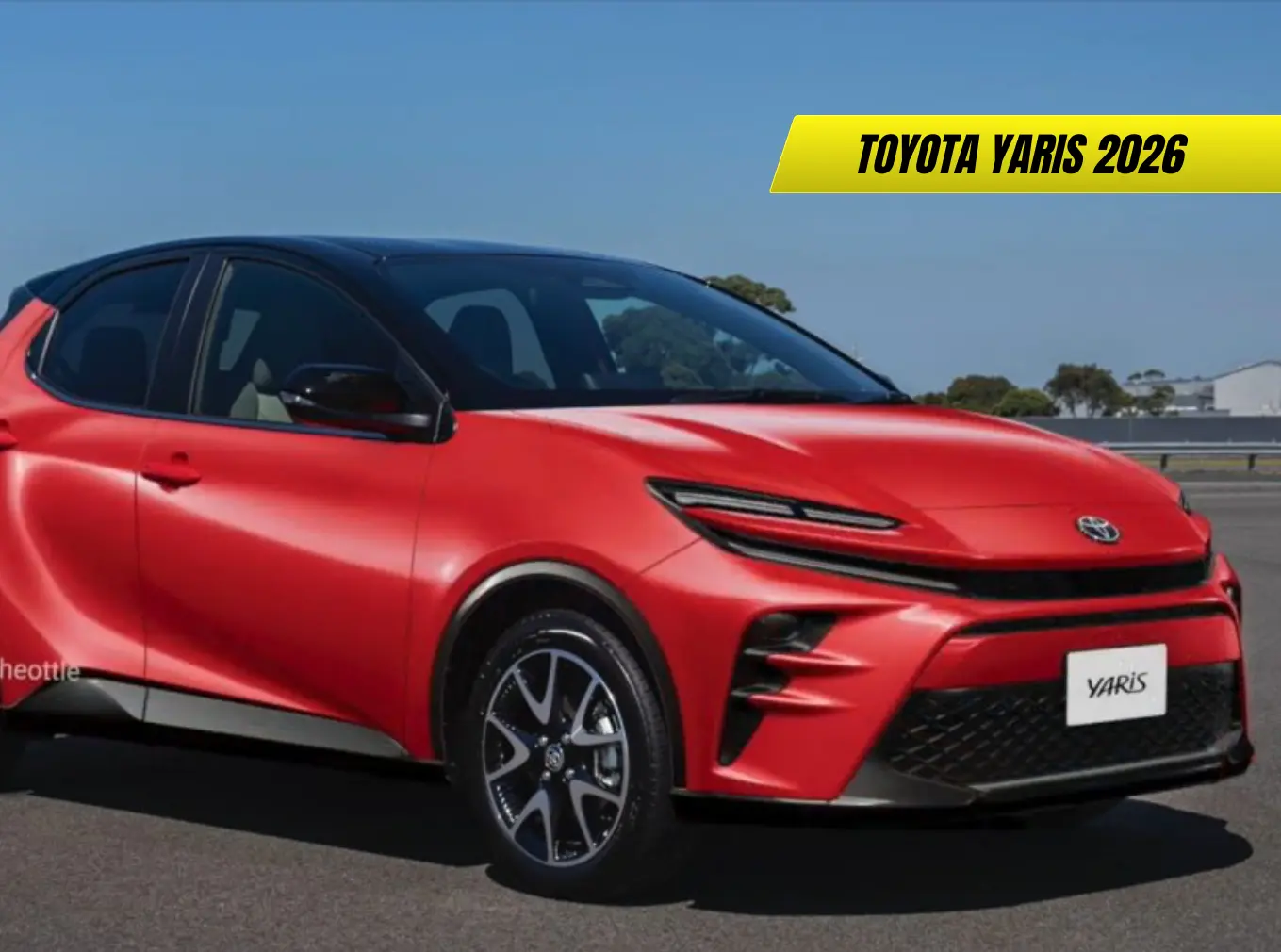
Toyota Yaris 2026 UK guide covering new generation design inspired by Crown Sport, advanced hybrid technology, GR Yaris updates and expected UK pricing for British buyers.
The Toyota Yaris stands poised for its most significant transformation since the current generation’s 2020 debut, with the 2026 model year promising substantial design evolution and technological advancement. As one of Europe’s most successful superminis and a dominant force in the UK’s competitive B-segment, the Yaris faces the challenge of maintaining its market-leading position while embracing contemporary design language and enhanced efficiency. This comprehensive guide explores the anticipated changes, new technologies, and market implications for British buyers considering the next-generation Yaris.
Key Points Summary
• Major design refresh: 2026 Yaris adopts Crown Sport-inspired styling with premium aesthetics and modern appeal
• Enhanced hybrid technology: Improved efficiency and performance from advanced Toyota Hybrid System
• GR Yaris evolution: Performance variant receives updates maintaining sporting excellence and rally heritage
• Yaris Cross integration: Crossover variant benefits from design cohesion and technological advancement
• UK market focus: Continued European production and right-hand drive optimisation for British buyers
• Competitive positioning: Enhanced premium appeal while maintaining value proposition against key rivals
Design Evolution and Crown Sport Inspiration
The 2026 Toyota Yaris design transformation draws significant inspiration from the Crown Sport flagship, representing Toyota’s commitment to creating cohesive family aesthetics across its global lineup. This design philosophy elevates the Yaris from practical supermini to premium compact, addressing customer demands for more sophisticated styling in smaller vehicles.
Key design elements anticipated include:
- Sharper front fascia with angular LED headlight clusters echoing Crown Sport aesthetics
- Refined grille design incorporating Toyota’s latest corporate identity elements
- Flowing body lines creating more dynamic proportions while maintaining practical dimensions
- Enhanced rear design with connected taillight signatures and improved aerodynamic efficiency
- Premium interior materials elevating cabin ambiance to match exterior sophistication
Dimensional considerations suggest the new Yaris will maintain current packaging efficiency while incorporating more dramatic styling elements. The challenge involves balancing visual impact with the practical requirements that make superminis appealing to urban buyers.
From my experience covering Toyota design evolution, the brand consistently manages to refresh models dramatically while preserving core functional advantages. The Crown Sport influence should provide the Yaris with more emotional appeal without compromising its practical strengths.
Color palette expansion will likely include new premium paint options reflecting the upmarket positioning, while maintaining popular choices that appeal to diverse customer preferences across different age groups and usage patterns.
Aerodynamic improvements integrated into the new design should enhance fuel efficiency and reduce wind noise, particularly important for hybrid variants where every efficiency gain contributes to overall performance and appeal.
The design evolution positions the Yaris to compete more effectively against premium-oriented rivals while maintaining the accessibility that has made it successful in the UK market.
For context on current supermini alternatives, our best cars under £25,000 guide provides comprehensive market analysis.
No products found.
Advanced Hybrid Technology and Powertrain Updates
Toyota’s hybrid leadership continues with the 2026 Yaris featuring evolved versions of the proven Toyota Hybrid System that has established the current generation as a benchmark for efficiency and real-world economy. The updates focus on improved performance, enhanced efficiency, and refined driving characteristics.
Current hybrid system achievements include class-leading fuel economy averaging 65-70mpg in real-world UK driving conditions, ultra-low emissions enabling exemption from most urban charging zones, and proven reliability that has enhanced Toyota’s reputation among British buyers.
2026 improvements are expected to include:
- Enhanced battery technology with improved energy density and charging efficiency
- Refined powertrain calibration for smoother operation and better response
- Advanced thermal management optimising efficiency across varying weather conditions
- Integrated driving modes providing better customisation for different usage patterns
- Improved regenerative braking for enhanced efficiency in urban stop-start conditions
Performance targets for the updated hybrid system should deliver improved acceleration while maintaining or exceeding current efficiency standards. The balance between responsiveness and economy remains crucial for UK buyers who value both practical efficiency and adequate performance.
UK market advantages of the hybrid system include continued exemption from London’s Ultra Low Emission Zone charges, favourable company car tax rates for business users, and excellent fuel economy reducing running costs amid fluctuating fuel prices.
| System Component | Current Generation | 2026 Expected Improvement |
|---|---|---|
| Battery Capacity | 0.76 kWh | Enhanced energy density |
| System Output | 116 hp | Improved response characteristics |
| CO2 Emissions | 92-106 g/km | Further reduction expected |
| Fuel Economy | 65-70 mpg | Maintained or improved |
Electric-only capability in urban environments should be enhanced, allowing extended electric running at low speeds typical of city centre driving and residential areas where noise reduction proves particularly appreciated.
In my view, Toyota’s hybrid technology advancement ensures the Yaris remains competitive against both conventional and emerging electric alternatives while providing the range flexibility that many UK buyers still prefer.
For buyers exploring electrification options, our best cheap electric SUVs guide covers the evolving electric vehicle landscape.
GR Yaris Performance Variant Updates
The Toyota GR Yaris represents one of the most exciting performance cars available today, combining rally heritage with road-going practicality in ways that few competitors match. The 2026 updates promise to enhance this exceptional formula while maintaining the characteristics that have made it a modern classic.
Current GR Yaris achievements include 257hp from its 1.6-litre turbocharged three-cylinder engine, sophisticated all-wheel drive system derived from rally competition, and handling dynamics that rival much more expensive sports cars. UK sales have exceeded expectations, creating waiting lists and strong residual values.
Anticipated 2026 improvements include:
- Enhanced aerodynamics improving high-speed stability and cooling efficiency
- Refined suspension tuning maintaining performance while improving daily usability
- Interior upgrades addressing comfort and convenience feedback from existing owners
- Technology integration adding modern infotainment and driver assistance features
- Visual updates incorporating new design language while preserving distinctive character
Performance targets should maintain or exceed current acceleration and handling standards while potentially improving fuel economy and emissions compliance. The challenge involves enhancing everyday practicality without diluting the focused driving experience.
UK market positioning against rivals like the Volkswagen Golf R, Honda Civic Type R, and Hyundai i30 N requires the GR Yaris to maintain its unique proposition combining compact dimensions with serious performance capability.
Rally heritage connection continues influencing development, with lessons from Toyota’s World Rally Championship success feeding into road car improvements. This motorsport pedigree provides credibility that resonates with enthusiast buyers.
Production considerations for the updated GR Yaris will likely continue at current limited volumes, maintaining exclusivity while meeting demand from performance car enthusiasts who appreciate its distinctive character and capabilities.
Pricing strategy for the 2026 GR Yaris will probably reflect enhanced equipment and technology while remaining competitive within the hot hatch segment that has seen significant price increases across all manufacturers.
From my experience with performance car evolution, successful updates enhance refinement and usability without compromising the core characteristics that create emotional connection between car and driver.
Yaris Cross Crossover Integration
The Toyota Yaris Cross has emerged as a significant success in the UK’s growing compact crossover segment, offering SUV styling and practicality within supermini dimensions and pricing. The 2026 updates promise enhanced integration with the core Yaris family while maintaining the distinctive characteristics that have driven its popularity.
Market positioning of the Yaris Cross addresses customer demand for higher driving positions, increased ground clearance, and more robust styling without the size and cost penalties of larger SUVs. UK buyers have embraced this formula, making it competitive against established rivals.
Design evolution for 2026 should incorporate Crown Sport-inspired elements while maintaining the rugged aesthetic that differentiates it from the standard Yaris. The challenge involves creating family cohesion without diluting the Cross’s distinctive appeal.
Technology sharing with the updated Yaris enables cost-effective development while ensuring the Cross benefits from hybrid system improvements, interior enhancements, and safety feature updates that maintain competitive advantage.
UK-specific considerations include optimisation for British driving conditions, with suspension tuning for varying road surfaces, weather seal improvements for challenging climates, and interior materials chosen for durability and ease of maintenance.
Competitive landscape for compact crossovers includes the Nissan Juke, Renault Captur, and emerging electric alternatives that the Yaris Cross must address through enhanced appeal and continued hybrid efficiency advantages.
Pricing strategy will likely maintain the Cross’s value proposition while reflecting technology and design improvements, keeping it accessible to buyers seeking SUV characteristics without premium segment pricing.
Interior versatility improvements should enhance the practical advantages that make crossovers appealing, including cargo flexibility, seating comfort, and storage solutions that address real-world family requirements.
Our best family SUVs guide provides context for the crossover market evolution that influences Yaris Cross development.
UK Market Strategy and Production Considerations
UK market importance for the Yaris cannot be overstated, with British buyers representing one of the largest European customer bases for Toyota’s supermini. The 2026 updates must address specific UK preferences while maintaining the broad appeal that has driven consistent sales success.
Production continuity from Toyota’s European facilities ensures right-hand drive optimisation and proximity to the UK market, important factors for delivery times, service support, and customer confidence in long-term parts availability.
Customer profile analysis reveals Yaris buyers include first-time buyers seeking reliable transport, urban professionals requiring efficient city cars, older drivers downsizing from larger vehicles, and environmentally conscious buyers attracted to hybrid technology.
Market segmentation strategies should address diverse customer needs through trim level differentiation, equipment packages, and financing options that make the Yaris accessible across different income levels and usage requirements.
Dealer network support across the UK requires comprehensive training for new technology, sales process updates reflecting enhanced premium positioning, and service capability development ensuring customer satisfaction throughout ownership.
Marketing positioning must balance the Yaris’s practical strengths with enhanced emotional appeal from improved design and technology, attracting buyers who might otherwise consider premium alternatives or different vehicle categories.
Fleet market opportunities include company car programmes where hybrid efficiency provides tax advantages, rental company applications valuing reliability and economy, and driving school usage requiring easy operation and safety features.
Regional preferences across the UK influence specification choices, with urban buyers prioritising efficiency and compact dimensions while rural customers may prefer higher specifications and additional comfort features.
Competitive Analysis and Market Positioning
Direct competitors for the 2026 Yaris include the Volkswagen Polo, Ford Fiesta replacement, Hyundai i20, and emerging electric alternatives like the Vauxhall Corsa-e. Each offers distinct advantages that the updated Yaris must address through superior execution.
Volkswagen Polo strengths include premium interior quality, refined driving dynamics, and strong brand perception. The Yaris must offer superior efficiency, reliability reputation, and value proposition to compete effectively.
Electric vehicle competition from models like the Mini Electric, Peugeot e-208, and Honda e represents a growing challenge that the Yaris hybrid technology must address through comprehensive advantages in range, charging convenience, and total cost of ownership.
Korean competition from Hyundai and Kia offers generous warranties, modern technology, and competitive pricing that pressure the Yaris to demonstrate clear advantages in efficiency, reliability, and ownership experience.
Premium positioning requires the 2026 Yaris to match or exceed competitor standards in interior quality, technology integration, and refinement while maintaining cost advantages and reliability reputation that have traditionally favoured Toyota.
Value proposition development must address changing customer priorities, including technology expectations, environmental considerations, and total ownership costs that influence purchase decisions beyond initial pricing.
| Competitor | Key Strengths | Yaris Advantages |
|---|---|---|
| VW Polo | Interior quality, refinement | Hybrid efficiency, reliability |
| Hyundai i20 | Warranty, technology | Proven hybrid, lower running costs |
| Corsa-e | Electric power, modern tech | Range flexibility, charging independence |
| Ford Fiesta* | Driving dynamics, familiarity | Continued availability, efficiency |
*Ford Fiesta production ended 2023, creating market opportunity
Market differentiation strategies should emphasise Toyota’s unique strengths while addressing areas where competitors traditionally excel, creating compelling reasons for customers to choose the updated Yaris.
For broader market context, our 20 best SUVs to buy in 2025 under £40k guide illustrates changing buyer preferences that influence supermini development.
Expected UK Pricing and Trim Levels
Pricing strategy for the 2026 Yaris must balance enhanced equipment and technology with maintaining accessibility that has driven UK market success. Expected starting prices around £18,000-20,000 for base models should preserve entry-level appeal while reflecting improvements.
Trim level structure will likely include:
- Active entry-level offering essential equipment and efficiency focus
- Icon mid-range adding comfort and convenience features popular with UK buyers
- Design style-oriented variant emphasising visual appeal and premium touches
- Excel flagship providing comprehensive equipment and luxury features
Equipment progression through trim levels should address diverse customer requirements while maintaining clear value propositions that justify price increases. Technology integration becomes increasingly important across all specification levels.
Hybrid availability across the range ensures efficiency benefits reach maximum customer numbers while potentially offering entry-level conventional engines for cost-sensitive buyers in specific markets.
Option packages and individual options should provide customisation opportunities without overwhelming customers with complex choice matrices. Popular UK preferences for specific features influence package development.
| Trim Level | Expected Price | Key Features | Target Customer |
|---|---|---|---|
| Active | £18,000-19,500 | Essential equipment, efficiency | First-time buyers, fleet |
| Icon | £20,000-22,500 | Comfort features, connectivity | Mainstream buyers |
| Design | £21,500-24,000 | Style elements, premium touches | Design-conscious buyers |
| Excel | £23,000-26,000 | Comprehensive equipment | Premium seekers |
Financing options through Toyota Financial Services should include competitive PCP and lease arrangements making monthly payments accessible while providing flexibility for different ownership preferences and usage patterns.
Residual value expectations suggest continued strong performance given Toyota’s reliability reputation and the Yaris’s consistent market appeal, though electric vehicle market evolution may influence long-term predictions.
Understanding vehicle maintenance like timing chain longevity and recognising spanner warning lights becomes relevant for long-term ownership satisfaction.
No products found.
Technology Integration and Safety Features
Infotainment advancement for the 2026 Yaris should address current system limitations while providing intuitive operation that appeals to customers across different age groups and technology comfort levels. Integration with smartphone platforms becomes essential for modern connectivity expectations.
Driver assistance systems will likely include comprehensive safety features meeting latest European standards while providing practical benefits for UK driving conditions. These systems increasingly influence insurance costs and customer purchase decisions.
Connectivity features should encompass wireless smartphone integration, over-the-air updates where applicable, and cloud-based services that enhance ownership experience without overwhelming users with unnecessary complexity.
Digital instrument cluster updates may provide customisation options and improved information display while maintaining the clarity and simplicity that Toyota customers appreciate in daily use.
Climate control and comfort systems require enhancement to match competitor standards while maintaining the reliability and ease of operation that characterise Toyota products.
Audio system improvements should provide better sound quality and integration while offering upgrade paths for customers seeking premium audio experiences without requiring expensive option packages.
Safety technology integration must balance comprehensive protection with system operation that doesn’t interfere with natural driving behaviours or create unnecessary complexity for less technical users.
Smartphone integration capabilities should support both Apple CarPlay and Android Auto with wireless connectivity where possible, addressing customer expectations for seamless device integration.
Frequently Asked Questions
When will the 2026 Toyota Yaris arrive in UK showrooms?
The 2026 Yaris is expected to debut in late 2025 or early 2026, with UK deliveries likely beginning in spring 2026. Toyota typically provides several months notice before launch to allow dealer preparation and customer pre-orders.
Will the new Yaris maintain its excellent fuel economy?
Yes, the updated hybrid system should maintain or improve upon current fuel economy figures of 65-70mpg in real-world UK driving conditions, while potentially offering enhanced performance and refinement.
How much will the 2026 Yaris cost in the UK?
Expected pricing starts around £18,000-20,000 for base models, with top specifications reaching £25,000-26,000. This represents modest increases reflecting enhanced equipment and technology while maintaining value positioning.
Will the GR Yaris receive significant updates?
The GR Yaris should benefit from design updates, interior improvements, and technology integration while maintaining its exceptional performance characteristics and rally-derived engineering that have made it successful.
Is the Yaris Cross being discontinued?
No, the Yaris Cross will continue as part of the updated range, benefiting from design cohesion with the standard Yaris while maintaining its distinctive crossover characteristics and appeal.
Will electric versions be available?
While Toyota hasn’t confirmed pure electric Yaris variants, the focus remains on advanced hybrid technology that provides electric driving capability in urban environments while maintaining range flexibility for longer journeys.
How does the new design compare to competitors?
The Crown Sport-inspired design should provide more premium appeal and emotional connection while maintaining the practical advantages that have made the Yaris successful against established European competitors.
Conclusion
The 2026 Toyota Yaris represents a pivotal moment for one of Europe’s most successful superminis, combining evolutionary refinement with revolutionary design language that positions it for continued success in an increasingly competitive market. For UK buyers, this update promises enhanced appeal without compromising the practical virtues that have made the Yaris a consistent bestseller.
In my experience, successful model updates balance innovation with continuity, ensuring existing customers remain satisfied while attracting new buyers who might previously have considered alternatives. The 2026 Yaris appears positioned to achieve this balance through thoughtful design evolution and technology integration.
The Crown Sport design inspiration should provide emotional appeal that complements the Yaris’s rational advantages, creating a more compelling proposition for customers seeking both practical efficiency and aesthetic satisfaction. This approach acknowledges changing market dynamics where style and efficiency must coexist.
For UK buyers considering supermini alternatives, the updated Yaris should continue offering exceptional value through hybrid efficiency, proven reliability, and comprehensive equipment levels that match or exceed competitor standards. The combination of familiar strengths with enhanced appeal creates compelling reasons to consider Toyota’s latest effort.
Looking ahead, the 2026 Yaris must navigate an evolving automotive landscape where electrification, connectivity, and changing customer preferences influence purchase decisions. Toyota’s hybrid expertise and design evolution suggest the Yaris remains well-positioned to meet these challenges while maintaining the accessibility and dependability that have defined its success in the UK market.





