
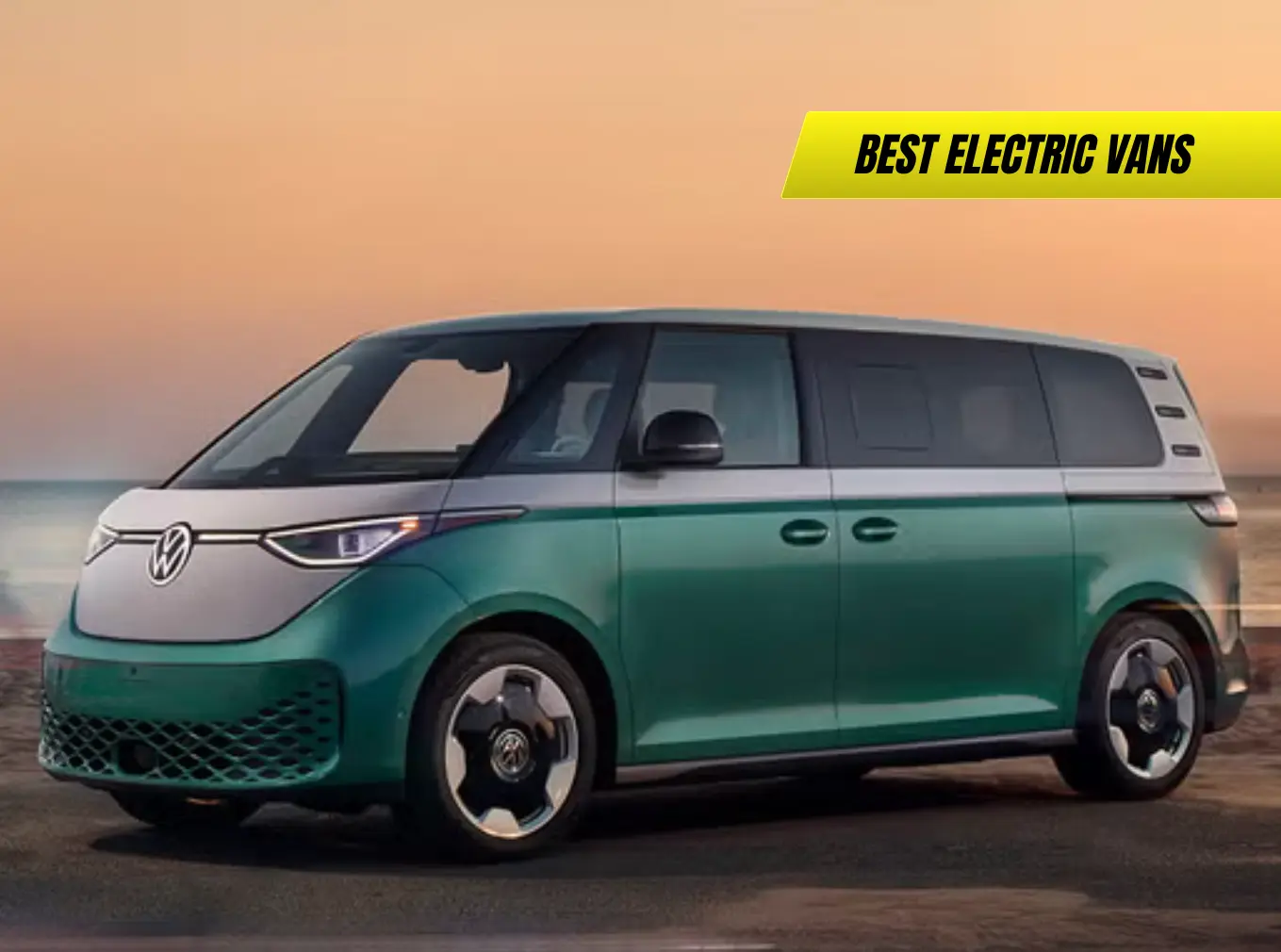
The electric van market in the UK has matured dramatically over the past two years — range anxiety has largely been resolved at the medium and large van level, the charging infrastructure for commercial users is more accessible, and running cost savings over diesel are now clearly demonstrated in real-world fleet data. This guide covers every segment for UK small business buyers in 2026.
Key Points
- The Renault Master E-Tech leads the large van segment with 285 miles WLTP range from £47,100 exc. VAT
- The Ford E-Transit Custom is the mid-size benchmark at £43,630 exc. VAT with up to 204 miles range
- The Ford E-Transit Courier is the top small van recommendation — best-in-class load space and refinement from £27,000 exc. VAT
- The Plug-in Van Grant (PiVG) reduces purchase prices by up to £2,500 for eligible small vans
- Total cost of ownership over four years typically favours electric vans for businesses driving over 15,000 miles annually
- Charging strategy — depot overnight charging versus public en-route charging — is the single most important operational decision before purchase
The Financial Case for Electric Vans in 2026
The headline purchase price of an electric van remains higher than its diesel equivalent — typically £8,000–£15,000 more at the medium van level. The financial case for electric rests on three running cost advantages:
Fuel cost: Commercial electricity rates — typically 15–25p/kWh for business tariffs — translate to an energy cost of approximately 4–8p per mile for a medium electric van. Diesel at current prices produces an equivalent cost of approximately 20–25p per mile for a comparable diesel van. The gap is approximately £1,200–£1,800 per year at 15,000 annual miles.
Servicing: Electric vans have no oil changes, no DPF, no exhaust system, and no clutch. Service intervals are longer and the work required is simpler — saving approximately £400–£600 annually compared to equivalent diesel servicing.
VED and Clean Air Zones: Electric vans pay zero VED, are exempt from ULEZ and London Congestion Charge, and are exempt from the clean air zone charges that affect diesel vehicles in Birmingham, Bath, Bristol, and other UK cities. For businesses operating in multiple city centres, this exemption has tangible and sometimes material value.
Over a four-year period at 18,000 annual miles, a realistic total cost of ownership calculation favours the electric van by approximately £6,000–£10,000 despite the higher purchase price — enough to justify the upfront premium for most active small business users.
The Plug-in Van Grant: What It Covers
The Plug-in Van Grant (PiVG) provides a Government discount of 35% of the purchase price up to a maximum of:
- £2,500 for small vans (gross vehicle weight under 2.5 tonnes)
- £5,000 for large vans (gross vehicle weight 2.5–3.5 tonnes)
The grant is applied automatically at point of purchase through the dealer — it is not a separate application process. To qualify, the van must be on the approved vehicle list at the Office for Zero Emission Vehicles and must be registered to a UK address.
Not all electric vans are eligible — check the current approved list before finalising a purchase, as the list is periodically updated. All models recommended in this guide are currently eligible.
The Best Electric Vans by Segment
Best Small Electric Van — Ford E-Transit Courier
The Ford E-Transit Courier took the small van segment by storm on its UK arrival and is the standout recommendation in 2026 for small businesses needing urban-focused capability. With 181 miles WLTP range, a 698kg payload, and 2.9 cubic metres of load volume, it delivers more than either its diesel Transit Courier predecessor or its direct electric competitors in the small van class.
Pricing from £27,000 exc. VAT after PiVG — making it one of the most accessible electric van entry points in the market. The refinement and driving quality mirrors the E-Transit Custom at a smaller scale, and the single-pedal driving mode makes urban delivery loops genuinely easy to manage.
Key specs: 181 miles WLTP | 698kg payload | 2.9m³ load volume | From £27,000 exc. VAT (after PiVG)
Best Small Van (Compact) — Citroën ë-Berlingo / Vauxhall Combo-e / Peugeot e-Partner
These three vans — mechanically identical as Stellantis Group sister vehicles with different badges — offer the most competitively priced entry into the electric van market for businesses needing compact dimensions with maximum urban practicality.
Pricing from £28,995 exc. VAT (Citroën ë-Berlingo), with 220 miles WLTP range and up to 4.4m³ of load volume. The Combo-e and e-Partner are priced within a few hundred pounds of the Berlingo. Choice between the three largely comes down to dealer proximity and any brand loyalty.
Key specs: 220 miles WLTP | from £28,995 exc. VAT | 4.4m³ load volume
Best Medium Electric Van — Ford E-Transit Custom
The Ford Transit Custom is the UK’s most popular van in any powertrain configuration — and the electric version maintains the reputation. With 204 miles WLTP range, a 1,088kg payload, and 6.8m³ of load volume, it matches its diesel sibling on capability while delivering the electric running cost advantage.
The E-Transit Custom’s onboard 2.3kW mains power socket — which allows power tools to be run from the van without a separate generator — is a genuinely useful feature for trades such as plumbers, electricians, and joiners. Pricing from £43,630 exc. VAT after PiVG.
Key specs: 204 miles WLTP | 1,088kg payload | 6.8m³ load | From £43,630 exc. VAT (after PiVG)
Best Large Electric Van — Renault Master E-Tech
The Renault Master E-Tech leads the large van category with the longest range in the segment at 285 miles WLTP — enough for most full commercial working days on a single charge. With 1,125kg payload and up to 14.8m³ load volume, it delivers full large van capability without compromise.
Pricing from £47,100 exc. VAT after PiVG. The Master E-Tech is the choice for businesses running fixed routes — deliveries, service calls, catering — where the predictability of a daily route allows confident range management.
Key specs: 285 miles WLTP | 1,125kg payload | 14.8m³ load | From £47,100 exc. VAT (after PiVG)
Best Electric Vans at a Glance
| Model | Segment | Range (WLTP) | Payload | Price exc. VAT (after PiVG) |
|---|---|---|---|---|
| Ford E-Transit Courier | Small | 181 miles | 698kg | From £27,000 |
| Citroën ë-Berlingo | Small/Compact | 220 miles | 800kg | From £28,995 |
| Vauxhall Combo-e | Small/Compact | 174 miles | 766kg | From £33,500 |
| Ford E-Transit Custom | Medium | 204 miles | 1,088kg | From £43,630 |
| Renault Master E-Tech | Large | 285 miles | 1,125kg | From £47,100 |
| VW ID. Buzz Cargo | Medium (premium) | 276 miles | 650kg | From £31,450 |
Charging Strategy: The Critical Operational Decision
The range numbers above are WLTP figures — real-world range in UK winter conditions, with heating running and at motorway speeds, will be 15–25% lower. This is not a problem for most commercial use patterns, but it requires an honest assessment of your routes before purchase.
Depot or home overnight charging is by far the most cost-effective and operationally simple strategy. A 7.2kW wall charger replenishes most medium vans overnight at commercial electricity rates. If your business has a premises where vehicles are parked overnight, this should be the primary charging strategy.
Public rapid charging — DC rapid chargers at 50–150kW — is the fallback for longer days or mid-route top-ups. Rapid charging commercial rates are higher than depot electricity but are increasingly widely available on major routes and in commercial areas. Plan routes using a charging network app (Zapmap is the most comprehensive for UK coverage) before committing to a van that you intend to operate away from overnight charging.
For the tax implications of electric company vans — including benefit-in-kind rates for personal use and the interaction with the Capital Allowances super-deduction — consulting a UK accountant familiar with commercial vehicle taxation is strongly recommended given the complexity of the rules in 2026.
FAQ
Is the Plug-in Van Grant still available in 2026?
Yes — the PiVG continues in 2026. The grant is £2,500 for small vans and £5,000 for large vans, applied automatically at the point of purchase through approved dealers. Check the current approved vehicle list at gov.uk/plug-in-vehicle-grants.
How much does it cost to charge an electric van overnight?
At a standard 7.2kW business charger on a commercial electricity tariff of 20p/kWh, charging a 75kWh battery (typical medium van) from 20% to 100% costs approximately £12 — equivalent to roughly 150–170 miles of range.
Can I use an electric van for motorway driving?
Yes — modern electric vans at medium and large scale are fully capable of motorway speeds. The E-Transit Custom at 70mph consumes range faster than at urban speeds; the 204-mile WLTP figure realistically delivers 150–170 miles of motorway driving before needing to charge.
Do electric vans qualify for the 100% first-year capital allowance?
Yes — zero-emission vans qualify for 100% first-year capital allowances under the UK’s Annual Investment Allowance, meaning the full cost can be offset against taxable profits in the year of purchase. This is a significant tax benefit for VAT-registered businesses and should factor into the total cost calculation.
Which electric van has the best payload?
The Renault Master E-Tech leads with 1,125kg maximum payload — among the best in the large van segment. The Ford E-Transit Custom delivers 1,088kg in the medium category.





