
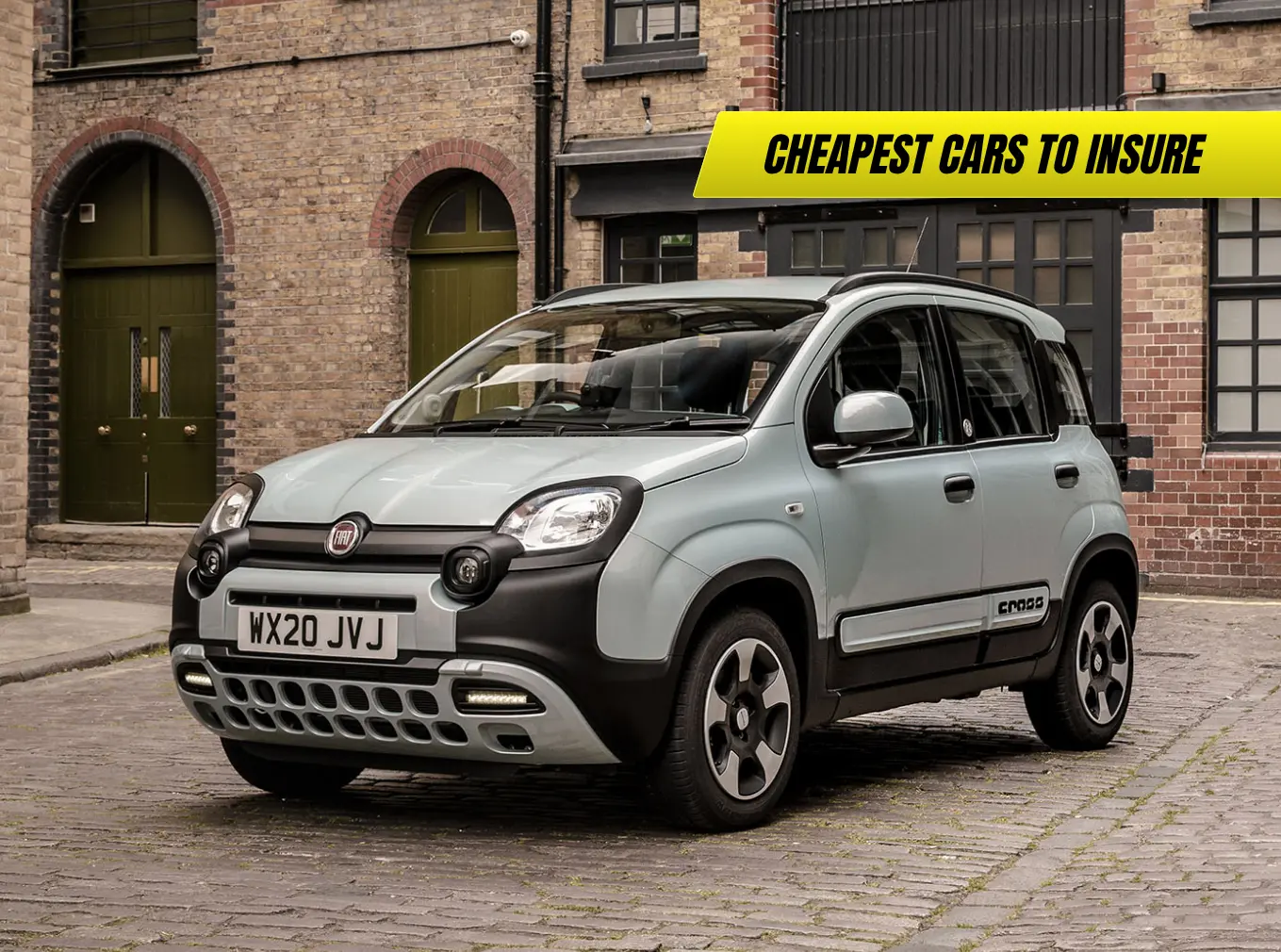
Insurance is frequently the largest single cost of motoring for drivers under 25 — often exceeding the purchase price of the car itself over the first year. Choosing the right vehicle is the single most effective action available to reduce this cost. This guide identifies the models with the lowest insurance groups and the lowest real-world premiums for young and new UK drivers.
Key Points
- The Hyundai i10 is the most consistently recommended car for new and young drivers based on insurance group and premium data
- Insurance group ratings run from 1 to 50 — the lower the group, the cheaper the cover; city cars and small hatchbacks dominate groups 1–10
- Telematics (black box) insurance can reduce premiums by 20–40% for young drivers who drive carefully
- The cheapest cars to insure are typically those with low repair costs, modest engine sizes, and strong safety ratings
- Annual premiums under £1,000 are achievable for new drivers on the right vehicle with the right insurer
- Adding a named experienced driver to the policy legitimately reduces premiums — but fronting (listing them as main driver) is insurance fraud
Why Car Choice Matters So Much for Young Drivers
Insurance premiums for 17–22 year old drivers are calculated primarily on statistical risk — and young drivers as a group have the highest accident rate of any age cohort on UK roads. The vehicle, however, is the one variable within the young driver’s direct control at the point of purchase.
A 19-year-old in insurance group 1 car may pay £800–£1,200 annually; the same driver in a group 20 vehicle may pay £2,500–£4,000 for the same comprehensive cover. The group difference reflects the insurer’s assessment of repair cost, parts availability, engine power, and theft likelihood — all of which are fixed characteristics of the vehicle rather than the driver.
The Cheapest Cars to Insure in 2026: By Segment
City Cars (Groups 1–5)
| Model | Insurance Group | Annual Premium (est.) | Notes |
|---|---|---|---|
| Hyundai i10 | 2–5 | £700–£1,100 | The consistent top recommendation for young drivers |
| Kia Picanto | 2–4 | £700–£1,050 | Seven-year warranty; engaging to drive |
| Volkswagen Up | 3–6 | £750–£1,100 | Premium feel; lower market availability as production ended |
| Dacia Sandero | 2–4 | £650–£950 | The cheapest new car in the UK — insurance group follows price |
| Fiat Panda | 4–7 | £800–£1,200 | Strong parts network; high brand loyalty |
Small Hatchbacks (Groups 5–14)
| Model | Insurance Group | Annual Premium (est.) | Notes |
|---|---|---|---|
| Skoda Fabia | 5–10 | £850–£1,300 | VW Group engineering at accessible price |
| SEAT Ibiza | 6–11 | £900–£1,400 | Sporty feel; avoid higher-spec FR trim for insurance savings |
| Toyota Yaris | 7–12 | £950–£1,400 | Hybrid economy bonus; very strong reliability |
| Renault Clio | 7–12 | £900–£1,350 | Wide availability used; strong safety rating |
| Ford Fiesta (used) | 8–15 | £950–£1,500 | Production ended but huge used supply; avoid ST variants |
Slightly Larger Hatchbacks (Groups 10–18)
| Model | Insurance Group | Annual Premium (est.) | Notes |
|---|---|---|---|
| Volkswagen Polo | 10–16 | £1,000–£1,600 | Step up from Up; strong build quality |
| Ford Puma | 11–16 | £975–£1,500 | Admiral data confirms second cheapest for 17–25 age group |
| VW T-Roc (1.0 TSI) | 14–18 | £975–£1,600 | Admiral data confirms cheapest across 17–25 in their portfolio |
How to Reduce Premiums Further
Telematics insurance: A black box or app-based telematics policy monitors speed, braking, cornering, and time of driving. For young drivers who drive carefully and avoid night driving, discounts of 20–40% on the base premium are achievable. For new drivers covering moderate mileage, telematics is almost always the financially rational choice regardless of the privacy trade-off.
Increasing the voluntary excess: A higher voluntary excess — the amount you agree to pay toward any claim before the insurer contributes — reduces the annual premium. Increasing from a £250 standard to a £500 voluntary excess typically saves £100–£250 annually. Only set an excess you can genuinely afford to pay in the event of a claim.
Named experienced driver: Adding a parent or other experienced driver as a named driver on a young driver’s policy legitimately reduces the premium — the insurer calculates the pooled risk of multiple drivers. This is legitimate and effective. Fronting — naming the experienced driver as the main policyholder when the young driver is actually the primary user — is insurance fraud, voids the policy, and can result in prosecution.
Annual payment: Paying the annual premium in full rather than monthly instalments avoids the effective interest charge built into monthly payment plans — typically 20–30% APR equivalent. On a £1,200 premium, paying monthly rather than annually can add £150–£250 to the total annual cost.
Comparison site discipline: Premium variation between insurers for the same vehicle and driver profile is enormous — commonly £400–£800 difference between the cheapest and most expensive quote for identical cover. Use at least two comparison sites (Comparethemarket and MoneySuperMarket cover different insurer panels) and check specialist young driver insurers such as Marmalade and Tempcover directly.
Insurance Groups Explained
Insurance groups in the UK are set by the Thatcham Research ABI Group Rating Panel, which assesses each vehicle on:
- Damage and parts costs — the primary driver of group rating
- Repair times — labour cost implication
- New car list price — higher-value vehicles cost more to replace
- Performance — engine power and 0–60 time as a proxy for risk
- Safety features — autonomous emergency braking and active safety systems reduce group ratings
- Security — immobiliser and alarm equipment; Thatcham security category
A vehicle in group 1 is assessed as the least expensive to insure across all these factors; group 50 is the most expensive. The full group rating for any vehicle is available from the Thatcham Research website and is the most reliable single reference for comparing insurance cost implications between models before purchase.
FAQ
What is the cheapest car to insure for a 17-year-old in the UK?
The Hyundai i10 and Kia Picanto consistently top the cheapest insurance lists for 17-year-olds — both sit in groups 2–4, have modest 1.0-litre engines, low repair costs, and strong safety ratings. Annual premiums of £700–£1,100 are achievable with a telematics policy.
Does the colour of the car affect insurance?
No — car colour is not a rating factor for any UK insurer. It is a persistent myth. Engine size, insurance group, postcode, and driver age are the dominant factors.
Will a driving conviction increase my insurance permanently?
Convictions are declared for five years from the date of conviction under the Rehabilitation of Offenders Act — though SP30 (speeding) endorsements are only on the licence for four years. Premium increases associated with convictions typically reduce gradually as the conviction ages and eventually disappears from the declaration.
Is it worth buying a car in a lower insurance group even if it costs more to purchase?
For young drivers, yes — the annual insurance saving from a group 3 versus group 12 vehicle can be £600–£800 per year. Over three years, this exceeds the purchase price premium of most group-3 vehicles versus group-12 alternatives, making the lower-group vehicle the more economical total ownership choice.
Does a car alarm or immobiliser reduce insurance?
Yes — Thatcham Category 1 (alarm and immobiliser) or Category 2 (immobiliser only) approval directly reduces the insurance group rating of a vehicle. Many modern cars include these as standard; older vehicles without factory immobilisers can be retrospectively fitted, though the group rating is fixed at manufacture.





