
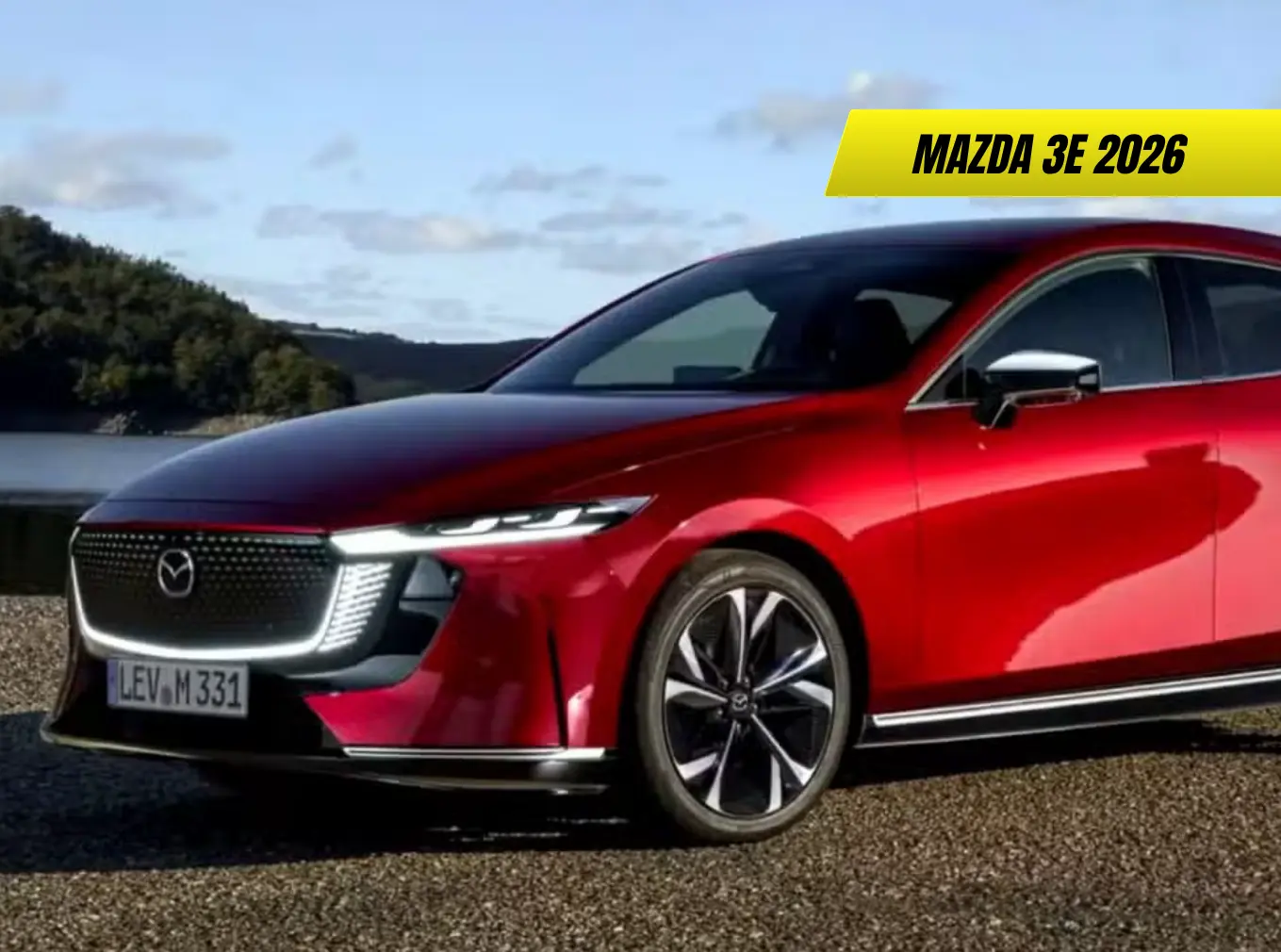
The Mazda 3 remains one of the most appealing family hatchbacks in the UK because it blends premium design, strong build quality and genuinely enjoyable handling in a market full of sensible but slightly bland rivals. It is not the biggest, cheapest or most practical car in the class, but it is one of the easiest to recommend if you want something that feels special every day.
Key points
- Mazda 3 is sold in the UK with a choice of refined petrol engines and manual or automatic gearboxes.
- Interior quality feels closer to a premium brand than a typical mainstream hatchback.
- Handling is one of the Mazda 3’s strongest qualities, with neat steering and a balanced chassis.
- Boot and rear-seat space are good rather than class-leading, so practicality is solid but not outstanding.
- Running costs are competitive if you value reliability, efficiency and strong residual appeal.
Mazda 3 overview for UK buyers
The Mazda 3 is aimed at drivers who care about the experience behind the wheel as much as the everyday practicality of a hatchback. In the UK it competes directly with the Volkswagen Golf, Toyota Corolla, Vauxhall Astra, Hyundai i30 and Peugeot 308, but it takes a different approach: rather than chasing the biggest screens or the lowest list price, it focuses on craftsmanship, driving feel and a more premium cabin.
That makes it especially attractive to UK buyers who want a compact hatchback that feels a little more upscale without moving into premium-brand pricing. It also works well for people who spend a lot of time on mixed roads, where steering response, ride quality and cabin noise matter just as much as outright fuel economy.
Engines and performance
Mazda keeps the powertrain range relatively simple, which suits buyers who prefer a straightforward choice rather than a long and confusing options list. In the UK, the 3 is available with naturally aspirated petrol engines and mild-hybrid assistance, paired with manual or automatic transmissions.
Typical versions include:
- A 2.5-litre petrol with around 138 bhp.
- A more powerful e-Skyactiv-X variant with around 184 bhp.
- Manual and automatic gearboxes depending on trim and engine.
The 138 bhp version is the calmer and more economical choice, while the stronger e-Skyactiv-X engine gives the car more pace and a more relaxed feel on faster roads. In my experience, Mazda’s engines suit drivers who like smoothness and linear response more than turbocharged punch.
For UK motorway use, the Mazda 3 feels stable and composed, and it is generally quiet enough to make long journeys easy. If you regularly carry passengers or drive in hilly areas, the stronger engine is the better pick because it works less hard and feels more effortless.
Interior quality and technology
This is where the Mazda 3 really stands out. The cabin has a restrained, premium look, with neat materials, a mature dashboard design and a level of visual calm that many rivals lack. It does not try to overwhelm you with gimmicks, and that is part of its appeal.
Mazda’s infotainment system is clean and easy to use, although the interface is not as screen-heavy or flashy as some competitors. Physical controls remain part of the experience, which many UK drivers will appreciate because they are easier to use on the move.
From my point of view, the Mazda 3’s interior is one of the best arguments for buying it. It feels well made, thoughtfully arranged and pleasant to live with every day, especially compared with rivals that rely too heavily on software-heavy layouts.
A useful table for this section would compare the Mazda 3 with Golf, Corolla and Astra across cabin quality, screen design, physical controls and perceived premium feel.
Space and practicality
The Mazda 3 is practical enough for most small families, but it is not the class leader for space. Rear legroom is acceptable for adults on shorter trips and perfectly fine for children, while the boot is usable for shopping, luggage and weekend breaks.
That said, buyers who often need a very large boot or the most rear-seat room should look carefully at the Golf, Corolla or Astra before deciding. The Mazda 3 trades a little practicality for style, quality and driving satisfaction.
In everyday UK life, that compromise usually works well unless you regularly carry bulky items, pushchairs or tall rear passengers. For a couple or a small family, it should be more than sufficient.
Driving experience
This is the area where the Mazda 3 earns its reputation. Steering feel is crisp, the chassis is balanced and the car feels more engaging than most mainstream hatchbacks. On UK A-roads and B-roads it feels neat and precise, which gives it a real advantage if you enjoy driving.
The ride is also nicely judged. It is firm enough to control body movement but not so stiff that it becomes tiring on typical British road surfaces. That balance is one of the reasons the Mazda 3 has such a loyal following.
If you spend most of your time on motorways, the Mazda 3 is also reassuringly settled at speed. It may not be the quietest hatchback in every circumstance, but it is polished and composed enough to feel like a more expensive car.
UK ownership costs
For UK buyers, the Mazda 3 sits in a fairly sensible ownership zone. Fuel economy depends on engine choice, but the mild-hybrid petrols are efficient enough for daily commuting and longer runs, while the more powerful engine gives better flexibility if you drive in mixed conditions.
Insurance is usually reasonable for the class, though exact costs vary by trim and power output. Road tax and company-car treatment will depend on the version you choose, so buyers focusing on lower running costs should compare official emissions figures carefully before ordering.
The Mazda 3 does not currently have the same electrified choice as some rivals, which means it is not always the first pick for drivers prioritising ULEZ-focused or plug-in-friendly ownership. But for buyers who value simplicity, reliability and a more traditional driving experience, that can actually be an advantage.
Mazda 3 vs main rivals
| Model | Main strength | Main weakness |
|---|---|---|
| Mazda 3 | Cabin quality and driving feel | Rear space and boot are only average |
| Volkswagen Golf | Refinement and all-round balance | Usually costs more |
| Toyota Corolla | Hybrid efficiency and reliability | Less engaging to drive |
| Vauxhall Astra | Value and electrified choice | Less premium feel |
| Peugeot 308 | Style and tech | Can feel less intuitive |
The Mazda 3 makes the most sense for buyers who care about the way a car feels rather than just the badge on the bonnet. If your priorities are comfort, quality and driver involvement, it belongs near the top of the shortlist.
FAQs
Is the Mazda 3 a good family hatchback?
Yes. It offers enough space for most small families, a high-quality interior and a comfortable driving experience, even if it is not the most practical car in the class.
Which Mazda 3 engine is best?
The 2.5-litre 138 bhp petrol is the easiest choice for everyday use, while the stronger e-Skyactiv-X version is better if you want more performance and a more relaxed feel at speed.
Is the Mazda 3 better than a Golf?
The Golf is usually stronger for outright practicality and overall balance, but the Mazda 3 often wins on interior charm and driving enjoyment.
Is the Mazda 3 expensive to run?
Not especially. Fuel economy is competitive for the class and maintenance costs are generally reasonable, though the exact figure depends on engine and trim.
Does the Mazda 3 work well in the UK?
Yes. It is well suited to British roads because it handles neatly, rides well and feels stable on motorways and narrower roads alike.
Conclusion
The Mazda 3 remains one of the most desirable hatchbacks in its class because it delivers something many rivals have lost: a sense of quality and character. It is not the most spacious or the most economical on paper, but it offers a more rewarding ownership experience than many cars in this segment. For UK buyers who want a hatchback that feels premium without moving into premium-brand prices, the Mazda 3 is still a standout choice.





