
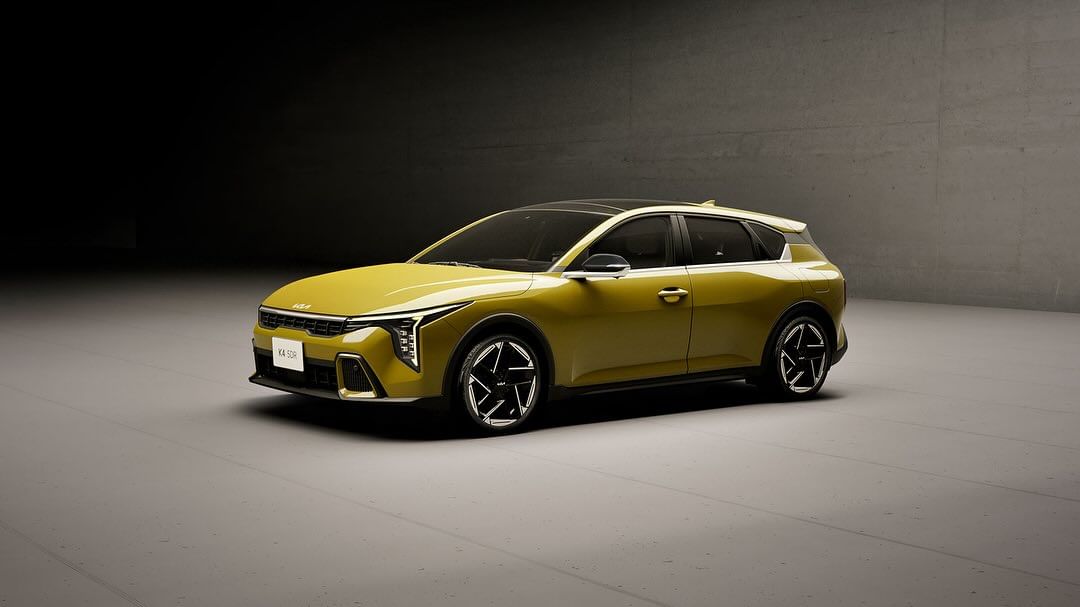
The Kia Ceed has been one of the most important hatchbacks in the UK over the last two decades, combining strong value, a long warranty and impressive practicality. However, by 2025 the Ceed hatchback, Sportswagon estate and ProCeed shooting brake were removed from new‑car sale in the UK as Kia shifted production capacity towards new electric models and the XCeed crossover. That means the Ceed is now primarily a used‑market proposition for British buyers – but still a very good one if you know what to look for.
Key points (summary)
- New Kia Ceed models have been discontinued for the UK; focus has shifted to XCeed and future EVs.
- As a used car, the Ceed remains attractive thanks to strong practicality and long original warranties.
- Boot space around 395 litres (hatchback) makes it one of the roomiest choices in its class.
- Engines include efficient petrols, diesels and, on the Sportswagon, a plug‑in hybrid.
- For new‑car buyers, alternatives now include Kia XCeed, plus rivals like i30, Astra, Golf and Corolla.
Kia Ceed in the UK: from new-car staple to used-market star
For nearly twenty years, the Kia Ceed was a core part of the UK family hatchback market and even gained pop‑culture recognition as the “reasonably priced car” on Top Gear. In 2025 Kia confirmed that production and UK sales of the Ceed hatch, Sportswagon and ProCeed would end, freeing up capacity at the Zilina plant in Slovakia for new electric vehicles such as the EV4 and EV2.
In practice, this means:
- You are unlikely to find factory‑fresh Ceeds on Kia UK’s new‑car price lists.
- Stock at individual dealers may be limited to pre‑registered or nearly new cars.
- The model’s future role in Britain is as a used car with a strong value proposition.
From my point of view, this actually improves the Ceed’s appeal for budget‑conscious buyers: depreciation has already done its work, but the car’s underlying strengths – space, equipment and warranty coverage – remain.
Engines and performance (2018–2025 generation)
Most UK buyers will be looking at the third‑generation Ceed (launched around 2018), which offered a broad range of engines over its life:
- Petrol
- 1.0 T‑GDi three‑cylinder turbo: good economy, adequate performance for town and light motorway work.
- 1.4 T‑GDi and later 1.5 T‑GDi: more power and torque, better suited to regular long trips.
- GT and GT‑Line models with higher outputs for a sportier feel.
- Diesel
- 1.6 CRDi units aimed at high‑mileage drivers, with strong motorway economy.
- Plug‑in hybrid (Sportswagon)
- On the estate version, a PHEV powertrain combining petrol and electric drive, allowing short electric‑only trips and lower running costs for urban drivers.
Gearboxes include 6‑speed manuals and 7‑speed dual‑clutch automatics. The driving experience is typically neat and competent rather than outright sporty: the Ceed steers accurately, rides comfortably and feels secure on UK motorways.
For used‑market shoppers:
- The 1.0 T‑GDi suits mostly urban and mixed light use.
- The 1.4 or 1.5 T‑GDi are better for frequent long journeys or heavy loads.
- The PHEV Sportswagon is ideal if you can charge at home and often drive short distances.
Boot space, practicality and everyday usability
One of the Ceed’s biggest advantages has always been its practicality. For the 2018‑onward hatchback:
- Boot space: about 395 litres with the rear seats up.
- Seats folded: around 1,291 litres of capacity.
This makes it:
- Bigger than a Volkswagen Golf’s boot.
- Bigger than a Vauxhall Astra’s.
- Smaller than a Honda Civic’s, but still among the best in the class.
The boot floor is well shaped, with a relatively low load lip in the later generation, making it easy to load and unload heavy items. If you need even more space:
- Ceed Sportswagon (estate) offers roughly 625 litres of boot capacity, extending to over 1,600 litres with seats folded.
Passenger space is also good. The Ceed’s relatively boxy roofline helps headroom, and the rear bench is comfortable for two adults or three children. Cabin storage (door bins, cupholders, cubbies) is generous, which is exactly what UK families and high‑mileage drivers need.
A simple table illustrates how practical the Ceed is:
| Model | Boot (seats up) | Notes |
|---|---|---|
| Kia Ceed | ~395 litres | Very strong for the class |
| VW Golf | ~380 litres | Slightly smaller |
| Vauxhall Astra | ~370–380 litres | Varies by generation |
| Toyota Corolla | 313–361 litres | Often smaller, especially hybrid |
Interior, comfort and equipment
Inside, the later Ceed generations offer a clean, functional design with:
- A central touchscreen infotainment system featuring smartphone mirroring.
- Physical dials and buttons for key functions like climate control and audio.
- A mix of soft‑touch and harder plastics, with higher trims feeling more upmarket.
Trim levels like 2, 3, GT‑Line and GT‑Line S typically defined equipment levels:
- Ceed 2 – strong basics: air con, alloy wheels, touchscreen, safety kit.
- Ceed 3 – more comfort features and upgraded infotainment.
- GT‑Line / GT‑Line S – sportier styling, larger wheels, better seats and extra tech.
Seats are generally comfortable and supportive, and the driving position is easy to adjust. Noise suppression is good for a car in this class, so it works well for long motorway journeys.
From my point of view, the Ceed’s cabin is less fancy than some newer rivals but more robust and straightforward, which can be a real advantage in a used car.
Reliability, warranty and used‑car appeal
A major reason to consider a Ceed on the used market is Kia’s famous long warranty. Many UK‑market Ceeds were sold with warranties up to seven years from first registration. That means:
- A 3–4‑year‑old Ceed may still have several years of manufacturer warranty left.
- Even older cars often show good reliability, thanks to proven engines and components.
This makes the Ceed especially attractive to buyers who want used‑car prices without completely giving up the reassurance of a new‑car‑style warranty.
For UK drivers, this also pairs well with good servicing support from Kia dealers and independent garages familiar with the model.
New‑car alternatives now that Ceed is gone
With the Ceed discontinued as a new car in the UK, buyers looking for a similar package have several logical alternatives:
- Kia XCeed – effectively a raised, crossover‑style evolution of the Ceed with a higher driving position and updated engines and tech.
- Hyundai i30 – mechanically related in spirit, offering strong value, big boot space and a long warranty.
- Vauxhall Astra – more tech‑focused, with plug‑in hybrid and electric variants.
- Toyota Corolla – full‑hybrid efficiency and strong reliability for urban and mixed driving.
- Volkswagen Golf – more premium image and refinement, usually at a higher price.
A comparison table for new‑car buyers might look like:
| Need | Best current new‑car options |
|---|---|
| “New Ceed‑style” family car | Kia XCeed, Hyundai i30 |
| Maximum hybrid efficiency | Toyota Corolla, certain Astra/308 hybrids |
| Premium feel and image | Volkswagen Golf, Mazda 3 |
FAQs
Can I still buy a new Kia Ceed in the UK?
As of 2025, the Ceed hatchback, Sportswagon and ProCeed have been withdrawn from new‑car sale in the UK. Any remaining cars are likely to be pre‑registered stock at dealers rather than factory‑order models.
Is the Kia Ceed still a good buy used?
Yes. It’s an excellent used choice thanks to strong practicality, decent equipment, good reliability and the possibility of remaining Kia warranty coverage on relatively young cars.
How big is the Kia Ceed’s boot?
The hatchback offers about 395 litres of boot space, which is bigger than many of its direct rivals. The Sportswagon estate provides an even larger boot, making it ideal for families and high‑mileage drivers.
Which Kia Ceed engine is best for UK use?
For mostly urban and mixed driving, the 1.0 T‑GDi petrol is efficient and adequate. For regular motorway trips or carrying heavier loads, the 1.4 or 1.5 T‑GDi petrol or the 1.6 diesel are better suited. The PHEV Sportswagon works well if you can charge at home and do lots of short trips.
What should I consider instead of a new Ceed?
If you want something similar as a new car, look at the Kia XCeed or Hyundai i30 for a similar mix of value and practicality, or cross‑shop with Astra, Golf and Corolla if you want more tech or hybrid options.
Conclusion
The Kia Ceed may have bowed out of the UK new‑car market, but it remains a very strong contender on the used market. With one of the largest boots in its class, a comfortable and straightforward cabin, well‑proven engines and the possibility of a long remaining warranty, it offers exactly what many British buyers need from a practical hatchback. For those who are happy to buy used and want maximum everyday usability and value without chasing the latest badge or tech trend, the Ceed is still one of the smartest choices you can make.





