
Returning to a scorching hot car after parking in the sun is an experience every driver knows. The cabin feels like an oven, seats are hot, and the air conditioning seems not to work. But with a few simple tricks, you can cool down your car quickly and return to comfort in just minutes.
Key takeaways: Use the rear window method to expel hot air, switch on air conditioning at medium setting after expelling heat, park in shade or use silver sunshade, do not open all windows together, set temperature to 22°C for optimal comfort.
The Scientific Trick to Cool Your Car Immediately
Scientist Hannah Fry discovered a simple but effective method to cool your car quickly. Before switching on the air conditioning, lower one rear window and, on the opposite side, open and close the car door quickly 3-4 times. This creates pressure that pushes hot air out of the car.
The physics principle is clear: when you close the door quickly, you push an air wave that crosses the cabin and exits through the open window. Repeating this action replaces hot air with cooler air from outside.
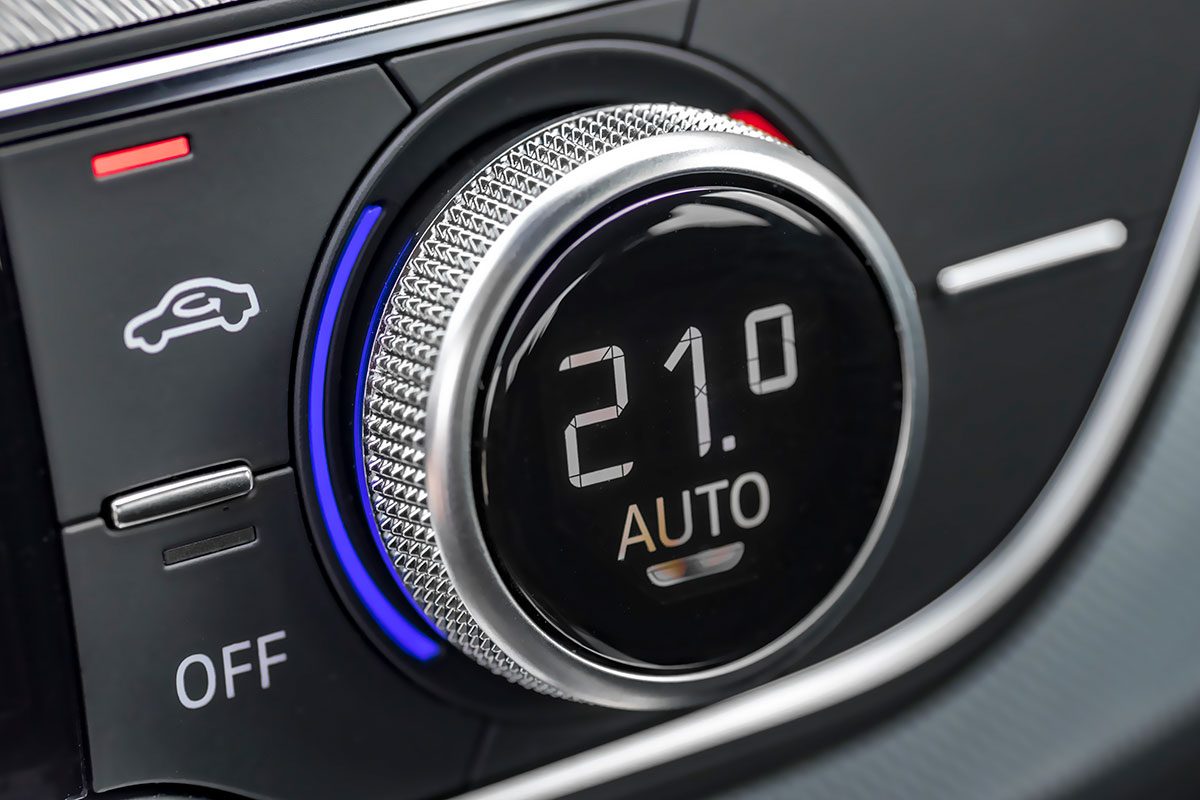
After this process, close the window, switch on air conditioning at medium speed, and set temperature to 22°C. Do not use maximum power immediately: the air conditioning works better when not overloaded.
Errors That Slow Down Cooling
Many drivers make errors that prolong cooling time. Do not open all windows together when starting: this does not create effective air flow. Do not switch on air conditioning at maximum immediately: the system overheats and works less efficiently. Do not set temperature too low below 18°C: this increases consumption without significantly improving comfort.
Do not always park in the sun without protection. A silver sunshade reduces interior temperature by 15-20°C compared to a car without protection. Do not leave seats uncovered if they are leather: direct heat creates permanent damage over time.
Car Sunshades: Do They Really Work?
Yes, car sunshades work effectively when you choose the correct type. Reflective silver sunshades on the windscreen can reduce interior temperature by 15-20°C compared to cars without protection. This is not a small number: it means going from 45°C to 25-30°C in the cabin.
Benefits of quality sunshades include significantly lower cabin temperature, dashboard protection from cracking and fading, reduced air conditioning workload when you start driving, and prevention of seats becoming uncomfortably hot.
When choosing a sunshade, look for silver or white reflective coating, secure attachment clips or magnets, proper size for your windscreen, and durable tear-resistant material. Quality sunshades last years and are an investment that pays back immediately.
How to Protect Your Dashboard from Sun
The dashboard is the most vulnerable part of the car to summer sun. Apply a UV protection treatment specifically designed for automotive interiors. These products contain UV blockers that prevent cracking and fading.
Use a dashboard cover or sunshade when parking. Fabric covers provide better protection than plastic ones and do not reflect heat back onto the dashboard. Keep the interior clean – dust and dirt particles can scratch the dashboard surface when exposed to heat. Clean regularly with a soft cloth and appropriate cleaner.
Avoid plastic protectors that reflect heat back onto the dashboard: these can actually increase damage rather than prevent it.
Car Air Conditioning: When to Recharge It
Your car’s air conditioning should be recharged when you notice it taking longer to cool the interior. A typical recharge interval is every 2-3 years, as the system naturally loses gas through small leaks.
Signs that your climate system needs recharge include: air conditioning taking longer than usual to cool the cabin, airflow feeling weak even at higher fan settings, or temperature not reaching the setting you’ve chosen.
Professional recharge services check for leaks first, then refill with the correct amount of refrigerant gas. Attempting DIY recharge without proper equipment can damage the system.
How to Tell If Your Car Climate System Is Working Poorly
Signs indicating your air conditioning is not working correctly: weak airflow usually means the filter is clogged with dust, pollen, or particles. Slow cooling suggests possible refrigerant gas leak. Bad odours when switching on indicate dirty filter or mould in the system. Windows fogging up point to moisture buildup or filter issues. Insufficient airflowindicates general system malfunction.
If you notice any of these signs, have your climate system inspected by a qualified mechanic.
How Much Does Air Conditioning Affect Fuel Consumption
Air conditioning in your car increases fuel consumption by up to 20% on petrol and diesel vehicles and up to 12% on electric cars. This happens because part of the engine’s power is used to operate the compressor, reducing overall performance. On electric vehicles, the climate system draws power directly from the battery, reducing driving range.
Tips to reduce climate system consumption: pre-cool the car by opening windows before switching on air conditioning, use climate system at medium settings rather than maximum, park in shade to reduce initial temperature difference, and maintain the system properly for optimal efficiency. For official vehicle information, visit gov.uk.
How to Keep Your Car Fresh When Parked
Keep your car fresh when parked using these methods. Leave windows slightly open if safe to allow air circulation. Use window vents or small openings at the top.
Use natural air fresheners like bamboo chips or activated charcoal bags instead of chemical air fresheners. These absorb moisture and odours without adding artificial smells.
Keep the interior clean by removing rubbish regularly and vacuuming frequently. Food remnants and dirt are the main sources of bad odours.
Avoid leaving damp items like wet towels, clothing, or sports equipment in the car. These create mould and unpleasant smells.
Park in ventilated areas when possible, avoiding enclosed spaces where air does not circulate.
DIY Car Air Conditioning Cleaning
Simple DIY cleaning steps: replace the cabin filter – locate it (usually behind the dashboard or under the bonnet) and install a new one. Clean the exterior condenser – use a soft brush to remove dirt and debris from the condenser located behind the front grille.
Use AC cleaning spray – spray into the air intake while the system runs on maximum. Wipe down interior vents – use a soft cloth to remove dust from visible vents. Run the system dry – before turning off the car, switch off the AC but keep the fan on for 2-3 minutes to dry the system.
Important: Do not attempt to open the refrigerant system yourself. Professional servicing is required for gas recharge and leak detection.
How to Eliminate Bad Odours from Your Car
Bad odours in your car usually come from the air conditioning system. Clean air conditioning filters regularly. Clogged filters trap dust, pollen, and mould that cause unpleasant smells. Replace filters every 12-15 months or when you notice reduced airflow.
Use an air conditioning sanitiser available at most automotive stores. These products kill mould and bacteria in the system. Follow instructions carefully – usually run climate system on maximum with windows closed for 10-15 minutes.
Remove source of odours by checking for food scraps, damp clothing, or wet items in the car. Clean the interior thoroughly, paying attention to under seats and door pockets.
Ventilate regularly by opening windows when weather permits to let fresh air circulate and prevent moisture buildup.
What Never to Leave in Your Car in Heat
Never leave these items in your car during hot weather: batteries for phones or cars can explode or catch fire. Air fresheners have plastic containers that can melt and release toxic fumes. Perfume bottles have glass that can shatter and liquid that is flammable. Spray cans build up pressure causing explosion. Electronic devices like phones, laptops, tablets can overheat and damage. Sunglasses have plastic frames that can warp. Matches/lighters are highly flammable and can ignite. Medication has heat that destroys effectiveness. Perishable food items spoil quickly.
Remove these items before parking your car, especially in direct sunlight.
How to Prevent Heatstroke in Your Car
Heatstroke in cars is a serious life-threatening condition, particularly for children and pets. Never leave children alonein a parked car even for a few minutes. Check interior temperature before letting children or pets enter. Use sunshades to reduce interior heating. Keep windows slightly open when parked if safe for air circulation. Carry plenty of water for all passengers.
If someone shows heatstroke symptoms: move them to a cooler location immediately, remove excess clothing, apply cool (not cold) water to skin, seek medical help urgently.
Traveling with Children in Summer: Essential Tips
Pre-cool the car before placing children inside by opening windows and running air conditioning for a few minutes. Use proper child seats appropriate for their age and size. Ensure seats are not becoming too hot by covering them with light cloth before children enter.
Stop air conditioning a few minutes before reaching destination, opening windows to avoid sudden temperature changes that can upset children. Carry plenty of water and portable snacks. Avoid sugary drinks that can make children feel worse in heat.
Plan breaks every 2 hours to let children stretch and cool down. Stop at shaded locations with facilities. Never leave children alone in car even for short periods.
How to Travel with Pets in Your Car in Summer
Pre-cool the car before letting pet enter. Check that seats are not too hot. Use proper pet carrier or restraint system. Never allow pets to travel freely in back seat.
Provide plenty of water in spill-proof container. Offer water during every break. Stop every 2-3 hours to let pet out, walk, and cool down. Find shaded areas with grass.
Never leave pets alone in parked car even with windows open. Interior temperatures can reach dangerous levels within minutes.
If pet shows heatstroke signs: move to cool location immediately, apply cool water to body (not ice cold), offer small amounts of water, seek veterinary help urgently.
Electric Car in Summer: Real Autonomy
Air conditioning reduces electric car range by 12% on average. However, summer conditions can improve efficiency compared to winter because battery performance is better at moderate temperatures, no need for heating systems, less energy lost to cold weather.
Tips to maximise electric car range in summer: pre-cool car while still plugged in, use climate system at medium settings, park in shade to reduce cooling needs, maintain steady speeds on highway at 60-65 mph. For official vehicle emissions data, visit SMMT.
In my experience, proper summer car cooling techniques transform uncomfortably hot driving into pleasant journeys within minutes. The scientific method of opening rear window and pumping door is simple but incredibly effective.
From my point of view, the most important thing is prevention – do not wait for the car to become scorching before acting. Use sunshades, park strategically, and employ the cooling trick before switching on AC.
I would recommend focusing on basics first: use quality silver sunshades, learn the rear window door-pumping trick, set AC to 22°C not minimum, and never leave dangerous items in hot cars. These simple steps make summer driving significantly more comfortable and safe.
For UK drivers, remember summer temperatures can reach 35°C+, making these precautions essential. British summer may be unpredictable, but when hot weather arrives, your car needs proper protection. For tyre pressure recommendations, check DVLA.





