
Many UK drivers wonder how much their air conditioning impacts fuel costs. The answer is significant: air conditioning increases fuel consumption by up to 20% on petrol and diesel vehicles and up to 12% on electric cars. Understanding this impact helps you make informed decisions about when and how to use your climate system.
Key takeaways: AC increases consumption by 15-20% on average, electric cars lose 10-12% range, medium settings are more efficient than maximum, pre-cooling reduces workload, proper maintenance improves efficiency, 22°C is optimal temperature, parking in shade reduces AC need.
The Real Impact on Fuel Consumption
Air conditioning in your car increases fuel consumption by up to 20% on conventional petrol and diesel vehicles. This isn’t a small amount – it translates to noticeable extra costs over time, especially with frequent use during summer months.
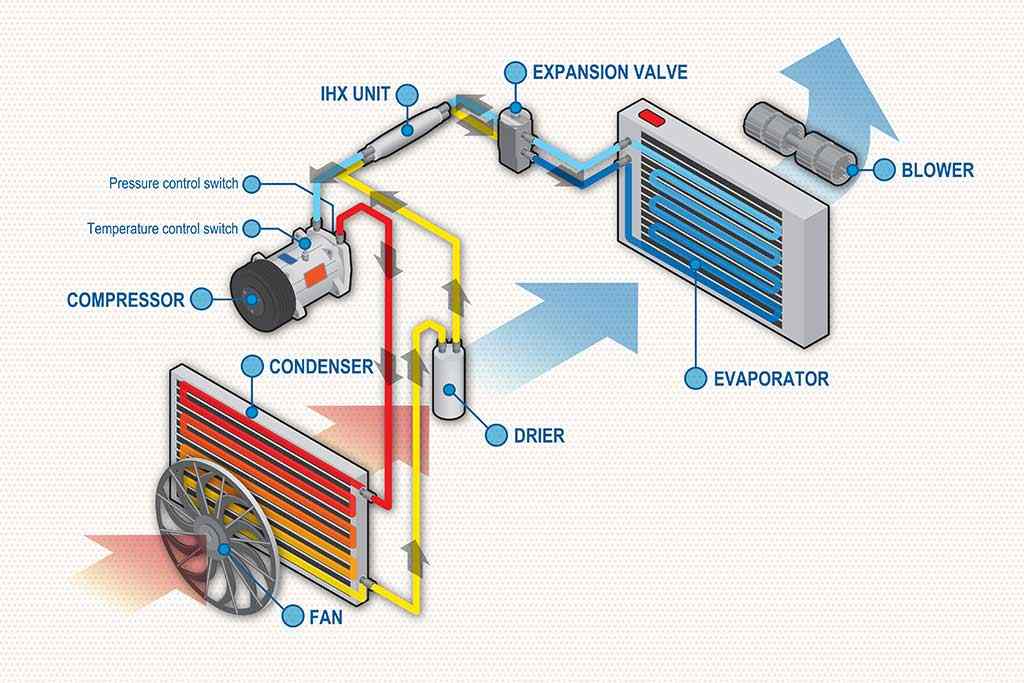
This happens because part of the engine’s power is used to operate the compressor. The compressor is the heart of the air conditioning system, pressuring refrigerant gas to create cold air. When the engine divertsw power to run this compressor, less power is available for driving, reducing overall performance and increasing fuel consumption.
On electric vehicles, the climate system draws power directly from the battery instead of the engine. This reduces driving range by up to 12% on average. For a car with 400km range, this means losing 48km – a significant reduction for long journeys.
Consumption by Driving Conditions
| Condition | Consumption Increase |
|---|---|
| City driving at low speed | 15-20% |
| Highway driving at 70 mph | 10-15% |
| Electric car (any speed) | 10-12% |
| Maximum AC setting | Up to 20% |
| Medium AC setting | 12-15% |
City driving shows higher consumption because the engine works less efficiently at low speeds, and the AC represents a larger proportion of total power used. Highway driving at steady speeds is more efficient, so the percentage impact is lower.
Why Air Conditioning Increases Consumption
The physics behind increased consumption is straightforward. The air conditioning system requires mechanical energy to operate:
- Compressor operation – The compressor needs power to pressurise refrigerant. This power comes directly from the engine via a belt connection.
- Condenser cooling – The condenser needs airflow to release heat. At low speeds, the electric fan runs constantly, drawing additional power from the engine.
- Evaporator cooling – The evaporator absorbs heat from cabin air. The blower fan that pushes air through requires electrical power.
- Additional electrical load – Control systems, sensors, and displays add to the electrical demand, which the engine must support through the alternator.
All these components combined create a significant power demand. A typical car AC system consumes 3-5 kW of power – equivalent to 4-7 horsepower continuously while running. This is substantial for a small engine.
Factors That Influence AC Consumption
Several factors affect how much your air conditioning increases fuel consumption:
Vehicle Type and Engine Size
Smaller engines show higher percentage increases because the AC represents a larger proportion of total power. A 1.0-litre city car might see 20% increase, while a 3.0-litre luxury car might only see 12%.
Hybrid vehicles benefit from electrified AC systems that can run on battery power when the engine is off, reducing overall consumption impact by 3-5%.
Driving Speed
Low speeds (under 40 mph): Higher consumption increase (15-20%) because engine efficiency is lower and AC represents larger proportion of power used.
Highway speeds (60-70 mph): Lower percentage increase (10-15%) because engine operates more efficiently.
Very high speeds (over 80 mph): Consumption increases again due to aerodynamic drag combined with AC load.
Temperature Settings
Maximum cooling (16-18°C): Highest consumption – up to 20% increase. The compressor runs continuously at maximum capacity.
Medium cooling (20-22°C): More efficient – 12-15% increase. The compressor cycles on and off, reducing average power demand.
Minimal cooling (24-26°C): Lowest consumption – 8-10% increase. Compressor runs intermittently with long off periods.
Outside Temperature
Very hot (35°C+): Higher consumption as the system works harder to cool from extreme temperatures.
Moderate warm (25-30°C): Standard consumption levels.
Mild (15-20°C): Lower consumption or AC may not need to run at all.
Vehicle Condition
Well-maintained system: Optimal efficiency with proper refrigerant levels and clean components.
Poorly maintained system: Higher consumption due to leaks, dirty filters, and inefficient components. A system with 10% refrigerant loss might consume 25% more power.
Tips to Reduce Air Conditioning Consumption
You can significantly reduce AC consumption impact with smart habits:
Pre-Cool Before Switching On AC
Open windows for 2-3 minutes before switching on air conditioning. This expels hot air naturally, reducing the temperature difference the AC must overcome. This simple step can reduce consumption by 3-5%.
Use the Hannah Fry method: lower one rear window and pump the opposite door open-closed 3-4 times to push hot air out quickly. This is even more effective than just opening windows.
Use Medium Settings Instead of Maximum
Setting AC to 22°C rather than 16°C reduces consumption by 5-8%. The compressor cycles on and off instead of running continuously. Your comfort difference is minimal, but fuel savings are significant.
Use medium fan speed rather than maximum. Higher fan speeds consume more electrical power without significantly improving cooling.
Park in Shade
Parking in shade reduces interior temperature by 15-20°C compared to direct sun. This means the AC starts from a lower temperature, reducing the workload and consumption by 3-7%.
Use a silver reflective sunshade on the windscreen when shade isn’t available. This provides similar temperature reduction benefits.
Maintain Your System Properly
Replace cabin filters every 12-15 months. Clogged filters reduce airflow, forcing the system to work harder and consume more power. A clean filter improves efficiency by 5-8%.
Check refrigerant levels annually. Low refrigerant forces the compressor to run longer and harder, increasing consumption by 10-15%.
Clean the condenser regularly. Dirt and debris block heat transfer, reducing efficiency and increasing consumption by 5-10%.
Turn Off AC Before Reaching Destination
Switch off AC 2-3 minutes before arriving but keep the fan running. This dries the evaporator, preventing mould growth that reduces efficiency. A clean, dry system consumes 3-5% less power.
Use Natural Ventilation When Possible
At low speeds in moderate weather (under 25°C), open windows instead of using AC. This saves fuel completely, though at highway speeds above 50 mph, closed windows with AC is more efficient due to aerodynamic drag.
Combine AC with Heated Seats
If your car has heated seats, use them with AC at 22°C instead of AC at 18°C. This provides comfort while reducing overall consumption by 4-6%.
Electric Cars: Special Considerations
Electric vehicles face unique challenges with air conditioning:
Range Impact
Air conditioning reduces electric car range by 10-12% on average. For a car with 400km range, this means losing 40-48km. In very hot conditions (35°C+), the impact can reach 15%.
Battery Pre-Cooling
Pre-cool your car while plugged in before departing. This uses grid electricity instead of battery power, preserving range. Many electric cars have this feature through smartphone apps.
Eco Mode
Use eco driving mode which limits AC power consumption. This reduces comfort slightly but preserves 5-8% more range.
Cabin Pre-Conditioning
Program your car to condition the cabin before you leave using scheduled preconditioning. This runs while plugged in, not using driving battery power.
Consumption Comparison: AC vs Open Windows
Many drivers wonder whether to use AC or open windows. The answer depends on speed:
| Speed | Better Option | Reason |
|---|---|---|
| Under 40 mph | Open windows | No AC consumption, minimal drag |
| 40-50 mph | Similar | Both options comparable |
| Over 50 mph | Closed windows + AC | Open windows create significant drag |
| Highway 70 mph | AC essential | Drag from open windows exceeds AC consumption |
At highway speeds, open windows create aerodynamic drag that increases consumption by 10-15%, which is similar to or greater than AC consumption. Closed windows with AC is actually more efficient.
Long-Term Cost Impact
Over a year, air conditioning consumption translates to real costs:
Petrol Car Example (15,000 miles/year)
- Without AC: 15,000 miles ÷ 40 mpg = 375 gallons = £1,688 (at £4.50/gallon)
- With AC (15% increase): 375 × 1.15 = 431 gallons = £1,940
- Annual cost increase: £252
Diesel Car Example (15,000 miles/year)
- Without AC: 15,000 miles ÷ 50 mpg = 300 gallons = £1,350 (at £4.50/gallon)
- With AC (15% increase): 300 × 1.15 = 345 gallons = £1,553
- Annual cost increase: £203
Electric Car Example (15,000 miles/year)
- Without AC: 15,000 miles ÷ 4 km/kWh = 3,750 kWh = £638 (at £0.17/kWh)
- With AC (12% increase): 3,750 × 1.12 = 4,200 kWh = £714
- Annual cost increase: £76
While electric cars show lower absolute costs, the percentage impact is significant for range planning on long journeys.
When to Use AC vs When to Avoid It
Use AC When:
- Outside temperature exceeds 28°C
- Driving at highway speeds over 50 mph
- Car has been parked in sun and interior is very hot
- Humidity is high and windows fog up frequently
- Long journey where comfort affects fatigue
Avoid AC When:
- Outside temperature under 20°C
- Short journey under 10 minutes
- City driving at very low speeds under 30 mph with moderate weather
- Electric car with low battery and need maximum range
- Parking briefly with engine off
Maintenance That Improves Efficiency
Proper maintenance keeps your AC system running efficiently:
Annual refrigerant check: Ensures correct levels for optimal performance. Poor levels increase consumption by 10-15%.
Filter replacement every 12 months: Clean filters improve airflow and efficiency by 5-8%.
Condenser cleaning every 6 months: Removes debris blocking heat transfer, improving efficiency by 5-10%.
Evaporator cleaning every 2 years: Prevents mould buildup that reduces efficiency by 8-12%.
Compressor inspection every 3 years: Early detection of wear prevents efficiency loss of 15-20%.
Regular maintenance is cheaper than dealing with increased fuel costs from inefficient operation.
In my experience, most drivers overestimate AC consumption impact and use it less than necessary for comfort. The truth is that moderate AC use at 22°C is more efficient than extreme settings, and the comfort benefit often outweighs the small fuel cost increase.
From my point of view, the most important thing is smart usage rather than avoidance. Pre-cooling, using medium settings, parking in shade, and maintaining the system properly reduce consumption impact by 10-15% while maintaining comfort.
I would recommend using AC when needed for comfort and safety, but following the tips above to minimise consumption. A 15% fuel increase is manageable with good habits, but neglecting maintenance can push this to 25% or more.
For UK drivers, remember that summer temperatures regularly reach 30-35°C, making AC essential for comfortable and safe driving. The fuel cost increase is worth the comfort and fatigue reduction on long journeys. For official vehicle efficiency information, visit gov.uk. For industry statistics, check SMMT.





