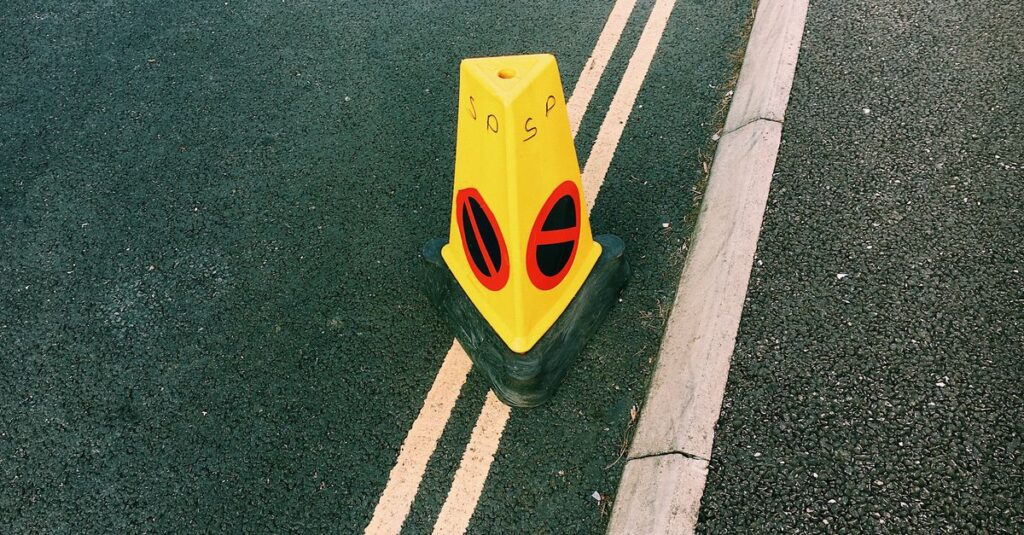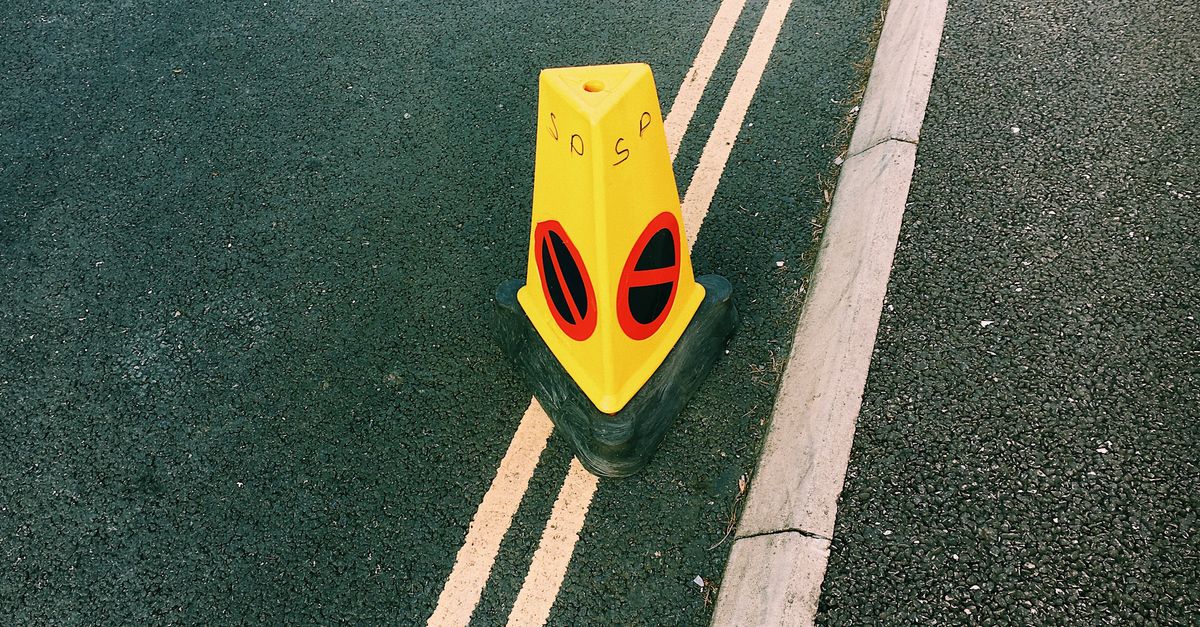
Yellow lines are one of Britain’s easiest parking traps. A single yellow line may be legal outside its signed operating hours, while double yellow lines normally prohibit waiting at any time. For drivers, the answer depends on more than the colour: read the nearby plate or controlled-parking-zone sign, look for additional restrictions and consider whether you are waiting or making a permitted stop. The core rules are set out in The Highway Code’s road-marking guidance and the government’s guide to on-street parking controls.
The quick answer
| Road marking | Normal rule | What to check |
|---|---|---|
| Single yellow line | No waiting during the days and times shown on a nearby yellow plate or controlled-parking-zone sign | Outside those hours, waiting may be allowed unless another restriction applies |
| Double yellow lines | No waiting at any time | An upright sign is normally not needed, but separate rules can still affect loading or stopping |
Single yellow lines: the sign sets the hours
A single yellow line is not automatically a 24-hour ban. The restriction normally operates only on the days and during the hours shown on a nearby yellow time plate or controlled-parking-zone sign.
If no days are shown on the plate, the restriction normally applies every day, including Sundays and bank holidays. If a sign limits the restriction to particular hours, parking may be permitted outside those hours, provided there is no other parking, loading or stopping restriction in force.
That means a driver should not make a decision based solely on seeing one yellow line. The sign may establish the operating times for the wider controlled area, so check the approach to the street as well as the exact place where the car is being left. The official parking-control guide explains how signs and road markings work together.
Double yellow lines: no waiting at any time
Double yellow lines mean no waiting at any time. Unlike a time-limited single yellow line, they do not normally need an upright sign beside them to make the restriction clear. A missing time plate is therefore not a reason to assume that parking is allowed.
The restriction is about waiting, rather than every possible brief stop. Passenger pick-up and drop-off, and loading or unloading, may usually be allowed, subject to any separate restriction. The Highway Code’s waiting and parking guidance sets out the distinction.
Yellow lines can cover more than the road
Yellow-line waiting restrictions generally apply to the carriageway, pavement and verge, not just the narrow strip of tarmac immediately beside the line. Parking partly on a pavement or verge does not automatically avoid the restriction.
This is a common mistake on narrow streets, where drivers may assume that moving two wheels away from the line changes the rule. It does not: check the whole area controlled by the marking and any nearby signs. The Ask the Police explanation of single and double yellow lines also covers where these restrictions apply.
When can you stop on yellow lines?
Drivers may usually stop on yellow lines to pick up or set down passengers, or to load and unload goods. That exception can be removed by separate loading restrictions, and another rule may prevent stopping altogether. Look for additional signs and yellow kerb markings before relying on it.
It is not a general permission to leave the car while shopping or carrying out an unrelated errand. Once the passenger has been collected or the loading activity has finished, the ordinary waiting restriction still matters.
A quick check before leaving the car
Before switching off the engine, check:
- Whether the marking is single or double yellow.
- The days and hours on any nearby yellow time plate.
- Whether a controlled-parking-zone sign sets the restriction for the area.
- Any additional signs or kerb markings covering loading or stopping.
- Whether the stop is genuinely for passengers or loading, rather than ordinary parking.
If the sign is unclear or another marking appears to conflict with the yellow line, the safest option is to use a permitted parking place instead of relying on an assumption.
What the rules mean across the UK
The GOV.UK road-marking publication linked above states that its guidance applies to England, Scotland and Wales. Local signs and additional restrictions must still be followed, and drivers in other parts of the UK should check the relevant local official guidance rather than assume every detail is identical.
The bottom line
A single yellow line means check the times. Double yellow lines normally mean no waiting at any time. Both restrictions can extend to the pavement and verge, while passenger stops and loading may be permitted unless a separate restriction says otherwise. When in doubt, read every nearby sign before leaving the vehicle.