Why the race needs a decoder
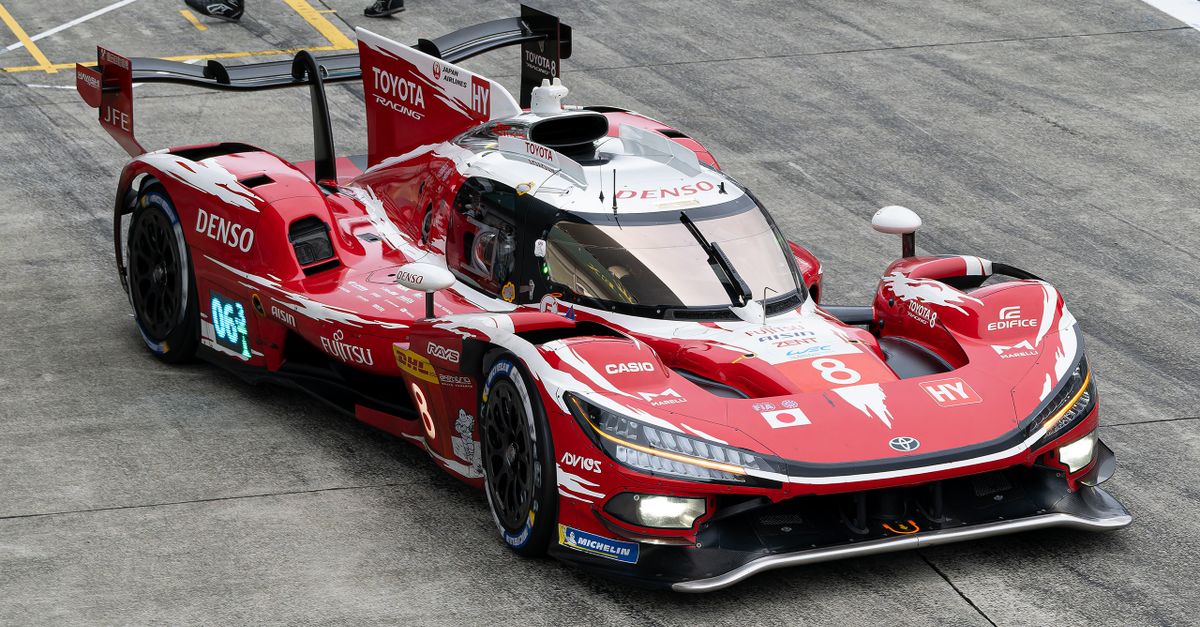
The 24 Hours of Le Mans is one endurance race, but it is not one single class contest. The current format puts Hypercar, LMP2 and LMGT3 entries on track together, with separate competition within the classes. That distinction matters to UK viewers: a car can be central to the LMP2 or LMGT3 battle without running at the front of the Hypercar category. The official race overview and class guide set out this three-class structure.
The three Le Mans classes
| Class | How to understand it |
|---|---|
| Hypercar | The top category. |
| LMP2 | A separate class competition within the race. |
| LMGT3 | A separate class competition within the race. |
All three classes race together, so television coverage can move between different battles. When a commentator discusses a car’s position, the class being referred to is crucial context.
Why drivers change
A Le Mans entry is shared by multiple drivers rather than being driven continuously by one person. Motorsport Magazine’s guide to how the race works says that no driver may drive for more than four hours within a six-hour period.
Driver changes normally happen during pit stops. They can be carried out alongside refuelling, a tyre change or repairs, allowing the team to combine several jobs during one visit to the garage. The result is a carefully managed rotation of drivers rather than a series of separate, simple stops.
The exact regulations can vary by edition, so the relevant year’s supplementary regulations remain the controlling document. The 2026 Le Mans supplementary regulations are an example of that event-specific rulebook.
What happens during a pit stop?
The pit lane is tightly controlled. The official Le Mans race rules explanation states that cars must observe a 60 km/h pit-lane speed limit, stop at their garage with the engine switched off before intervention and allow only a limited number of mechanics to work on the car.
A stop can involve some combination of:
- refuelling;
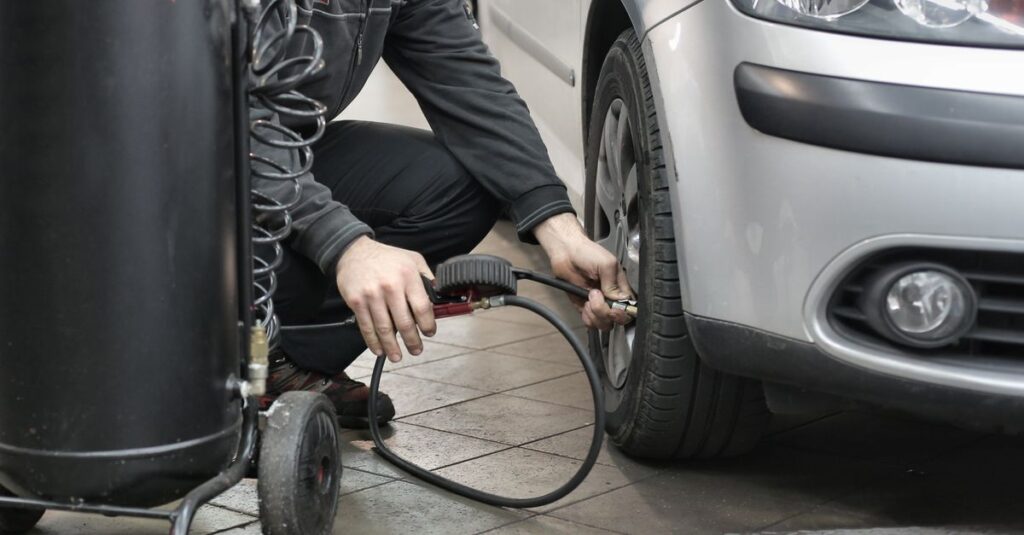
- changing tyres;
- changing drivers;
- cleaning the car; and
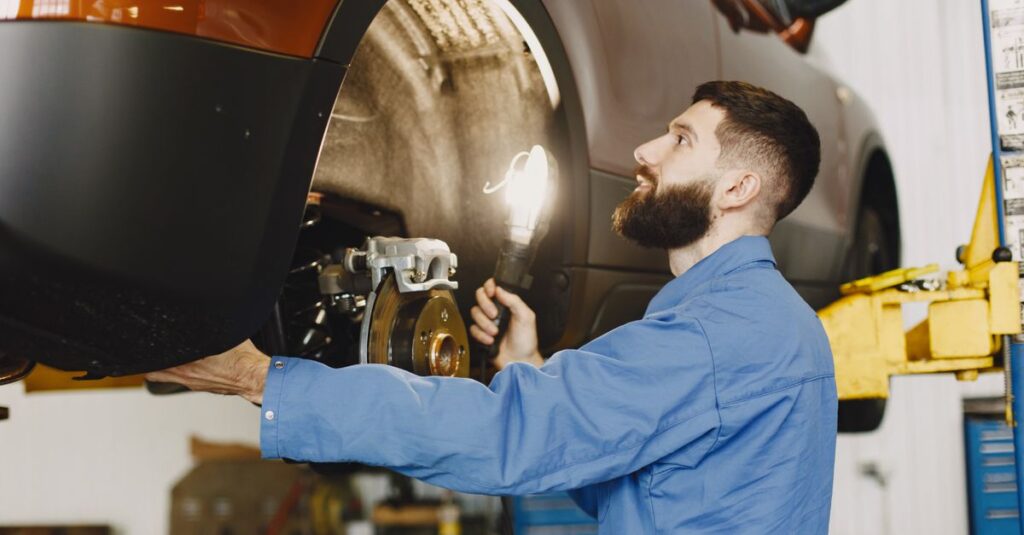
- carrying out repairs.
The official explanation of pit-stop tactics makes clear that the permitted work and its sequence are governed by the event regulations. Teams cannot simply carry out every task in any order they choose.
Why pit stops are a strategic battle
Every visit to the pit lane costs time. Teams must balance that loss against the need to keep drivers, tyres and fuel within their operating limits. A driver change may therefore be paired with another job, but the quickest-looking stop is not automatically the best decision if a car needs different work later in the race.
That is why the order on a timing screen needs to be read with some caution. A car may be in the pits while a rival continues, or one team may be combining a driver change with tyres and fuel. The pit-stop cycle can temporarily alter the order before the cars’ strategies become clearer.
A simple way to follow the live coverage
- Identify the class. First establish whether the battle is in Hypercar, LMP2 or LMGT3.
- Watch the pit-lane activity. Note whether the stop includes a driver change, tyres, fuel, cleaning or repairs.
- Remember the rules. The 60 km/h limit, engine-off requirement and restrictions on the pit crew are part of the race’s framework.
- Check the edition. For precise details about permitted work or sequencing, use the supplementary regulations for that year rather than relying on an old explanation.
In short, Le Mans is several class contests unfolding at the same time. Shared driving, strict pit-lane procedures and the need to combine servicing tasks are what turn a long-distance race into a constantly changing strategic contest.
Source 1 · Source 2 · Source 3 · Source 4 · Source 5 · Source 6