A car that drifts to one side is not automatically suffering from a major failure: the slope, or camber, of the road can create a mild tendency. However, a pull that persists, becomes stronger or appears when you brake deserves attention.
The Highway Code’s vehicle-maintenance guidance says a car pulling to one side during braking could have a brake fault or incorrectly inflated tyres. It advises having the problem checked by a garage or mechanic immediately. The government’s Ready to Pass? guidance also lists unusual pulling under braking as a vehicle safety issue drivers should recognise before setting off.
That is a warning to take the symptom seriously, not a diagnosis of one particular failed component.
What the official guidance says
Tyre condition and pressure are an important starting point. The Highway Code warns that both under-inflated and over-inflated tyres can adversely affect braking and steering. Excessive or uneven wear may point to a braking or suspension fault, or to wheels being out of alignment. Read the full guidance.
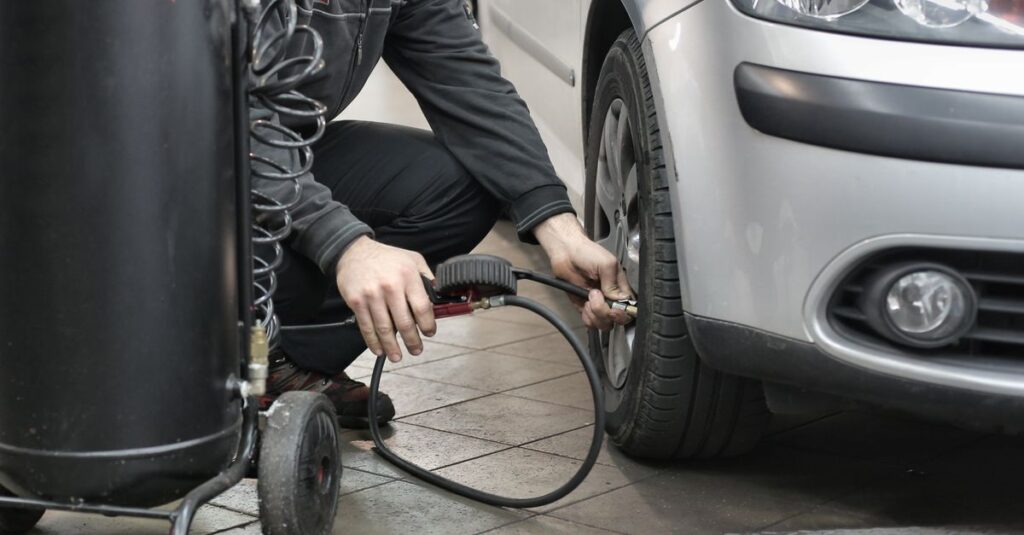
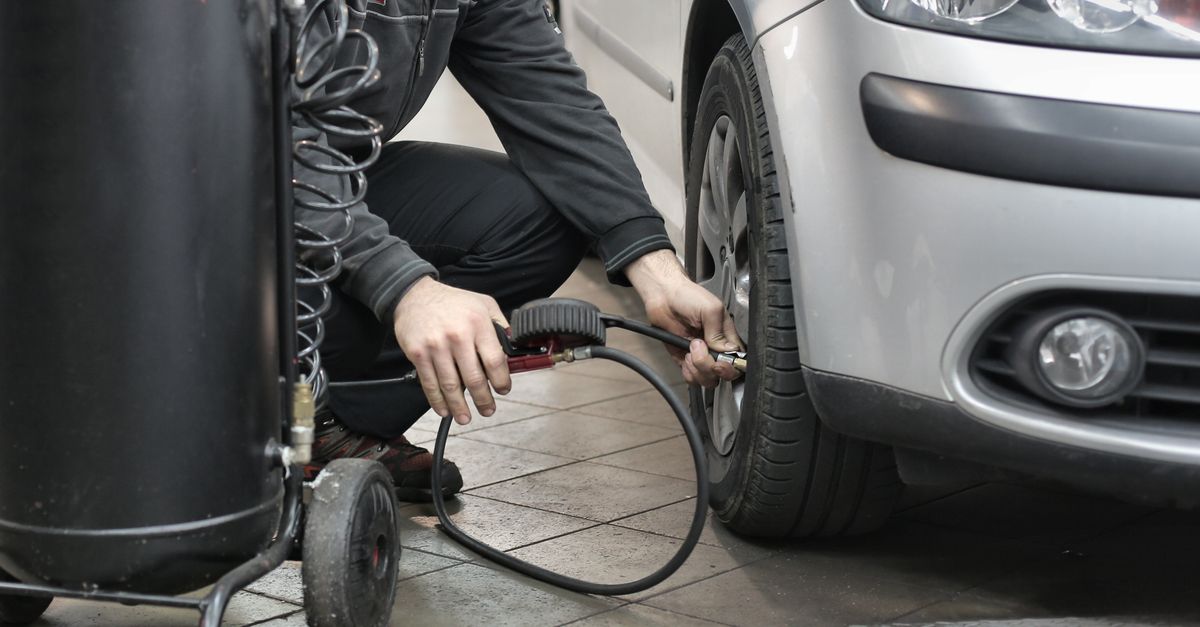
Do not assume that a tyre that looks inflated is necessarily at the correct pressure. Check the tyres when the car is safely parked and compare the readings with the vehicle manufacturer’s recommended figures. A pressure check is useful, but correcting it does not rule out a brake, alignment or suspension problem.
When the pulling happens is a useful clue
The timing and circumstances can help a garage investigate, although they cannot identify the fault on their own.
- Only when braking: Treat this as the most urgent pattern. A brake fault or tyre-pressure problem is specifically identified in the Highway Code, which says to arrange an immediate check.
- While driving normally: Possible causes include a difference in tyre pressure or condition, wheel misalignment, road camber, a brake that is binding, or worn steering and suspension components. These possibilities are outlined by Tyres HQ and Just Tyres, but none is a confirmed diagnosis without inspecting the vehicle.
- Only on a particular road or slope: A mild drift may be caused by the road surface. If the car continues to pull on different roads, or the tendency is getting worse, it should not simply be dismissed as camber.
- Alongside repeated bouncing: The Highway Code says that a car which continues to bounce after being pushed down at the front or rear may have worn shock absorbers, which should be replaced. That check should not be treated as a substitute for a proper inspection.
Safe checks you can make yourself
When the vehicle is stationary and safely parked:
- Check all tyre pressures against the maker’s recommended figures, rather than guessing from the appearance of the sidewalls.
- Look for excessive or uneven tread wear. Uneven wear can be a sign of a braking, suspension or wheel-alignment issue, even if the pressure is correct.
- Note when the pull occurs. Is it present while cruising, or only after the brake pedal is pressed? Does it change with the slope of the road?
- Avoid dismantling brakes, steering or suspension components unless you are properly qualified to do so.
Do not deliberately test the problem at speed or in traffic. A short observation made during normal, safe driving is enough to tell a garage whether the symptom is constant or linked to braking; the inspection should establish the cause.
When to stop driving and seek help
A strong or sudden pull, particularly under braking, should not be treated as normal road behaviour. Follow the Highway Code’s advice and contact a garage or mechanic immediately. If the car feels unsafe to control, do not drive it to the workshop: arrange assistance from a qualified professional or a recovery service instead.
A light but persistent drift still warrants a garage appointment, even if the tyre pressures appear correct. Ask for the tyres, wheel alignment, brakes and steering and suspension components to be checked. Those are areas for the technician to investigate, not a list of parts to replace without evidence.
The safest approach is therefore simple: check the pressures and visible tyre condition, take note of when the car pulls, and treat any braking-related change as urgent. A road camber may explain a slight drift, but it should not be used to explain away a persistent or worsening loss of straight-line control.