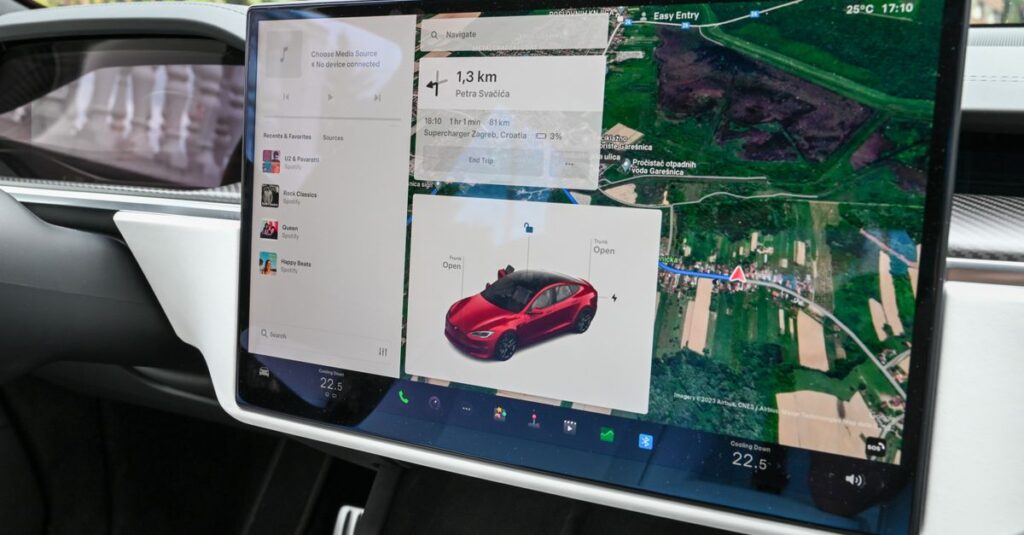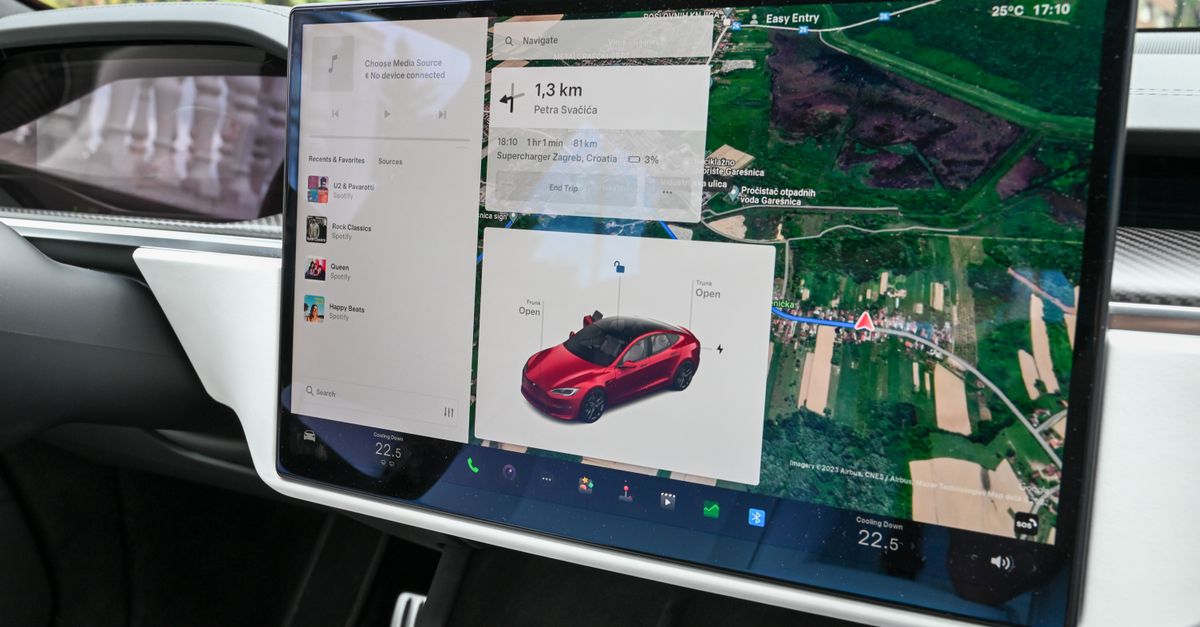
The shift towards software-defined cars matters because a vehicle’s capabilities may no longer be fixed on the day it is handed over. A car built around software, connectivity and centralised computing can have some functions maintained or improved during its life.
For UK drivers, that could mean bug fixes and security improvements without every eligible update requiring a dealer visit. It also makes software support, privacy and hardware important questions when choosing a new car. The Automotive Council’s explainer and the Vehicle Certification Agency’s guidance set out the basic principles.
What is a software-defined vehicle?
A software-defined vehicle, or SDV, relies heavily on software, connectivity and centralised computing. That allows some vehicle functions to be maintained, refined or improved after the car has entered service.
The idea is broader than fitting a large touchscreen. Software may affect infotainment, connected services, driver-assistance systems and other vehicle functions. However, an SDV is still limited by the hardware fitted to it. A later software update cannot automatically give a car equipment or sensors it was never designed to use.
How over-the-air updates work
An over-the-air, or OTA, update is software delivered remotely to a connected vehicle rather than installed through a dealership every time. Depending on the model and the manufacturer’s systems, OTA updates can support infotainment changes, connected-service improvements, security fixes and changes to some driver-assistance software.
That does not mean every function can be updated remotely. The VCA says that the precise functions covered depend on the vehicle’s hardware and on the relevant approval requirements. An OTA capability is therefore a way of delivering software, not a promise that every future feature will be available to every owner.
What could change for UK drivers?
The potential benefits are significant, although they depend on the manufacturer and the individual vehicle.
- Faster fault correction: software bugs may be fixed remotely instead of waiting for a routine workshop visit.
- Security improvements: connected vehicles can receive software changes intended to address cyber-security issues.
- Post-sale refinement: manufacturers may be able to improve or adjust some functions after the car has been sold.
- Less dealership dependence: eligible updates may be completed remotely, although some work may still require a dealer or another approved process.
These benefits could make a car feel less like a fixed product and more like a system that develops over time. They may also change how buyers compare models: the update policy could matter almost as much as the original equipment list.
What UK rules cover
Cybersecurity and software updates are not simply matters for a manufacturer’s marketing department. For the UK market, the relevant framework includes UN Regulations 155 and 156. R155 covers vehicle cybersecurity, while R156 covers software-update management, including processes for assessing and deploying updates safely. The VCA’s official guidance explains these requirements, while the UK type-approval legislation provides further detail.
The UK government’s principles for connected and automated vehicles also say that software security should be managed throughout a product’s software lifetime, with appropriate aftercare and incident-response processes.
Those rules provide a framework for managing risk. They do not create a universal list of features that every UK car must receive, nor do they guarantee that an older vehicle will gain a new driver-assistance capability. Hardware, the manufacturer’s decisions and regulatory approval will continue to matter.
The limits and risks of connected cars
The same connectivity that makes remote improvements possible brings potential concerns.
Cybersecurity is a continuing responsibility rather than a one-off check before a car is sold. A manufacturer needs processes for identifying problems, preparing updates and responding to incidents throughout the software’s life.
Software faults are another consideration. An update can be useful, but owners still need clear information about what it changes and what to do if a vehicle displays a warning or behaves unexpectedly. Drivers should follow the manufacturer’s instructions and seek qualified assistance where a problem could affect safety.
Privacy also deserves attention. Connected services may involve the collection and processing of vehicle or user data, so buyers should understand what information is used and how it is managed.
Finally, hardware and approval limits cannot be ignored. A software update may refine a supported function, but it cannot by itself remove the physical or regulatory boundaries of the vehicle.
Questions to ask before buying
Because update policies vary by model, UK buyers should ask the manufacturer or retailer:
- Which systems can receive OTA updates?
- Which updates still require a dealership or another physical intervention?
- How long will software support and security aftercare be provided?
- Are future functions included, optional or linked to a separate service?
- What vehicle and personal data is collected by connected features?
- What support is available if an update fails or creates a fault?
The answers may be more useful than a simple claim that a car is “software-defined”. They reveal whether the technology is supported by a clear ownership plan.
The bottom line
Software-defined cars could give UK drivers quicker fixes, stronger security maintenance and useful improvements after purchase. But OTA updates should be viewed as a capability, not a guarantee of unlimited upgrades.
The most sensible approach is to assess the whole package: the vehicle’s hardware, the functions covered by remote updates, the manufacturer’s support policy, its approach to cybersecurity and the way connected data is handled.