Buying a used hybrid is not simply a normal used-car inspection with a battery question added. A UK buyer needs to establish what type of hybrid is being sold, verify the paper trail and gather evidence about the battery and brakes before paying. Guidance from Gumtree’s UK used-hybrid guide combines a cold start, warning-light check, test drive and service-history review, with a hybrid-trained inspection or scan particularly useful when an older car has incomplete documentation.
Warranty terms, service intervals and inspection procedures vary by make, model, hybrid type and registration date. Treat the following as a pre-purchase checklist, not a model-specific diagnosis.
1. Verify exactly what is being sold
Start with the car’s identity and paperwork. Confirm the hybrid type and check the vehicle details against the V5C. Then review its MOT history, recorded mileage, service records and ownership details. You should also check for outstanding finance, write-off status, recalls and any remaining hybrid-battery warranty. Gumtree’s guide to hybrid-car history and documents sets out these checks as part of establishing the vehicle’s background.
A mismatch between the advert, the car and its documents does not automatically prove a mechanical fault or wrongdoing, but it is a reason to pause. Ask the seller to explain missing information or unexplained mileage changes before you commit to the purchase.
Do not assume that the word warranty in an advert tells you everything. Confirm whether any hybrid-battery cover remains and check the terms that apply to that particular car.
2. Assess the battery using several pieces of evidence
A battery assessment should not rest on a seller’s reassurance or one look at the dashboard. The useful process is to see the car from cold, check for warning lights, drive it, and compare what you observe with its service history. That combination is recommended in Gumtree’s guide to checking a used hybrid’s battery and system.
If possible, arrange to view the car before it has been driven. Check the dashboard during start-up and note any unexplained warning that remains. Take a proper test drive rather than relying on a stationary demonstration, then ask questions about any gaps in the records.
For an older hybrid, or one with a weak or incomplete paper trail, an inspection or diagnostic scan by a technician trained to work on hybrid systems can provide more useful evidence than a verbal promise. It cannot remove every uncertainty about a used car, but it is a sensible way to investigate a question that a visual inspection cannot answer.
3. Do not overlook the friction brakes
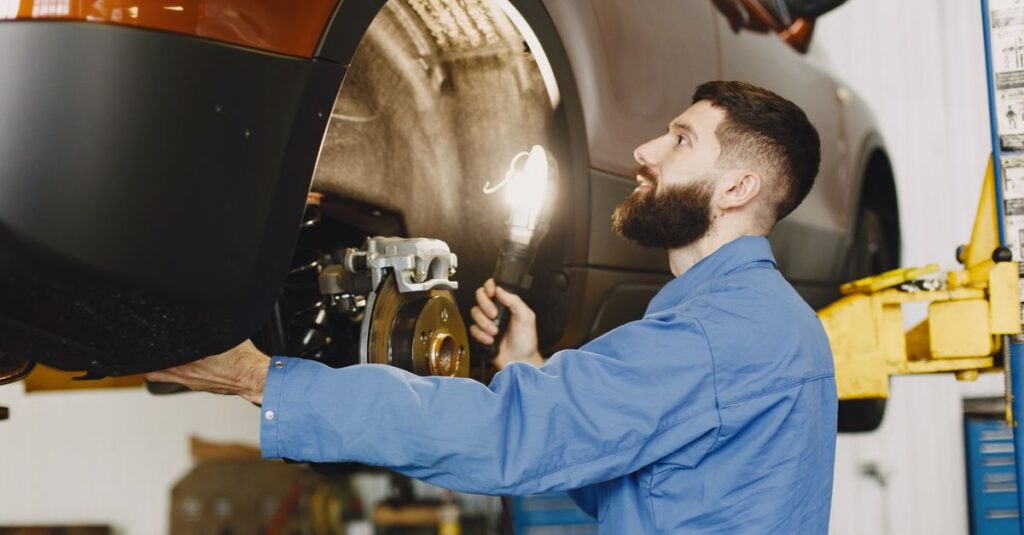
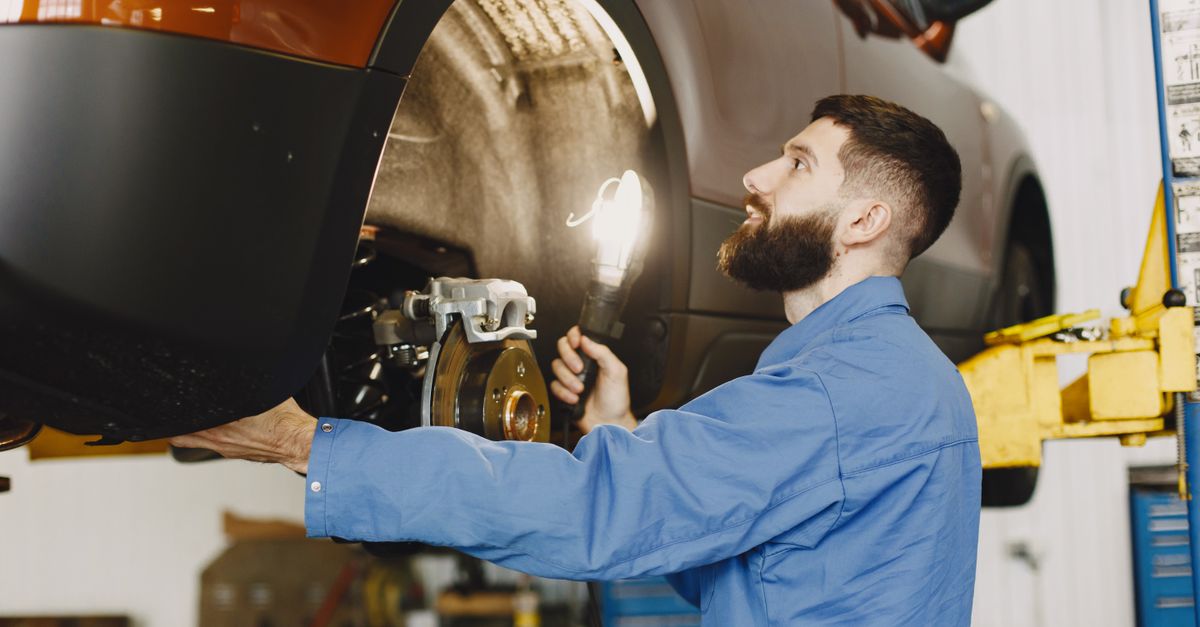
Regenerative braking can reduce how often the conventional friction brakes are used. That means buyers should inspect the discs and pads and read the car’s MOT advisories rather than assume the braking system has experienced a normal wear pattern. This point is also highlighted by Vehicle Check Online’s used-hybrid guidance and Gumtree’s document checklist.
Use the test drive to make sure the braking feels normal. If the pedal, stopping behaviour or visible condition raises a concern, have the car assessed by a qualified professional before buying. An MOT history is useful context, but it should be considered alongside a physical inspection and the rest of the vehicle’s records.
4. Check that the service history covers both systems
A hybrid still has a petrol or diesel engine, where fitted, as well as its hybrid system. The service record should provide evidence that both have been maintained. Carbuyer’s secondhand-hybrid guide and Gumtree’s buying guidance both advise looking beyond a simple claim of full service history.
Check dates, mileages and invoices where available. Gaps, missing invoices or unexplained changes in mileage are reasons for further investigation rather than automatic proof that the car is unsuitable. Ask what work was carried out and compare the answer with the vehicle handbook or the manufacturer’s model-specific servicing information. Do not apply one hybrid’s service schedule or warranty assumptions to another.
5. Leave high-voltage work to a professional
The orange cables and other high-voltage components are not a DIY inspection point. Any work involving them should be handled by a qualified professional; Carboratory’s UK used-hybrid guide specifically warns buyers not to improvise repairs on high-voltage cables.
If you want more certainty, arrange a pre-purchase inspection with a technician who is trained to work on the relevant hybrid system. Do not remove covers, probe cables or attempt a repair simply to investigate a warning.
A simple checklist before you pay
- Confirm the hybrid type and match the vehicle details with the V5C.
- Review the MOT history, mileage, service records and ownership details.
- Check for outstanding finance, write-off status, recalls and remaining battery warranty.
- See the car start from cold and check for unexplained warning lights.
- Take a proper test drive.
- Inspect the brake discs and pads, and read MOT advisories.
- Make sure the records cover both the petrol or diesel engine and the hybrid system.
- Investigate gaps, missing invoices or unexplained mileage changes.
- Arrange a hybrid-trained inspection or scan if the car is older or poorly documented.
- Leave high-voltage cables and components to a qualified professional.
The sensible buying decision
The strongest used-hybrid purchase is not necessarily the one with the lowest mileage. It is the one whose identity, history, battery evidence and braking condition can be checked and explained.
If important information cannot be verified, do not fill the gaps with assumptions. Ask for a professional inspection before paying, or walk away if the remaining uncertainty is too great.
Source 1 · Source 2 · Source 3 · Source 4 · Source 5 · Source 6