For UK families choosing their next car, the small SUV’s higher driving position can be appealing, but it does not automatically make it the more practical or affordable option. A family hatchback is often the simpler, more economical choice, while a small SUV can make getting in and out easier and may offer more headroom. The right answer depends on how the car will be used, rather than its body shape alone. What Car? and Nationwide Motor Co both highlight that the SUV does not always deliver more usable space.
Space: measure the car, not the styling
A small SUV can feel roomier when you climb into it, but the raised driving position does not necessarily mean a larger boot or more useful rear-seat space. What Car?’s small-SUV guide uses the Škoda Kamiq as an example of a model whose driving position is only modestly higher than that of a conventional family hatchback.
That matters if the main reason for choosing an SUV is carrying capacity. A hatchback with a longer body can provide plenty of room for passengers and luggage without adopting an SUV stance. Drive’s UK small-car guide identifies cars such as the Volkswagen Golf, Škoda Octavia and Toyota Corolla as larger hatchbacks that can offer useful rear-seat space.
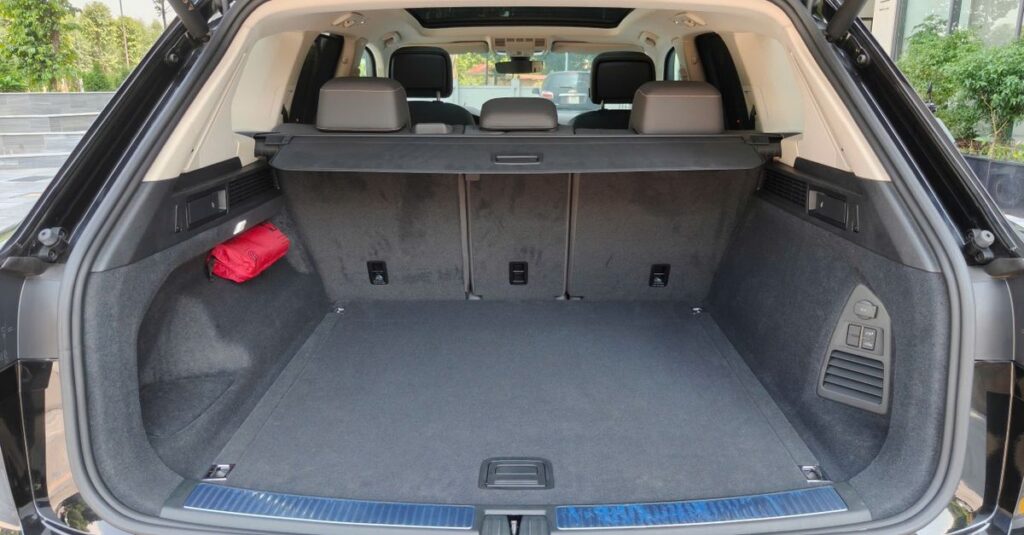
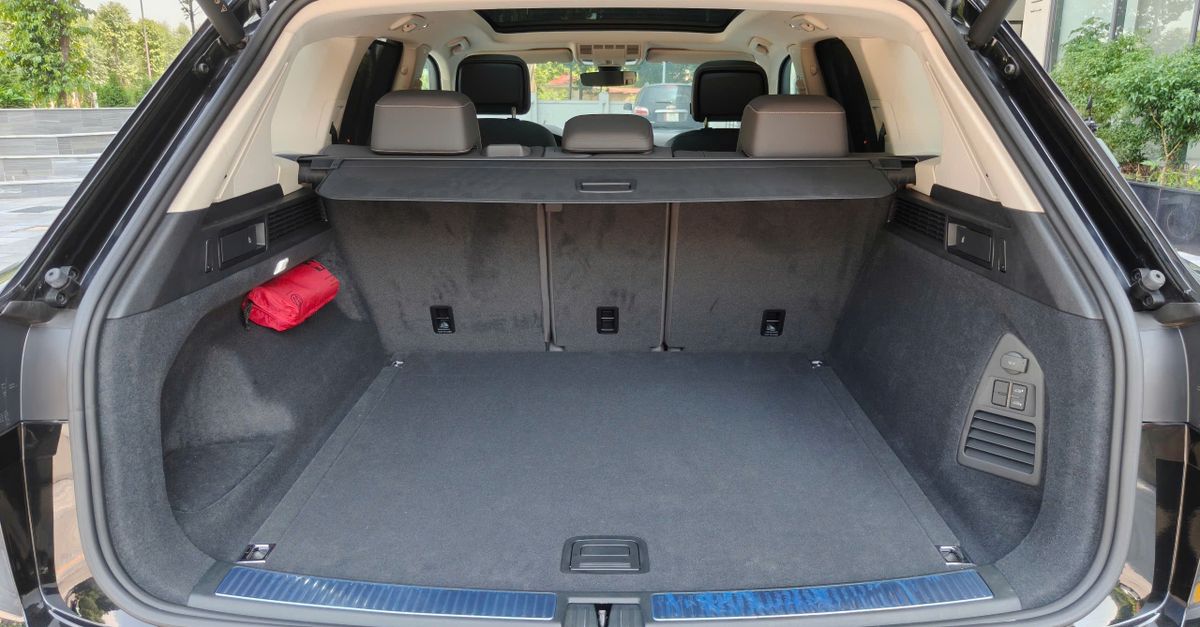
Before deciding, take the items that normally fill your car to a dealer. A pushchair, school bags, sports equipment or a large weekly shop will reveal more than a quick look at the boot opening. Check the shape of the load area, the height of the floor and whether the rear seats provide enough room for the family’s child seats.
Comfort: easier access or easier driving?
The strongest argument for a small SUV is access. Its higher seat can make climbing in and out more convenient, particularly for adults who dislike dropping into a low car. The extra height may also provide more headroom, although that advantage varies between models.
A hatchback has a different appeal. Buyers prioritising easy parking, lower costs and a more car-like driving experience are likely to find one a better fit, according to Carwow’s hatchback guide. A lower, more familiar driving position may also feel more natural to drivers who spend much of their time in town or on narrow roads.
Neither description is a substitute for a test drive. Family comfort depends on the exact seats, suspension, rear legroom, visibility and controls. Sit in the back rather than relying on the front seats, and try the car with the people who will use it most often.
Running costs: compare the powertrain, not the silhouette
A family hatchback is usually the more economical and straightforward route, but there is no universal rule. A particularly efficient small SUV could cost less to run than an inefficient hatchback, while two versions of the same model can differ significantly depending on their engine, gearbox and trim.
Official economy figures should therefore be treated as a reference rather than a promise of what will appear at the fuel pump. What Car?’s real-MPG guide stresses the value of real-world economy, while its buying coverage and Drive’s family-car guide identify efficient hybrids and selected hatchbacks and small SUVs as potentially strong choices.
Driving conditions matter just as much as the badge. A car used mainly in urban traffic may deliver very different economy from one covering regular motorway miles. Compare equivalent powertrains where possible, check real-world test data and obtain an insurance quote before treating one body style as the cheaper option.
Which should you choose?
Start with a family hatchback if you want:
- Lower running costs to be a priority.
- Easy parking and a conventional car-like feel.
- Useful family space without a raised driving position.
- A straightforward alternative to a small SUV.
Consider a small SUV if you value:
- Easier entry and exit.
- A higher driving position.
- The possibility of additional headroom.
- The more upright driving experience associated with an SUV.
These are starting points, not guarantees. A spacious hatchback may suit a family better than a cramped small SUV, while a compact SUV may be the better match for someone who finds a lower car uncomfortable to access.
The sensible buying test
Compare the actual cars rather than broad categories. Measure the boot, sit behind the driver, fit the family’s child seats and drive the route you use most often. Then compare the exact engine or motor, transmission and trim level using real-world economy information. What Car?’s family-car recommendations provide a useful starting point, but the final decision should reflect the particular version you can buy and live with.
For many UK families, the hatchback remains the rational first choice when affordability, easy parking and efficient motoring matter most. The small SUV earns its place when its access advantages and higher seating position genuinely improve daily use. It should be chosen because those benefits matter to you—not simply because the vehicle looks larger.
Source 1 · Source 2 · Source 3 · Source 4 · Source 5 · Source 6 · Source 7