A Cat S or Cat N marker should change the way you assess a used car. It does not automatically mean the vehicle cannot return to the road, but it does mean you need evidence about the original damage, the repairs and the car’s current condition.
The UK Government defines Category N as non-structural damage and Category S as structural damage. Both types can be repaired and returned to the road if they have been restored to a roadworthy condition. However, the category alone does not prove that the repair was carried out properly. GOV.UK’s insurance write-off guidance is the starting point for understanding the classifications.
What Cat S and Cat N mean
- Cat N: the vehicle has suffered non-structural damage and may be repaired for road use.
- Cat S: the vehicle has suffered structural damage and may also be repaired for road use, provided the work restores it to a roadworthy condition.
The labels describe the type of damage recorded, not the quality of the repair. A tidy-looking car is not proof that hidden damage has been dealt with correctly, and a category marker should not be treated as a substitute for an inspection.
Categories A and B are different. Neither can be repaired for normal road use: Category A vehicles must be crushed, while a Category B vehicle’s body shell must be crushed, although some parts may be salvaged. That means a Cat S or Cat N car should not be confused with a vehicle that is prohibited from returning to the road.
Check the history before viewing the car
Start with the paperwork rather than the paintwork. The government’s consumer guide to buying repaired written-off vehicles recommends checking the vehicle’s history, confirming that the VIN matches the V5C and vehicle records, reviewing the MOT history where applicable, examining the service history and checking for safety recalls.
Ask the seller to explain what happened and request any available repair documentation. The important question is not simply whether the car is Cat S or Cat N, but whether there is a credible record of the damage and the work that followed it.
The VIN check is particularly important. Compare the number on the vehicle with the V5C and the relevant vehicle records. If the numbers do not match, or the seller will not allow you to make the comparison, stop the purchase until the discrepancy has been explained.
Arrange an independent inspection
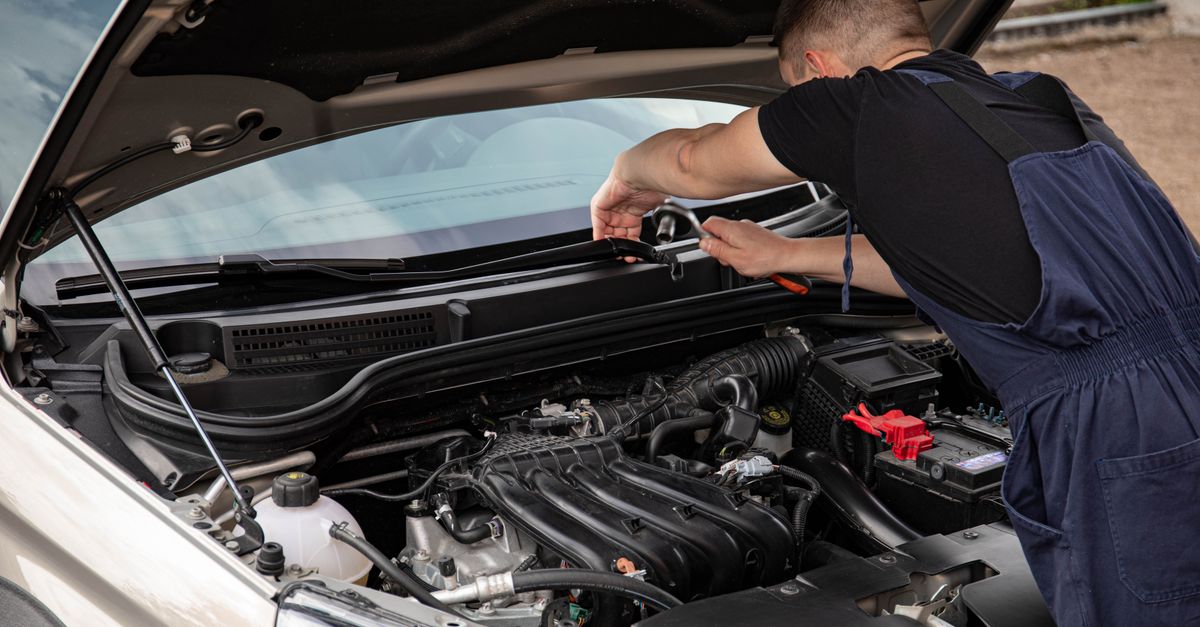
A normal viewing and a test drive cannot establish the full quality of a previous repair. GOV.UK recommends obtaining an inspection from an independent expert or engineer who can look for structural damage and other hidden faults.
Arrange that inspection before committing to the purchase, rather than relying solely on an assessment chosen by the seller. Give the engineer the vehicle’s history and any repair documents so the inspection can consider both the car and the information supplied about it.
If the seller refuses a reasonable independent inspection, that is a strong reason to walk away. The cost of checking the car is small compared with the risk of buying a vehicle whose repair history or condition cannot be established.
Get an insurance quotation first
Obtain an insurance quotation before paying a deposit or making a final decision. Some insurers may charge more for a vehicle that has previously been written off, while others may decline to cover it. This warning appears in the government’s consumer guidance and in Auto Trader’s explanation of write-off categories.
Tell the insurer accurately that the vehicle has a write-off history and provide the details requested. A car that appears affordable to buy may not be suitable for your budget if the available insurance is too expensive or cover cannot be obtained.
A practical pre-purchase checklist
Before buying a repaired Cat S or Cat N vehicle, make sure you have:
- confirmed the category and asked what damage caused it;
- checked the vehicle history and available repair documentation;
- matched the VIN with the V5C and vehicle records;
- reviewed the MOT history where applicable;
- checked the service history and safety-recall information;
- obtained an independent expert or engineer’s inspection; and
- received an insurance quotation that reflects the vehicle’s write-off history.
The bottom line for UK buyers
Cat N is not an automatic guarantee that a car is safe, and Cat S is not an automatic reason that a properly repaired vehicle can never be considered. The useful distinction is between a category marker and evidence: the marker explains the recorded damage, while the history, inspection and insurance quotation help establish whether this particular car is a sensible purchase.
If the seller cannot provide enough information, the VIN does not match, an independent inspection is refused or insurance is unavailable at an acceptable price, there are plenty of reasons to leave the deal and look for another car.