UK buyers looking for a large family SUV now have more choice than the established European brands traditionally offered. Carwow reports that Chinese SUV alternatives are increasingly competing with the Skoda Kodiaq, with some undercutting it on price. That makes the Kodiaq a useful benchmark—but not a reason to compare cars on their headline prices alone.
Why the Kodiaq is a useful benchmark
The Kodiaq is positioned as a large, practical family SUV, with up to seven seats depending on specification, according to reviews from Auto Express and What Car?.
There is an important qualification for anyone comparing prices. Skoda UK’s pricing document, effective from 4 November 2025, lists the five-seat Kodiaq SE with the 1.5 TSI e-TEC 150 PS DSG at a recommended on-the-road price of £39,025. That is a price for one specific version, not a blanket figure for every Kodiaq. Skoda’s UK pricing document should therefore be treated as the reference point for that trim and date.
The powertrain and seating combination matter, too. What Car? says the Kodiaq plug-in hybrid is available only as a five-seat model. A five-seat PHEV should not be treated as a direct equivalent to a seven-seat petrol or hybrid SUV simply because both wear the Kodiaq name. What Car?’s review confirms that limitation.
What “cheaper” needs to mean
The price pressure is not just a theoretical concern: Carwow has reported that some Chinese SUV alternatives undercut the Kodiaq. However, the available evidence does not provide a complete, like-for-like UK comparison of named rival models, trims, equipment, warranties and after-sales support.
Before deciding that one car is better value, compare the following:
- The same price basis: compare recommended on-the-road prices with other on-the-road prices. A finance payment can look lower because of a different deposit, contract length, annual mileage or final payment.
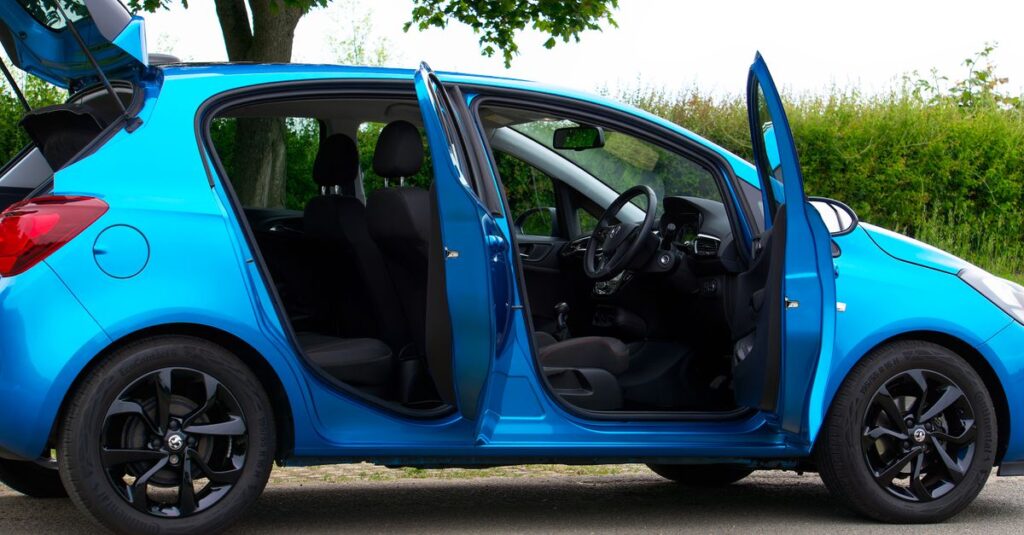
- The same number of seats: establish whether the third row is standard, optional or unavailable. A five-seat car may be entirely suitable for one family but not for another.
- The same type of powertrain: compare cars according to how they will actually be used. A plug-in hybrid may suit a household with regular access to charging, while a different system may be more convenient for frequent long-distance trips.
- Standard equipment: check the exact trim sheet rather than assuming that a lower-priced car includes every feature fitted to a more expensive Kodiaq. Safety systems, driver assistance, climate control, navigation and charging equipment can all affect the real value of a deal.
- Running costs: ask for insurance, servicing, fuel or electricity estimates based on the intended use. Any official consumption figures should be identified as WLTP figures, not treated as guaranteed real-world results.
- The dealer and servicing network: find out who will carry out routine servicing, where warranty work would be handled and how close the relevant dealer or repairer is to home and work.
Seven seats versus five: the family test
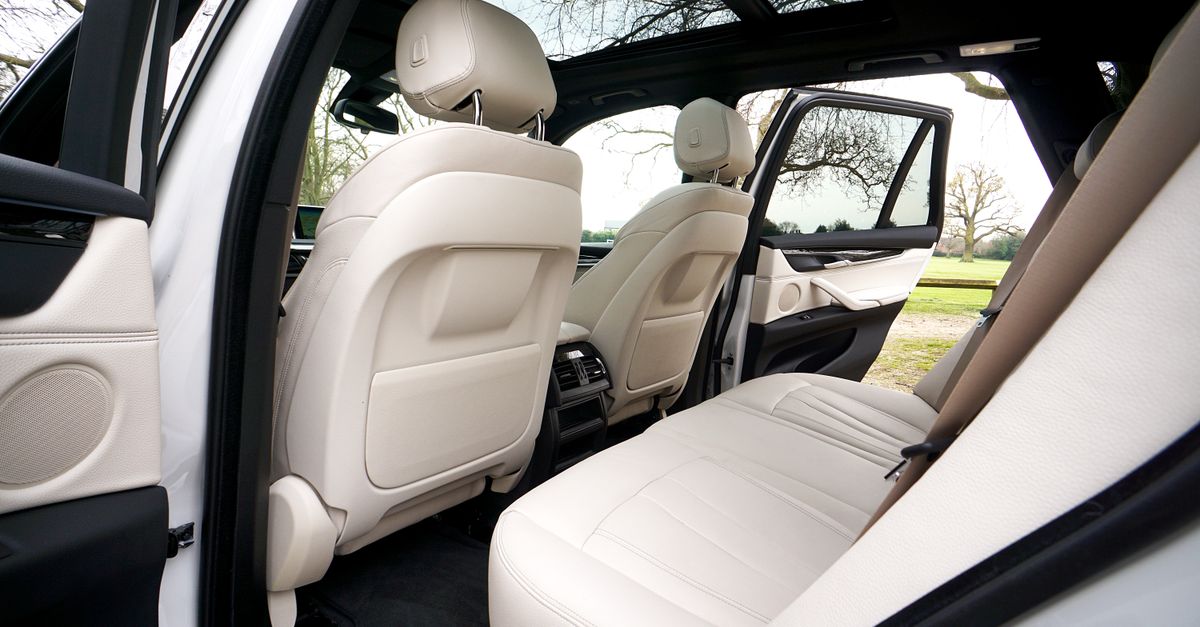
A seven-seat claim only tells part of the story. Families should try the rearmost seats with the children or passengers who will use them, check access to the third row and see how much luggage remains when all the seats are occupied.
The same practical test applies to the boot. Rather than relying only on a published capacity figure, take pushchairs, school bags, sports equipment or other regular loads to a dealership and see whether they fit in the configuration the family will actually use.
If five seats are enough, the Kodiaq plug-in hybrid becomes a possible alternative within the Skoda range. If seven seats are essential, it should be removed from a direct comparison with seven-seat versions of other cars unless the seating and luggage arrangements genuinely match.
Do not overlook ownership after the showroom
A lower purchase price can be attractive, but the saving needs to survive the ownership checks. Buyers should request a written quote for the exact car, confirm what is included as standard and obtain servicing information for the powertrain and trim being considered.
It is also worth checking the practical support available locally. A nearby dealer is not a guarantee of better ownership, and a lower-priced car is not automatically a poor choice, but the distance to servicing, the availability of routine maintenance and the process for dealing with faults should form part of the comparison.
What the evidence can—and cannot—show
The available sources establish three useful points:
- The Kodiaq is a large family SUV with a strong practicality and, on suitable versions, seven-seat proposition.
- Skoda’s UK document gives a dated benchmark of £39,025 for one five-seat SE version.
- Carwow has reported that cheaper Chinese SUV alternatives are putting price pressure on the Kodiaq.
They do not establish which unnamed Chinese SUV is the cheapest, which offers the best equipment or which has the strongest UK after-sales support. A buyer should therefore avoid treating the £39,025 figure as the price of every Kodiaq, or treating a rival’s lower starting price as proof that it offers equivalent space and specification.
The sensible conclusion is to use the Kodiaq as a baseline, then compare each named rival on an identical specification. For a family that genuinely needs usable seven-seat practicality, that requirement may outweigh a headline saving. For a five-seat household, a lower-priced Chinese SUV—or the five-seat Kodiaq plug-in hybrid—could make more sense, but only after the complete UK price and ownership package has been checked.