Floodwater is a road hazard to avoid, not a test of a car’s wading ability. The Met Office advises drivers to turn around and find another route, warning that moving water can float a car, hidden hazards may cause damage and even a small amount of water entering the engine can cause severe damage.
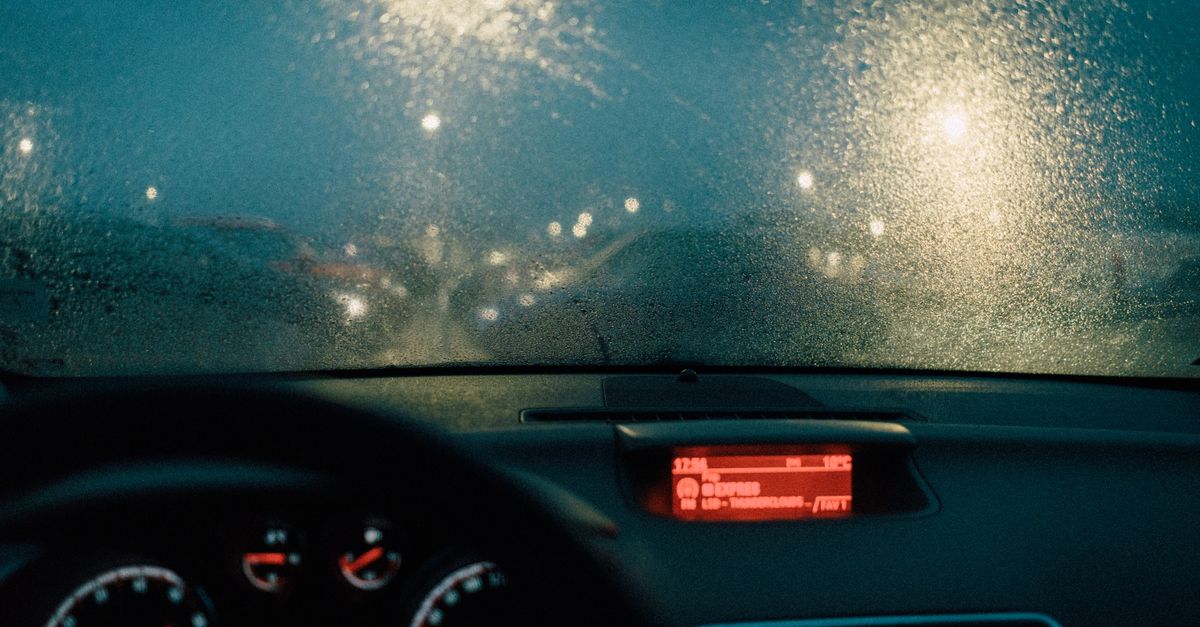
That is not the only danger. National Highways says flooded sections can be deeper than they appear, while heavy rain increases the risk of aquaplaning and a significant loss of control.
Why apparently shallow water is deceptive
A road’s surface gives little indication of what lies beneath it. Floodwater may conceal objects capable of damaging wheels, tyres or suspension, according to RAC advice on driving in heavy rain and floods.
The vehicle itself can also become part of the hazard. Brake says many vehicles can float in relatively shallow water, so a crossing that looks manageable from the driver’s seat can still leave the car stranded or moving unpredictably. North Yorkshire Fire and Rescue Service similarly warns that floodwater can strand vehicles and advises drivers to avoid it when it is too deep or fast to cross safely.
What to do when water is ahead
Use a simple rule: if the road is flooded, change route rather than trying to judge whether the car can make it through.
- Turn around and find another route where it is safe to do so. This is the Met Office’s primary advice for drivers facing floodwater.
- Do not rely on how shallow the water looks. National Highways warns that flooded sections may be deeper than they appear and may contain hidden hazards.
- Stay out of moving water or water that is too deep or fast to cross safely. A vehicle’s apparent size or clearance is not a guarantee that it will remain stable.
- Remember that heavy rain creates an additional risk. National Highways says it increases the likelihood of aquaplaning, which can cause significant loss of control even before a vehicle encounters deeper floodwater.
If there is no safe way through, seek an alternative route or assistance rather than taking a chance on an uncertain crossing.
What if crossing cannot be avoided?
Brake’s guidance includes contingency advice for the exceptional situation in which driving on a flooded road cannot be avoided. It says drivers should use first gear, keep engine speed high and proceed very slowly. However, the same guidance advises avoiding flooded roads, so this should not be treated as a guarantee that a particular depth or stretch of water is safe.
In particular, that fallback advice does not override the warning to avoid water that is moving, visibly deep or too fast to cross safely. The safest decision remains not to enter it.
If the engine cuts out in deep water
Do not restart the engine to see whether the car will move. The RAC advises that restarting after the engine has cut out in deep water can cause further engine damage. The vehicle should instead be recovered and professionally examined.
That is the key distinction between getting across and getting across safely: a car that reaches the other side has not necessarily avoided damage from submerged objects or water entering the engine.
The safest floodwater driving technique
For UK drivers, the most reliable floodwater advice is also the simplest: turn around before entering. Flooded roads can hide damaging hazards, appear shallower than they are, float vehicles and increase the risk of losing control. If the route cannot be made safe, delay the journey, find another way or arrange assistance rather than gambling on the water.