
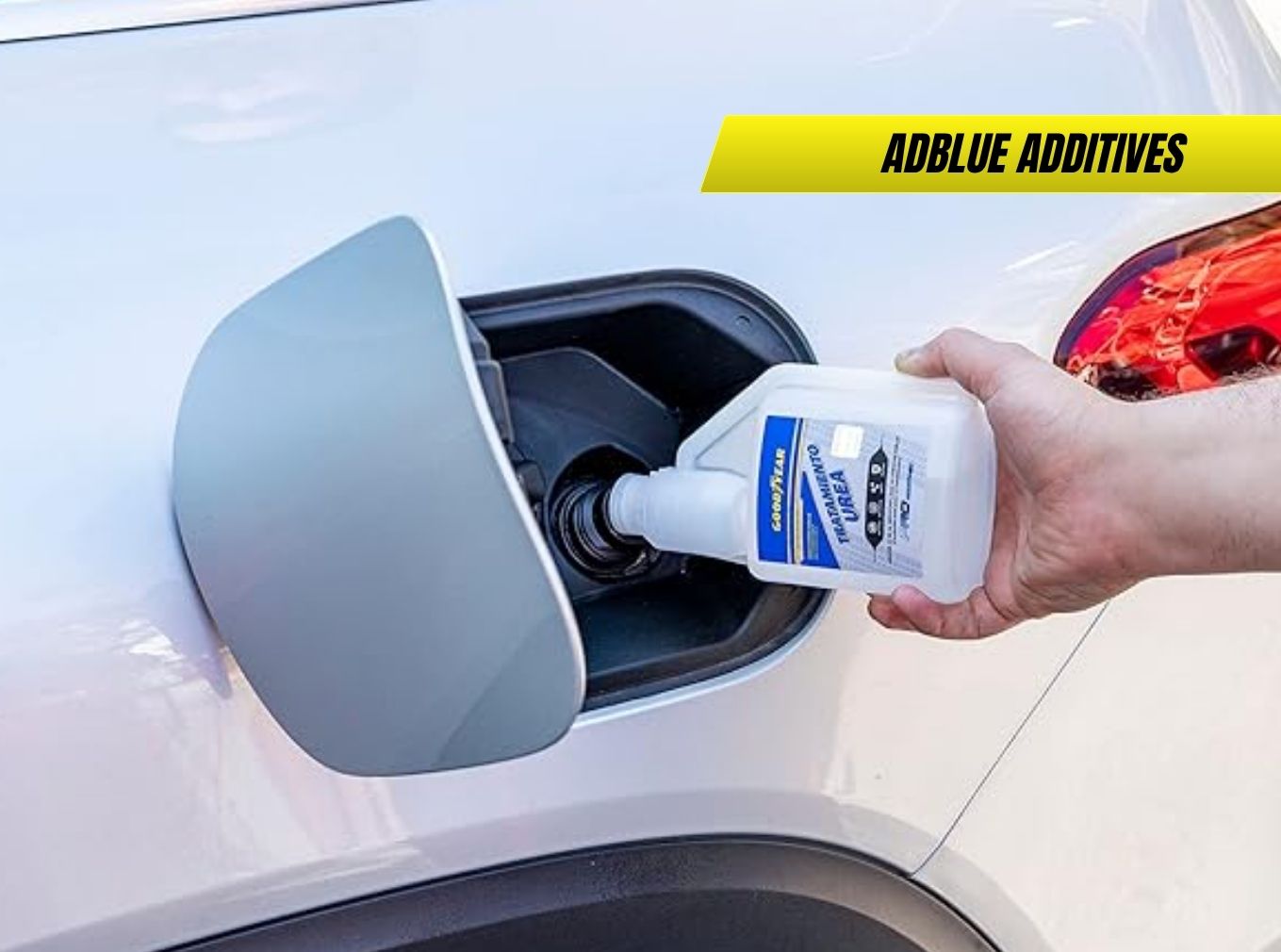
Complete guide to AdBlue additives for UK diesel drivers. Best products, compatibility, cost analysis, and expert recommendations for optimal SCR system performance in 2025.
AdBlue has become an essential component for modern diesel vehicles across the UK, helping meet stringent Euro 6 emissions standards while maintaining engine performance. However, not all AdBlue solutions are created equal, and choosing the right additive can significantly impact your vehicle’s performance, fuel economy, and long-term reliability. With rising fuel costs and increasing environmental regulations, UK diesel drivers need comprehensive guidance on selecting optimal AdBlue products. This guide examines the best AdBlue additives available in the UK market, comparing quality, compatibility, and cost-effectiveness to help you make informed decisions for your diesel vehicle.
Key Points Summary
• ISO 22241 certification essential – Only use certified AdBlue to prevent costly SCR system damage • Quality varies significantly – Premium brands offer better purity and consistency than budget alternatives
• Storage conditions matter – Proper storage prevents crystallisation and maintains effectiveness • Cost per litre isn’t everything – Higher quality products often provide better long-term value • Compatibility is universal – All certified AdBlue products work with any Euro 6 diesel vehicle • Regular top-ups recommended – Don’t wait for warning lights to maintain optimal system performance
Understanding AdBlue Technology and UK Diesel Requirements
AdBlue represents a crucial technology in modern diesel emission control, particularly relevant for UK drivers navigating increasingly strict environmental regulations. The fluid, technically known as Diesel Exhaust Fluid (DEF), consists of 32.5% high-purity urea dissolved in demineralised water, designed to work with Selective Catalytic Reduction (SCR) systems mandated on all Euro 6 diesel vehicles sold in the UK since 2014.
In my experience, understanding how AdBlue functions helps drivers appreciate why quality matters significantly. The SCR system injects AdBlue into the exhaust stream at temperatures exceeding 200°C, where it decomposes into ammonia. This ammonia then reacts with nitrogen oxides (NOx) in the catalytic converter, transforming harmful emissions into harmless nitrogen and water vapour.
UK diesel vehicles consume AdBlue at varying rates depending on driving conditions, engine size, and SCR system efficiency. Typical consumption ranges from 2-8% of fuel consumption, meaning a vehicle achieving 40mpg might use approximately 1 litre of AdBlue every 1,000-2,000 miles. Urban driving with frequent cold starts generally increases AdBlue consumption compared to steady motorway cruising.
The importance of AdBlue quality cannot be overstated for UK drivers. Poor-quality additives can crystallise in the SCR system, causing expensive blockages that require professional cleaning or component replacement. Such repairs often cost £1,000-£3,000, far exceeding any savings from using inferior products.
Premium AdBlue Brands Available in the UK Market
The UK market offers numerous AdBlue brands, but quality and reliability vary considerably between manufacturers. From my point of view, premium brands justify their higher costs through superior purity, consistent formulation, and comprehensive quality assurance processes.
Yara AdBlue represents the gold standard in the UK market, manufactured by the company that originally developed the AdBlue specification. Yara maintains strict quality control throughout production and distribution, ensuring consistent purity levels and minimal contamination risk. Their products undergo extensive testing and carry comprehensive warranties against SCR system damage caused by product defects.
Kroon-Oil AdBlue offers excellent quality with widespread availability through UK automotive retailers. The Dutch manufacturer maintains ISO 22241 certification and provides products specifically packaged for different vehicle applications, from small containers for passenger cars to bulk solutions for commercial fleets.
Total AdBlue brings the reliability expected from a major petroleum company, with products available at many UK fuel stations. Their manufacturing processes emphasise consistency and purity, while their distribution network ensures fresh product availability across the country.
BP AdBlue leverages the company’s extensive UK retail network to provide convenient access to quality AdBlue products. Their formulation meets all relevant standards while offering competitive pricing for regular users.
Independent laboratory testing consistently shows these premium brands maintaining purity levels above 99.9%, with minimal variations between batches. This consistency proves crucial for SCR system longevity and optimal emission reduction performance.
| Brand | Purity Level | UK Availability | Price Range (per 10L) | Best For |
|---|---|---|---|---|
| Yara AdBlue | 99.95%+ | Nationwide | £12-£15 | Premium vehicles, warranty protection |
| Kroon-Oil | 99.9%+ | Automotive retailers | £10-£13 | Regular use, bulk purchasing |
| Total | 99.9%+ | Fuel stations | £11-£14 | Convenience, frequent top-ups |
| BP AdBlue | 99.9%+ | BP stations | £10-£13 | Widespread availability |
Budget AdBlue Options and Quality Considerations
While premium brands offer superior quality assurance, several budget-friendly AdBlue options provide adequate performance for cost-conscious UK drivers. However, understanding the potential trade-offs helps make informed purchasing decisions.
Euro Car Parts own-brand AdBlue offers competitive pricing with ISO 22241 certification, providing basic quality assurance at reduced costs. Their products undergo standard testing protocols, though with less extensive quality monitoring than premium alternatives. I would recommend this option for newer vehicles under warranty, where any issues would likely be covered by manufacturer guarantees.
GSF Car Parts AdBlue provides another budget-conscious option with nationwide availability through their extensive UK network. While meeting minimum standards, their products may show greater batch-to-batch variation compared to premium brands, though still remaining within acceptable tolerances.
Supermarket own-brand AdBlue from retailers like Halfords or Tesco occasionally appears at attractive prices. These products typically meet certification requirements but may lack the consistent quality control and technical support provided by specialist manufacturers.
The key consideration with budget AdBlue products involves long-term cost versus immediate savings. While initial costs appear attractive, potential issues from marginally inferior products could result in expensive SCR system problems. Based on my experience, the modest savings rarely justify the increased risk, particularly for vehicles approaching warranty expiration.
Quality indicators to examine when considering budget options include batch number tracking, clear expiration dates, and proper packaging that prevents contamination. Avoid products without clear certification markings or those stored in inappropriate conditions that might compromise purity.
Storage and Handling Best Practices for UK Climate
Proper AdBlue storage becomes particularly important in the UK’s variable climate, where temperature fluctuations and humidity can affect product quality and shelf life. Understanding correct storage practices prevents costly product degradation and ensures optimal SCR system performance.
Let’s examine the critical storage requirements for maintaining AdBlue quality. The fluid freezes at approximately -11°C, common during UK winters, but this doesn’t damage the product provided containers remain intact. However, repeated freeze-thaw cycles can affect container integrity and potentially introduce contamination.
Temperature stability proves more important than absolute temperature ranges. Store AdBlue in locations with minimal temperature variation, avoiding direct sunlight, heating sources, or areas subject to rapid temperature changes. Garden sheds or unheated garages provide adequate storage provided containers are protected from extreme conditions.
Contamination prevention requires careful attention to container handling and storage environment. Always use clean funnels when transferring AdBlue, and never mix products from different manufacturers or batches. Even minute contamination can cause SCR system problems, particularly from diesel fuel, engine oil, or cleaning products.
Container selection affects storage success significantly. Original manufacturer containers provide optimal protection, with proper sealing and appropriate materials that don’t react with AdBlue. Avoid transferring AdBlue to alternative containers unless specifically designed for the purpose, as inappropriate materials can introduce contamination or allow degradation.
Shelf life considerations become important for occasional users who might store AdBlue for extended periods. Unopened containers typically maintain quality for 18-24 months when stored correctly, while opened containers should be used within 6-12 months. I would recommend purchasing smaller quantities more frequently rather than bulk buying unless you have high consumption rates.
Cost Analysis and Value Comparison Across UK Retailers
Understanding the true cost of AdBlue involves examining not just purchase prices but also quality implications, convenience factors, and long-term value propositions available through various UK retail channels.
Fuel station purchases offer maximum convenience but typically carry premium pricing. Major chains like Shell, BP, and Esso charge £1.20-£1.50 per litre for small containers, though bulk options may provide better value. The convenience factor justifies higher costs for emergency top-ups or infrequent users who prioritise accessibility over economy.
Automotive retailers including Euro Car Parts, GSF, and Motor Factors often provide the best balance of price and quality for regular users. Bulk purchasing options, loyalty schemes, and regular promotions can reduce effective costs to £0.80-£1.10 per litre for quality products. From my point of view, these retailers offer optimal value for most UK drivers with regular AdBlue requirements.
Online purchasing through Amazon, eBay, or specialist suppliers can offer attractive pricing, particularly for bulk quantities. However, verify seller credentials and product authenticity, as counterfeit or degraded products occasionally appear in online marketplaces. Shipping costs and delivery times also affect overall value propositions.
Commercial suppliers serving fleet operators often provide the lowest per-litre costs but require minimum order quantities unsuitable for private users. Some suppliers offer group buying schemes or community purchasing arrangements that enable private drivers to access commercial pricing.
Calculating true value requires considering quality, convenience, and long-term implications rather than simply comparing headline prices. Premium products costing 20-30% more than budget alternatives often provide superior value through reduced risk of expensive SCR system problems.
| Purchase Channel | Price Range (per litre) | Convenience | Quality Assurance | Best For |
|---|---|---|---|---|
| Fuel Stations | £1.20-£1.50 | Excellent | Good | Emergency top-ups |
| Automotive Retailers | £0.80-£1.10 | Good | Excellent | Regular users |
| Online Suppliers | £0.70-£1.20 | Variable | Variable | Bulk purchasing |
| Supermarkets | £0.90-£1.30 | Good | Good | Convenience shopping |
Vehicle-Specific AdBlue Requirements and Consumption Patterns
Different vehicle types and usage patterns significantly affect AdBlue consumption rates and quality requirements, helping UK drivers optimise their purchasing and maintenance strategies.
Passenger cars with smaller diesel engines typically consume AdBlue at 2-4% of fuel consumption rates. A Ford Focus or Volkswagen Golf achieving 50mpg might use 1 litre of AdBlue every 1,500-2,500 miles under normal driving conditions. City driving with frequent cold starts increases consumption, while steady motorway cruising reduces AdBlue usage rates.
Large SUVs and pickup trucks like the best diesel SUVs available in the UK market consume AdBlue at higher rates due to larger engines and increased emissions. These vehicles might use AdBlue at 4-6% of fuel consumption, requiring more frequent top-ups and larger storage containers for convenience.
Commercial vehicles including vans and light trucks often show the highest AdBlue consumption rates, particularly when operating under heavy loads or in urban environments. Fleet operators typically benefit from bulk purchasing arrangements and professional maintenance schedules that optimise AdBlue usage efficiency.
Performance diesel vehicles with sophisticated SCR systems may require premium AdBlue products to maintain optimal performance and warranty compliance. High-performance engines operating at elevated temperatures place greater demands on emission control systems, making quality crucial for long-term reliability.
Driving style significantly influences AdBlue consumption patterns. Aggressive acceleration, frequent short journeys, and urban stop-start driving increase consumption rates compared to steady, efficient driving styles. I would recommend monitoring consumption patterns over several tank fills to establish baseline usage for your specific vehicle and driving conditions.
Common AdBlue Problems and Prevention Strategies
Understanding frequent AdBlue-related issues helps UK drivers prevent costly problems while maintaining optimal SCR system performance throughout their vehicle’s service life.
Crystallisation problems represent the most common and expensive AdBlue-related issues. Poor-quality products or contaminated systems can cause urea crystals to form in injectors, lines, or the SCR catalyst itself. Prevention involves using only certified products, avoiding contamination during refilling, and ensuring regular system operation to prevent stagnation.
Freezing complications occur during harsh UK winters when AdBlue freezes in tanks or supply lines. Modern vehicles include heating systems to thaw frozen AdBlue, but repeated freeze-thaw cycles can stress system components. Store vehicles in heated spaces when possible, and ensure adequate AdBlue levels before cold periods to prevent air ingress during expansion.
Contamination issues result from improper handling, incorrect storage, or using non-certified products. Even small amounts of diesel fuel, engine oil, or cleaning products can cause expensive SCR system damage. Always use clean equipment for AdBlue handling, and never use containers previously used for other fluids.
Warning light responses require immediate attention to prevent vehicle shutdown protection systems from activating. Modern diesel vehicles typically provide several hundred miles of warning before limiting performance or preventing restart. Based on my experience, addressing warning lights promptly prevents inconvenient breakdowns and potential additional system stress.
System maintenance involves more than simply topping up AdBlue levels. Professional servicing should include SCR system inspection, injector cleaning, and software updates that optimise system performance. Regular maintenance prevents many common problems while ensuring optimal emission reduction throughout the vehicle’s service life.
Environmental Impact and UK Regulatory Considerations
AdBlue technology plays a crucial role in helping UK diesel vehicles meet increasingly stringent environmental regulations, particularly in urban areas with Low Emission Zones and upcoming restrictions on older diesel vehicles.
ULEZ compliance in London and similar schemes in other UK cities depend partly on effective SCR system operation. Vehicles with malfunctioning emission control systems may lose their compliant status, resulting in daily charges for urban access. Maintaining AdBlue system performance ensures continued access to restricted zones while supporting broader environmental objectives.
MOT testing now includes emission system checks that verify SCR system operation and AdBlue availability. Vehicles with empty AdBlue tanks, warning lights, or malfunctioning systems will fail MOT tests, requiring repair before legal road use continues. Regular AdBlue maintenance prevents test failures and associated inconvenience.
Environmental benefits extend beyond regulatory compliance to genuine emission reductions that improve air quality. Properly functioning SCR systems reduce NOx emissions by 85-95%, contributing significantly to cleaner urban environments. Quality AdBlue products ensure optimal reduction efficiency while maintaining engine performance.
Future regulations suggest increasing emphasis on real-world emission performance rather than laboratory testing. This shift makes AdBlue quality and system maintenance even more critical for maintaining legal compliance and avoiding potential penalties for excessive emissions.
Disposal considerations require proper handling of empty AdBlue containers and expired products. Most automotive retailers accept empty containers for recycling, while expired AdBlue should be disposed of through appropriate hazardous waste channels rather than household waste systems.
Professional vs DIY AdBlue Maintenance
Deciding between professional servicing and DIY AdBlue maintenance depends on vehicle complexity, user confidence, and long-term cost considerations for UK drivers.
DIY top-ups suit most passenger car owners with basic mechanical confidence. Modern vehicles provide clear level indicators and filling procedures outlined in owner’s manuals. I would recommend DIY maintenance for routine top-ups using quality products, provided proper contamination prevention measures are followed.
Professional servicing becomes valuable for complex systems, warranty considerations, or when problems arise. Qualified technicians can diagnose SCR system issues, perform system cleaning, and update software that optimises performance. Professional maintenance also provides warranty protection against system damage claims.
Fleet considerations for commercial operators typically favour professional maintenance contracts that ensure compliance, minimise downtime, and provide predictable servicing costs. Professional services can also provide bulk AdBlue supply and storage solutions that reduce operational complexity.
Warranty implications may require professional servicing for certain vehicles or system components. Check warranty terms before undertaking DIY maintenance, as incorrect procedures or products could void coverage for expensive SCR system repairs.
Cost-benefit analysis suggests DIY maintenance for routine top-ups combined with periodic professional system inspections provides optimal value for most UK drivers. This approach maintains system performance while controlling costs and ensuring early problem detection.
Frequently Asked Questions
Can I use any AdBlue brand in my diesel vehicle?
Yes, all ISO 22241 certified AdBlue products are chemically identical and compatible with any Euro 6 diesel vehicle. However, quality levels vary between manufacturers, with premium brands offering better purity and consistency. I would recommend sticking with certified products from reputable manufacturers to ensure optimal SCR system performance and avoid potential warranty issues.
How long does AdBlue last in storage?
Unopened AdBlue containers maintain quality for 18-24 months when stored correctly at stable temperatures away from direct sunlight. Once opened, use within 6-12 months to prevent degradation. Check expiration dates and avoid products approaching their shelf life, as expired AdBlue can cause SCR system problems and potentially expensive repairs.
What happens if I run out of AdBlue completely?
Modern diesel vehicles provide multiple warnings before AdBlue depletion, typically starting at around 1,500 miles remaining. If you completely run out, the vehicle enters a protection mode that may limit performance or prevent restart until AdBlue is refilled. This system protects the SCR components but can leave you stranded, so always top up when warning lights appear.
Can I mix different AdBlue brands in my tank?
While all certified AdBlue products are chemically compatible, mixing different brands or batches isn’t recommended. Different manufacturers may use slightly different additives or processing methods that could interact unpredictably. From my point of view, it’s better to use one brand consistently and only mix in emergency situations when no alternative exists.
Why does my vehicle use more AdBlue in winter?
Cold weather increases AdBlue consumption for several reasons: engines run richer during warm-up periods producing more NOx, SCR systems work harder at lower temperatures, and heating systems use additional energy warming frozen AdBlue. Urban winter driving with frequent cold starts typically shows the highest consumption rates.
Is expensive AdBlue worth the extra cost?
Premium AdBlue products offer superior purity, consistency, and quality assurance that can prevent expensive SCR system problems. While budget options meet minimum standards, the modest additional cost of premium products provides significant insurance against £1,000+ repair bills. For most UK drivers, premium AdBlue represents excellent value for money.
Can I store AdBlue in my garage during winter?
Yes, but ensure containers won’t be damaged if AdBlue freezes at -11°C. Freezing doesn’t damage the product itself, but expansion can crack inappropriate containers. Store in original containers away from heating sources and chemicals, maintaining stable temperatures where possible. Avoid repeated freeze-thaw cycles that stress container integrity.
Conclusion
Selecting appropriate AdBlue products and maintaining proper handling practices significantly impacts both immediate vehicle performance and long-term SCR system reliability for UK diesel drivers. In my experience, the modest additional cost of premium AdBlue products provides excellent insurance against expensive emission system repairs while ensuring optimal environmental performance throughout your vehicle’s service life.
I would recommend establishing a regular AdBlue maintenance routine using certified products from reputable manufacturers, combined with proper storage practices and prompt attention to warning systems. The investment in quality AdBlue and proper maintenance procedures pays dividends through reduced risk of costly repairs, maintained vehicle performance, and continued compliance with UK environmental regulations.
Whether you’re driving one of the best family SUVs or managing a commercial fleet, understanding AdBlue technology and product selection helps maximise the benefits of modern diesel emission control systems. As environmental regulations continue evolving, maintaining optimal SCR system performance through quality AdBlue products becomes increasingly important for UK drivers seeking reliable, compliant, and environmentally responsible motoring.





