
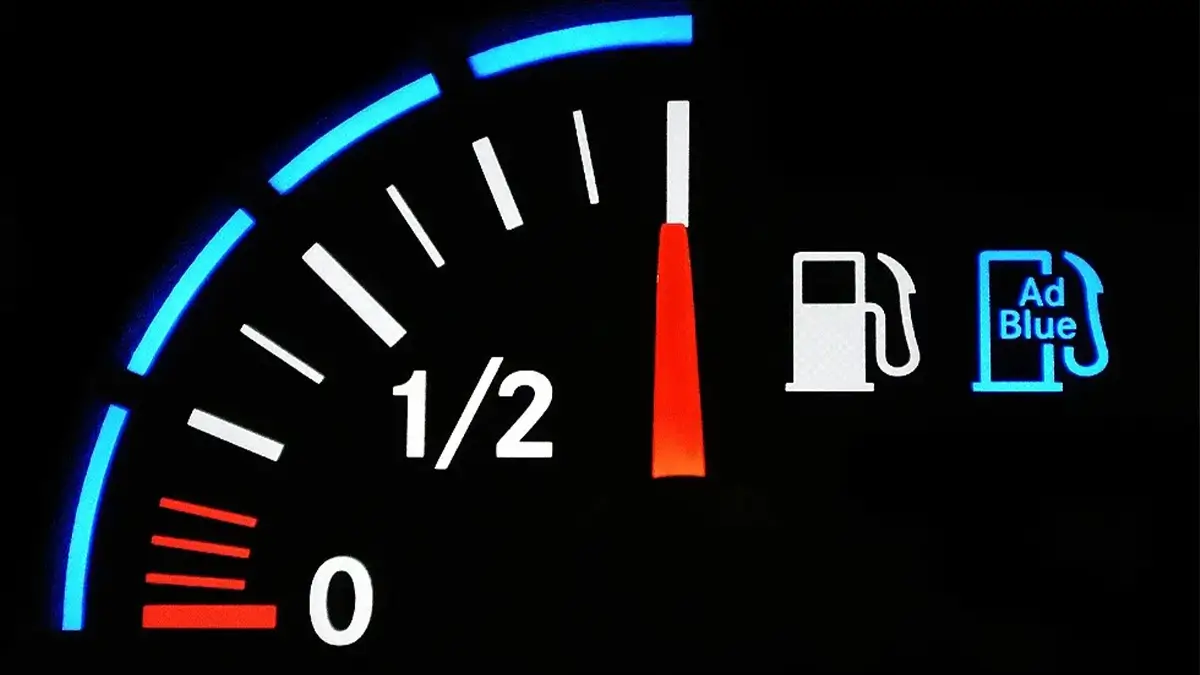
The AdBlue warning light is appearing on dashboards across the UK with increasing frequency as diesel vehicle ownership matures. Ignoring it is not an option — modern diesel vehicles will refuse to start if AdBlue runs out. This expanded guide tells you everything UK drivers need to know in 2026.
Key Points
- AdBlue is a diesel exhaust fluid that reduces harmful NOx emissions in SCR-equipped vehicles
- Most modern diesel cars, vans, and SUVs manufactured after 2015 require AdBlue
- An amber AdBlue warning means you have a limited range remaining — typically 1,000–2,000 miles
- If AdBlue empties completely, many vehicles will not restart after the engine is switched off
- Topping up AdBlue is straightforward and can be done at home or at most fuel stations
- Using the wrong fluid or contaminating the AdBlue tank can cause expensive damage
What Is AdBlue and Why Does Your Car Need It?
AdBlue — chemically known as Aqueous Urea Solution (AUS 32) — is a non-toxic fluid injected into a vehicle’s exhaust gases as part of a system called Selective Catalytic Reduction (SCR). The SCR system converts harmful nitrogen oxides (NOx) produced by diesel combustion into harmless nitrogen and water vapour. Without this process, diesel vehicles would not meet Euro 6 emissions standards, the current regulatory requirement for all new diesel cars sold in the UK.
AdBlue is consumed gradually — typically around 1 litre per 600–900 miles, though this varies depending on vehicle type, load, driving style, and engine size. Larger diesel SUVs and vans tend to consume it more quickly. Most vehicles carry between 10 and 25 litres, giving a range of several thousand miles between top-ups. UK drivers using diesel SUVs — including models from our best diesel SUVs guide — should factor AdBlue costs into running expenses.
Understanding the Warning Lights
AdBlue warning lights appear in stages. Knowing what each stage means prevents panic — and avoids the scenario where the car refuses to restart.
| Warning Stage | What It Means | Action Required |
|---|---|---|
| Amber light (range display, e.g. 1,500 miles) | Low AdBlue — fill soon | Top up at your next convenience |
| Amber light flashing | Very low — urgent top-up required | Fill as soon as possible |
| Red warning light | Critically low or empty | Do not switch engine off until topped up |
| Engine start refused | AdBlue exhausted | Requires dealer reset in some vehicles |
Some vehicles — particularly Volkswagen Group products (VW, Audi, SEAT, Skoda) and Mercedes-Benz — implement a hard lockout when AdBlue is exhausted: the engine starts one final time after the red warning, then will not start again until AdBlue is added. In other brands, the vehicle may enter a limp mode, restricting speed to around 30–40mph.
How to Top Up AdBlue
Topping up AdBlue is straightforward. The filler cap is usually located in the boot area near the spare wheel, adjacent to the diesel fuel cap, or inside the engine bay — check your owner’s manual for the exact location.
Step-by-step guide:
- Purchase the correct AdBlue — ensure it meets ISO 22241 standard. Most supermarkets, motor factors, and fuel stations sell it.
- Use a suitable container or pump — avoid using a watering can or funnel that may have been used for other fluids; even small contamination can damage the SCR system.
- Locate the AdBlue filler cap — it is typically blue and smaller than the fuel cap.
- Fill slowly — the system is sensitive; overfilling can cause issues. Fill to the level specified in the owner’s manual.
- Replace the cap firmly — an improperly sealed cap can trigger a fault warning.
- Start the engine — the warning light should extinguish after a short drive once the system has verified the fluid level.
Average AdBlue costs in 2026: a 10-litre container typically costs between £10 and £18 from a supermarket or motor factor. Dealer top-ups are significantly more expensive — often £3–£5 per litre as a service charge.
Common AdBlue Problems and Faults
Beyond simply running low, several fault codes related to the AdBlue/SCR system can trigger warning lights:
- SCR system fault — a sensor or injector fault rather than an empty tank; requires dealer diagnosis
- AdBlue quality warning — triggered if the system detects diluted or contaminated fluid; do not add water or any other liquid to the tank
- Crystallisation blockage — AdBlue can crystallise around the injector over time, blocking it; a common workshop repair on high-mileage diesels
- Pump failure — the AdBlue dosing pump fails; typically requires replacement
If your spanner warning light accompanies the AdBlue alert, the issue is likely a system fault rather than simply a low level — book a diagnostic check promptly.
AdBlue, ULEZ, and UK Emissions Regulations
AdBlue is directly linked to the UK’s efforts to reduce urban air pollution. Vehicles that meet Euro 6 standards — which AdBlue helps achieve — are currently exempt from ULEZ (Ultra Low Emission Zone) charges in London. A malfunctioning SCR system that is not repaired could technically cause a vehicle to exceed its certified emissions thresholds, though roadside enforcement at this level remains limited in 2026.
For drivers with plug-in hybrid vehicles who are considering moving away from diesel altogether, our guide to best plug-in hybrid cars UK 2025 covers the alternatives in detail.
FAQ
How often do I need to top up AdBlue?
Typically every 8,000–12,000 miles for a standard diesel car, though larger vehicles and heavier usage will require more frequent top-ups.
Can I drive with the AdBlue warning light on?
Yes — for a limited range. An amber warning typically means you have 1,000–2,000 milesremaining. Do not ignore it, and do not risk it turning red.
What happens if I put the wrong fluid in the AdBlue tank?
This is a serious error. Even a small amount of diesel, water, or other contamination can damage the SCR catalyst and injector, resulting in repair bills of £1,000 or more. The tank must be professionally drained and flushed.
Is AdBlue covered under a service plan?
It depends on the manufacturer. Some service plans include AdBlue top-ups; many do not. Check your plan documentation or contact your dealer.
Does AdBlue freeze in winter?
Yes — AdBlue freezes at approximately -11°C. Modern vehicles have a heating element in the AdBlue tank to prevent this, but storage in unheated outbuildings during prolonged freezes can damage external containers.
Can I buy AdBlue at a petrol station?
Yes. Most motorway service stations, supermarket forecourts, and large petrol retailers stock AdBlue in 5- and 10-litre containers. Dedicated pumps are also available at many HGV-friendly forecourts.
AdBlue management is one of those routine tasks that modern diesel drivers must build into their ownership routine. Based on my experience, the best approach is to check the level at every oil service and top up proactively — waiting for the warning light is fine, but ignoring it beyond that point is a gamble no driver should take.





