
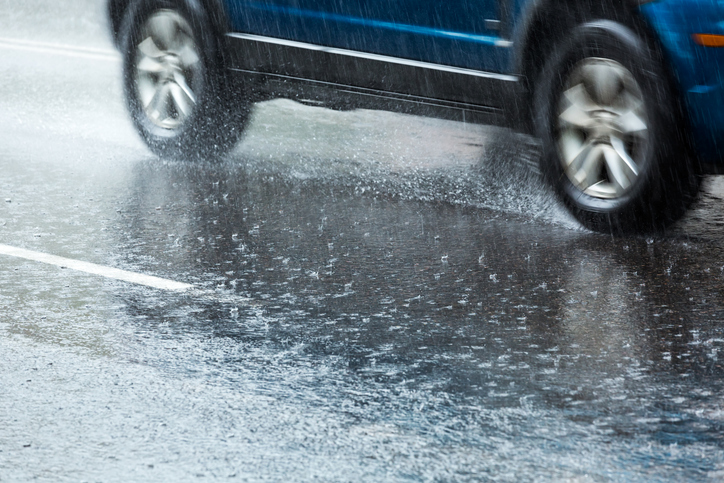
Aquaplaning is one of the most alarming experiences a driver can have — and one of the most misunderstood. This guide explains exactly what aquaplaning is, why it happens, and the steps you should take both to prevent it and to recover safely if it occurs on UK roads.
Key Points
- Aquaplaning occurs when a layer of water builds up between your tyres and the road surface
- It can happen at speeds as low as 35mph on wet roads
- Correct tyre tread depth and pressure are the most effective preventive measures
- Do not brake sharply or steer suddenly if aquaplaning begins
- Cruise control significantly increases the risk and should always be disabled in wet conditions
- UK motorways are particularly high-risk environments for aquaplaning
What Is Aquaplaning?
Aquaplaning — also called hydroplaning — occurs when your tyres encounter more water than they can disperse, causing them to ride on top of a thin film of water rather than maintaining contact with the road surface. At that moment, the driver effectively loses steering, braking, and traction control. The vehicle floats, responding neither to the steering wheel nor the brakes. It typically lasts only a few seconds, but those seconds can feel like far longer — and the consequences of overcorrecting can be severe.
Why It Happens on UK Roads
The UK’s wet climate makes aquaplaning a year-round risk, not just a winter phenomenon. Water accumulates quickly on roads with shallow drainage gradients, in ruts caused by heavy goods vehicles, and at the sides of carriageways where puddles naturally form. Speeds above 35mph dramatically increase the risk, since faster-moving vehicles create more hydrodynamic pressure beneath the tyre. Motorways — where vehicles travel at 70mph and water spray is constant — are statistically among the most dangerous environments for aquaplaning.
How to Prevent Aquaplaning
Prevention comes down to two things: tyre condition and driving behaviour.
Tyre checks:
- Maintain a minimum tread depth of 1.6mm (the UK legal limit), but consider replacing tyres at 3mm — the point at which wet-weather performance degrades meaningfully
- Keep tyres inflated to the manufacturer’s recommended pressure; underinflated tyres have a larger and less effective contact patch
- Inspect tyres for sidewall damage, particularly after pothole impacts (see our Pothole Damage UK 2026 guide)
Driving technique:
- Reduce speed progressively before entering standing water
- Avoid driving in ruts or at the very edge of the carriageway where water pools
- Increase your following distance to give yourself more time to react
- Disable cruise control entirely in wet conditions — it can cause uncontrolled wheelspin during aquaplaning and make recovery far harder
- Avoid sudden braking or sharp steering inputs on wet roads
For more on safe wet-weather driving, see our full guide to driving in heavy rain in the UK.
What to Do If Aquaplaning Starts
If your car begins to aquaplane, stay calm. The instinct to brake hard or steer sharply is natural but dangerous — both actions can send the vehicle into a spin.
Step-by-step recovery:
- Ease off the accelerator gradually — do not lift off abruptly, as sudden deceleration can also destabilise the car
- Keep the steering wheel straight — hold it firmly and avoid any sharp corrections
- Do not brake hard — if you must brake, apply gentle, progressive pressure
- Wait for grip to return — in most cases, slowing down is enough for the tyres to re-establish contact with the road
- Once grip returns, steer smoothly — gentle corrections only; the car may pull as one set of tyres regains traction before the otherThe AA advises: “If your vehicle starts aquaplaning, it’s important to keep a level head and do what you can to regain control.”
Aquaplaning and Tyre Law in the UK
A driver involved in an aquaplaning incident may face scrutiny over their tyre condition. If your tyres are found to be below the legal minimum of 1.6mm tread depth, you could face a fine of up to £2,500 per tyre and 3 penalty points — and your insurer may refuse to pay out. This is why checking tread depth before every long journey in wet weather is not just good practice but a legal responsibility. You can check your own points total with our guide to UK driving licence points.
| Tread Depth | Status | Wet Performance |
|---|---|---|
| 8mm (new tyre) | Excellent | Maximum water dispersal |
| 3mm | Acceptable | Noticeably reduced |
| 1.6mm | Legal minimum | Significantly compromised |
| Below 1.6mm | Illegal | Dangerous; aquaplaning risk very high |
FAQ
At what speed does aquaplaning typically occur?
Aquaplaning can begin at speeds as low as 35mph on flooded roads. At 70mph on a motorway, the risk is substantially higher.
Does ABS prevent aquaplaning?
No. ABS (Anti-lock Braking System) helps maintain steering control under hard braking but cannot restore grip to a tyre that has lost road contact due to water.
Can aquaplaning happen in any car?
Yes, although the risk varies depending on tyre quality, tread depth, vehicle weight, and speed. Performance tyres with wide grooves tend to disperse water more effectively.
Is aquaplaning covered by car insurance?
An aquaplaning incident itself is not specifically excluded, but if bald or underinflated tyres contributed to the accident, your insurer may refuse or reduce your claim.
Does tyre type make a difference?
Yes. Summer tyres are optimised for dry conditions. All-season and winter tyres generally disperse water more effectively and reduce aquaplaning risk in wet UK conditions.
From my point of view, aquaplaning is one of those risks that feels remote until it happens to you. Investing in quality tyres with adequate tread, checking pressures monthly, and simply slowing down in wet weather eliminates the vast majority of the risk. It costs nothing to slow down; it can cost everything not to.





