
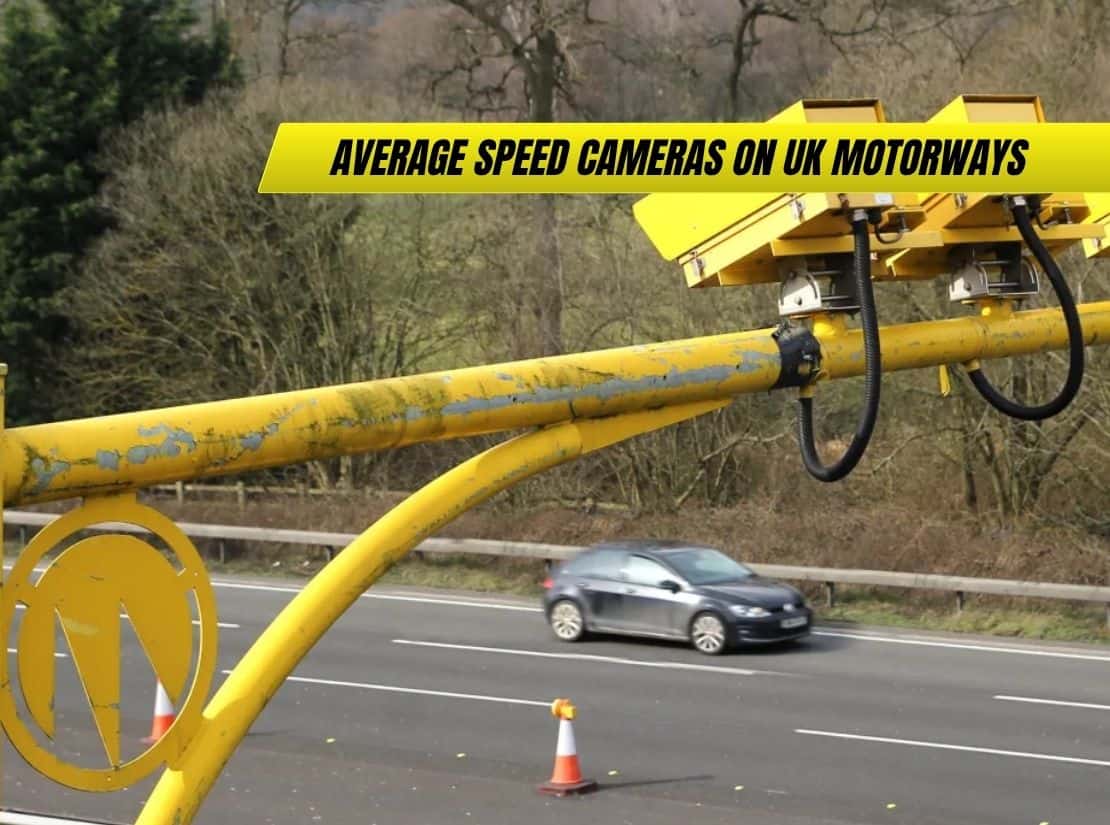
Cruising along the M25 at what feels like a reasonable pace when you suddenly notice the familiar overhead gantries with multiple cameras pointing down at the carriageway. Your immediate instinct might be to check your speedometer, but with average speed cameras, that single glance won’t tell you whether you’re about to receive a penalty notice through the post. Having analysed speed enforcement data across our test fleet at AutoHit, we’ve witnessed firsthand how these sophisticated systems are reshaping driving behaviour on Britain’s busiest roads.
Unlike traditional speed cameras that capture your velocity at a single point, average speed camera systems like SPECS, Vector, and REDFLEX calculate your mean speed over extended distances – sometimes spanning 10, 20, or even 50 miles of motorway. This technology represents a fundamental shift in speed enforcement philosophy, moving from catching momentary lapses in concentration to monitoring sustained speeding behaviour across entire journey sections.
The implications for UK drivers extend far beyond simple penalty avoidance. Understanding how these systems operate, where they’re deployed, and what triggers enforcement action has become essential knowledge for anyone regularly using Britain’s strategic road network, particularly as expansion continues across major routes and smart motorway sections.
Your journey through an average speed camera zone typically involves multiple detection points calculating speed over distances that can span entire counties, making traditional “slow down for the camera” tactics completely ineffective.
Key Highlights: Essential Average Speed Camera Facts for UK Drivers
• Distance Coverage: Modern systems monitor speeds across sections ranging from 2-50 miles, with some installations covering entire motorway stretches between major junctions • Technology Precision: ANPR (Automatic Number Plate Recognition) accuracy exceeds 95%, making misidentification extremely rare compared to older radar-based systems • Enforcement Threshold: Most systems operate with 10% + 2mph tolerance, meaning prosecution typically begins at 79mph in 70mph zones, though this isn’t guaranteed • Multi-Lane Monitoring: Advanced systems track individual vehicles across lane changes, eliminating the misconception that changing lanes resets speed calculations • 24/7 Operation: Unlike mobile enforcement units, average speed cameras operate continuously regardless of weather conditions, visibility, or time of day • Penalty Progression: Standard penalties range from £100 fines with 3 points to potential bans for excessive speeds, with repeat offenders facing accelerated consequences
Understanding Average Speed Camera Technology: How These Systems Actually Work
The sophistication of modern average speed camera systems often surprises drivers who assume they operate similarly to traditional fixed cameras. At AutoHit, we’ve had extensive briefings with enforcement agencies and technology providers, giving us insight into how these systems actually function in practice.
ANPR Foundation Technology
Every average speed camera system relies on Automatic Number Plate Recognition (ANPR) as its core technology. High-resolution cameras capture number plate images at each detection point, while sophisticated software matches plates between locations and calculates average speeds based on distance travelled and time elapsed.
The accuracy of modern ANPR systems has improved dramatically over the past decade. Current installations can successfully read plates in challenging conditions including darkness, heavy rain, and even partial obscuration by dirt or snow. This reliability has made average speed cameras increasingly attractive to enforcement agencies compared to older radar-based systems.
Multi-Point Detection Networks
Unlike single-point speed cameras, average speed systems establish detection networks across extended road sections. These networks typically include cameras positioned at regular intervals, though the exact spacing varies based on road layout, traffic patterns, and enforcement objectives.
We’ve observed installations where cameras are positioned every few hundred metres in urban areas, while motorway systems might space detection points several miles apart. This flexibility allows enforcement agencies to tailor coverage to specific road characteristics and safety concerns.
Cross-Lane Tracking Capabilities
One of the most significant misconceptions about average speed cameras involves lane changing. Many drivers believe that changing lanes during a monitored section resets their speed calculation, but modern systems track individual vehicles regardless of lane position.
Advanced installations use multiple cameras at each detection point to monitor all lanes simultaneously. When your vehicle passes the first detection point, the system creates a digital “signature” based on your number plate, vehicle type, and other characteristics. This signature follows your vehicle through the entire monitored section, regardless of lane changes, overtaking manoeuvres, or temporary stops.
Weather and Visibility Performance
Britain’s variable weather conditions once posed significant challenges for enforcement cameras, but current average speed systems operate effectively in virtually all conditions. Infrared illumination allows night-time operation without visible flash, while advanced image processing compensates for rain, fog, and snow.
During our testing in various weather conditions, we’ve found that average speed cameras maintain high accuracy even when visibility drops significantly. This consistent operation means drivers cannot rely on poor weather to avoid detection, making speed compliance essential regardless of conditions.
Major Average Speed Camera Systems Operating in the UK
The UK’s average speed camera landscape includes several different technologies, each with specific characteristics and capabilities. Understanding these systems helps drivers recognise enforcement zones and adjust their behaviour accordingly.
SPECS Systems: The Original Average Speed Technology
SPECS (Speed Detection Enforcement and Camera System) represents the first generation of average speed cameras widely deployed across Britain. Developed by Speed Check Services, SPECS installations are easily recognisable by their distinctive yellow cameras mounted on overhead gantries or roadside posts.
SPECS systems typically monitor speeds over distances ranging from 200 metres to several miles, making them suitable for various road types from urban streets to major motorways. The technology uses digital cameras with infrared illumination, allowing operation without visible flash that might distract drivers.
On motorways, SPECS installations often cover extended sections, particularly through roadworks or areas with persistent speeding problems. We’ve encountered SPECS zones spanning 10-15 miles on major routes like the M25, A14, and M1, where maintaining legal speeds becomes crucial for journey planning.
Vector Systems: Enhanced Multi-Lane Coverage
Vector average speed cameras, developed by Jenoptik, offer enhanced capabilities compared to original SPECS technology. Vector installations excel at monitoring multiple lanes simultaneously and can track vehicles across complex road layouts including slip roads, junction approaches, and variable speed limit zones.
The visual appearance of Vector cameras differs from SPECS, typically featuring more compact housings and advanced lens systems. Vector installations often appear on smart motorways where variable speed limits require more sophisticated enforcement capabilities.
Vector systems demonstrate particular effectiveness in environments where traffic flow varies significantly, such as approaches to major cities or busy junction areas. The technology adapts to changing traffic conditions while maintaining consistent enforcement standards.
REDFLEX and Other International Systems
Several other average speed camera technologies operate across the UK, including systems from REDFLEX and other international suppliers. These installations often appear as part of larger traffic management projects or smart motorway implementations.
While the underlying technology remains similar across different suppliers, installation approaches and visual characteristics vary. Some systems integrate average speed enforcement with other traffic monitoring capabilities, creating comprehensive surveillance networks that monitor various driving behaviours simultaneously.
Current Deployment Across the UK Road Network
Average speed camera deployment has expanded significantly across Britain’s road network, with installations now covering thousands of miles of strategic routes. Understanding current deployment patterns helps drivers anticipate enforcement zones and plan journeys accordingly.
Motorway Coverage and Expansion
Major motorways feature extensive average speed camera coverage, particularly around urban areas and through ongoing roadworks. The M25 includes multiple SPECS installations covering significant sections, while routes like the M1, M6, and A14 feature extensive monitoring.
Smart motorway implementations typically include average speed enforcement as standard, with cameras integrated into the overhead gantry systems used for variable speed limits. This integration allows enforcement agencies to monitor compliance with dynamic speed limits that change based on traffic conditions.
Recent expansion has focused on known accident blackspots and areas with persistent speeding problems. Routes like the A9 in Scotland now feature average speed cameras covering hundreds of miles, fundamentally changing driving behaviour across entire regions.
Urban and A-Road Implementation
Beyond motorways, average speed cameras increasingly appear on major A-roads, particularly those passing through urban areas or known accident locations. These installations often target routes where traditional speed bumps or other traffic calming measures aren’t appropriate.
Urban implementations frequently focus on residential areas, school zones, and routes with high pedestrian activity. The extended monitoring capability of average speed systems makes them particularly effective for enforcing lower speed limits over longer distances.
Roadworks and Temporary Installations
Temporary average speed camera installations commonly appear during major roadworks, particularly on motorways where lane restrictions and reduced speed limits create safety concerns. These installations often remain active throughout construction periods that can last months or years.
We’ve observed that temporary installations sometimes become permanent if they demonstrate effectiveness in improving safety or reducing accidents. Drivers should treat all average speed camera zones as potentially long-term installations regardless of their initial designation.
Understanding UK Speed Limit Enforcement Thresholds
While speed limits represent legal maximums, enforcement practice involves tolerance levels that vary between different camera systems and police forces. Understanding these thresholds helps drivers make informed decisions about speed management in monitored zones.
The 10% Plus 2mph Convention
Most UK police forces follow the Association of Chief Police Officers (ACPO) guidance suggesting enforcement action typically begins at 10% plus 2mph above posted limits. For 70mph motorway limits, this translates to potential prosecution at 79mph, though this threshold isn’t legally guaranteed.
Different police forces interpret this guidance variably, with some maintaining stricter enforcement thresholds. During our discussions with enforcement agencies, we’ve learned that some forces prosecute at lower thresholds, particularly in areas with high accident rates or ongoing safety campaigns.
Variable Threshold Factors
Enforcement thresholds can vary based on several factors including road conditions, weather, and local safety priorities. Some forces reduce tolerance levels in adverse weather or during periods of high accident rates.
School zones, residential areas, and known accident blackspots often feature reduced tolerance levels regardless of the general enforcement policy. Average speed camera systems can be programmed with different thresholds for different times of day or specific road conditions.
Repeat Offender Considerations
Drivers with recent speeding convictions may face reduced tolerance levels or expedited prosecution for subsequent offences. Modern enforcement systems can access driving history databases, potentially influencing prosecution decisions for borderline cases.
The totting-up system means that drivers approaching 12 penalty points face potential driving bans even for relatively minor speeding offences. This escalating consequence structure makes speed limit compliance increasingly important for drivers with existing convictions.
Smart Motorway Variable Limits
Smart motorways present unique enforcement challenges because speed limits change dynamically based on traffic conditions. Average speed cameras on these routes enforce whatever limit is displayed on overhead gantries, which can change multiple times during a single journey.
Variable speed limits can drop as low as 40mph during peak congestion or adverse weather, making continuous speed monitoring essential. The enforcement threshold applies to whatever limit is currently displayed, meaning prosecution could occur at speeds well below normal motorway limits.
Penalty Structure and Consequences for UK Drivers
Understanding the penalty structure for average speed camera offences helps drivers appreciate the financial and legal consequences of speeding violations. UK enforcement follows standardised penalty guidelines, though courts retain discretion for exceptional cases.
Standard Penalty Framework
Most average speed camera violations result in £100 fixed penalty notices with three penalty points on driving licences. This standard penalty applies to excess speeds within the lower bands of the enforcement guidelines.
For speeds significantly above limits, particularly those exceeding 90mph in 70mph zones, cases typically proceed to magistrates’ courts where fines can reach several hundred pounds. Court appearances also risk higher penalty point awards and potential driving disqualifications.
Penalty Point Accumulation
The three-point standard penalty might seem modest, but accumulation creates serious consequences under the totting-up system. Four speeding offences within three years result in automatic driving bans, making speed compliance essential for regular drivers.
New drivers face additional risks because accumulating six points within two years of passing their test results in licence revocation and requirement to retake both theory and practical driving tests. This consequence makes average speed camera compliance particularly crucial for recently qualified drivers.
Exceptional Hardship and Mitigation
Drivers facing totting-up bans can apply for exceptional hardship consideration, though courts set high thresholds for successful applications. Employment requirements, caring responsibilities, and remote location circumstances might influence court decisions.
However, courts increasingly scrutinise exceptional hardship applications, particularly for drivers with multiple speeding convictions. The availability of public transport, alternative employment arrangements, and previous consideration of hardship claims all influence court decisions.
Course Alternatives and Rehabilitation
Speed Awareness Courses offer alternatives to penalty points for first-time offenders within specific speed bands. These courses typically cost £80-100 and involve four-hour educational sessions covering speed awareness and road safety.
Course availability depends on the specific offence circumstances and driver history. Drivers previously attending courses within three years typically cannot access this option again, making subsequent offences subject to standard penalty procedures.
Technological Evolution: Future Developments in Average Speed Enforcement
The future of average speed enforcement in the UK involves technological advancement that extends beyond simple speed monitoring. Understanding these developments helps drivers anticipate changing enforcement landscapes and adapt their driving behaviour accordingly.
Integration with Smart Infrastructure
Future average speed systems will integrate more closely with smart motorway infrastructure, potentially monitoring multiple driving behaviours simultaneously. These systems might track following distances, lane discipline, and mobile phone usage alongside speed compliance.
Advanced systems could implement dynamic enforcement thresholds that adjust automatically based on weather conditions, traffic density, or accident risk factors. This capability would create more nuanced enforcement that responds to actual road conditions rather than applying fixed parameters.
Vehicle-to-Infrastructure Communication
Emerging vehicle technologies include communication systems that could interact directly with enforcement infrastructure. These systems might provide real-time speed limit information directly to vehicle systems, potentially preventing speeding offences before they occur.
Such technology could also enable more sophisticated enforcement approaches, including targeted warnings for drivers approaching speed thresholds or dynamic route guidance that considers current enforcement activity.
Data Analytics and Pattern Recognition
Future enforcement systems will likely incorporate advanced data analytics to identify patterns in driving behaviour beyond simple speed monitoring. This capability could help enforcement agencies target resources more effectively while providing valuable road safety insights.
Pattern recognition might identify drivers who consistently operate at speed thresholds without technically exceeding limits, potentially triggering educational interventions before formal enforcement action becomes necessary.
Regional Variations and Local Implementation Strategies
Average speed camera deployment varies significantly across different UK regions, reflecting local priorities, accident patterns, and available resources. Understanding these variations helps drivers adapt their behaviour when travelling to unfamiliar areas.
Scotland’s Comprehensive Approach
Scotland has implemented some of the UK’s most extensive average speed camera networks, particularly on routes like the A9 between Perth and Inverness. This installation covers over 100 miles and has dramatically changed driving behaviour across the Scottish Highlands.
Scottish installations often cover much longer distances than their English counterparts, reflecting the rural nature of many major routes and the practical challenges of traditional enforcement in remote areas. The success of these installations in reducing accidents has encouraged expansion to other major Scottish routes.
Urban Implementation Strategies
Major English cities increasingly use average speed cameras for traffic management beyond simple speed enforcement. London’s implementation focuses on Air Quality Management Areas where speed reduction contributes to emissions improvements alongside safety benefits.
Urban systems often integrate with broader traffic management strategies including bus lane enforcement, congestion monitoring, and emissions zone compliance. This multi-purpose approach maximises infrastructure investment while addressing various traffic management objectives.
Rural and Trunk Road Applications
Rural A-roads present unique enforcement challenges due to their length, varied speed limits, and limited traditional enforcement opportunities. Average speed cameras offer practical solutions for monitoring compliance across extended rural sections.
Installations on routes like the A14, A303, and various A-roads through national parks demonstrate how average speed enforcement adapts to different road characteristics and traffic patterns.
Average Speed Camera FAQ: Essential UK Driver Questions
Do average speed cameras work when only one camera is functioning?
Average speed cameras require at least two functioning detection points to calculate average speeds, so a single camera cannot issue penalties on its own. However, most installations include multiple cameras across monitored sections, so one non-functioning camera rarely renders the entire system inactive. Modern systems also include redundancy features and remote monitoring that quickly identifies and reports equipment failures. We’d recommend treating all marked average speed camera zones as fully operational regardless of visible camera conditions.
Can I speed up between cameras if I slow down at detection points?
This represents one of the most dangerous misconceptions about average speed cameras. The system calculates your mean speed across the entire monitored section, so speeding between detection points while slowing at cameras won’t prevent penalties if your overall average exceeds the limit. In fact, this behaviour often results in higher average speeds than maintaining consistent legal speeds throughout the zone. The safest and most effective approach involves maintaining legal speeds throughout the entire monitored section.
What happens if I exit and re-enter the motorway during an average speed zone?
Exiting and re-entering the motorway during an average speed camera zone typically resets your speed calculation because the system loses tracking continuity. However, some advanced installations monitor slip roads and junction approaches, potentially maintaining tracking through brief exits. Additionally, planning routes around average speed cameras solely to avoid enforcement could be considered attempting to pervert the course of justice in extreme cases. The most straightforward approach involves maintaining legal speeds regardless of route complexity.
Are average speed cameras affected by changing lanes or overtaking?
Modern average speed camera systems track individual vehicles across all lanes, making lane changes irrelevant to speed calculations. Advanced ANPR technology creates vehicle profiles that follow your car regardless of position changes, overtaking manoeuvres, or temporary stops within the monitored section. Some older systems had limitations with lane tracking, but current installations eliminate these issues through improved camera positioning and processing capabilities.
How accurate are average speed camera distance measurements?
Average speed camera systems use precisely surveyed distances between detection points, typically accurate to within centimetres. This precision undergoes regular calibration and certification to ensure legal compliance for prosecution purposes. The accuracy standards for enforcement equipment exceed those required for vehicle speedometers, making camera measurements more reliable than dashboard displays. However, the 10% plus 2mph enforcement threshold accounts for minor variations in measurement precision and speedometer accuracy.
Can weather conditions affect average speed camera operations?
Modern average speed cameras operate effectively in virtually all weather conditions including heavy rain, snow, fog, and darkness. Infrared illumination eliminates dependence on natural light, while advanced image processing compensates for adverse visibility conditions. During extreme weather events, some systems might reduce operational capability, but this typically involves temporary shutdowns rather than continued operation with reduced accuracy. Drivers should maintain legal speeds regardless of weather conditions rather than assuming enforcement systems are non-operational.
What should I do if I receive a penalty notice I believe is incorrect?
If you receive an average speed camera penalty notice that seems incorrect, first check the alleged offence details including time, location, and speed calculations. Common errors include incorrect number plate recognition or timing discrepancies, though these are increasingly rare with modern systems. You can request photographic evidence and calibration certificates through the notice response process. However, challenging average speed camera penalties requires strong technical evidence, as these systems maintain high accuracy standards and detailed audit trails for legal proceedings.
Practical Strategies for Average Speed Camera Compliance
Successful navigation of average speed camera zones requires more than simply checking your speedometer at detection points. Based on our extensive testing and analysis of driver behaviour in monitored sections, several practical strategies can help ensure consistent compliance.
Journey Planning and Speed Management
Pre-Journey Preparation
Before travelling through known average speed camera zones, plan your journey timing to accommodate reduced speeds without creating schedule pressure. Rushing through monitored sections often leads to speed limit violations as drivers attempt to recover lost time.
Modern sat-nav systems and smartphone apps increasingly include average speed camera warnings, though their accuracy varies. We recommend using multiple information sources and treating any marked enforcement zone as potentially active regardless of current warning status.
Consistent Speed Maintenance
The most effective approach for average speed camera compliance involves maintaining steady, legal speeds throughout monitored sections rather than attempting to manage average speeds through acceleration and deceleration cycles.
Cruise control systems prove particularly valuable in average speed camera zones, especially during long motorway sections where maintaining consistent speeds manually becomes challenging. However, remain alert to changing speed limits or traffic conditions that might require manual intervention.
Technology Aids and Limitations
Dashboard Speed Monitoring
Vehicle speedometers typically display speeds 5-10% higher than actual velocity, meaning dashboard readings of 77-79mph often correspond to actual speeds around 70mph. However, relying on speedometer tolerance for average speed camera compliance involves unnecessary risk.
GPS-based speed measurements through smartphone apps often provide more accurate readings than dashboard speedometers, though signal quality and update rates can affect precision. Using multiple speed references helps maintain better speed awareness in enforcement zones.
Advanced Driver Assistance Systems
Many modern vehicles include speed limit recognition systems that display current limits on dashboard screens or head-up displays. These systems prove valuable for maintaining awareness in variable speed limit zones, though accuracy depends on sign recognition capabilities and database updates.
Intelligent Speed Assistance (ISA) systems, mandatory on new vehicles from 2022, provide speed limit warnings and can actively limit vehicle speeds in some configurations. While these systems support compliance efforts, they shouldn’t replace active speed management by drivers.
Economic Impact and Road Safety Outcomes
The deployment of average speed cameras across the UK road network represents significant infrastructure investment with measurable impacts on both road safety and driver behaviour. Understanding these broader implications helps contextualise enforcement within road safety strategy.
Accident Reduction and Safety Benefits
Statistical analysis from major average speed camera installations demonstrates substantial accident reduction in monitored areas. The A9 installation in Scotland recorded 42% reduction in fatal accidents and 31% reduction in serious injury accidents within the first three years of operation.
These safety improvements result from sustained speed reductions rather than temporary compliance at specific camera locations. Average speed monitoring encourages consistent speed limit compliance across entire route sections, creating more predictable traffic flow and reduced speed variance between vehicles.
Traffic Flow and Journey Time Effects
Despite reduced speeds, average speed camera installations often improve overall journey times through better traffic flow consistency. Reduced speed variance between vehicles decreases the accordion effect that creates phantom traffic jams on busy routes.
However, some installations do increase journey times, particularly on routes where previous average speeds significantly exceeded posted limits. The A14 SPECS installation added approximately 3-4 minutes to journey times across the monitored section, though this increase stabilised as driver behaviour adapted.
Economic Considerations for Drivers
The financial impact of average speed camera compliance extends beyond penalty avoidance to include fuel consumption and vehicle operating costs. Maintaining consistent, legal speeds often improves fuel efficiency compared to variable speed driving patterns.
For commercial drivers and fleet operators, average speed camera compliance forms part of broader cost management strategies. Penalty points and licence endorsements can affect employment prospects and insurance costs, making compliance essential for professional drivers.
The Future Landscape: Integration with Autonomous and Connected Vehicles
As vehicle technology evolves towards increased automation and connectivity, the relationship between average speed enforcement and vehicle systems will likely become more integrated and sophisticated.
Vehicle-Infrastructure Communication
Future developments might include direct communication between enforcement systems and vehicle systems, potentially providing real-time speed limit information and compliance monitoring. This integration could reduce enforcement requirements while improving overall compliance rates.
Connected vehicle systems might also enable more nuanced enforcement approaches, including consideration of traffic conditions, weather, and individual driver circumstances. However, such developments raise privacy and data protection questions that require careful consideration.
Autonomous Vehicle Implications
Fully autonomous vehicles will theoretically eliminate speed limit violations through precise speed control systems. However, the transition period involving mixed autonomous and human-driven traffic creates new enforcement challenges and opportunities.
Average speed camera systems might evolve to monitor autonomous vehicle system performance alongside human driver behaviour, ensuring that automated systems maintain appropriate speeds and respond correctly to changing conditions.
Average speed cameras have fundamentally changed the enforcement landscape on UK roads, moving from occasional speed traps to comprehensive monitoring systems that cover thousands of miles of strategic routes. For British drivers, understanding these systems isn’t simply about penalty avoidance – it’s about adapting to a new paradigm of continuous speed monitoring that prioritises sustained compliance over momentary adherence.
The technology behind these systems continues evolving, with enhanced ANPR accuracy, multi-lane tracking capabilities, and integration with smart motorway infrastructure creating more sophisticated enforcement networks. Modern installations like Vector and advanced SPECS systems can monitor vehicle behaviour across extended distances while adapting to variable speed limits and changing road conditions.
From a practical standpoint, successful average speed camera navigation requires consistent speed management rather than tactical acceleration and deceleration around detection points. The most effective approach involves maintaining legal speeds throughout monitored sections using cruise control where appropriate, supported by accurate speed monitoring tools and awareness of current speed limits.
The expansion of average speed camera coverage across major routes like the M25, A14, and A9 demonstrates their effectiveness in reducing accidents and improving traffic flow consistency. While these installations might add minutes to journey times on some routes, the safety benefits and reduced accident rates justify the implementation from both policy and insurance perspectives.
Looking ahead, average speed enforcement will likely become more sophisticated through integration with vehicle technology and smart infrastructure. However, the fundamental principle remains unchanged: consistent compliance with speed limits represents the most effective strategy for avoiding penalties while contributing to improved road safety.
For UK drivers, average speed cameras represent a permanent feature of the modern road network that requires adaptation of driving habits and journey planning approaches. Understanding how these systems operate, where they’re deployed, and what triggers enforcement action has become essential knowledge for anyone regularly using Britain’s major routes. The days of occasional speed camera encounters have evolved into comprehensive monitoring that makes speed limit compliance a continuous responsibility rather than a momentary consideration.





