
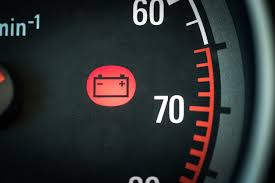
A weak battery can cause hard starting, warning lights and strange electrical behaviour long before the car fails completely. Checking battery health regularly is one of the easiest ways to avoid a no-start situation, especially during colder mornings or after short-trip use.
Key Points
- Slow cranking is one of the clearest signs of battery weakness.
- Short journeys and long periods of inactivity can leave the battery undercharged.
- Corrosion on terminals can create starting and charging problems.
- A battery can appear fine and still be too weak to deliver reliable starting power.
- Charging issues are not always caused by the battery itself; the alternator matters too.
- Replacing a weak battery early is usually cheaper than dealing with a breakdown.
What To Look For
The first sign is often how the engine turns over. If the starter sounds slow or laboured, the battery may no longer be holding charge properly.
You should also check the battery terminals for corrosion, looseness or signs of leakage. A poor connection can look like a battery fault, so both the battery condition and the connection quality matter.
Common Causes Of Weakness
Short trips are a major cause because the alternator may not have enough time to restore the charge used during starting. Cars left parked for long periods can also slowly discharge, especially if they have alarms, trackers or other background electrical loads.
Cold weather makes the situation worse because batteries deliver less power at low temperatures. In practice, a battery that just about copes in mild weather may struggle badly on a cold morning.
Battery Vs Charging Fault
A weak battery is not always the main problem. If the alternator is not charging correctly, even a new battery will become weak again after a short time.
That is why both the battery and charging system need to be considered together. From my experience, many starting problems blamed on the battery are actually caused by a charging issue or a bad earth connection.
What is the main sign of a weak battery?
Slow cranking is usually the easiest sign to notice. The engine sounds hesitant when starting instead of turning over quickly.
Can a battery still work if it is weak?
Yes, but not reliably. It may still start the car sometimes while failing at other times, especially in cold weather.
Why do short trips harm battery health?
Because starting the engine uses a lot of charge and short journeys may not give the alternator enough time to replace it. Repeated short trips can gradually leave the battery undercharged.
Can corrosion cause battery problems?
Yes. Corrosion at the terminals can reduce the flow of electricity and make the car difficult to start.
How do I know if it is the battery or alternator?
If the battery keeps going flat after driving, the charging system may be at fault. If the battery is old and the car cranks slowly from the start, the battery itself may be weak.
Should I replace a battery before it fails?
Usually yes, if it is showing clear signs of weakness. Replacing it early is far less stressful than waiting for a no-start.
Does cold weather damage batteries?
Cold weather does not instantly damage them, but it reduces performance and makes weak batteries fail more easily.
Conclusion
Checking battery health is a simple job that can prevent a major inconvenience later. By watching for slow cranking, corrosion, poor charging and repeated low-start issues, UK drivers can spot a failing battery before it leaves them stranded.





