
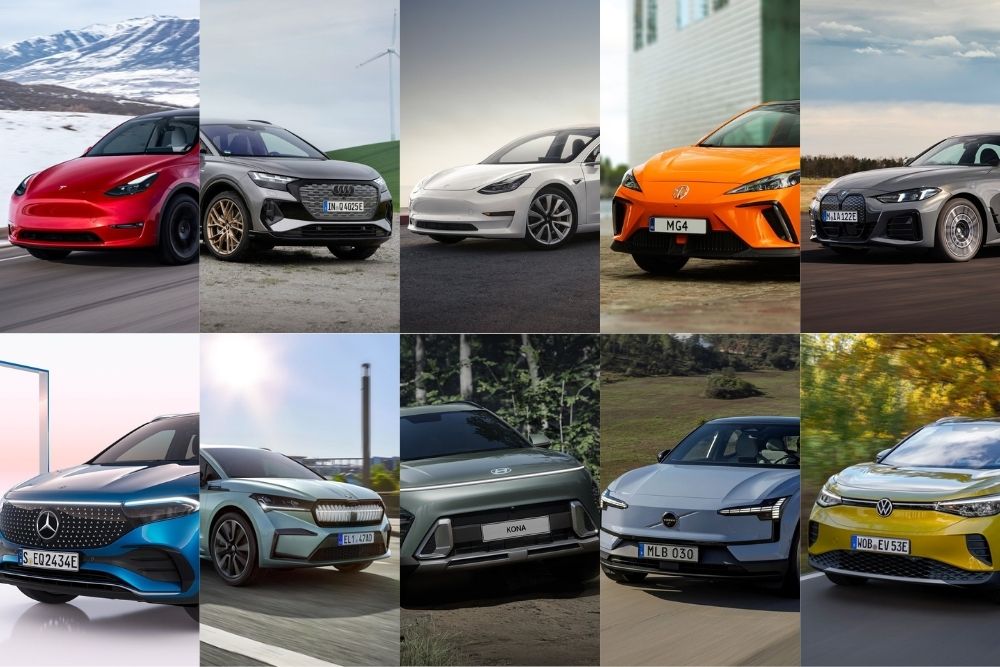
The UK electric-car market in May 2026 is being reshaped by a new mix of familiar names and fast-growing challengers. The standout story is BYD, which has become the UK’s top-selling EV brand so far in 2026, overtaking established rivals and proving that the market is now open to new players.
That shift matters because it shows British buyers are increasingly willing to back EVs on value, not just badge loyalty. For UK readers, the key question is now less about whether the market is changing and more about which brands are best positioned to benefit from it.
Key points
- BYD is the UK’s best-selling EV brand so far in 2026.
- Tesla remains a major benchmark, but it is no longer uncontested at the top.
- Premium brands still matter, but value-focused EVs are gaining ground fast.
- Private buyers are increasingly open to newer EV brands.
- The UK EV market is becoming more competitive and more price-sensitive.
- Smaller EVs and practical family cars are driving much of the growth.
Market overview
BYD’s rise to the top of the UK EV market is one of the biggest stories of 2026 so far. The brand has sold 12,754 electric cars between January and April and has taken more than 7% market share, making it the country’s best-selling EV brand over that period.
This is a major shift because it shows that British buyers are responding to price, equipment and perceived value rather than simply sticking with the oldest established names. In my experience, that usually happens when a market reaches a more mature stage: the first wave of adopters is already there, and the next wave wants a better deal.
| Brand or model | UK role in 2026 | Why it matters |
|---|---|---|
| BYD | Best-selling EV brand | Biggest brand-level surprise |
| Tesla | Established benchmark | Still a key reference point |
| Kia | Strong mainstream EV player | Important for family buyers |
| Volkswagen | Long-established EV brand | Still relevant, but under pressure |
| BMW | Premium EV contender | Important in the high-end market |
BYD’s rise
BYD’s success is especially notable because it is not just a fleet story; it is also strong among private buyers. That suggests UK customers are increasingly comfortable choosing newer Chinese EV brands if the product and pricing look convincing.
BYD currently sells models such as the Dolphin Surf, Dolphin, Atto 3, Seal and Sealion 7 in the UK, with more products coming soon. That gives the brand enough breadth to appeal to city drivers, family buyers and those looking for a more premium electric car.
From my point of view, BYD’s rise shows that the UK EV market is entering a new phase. Brand trust still matters, but it can now be earned much faster if the car offers the right combination of range, equipment and affordability.
Tesla remains a major force in the UK EV scene, and the Model Y in particular continues to be one of the most important electric cars in the market. Even if BYD is currently ahead on brand volume, Tesla still carries huge influence over how UK buyers think about electric performance, charging and ownership.
Other premium names such as BMW and Volkswagen also remain central to the EV conversation, especially for drivers who want established dealer networks and a more traditional buying experience. The top end of the EV market is still very important in the UK, but it is no longer the only part that matters.
I would recommend looking beyond the badge if value is your main concern. The best EV for one buyer may be a premium model, but for many households a newer, better-equipped mainstream EV will make more sense.
What is driving demand
The UK EV market in 2026 is being pushed by a few clear factors: more model choice, more competition, and a stronger focus on monthly cost. Buyers are increasingly comparing not just range and charging speed, but also finance offers, standard equipment and total ownership cost.
That is why brands like BYD are doing so well. They are bringing a package that feels complete without needing a premium badge. For many British buyers, that is a compelling proposition.
| Demand factor | Why it matters in the UK |
|---|---|
| Price | Monthly payments and purchase price are critical |
| Equipment | Buyers want more standard kit |
| Charging | Convenience still shapes the EV decision |
| Brand trust | Still important, but less dominant than before |
What UK buyers can learn
The best-selling EV picture in the UK shows that the market is maturing quickly. British buyers are no longer only choosing the most familiar brands; they are also rewarding the most convincing products, even when the badge is newer.
That is good news for shoppers because it usually means more competition, better value and a wider range of cars to choose from. It also suggests that the strongest EVs in 2026 will be the ones that combine everyday practicality with a realistic price.
Conclusion
The UK’s best-selling electric-cars picture in May 2026 shows a market in transition, with BYD now leading the brand race and Tesla still a powerful benchmark. The key story is not that one brand has won forever, but that British buyers are more open than ever to new EV names when the value proposition is strong. For anyone shopping for an electric car in the UK, that means more choice, sharper pricing and a faster-moving market than before.





