
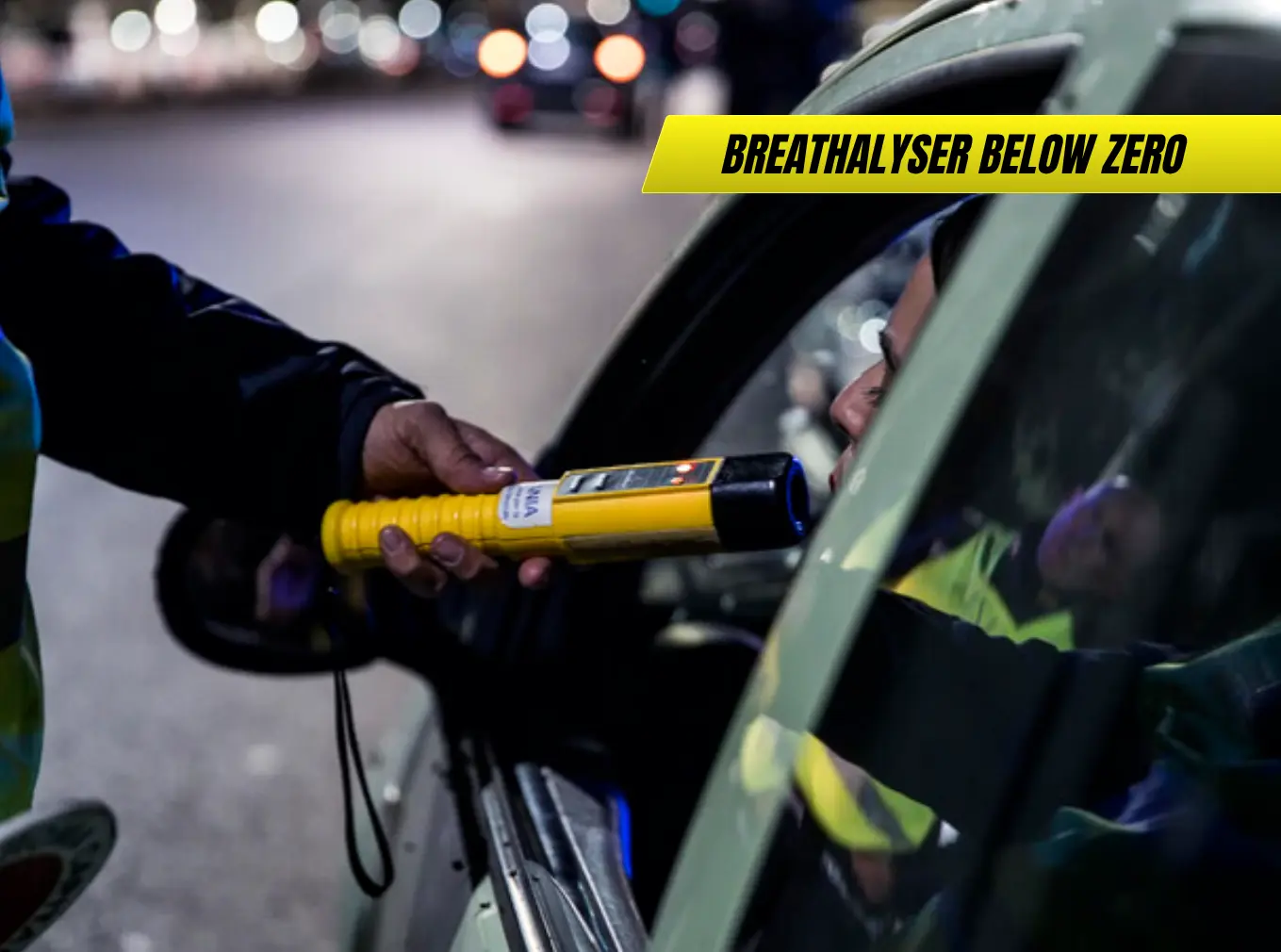
Learn how extreme cold can affect breathalyser results and DUI laws in the UK. Legal insights, safety tips, and driver guidance included.
The “breathalyser below zero” case has highlighted how environmental conditions can influence alcohol testing. In the UK, driving under the influence (DUI) laws are strict, with fixed blood alcohol limits and severe penalties. However, this case shows that extreme cold can affect breathalyser accuracy, with implications for drivers and legal professionals.
For additional guidance on UK road safety and laws, visit DVLA Driving Laws.
Key Points
- Alcohol tests can be influenced by extreme temperatures
- Accurate results require controlled conditions
- Drivers may contest results if procedures are not correctly followed
- UK regulations maintain zero tolerance for exceeding legal limits
- Insurance and license implications exist if a test result is positive
- Practical advice is essential for drivers in cold weather
Case Overview: Breathalyser Below Zero
An Italian driver was recently cleared of DUI charges after an incident. The court ruled the alcohol test was unreliabledue to extremely low temperatures during measurement. This underscores the importance of following correct procedures and considering environmental factors in alcohol testing.
Relevance for UK Drivers
In the UK, breath and blood tests must follow strict protocols. While errors due to cold weather are rare, drivers in colder regions should:
- Ensure tests are conducted in appropriate conditions
- Confirm calibration and functioning of breathalyser devices
- Be aware of their legal rights regarding testing procedures
Legal Implications in the UK
- Legal blood alcohol limit: 0.08% (Scotland: 0.05%)
- Penalties: fines up to £5,000, 12-month license suspension, 11 penalty points
- Test results may be challenged if environmental conditions or device faults affected accuracy
- Documentation of anomalies or device errors is recommended
For full legal guidance, see UK Driving Offences.
Practical Advice for Drivers
- Avoid driving after alcohol consumption, especially in extreme cold
- Ensure testing procedures follow official guidance
- Keep records of any test anomalies or equipment faults
- Check insurance terms: some policies may be affected by contested results
Expert Insight
From my point of view, understanding how environmental factors can affect breathalyser results is crucial. UK drivers must strictly follow legal alcohol limits, but also be aware that procedural errors can be contested in court.
FAQs
What happens if a breathalyser shows zero in extreme cold?
Extreme cold may produce unreliable readings; UK drivers can request a retest or legally challenge the result.
What is the legal alcohol limit in the UK?
0.08% BAC in England, Wales, and Northern Ireland; 0.05% in Scotland.
Can a driver appeal a DUI conviction based on faulty equipment?
Yes, if the testing device or conditions compromised accuracy, legal appeal is possible.
How does this affect insurance?
A DUI conviction can increase premiums or invalidate some policies; contesting faulty results is important.
Are there UK guidelines for breathalyser calibration?
Yes, devices must be regularly calibrated and tested according to UK law.
Does cold weather affect driving safety?
Yes; low temperatures can impair vehicle performance, road grip, and test reliability.
What should UK drivers do in extreme cold?
Avoid driving after drinking, ensure tests are done under proper conditions, and know your rights.
Conclusion
The breathalyser below zero case demonstrates the impact of environmental conditions on DUI testing. In my experience, UK drivers should comply with legal alcohol limits while understanding procedural factors that may affect test reliability. Knowing your rights, equipment limitations, and insurance implications ensures safety and legal protection on UK roads. For further details, consult DVLA Driving Laws.





