
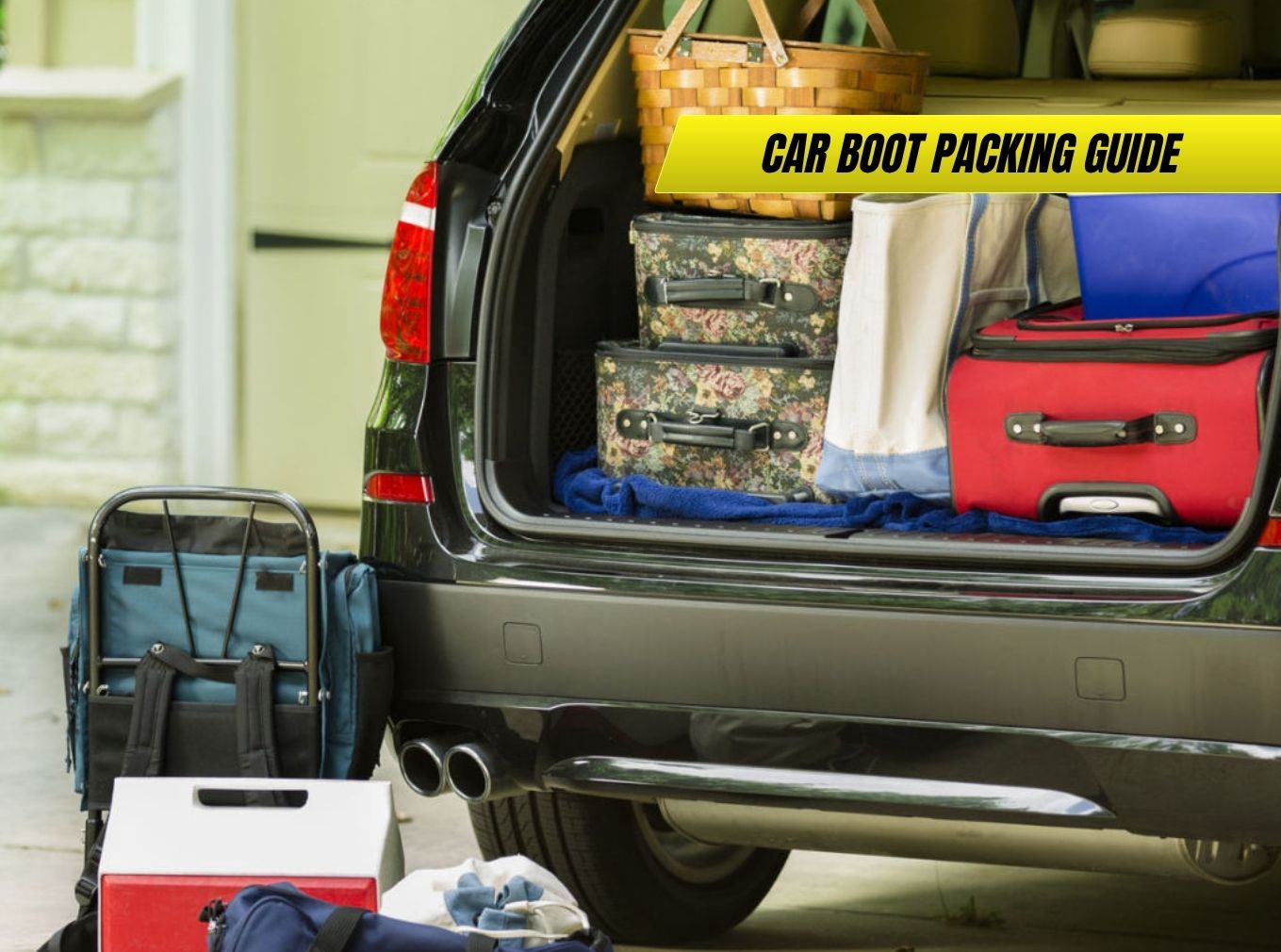
Complete UK car boot packing guide: safety tips, weight limits, legal requirements, and smart storage solutions for family holidays and road trips.
With staycations and UK road trips more popular than ever, the art of car boot packing has become crucial for British families embarking on holidays. Research by Dacia reveals that nearly one in five people find packing the car more stressful than the journey itself, with almost one in ten admitting to forcing the boot shut just to fit everything in. Understanding proper loading techniques, weight limits, and safety regulations not only ensures legal compliance but also protects your family’s safety and vehicle performance. From maximising space in compact cars to securing loads properly, this comprehensive guide provides everything UK drivers need for safe, efficient holiday packing.
Key Points: Essential UK Car Boot Packing Knowledge
• Legal requirements: Overloading can result in fines up to £5,000 under UK regulations • Safety priorities: Heavy items at the bottom, light items on top, clear rear visibility essential • Weight distribution: Check maximum payload in owner’s manual; adjust tyre pressure for heavy loads • Load securing: Use nets, straps, or barriers to prevent items becoming dangerous projectiles • Insurance implications: Insecure loads can invalidate claims if they contribute to accidents • Emergency access: Keep breakdown kit, first aid, and emergency equipment easily accessible
Understanding UK Loading Regulations and Legal Requirements
The Highway Code and UK road traffic legislation establish clear requirements for vehicle loading that many drivers overlook. Admiral Insurance warns that 44% of UK drivers haven’t read the Highway Code in over 20 years, leaving them vulnerable to prosecution for loading violations they may not even realise exist.
Legal Weight Limits and Penalties
UK law requires drivers to stay within their vehicle’s maximum gross weight and individual axle weight limits. Exceeding these limits can result in fines up to £5,000, penalty points, and potential driving disqualifications. More concerning, insurers like Admiral may refuse claims if accidents result from insecure or illegal loading practices.
Highway Code Loading Requirements
The Highway Code stipulates that loads must be secured to prevent movement during normal driving conditions, including emergency braking. Items cannot obstruct the driver’s view through windscreens or mirrors, and nothing should project dangerously from the vehicle. All restraining equipment must be properly secured and unused restraints stored safely to prevent them becoming hazards.
Insurance and Liability Implications
Insurance companies increasingly scrutinise loading practices following accidents. Improperly secured loads that contribute to incidents can void coverage entirely. This makes understanding and following proper loading procedures essential for maintaining financial protection.
Pre-Journey Vehicle Preparation
Essential Vehicle Checks
Before loading begins, conduct comprehensive vehicle inspection covering engine oil levels, coolant levels, brake fluid, windscreen washer fluid, and tyre condition including spare wheel. Understanding warning lights becomes particularly important when carrying heavy loads that stress vehicle systems.
Tyre Pressure Adjustments
Heavy loading requires tyre pressure adjustments specified in your owner’s manual or found inside door panels or fuel filler caps. Many UK vehicles require additional pressure when carrying more than two people plus luggage. Proper pressure ensures optimal handling, fuel economy, and safety with loaded vehicles.
Maximum Payload Verification
Check your vehicle’s maximum payload (total weight of passengers and luggage) in the owner’s manual. This figure varies significantly between models; exceeding it affects braking distances, handling, and component stress. When considering the best family SUVs or cars under £25,000, payload capacity becomes a crucial selection criterion for family use.
Strategic Boot Packing Techniques
Bottom-Heavy Loading Principle
Place heaviest items lowest in the boot and closest to the rear seat backrest. This maintains the vehicle’s centre of gravity and prevents destabilising weight distribution that affects handling. Large suitcases, camping equipment, and tools belong at the bottom of the loading order.
Visibility Preservation
Never pack above the level of rear seat backs unless absolutely necessary. Obstructed rear visibility contributes to many UK road incidents, particularly when reversing or changing lanes. If height restrictions force higher packing, ensure mirrors provide adequate rearward vision.
Progressive Loading Strategy
Pack systematically: heavy items first against the rear seats, medium-weight items filling gaps, and lightest items on top. This creates a stable load structure that won’t shift during cornering or braking.
Load Securing Methods and Equipment
Professional Restraint Systems
Invest in quality boot nets, luggage straps, and dividers rather than relying on improvised solutions. Proper equipment costs £20-50 but prevents potentially catastrophic load shifts. European-standard restraints provide tested security under crash conditions.
Strap and Net Positioning
Position restraints to create cross-bracing that prevents forward, backward, and lateral movement. Single restraints rarely provide adequate security; use multiple attachment points for comprehensive load control. Ensure straps don’t create pressure points that could damage luggage or vehicle trim.
Partition Barriers
Boot divider nets prevent items from entering the passenger compartment during sudden stops. This safety equipment is particularly important when carrying loose items or when loading above seat level becomes unavoidable.
| Security Method | Cost Range | Application | Effectiveness |
|---|---|---|---|
| Boot Net | £15-35 | Light items, preventing forward movement | Good for basic security |
| Luggage Straps | £10-25 | Heavy items, cross-bracing | Excellent when properly used |
| Partition Barrier | £30-80 | Cabin protection, loose items | Essential for safety |
| Boot Organiser | £25-60 | Small items, everyday use | Good for organisation |
Maximising Space Efficiency
Vacuum Compression Techniques
Vacuum storage bags reduce clothing volume by up to 75%, creating significant space savings. This technique works particularly well for bulky items like winter coats, bedding, and towels. Quality vacuum bags cost £15-25 and pay for themselves through increased packing capacity.
Hidden Storage Utilisation
Modern cars offer numerous storage opportunities beyond the obvious boot space. Under-seat storage, door pockets, seatback organisers, and floor wells can accommodate surprising amounts of small items. Document storage needs and map available spaces before loading major items.
Roof Box Considerations
Roof boxes provide 300-500 litres of additional storage but affect fuel economy, handling, and maximum speed limits. Halfords’ 320L roof box at £159 offers good value for families requiring extra capacity. Remember to adjust driving style for increased wind resistance and altered centre of gravity.
Family-Specific Packing Strategies
Travelling with Children
Children’s equipment often consumes disproportionate boot space. Prioritise collapsible items like travel cots and lightweight buggies. Pack entertainment and comfort items where children can access them without compromising load security. Consider whether larger families benefit from SUVs under £30,000 with enhanced cargo capacity.
Essential Item Accessibility
Pack frequently needed items last so they’re accessible without disturbing the entire load. This includes phone chargers, medications, first aid kits, children’s snacks, and emergency equipment. Create designated “quick access” zones near the boot opening.
Emergency Equipment Positioning
UK regulations require certain emergency equipment accessibility. Warning triangles, high-visibility jackets, and first aid kits must remain reachable without major load reorganisation. Some items legally must be stored in specific locations or carried by individual passengers.
Seasonal and Weather Considerations
Summer Holiday Packing
Summer travel often involves beach equipment, sporting goods, and extensive clothing changes. Waterproof storage becomes important for wet swimwear and sandy equipment. Consider separate compartments for dirty and clean items to maintain organisation throughout the holiday.
Winter Travel Preparations
Winter UK travel requires additional emergency equipment including ice scrapers, de-icer, emergency blankets, and potentially snow chains. These items must remain accessible even when the boot is fully loaded. Plan for longer journey times and potential weather delays requiring extra supplies.
Weather Protection Measures
UK weather unpredictability requires flexible packing approaches. Waterproof covers protect electronic equipment and important documents. Separate wet and dry storage prevents clothing contamination from unexpected weather changes.
Technology and Modern Solutions
Digital Packing Tools
Dacia’s pioneering Augmented Reality Boot Organiser tool demonstrates how technology can optimise loading. Available for Apple and Android devices, it allows virtual loading of camping gear or suitcases, showing visual layouts that optimise space before physical packing begins.
Smart Loading Apps
Various smartphone applications help calculate load distribution, track weight limits, and suggest optimal packing arrangements. These tools prove particularly valuable for regular travellers developing systematic packing approaches.
Vehicle-Specific Solutions
Many modern vehicles offer manufacturer-specific storage solutions designed for their particular boot dimensions and loading characteristics. Research available accessories before major holidays to identify options that enhance your specific vehicle’s capabilities.
Safety During Loading and Unloading
Manual Handling Considerations
Heavy lifting during car loading causes numerous UK injuries annually. Use proper lifting techniques: bend knees, keep back straight, and lift with leg muscles. Consider wheeled luggage and sliding techniques rather than lifting whenever possible.
Traffic Safety
Loading and unloading in public spaces requires constant awareness of traffic and pedestrian safety. Choose safe locations away from traffic flow and ensure adequate lighting for evening operations. High-visibility clothing helps other road users see you during roadside activities.
Children’s Safety
Supervise children closely during loading operations. Car parks and roadside areas present numerous hazards including moving vehicles, heavy equipment, and distraction-related accidents. Designate safe waiting areas away from loading activities.
Regional UK Considerations
Scottish Highland Travel
Highland touring requires specific equipment including emergency food, warm clothing, and communication devices due to limited infrastructure. Remote area breakdowns become more serious with inadequate preparation. Pack for self-sufficiency during potential delays.
London and Urban Areas
City driving with heavy loads presents unique challenges including congestion charging considerations, parking restrictions, and security concerns. Plan routes avoiding weight-restricted roads and areas with height barriers that affect roof box use.
Coastal Area Preparations
Seaside holidays involve sand, saltwater, and equipment that can damage vehicle interiors. Use protective covers and separate storage for beach equipment. Saltwater exposure requires additional vehicle cleaning to prevent corrosion.
Environmental and Fuel Economy Impact
Weight-Related Fuel Consumption
Additional weight significantly impacts fuel economy, particularly in smaller vehicles. Every 45kg (100lbs) of additional weight reduces fuel economy by approximately 2%. With current UK fuel prices, this translates to substantial cost increases for heavily loaded holiday travel.
Aerodynamic Considerations
Roof boxes, bike racks, and protruding loads increase wind resistance, further reducing fuel economy and affecting handling. At motorway speeds, aerodynamic drag becomes the dominant factor affecting fuel consumption and vehicle stability.
Environmental Responsibility
Efficient packing reduces environmental impact through improved fuel economy and reduced need for multiple trips. Consider shared transportation for groups and consolidate loads to minimise overall environmental footprint.
Common Packing Mistakes and Solutions
Overloading Consequences
Beyond legal penalties, overloading affects braking distances, cornering stability, and component longevity. Overloaded vehicles require significantly longer stopping distances and become unstable during emergency manoeuvres. This creates serious safety risks that no amount of convenience justifies.
Poor Weight Distribution
Tail-heavy loading makes vehicles unstable and difficult to control, particularly in crosswinds or during emergency steering inputs. Side-to-side weight imbalances affect handling and tyre wear. Always aim for balanced loading that maintains the manufacturer’s intended weight distribution.
Inadequate Securing
Loose items become dangerous projectiles during sudden stops or accidents. A 1kg object becomes a 50kg projectile at 50mph impact speeds. This threatens passenger safety and can cause massive damage to vehicle interiors and other occupants.
Emergency Preparedness and Breakdown Considerations
Accessible Emergency Equipment
UK breakdown statistics show that well-prepared drivers resolve incidents faster and more safely. Essential equipment includes warning triangles, high-visibility clothing, first aid kits, torches, and emergency contact information. These items must remain accessible even with full loads.
Breakdown Procedures with Loads
Vehicle recovery becomes more complex with heavy loads. Breakdown services may require partial unloading before recovery operations. Plan storage solutions for emergency unloading and protect belongings during roadside waits.
Communication Equipment
Ensure mobile phones remain charged and accessible. Consider portable chargers and emergency communication devices for remote area travel. Breakdown locations may have poor mobile coverage, making preparation essential.
Insurance and Documentation Considerations
Photographic Documentation
Document valuable items before loading for insurance purposes. Take photos showing serial numbers, condition, and packing arrangements. This evidence proves invaluable for insurance claims following theft or accident damage.
Coverage Verification
Verify that travel insurance covers items carried in vehicles and understand policy limits for electronics, sports equipment, and valuables. Many policies exclude items left in vehicles overnight or in certain circumstances.
International Travel Requirements
Travel to European destinations requires additional documentation and potentially different loading regulations. Research destination country requirements for equipment carriage, particularly items like first aid kits, warning triangles, and emergency equipment.
Future Trends in Car Loading
Autonomous Vehicle Implications
Emerging autonomous vehicle technology may reshape loading requirements and safety considerations. Self-driving systems require unobstructed sensors and cameras, potentially limiting loading configurations currently considered acceptable.
Electric Vehicle Considerations
Electric vehicles’ weight distribution differs from conventional cars due to battery placement. This may require modified loading strategies to maintain optimal performance and range. When considering the best cheap electric SUVs, understand how loading affects battery efficiency.
Smart Loading Systems
Future vehicles may incorporate weight sensors, load monitoring, and automatic weight distribution systems. These technologies promise to make safe loading easier whilst providing real-time feedback about load security and vehicle performance.
Frequently Asked Questions
What’s the maximum weight I can legally carry in my car boot?
Check your vehicle’s maximum payload in the owner’s manual (typically 400-800kg for family cars). This includes all passengers and luggage. Exceeding this limit can result in fines up to £5,000 and invalidated insurance coverage.
Do I need to adjust my driving when carrying a heavy load?
Yes, increase following distances as braking distances extend significantly. Reduce cornering speeds and avoid sudden manoeuvres. Check tyre pressures before loading and adjust according to manufacturer specifications for heavy loads.
Can loose items in my boot invalidate my car insurance?
Yes, insurers may refuse claims if unsecured loads contribute to accidents or injuries. Always secure items properly using nets, straps, or barriers to prevent movement during normal driving conditions.
What emergency equipment must remain accessible in my car?
Warning triangles, high-visibility jackets, and first aid kits should be easily reachable. Some breakdown services require these items for safe roadside assistance, and they may be legally required in European destinations.
How does boot loading affect my car’s fuel consumption?
Every 45kg of additional weight reduces fuel economy by approximately 2%. Roof boxes and external loads also increase wind resistance, further reducing efficiency and affecting handling at higher speeds.
Can I carry items on my roof without a roof box?
Items must be properly secured and not exceed vehicle height/weight limits. Use appropriate straps and ensure loads don’t obstruct lights or registration plates. Check manufacturer specifications for maximum roof loading weights.
What should I do if my boot won’t close with all my luggage?
Never force boot closure as this can damage hinges or locks. Remove items, repack more efficiently, or consider roof storage solutions. Vacuum bags can reduce clothing volume by up to 75%.
Conclusion
Proper car boot packing represents far more than a logistical challenge—it’s a fundamental safety requirement that affects vehicle performance, legal compliance, and family protection. Understanding weight limits, securing loads effectively, and maintaining visibility ensures that your UK holiday begins safely and continues without incident.
In my experience, investing time in systematic packing preparation pays dividends through reduced stress, improved fuel economy, and enhanced safety. The £50-100 spent on quality restraint equipment and storage solutions prevents potentially catastrophic consequences from unsecured loads whilst maximising available space.
Looking ahead, evolving vehicle technologies and changing travel patterns will continue reshaping packing requirements. However, fundamental principles of weight distribution, load security, and safety compliance remain constant foundations for responsible vehicle loading.
For additional insights into automotive safety and international perspectives on vehicle loading practices, resources like Italian automotive guides provide valuable comparative insights into European loading standards and safety requirements.
Whether you’re planning a weekend city break or an extended touring holiday, proper boot packing skills ensure your journey focuses on destinations and experiences rather than avoidable problems caused by inadequate preparation. Safe travels begin with smart packing.





