
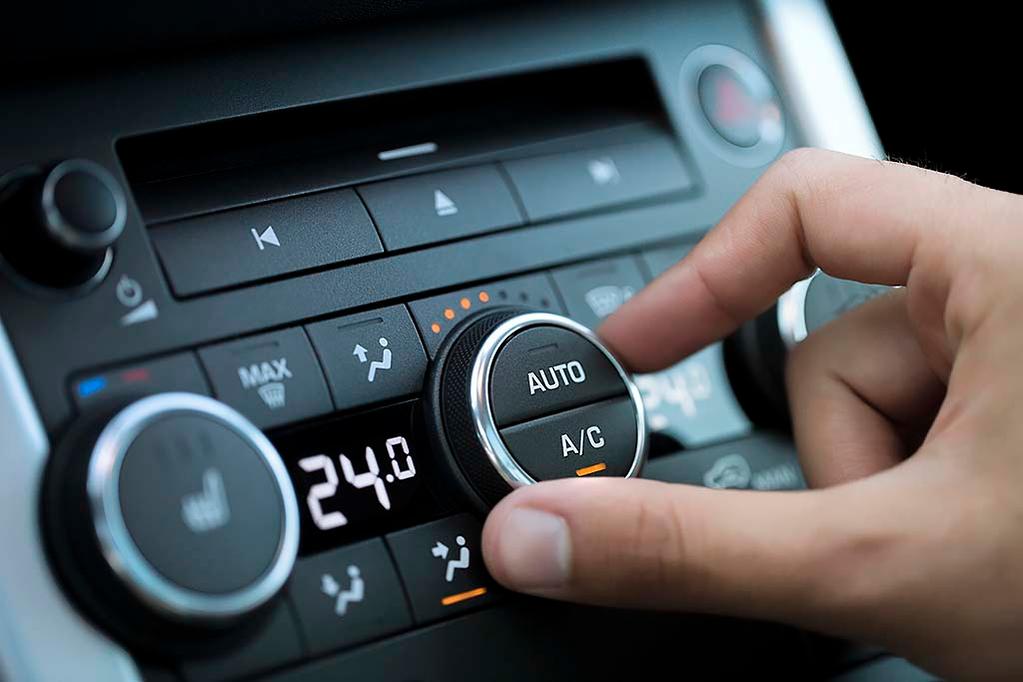
A working climate control system makes summer driving much more comfortable and helps keep the windscreen clear when temperatures rise. For UK drivers, the most useful approach is not to blast the system at full power, but to use it efficiently, check it before hot weather arrives and understand the signs that it needs attention.
Key Points
- Climate control should be checked before warm weather really starts.
- Opening the cabin briefly before driving helps remove trapped hot air.
- Recirculation can cool faster once the cabin has started to drop in temperature.
- Weak airflow, bad smells or warm output can point to a system fault.
- Air conditioning also helps with demisting, not just cooling.
- Regular use helps keep the system working properly through the year.
Why Climate Control Matters
Climate control is more than a comfort feature. In summer, it helps the driver stay alert and reduces fatigue, especially on longer journeys or in stop-start traffic.
It also supports visibility. A well-functioning system can help manage cabin humidity and stop the windscreen from misting when conditions change suddenly.
How To Use It Efficiently
A good way to start is to let the hot air out of the cabin before switching everything to full cooling. Opening the doors briefly or venting the car for a short time helps the system work less hard once you start driving.
After that, set the air conditioning to a sensible temperature rather than maximum cold straight away. Once the cabin has started to cool, recirculation can make the system more efficient because it is working with already cooler air inside the car.
Signs Of Trouble
If the system blows warm air, cools slowly or smells stale, it may need attention. Weak airflow or unusual noises can also point to a fault in the fan, compressor or refrigerant circuit.
From my experience, the first sign many drivers notice is that the cabin simply does not cool as quickly as it used to. That often means the system needs a check before the hottest part of summer arrives.
Routine Care
Using the air conditioning regularly is important even when the weather is not hot. A system that sits unused for long periods can become less effective and may be more likely to develop smells or poor performance.
It is also sensible to have the system checked as part of regular servicing. That keeps the cabin more comfortable and helps avoid the surprise of discovering a weak air-con system only when it is really needed.
Why use climate control in summer?
It helps keep the cabin cool, reduces fatigue and can improve comfort on longer journeys. It also helps with demisting if humidity rises.
Should I use recirculation all the time?
Not usually. It is useful once the cabin has started to cool, but fresh air can help at the beginning and prevents the cabin feeling stale.
Why does the car smell odd when I turn the air-con on?
That can happen if moisture, dirt or bacteria have built up in the system. It is a common sign that the system needs cleaning or servicing.
Does air conditioning use more fuel?
Yes, it can increase load slightly because the compressor uses engine power. Using it efficiently helps reduce unnecessary strain.
Can I run air-con in mild weather?
Yes, and it is often a good idea. Regular use helps keep the system working properly throughout the year.
What if the airflow is weak?
That may indicate a blocked filter, fan problem or other system fault. It should be checked if it does not improve.
Is climate control the same as air conditioning?
Not exactly. Climate control usually manages temperature automatically, while basic air conditioning may need more manual input.
Conclusion
Climate control is one of the most useful summer systems in any UK car when it is used properly and maintained regularly. A little preparation before hot weather, plus sensible use on the road, keeps the cabin cooler, fresher and more comfortable without overworking the system.





