
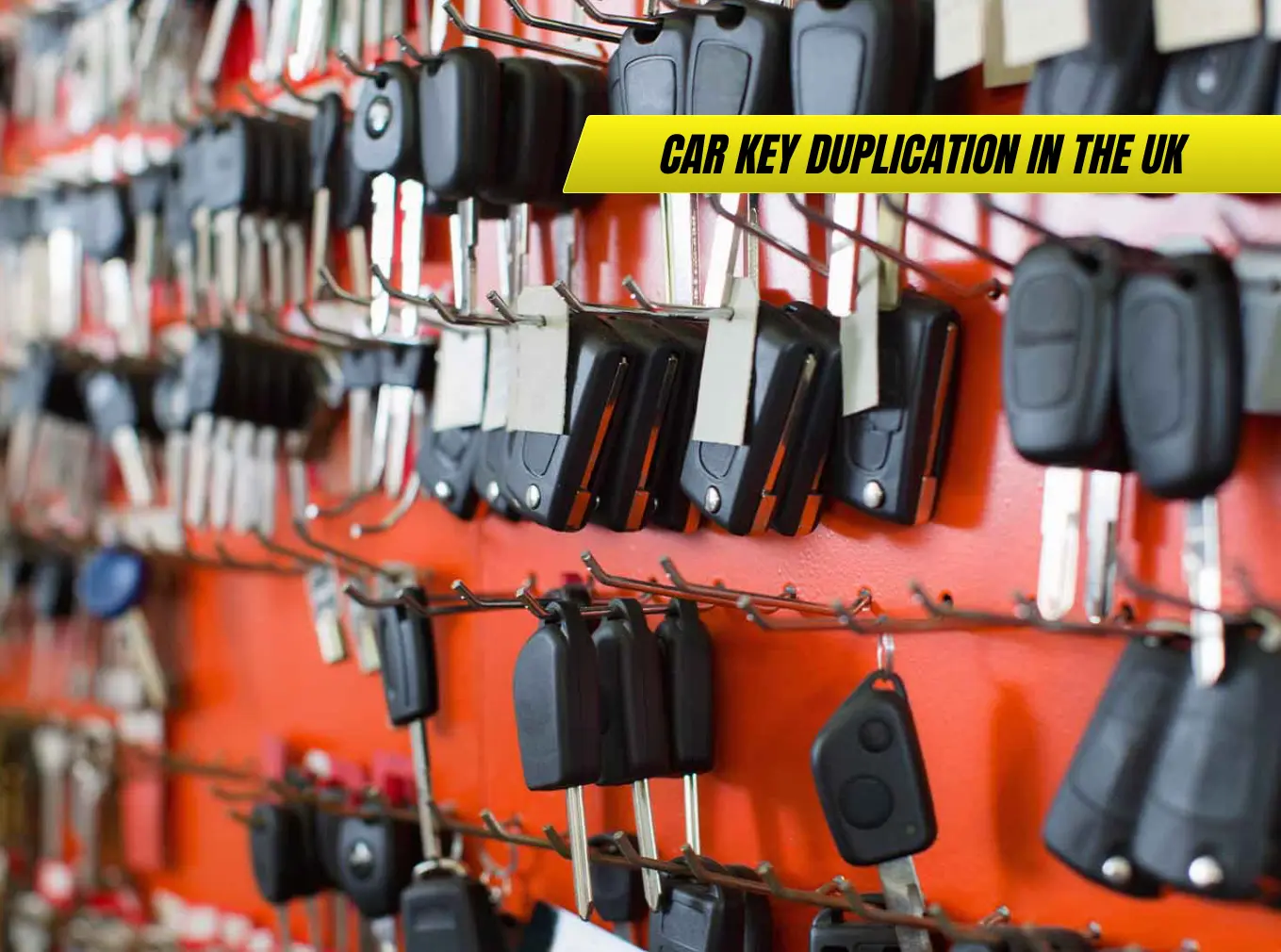
Complete UK car key duplication guide 2025: Replacement costs from £120-£500, procedures, programming requirements, and money-saving tips for all key types.
Losing or damaging car keys has become an increasingly expensive problem for UK motorists, with replacement costs rising dramatically as vehicle security technology becomes more sophisticated. What once involved a simple £5 metal key copy now requires complex programming, specialist equipment, and significant financial investment. Understanding the various types of car keys, replacement procedures, and cost-saving strategies has become essential knowledge for modern vehicle ownership, helping drivers navigate an industry where a single lost key can cost more than many annual insurance premiums.
Key Takeaways:
- ✓ Average UK car key replacement costs £370, ranging from £120-£500 depending on key type and vehicle
- ✓ Transponder and smart keys require professional programming, adding £30-£200 to basic cutting costs
- ✓ Dealership prices typically 40-60% higher than independent specialists for identical services
- ✓ Having existing working key reduces replacement costs by 30-50% compared to total key loss
- ✓ Insurance policies increasingly include key replacement cover as standard benefit
Understanding Modern Car Key Technology
The evolution of automotive key technology over the past two decades has transformed simple metal keys into sophisticated electronic devices that form integral parts of vehicle security systems. In my experience covering automotive technology, the complexity of modern car keys often surprises vehicle owners who remember when key replacement was a five-minute hardware store transaction.
Contemporary car keys incorporate multiple technologies including mechanical cutting, electronic transponders, radio frequency identification (RFID), proximity sensors, and encrypted communication protocols. This complexity serves crucial security purposes, dramatically reducing vehicle theft rates, but creates significant challenges and costs when keys require replacement or duplication.
From my point of view, understanding these technologies helps vehicle owners make informed decisions about key management, replacement timing, and cost-effective maintenance strategies that can prevent expensive emergency situations.
The Four Categories of Modern UK Car Keys:
Basic Metal Keys (Traditional)
- Technology: Simple mechanical cutting with no electronic components
- Vehicles: Primarily older vehicles (pre-2000) and some basic commercial vehicles
- Security: Minimal anti-theft protection
- Replacement Cost: £5-£15 for duplication, £20-£40 for new key
Transponder Keys (Chip Keys)
- Technology: Metal key with embedded microchip that communicates with engine immobiliser
- Introduction: Standard on most UK vehicles from 1998 onwards
- Security: Prevents engine starting without correct chip signal
- Replacement Cost: £80-£200 including programming
Remote Key Fobs
- Technology: Combines transponder chip with remote central locking buttons
- Features: Lock/unlock doors, boot release, alarm control, panic button
- Security: Dual-layer protection through chip and encrypted radio signals
- Replacement Cost: £150-£350 including cutting and programming
Smart/Proximity Keys
- Technology: Keyless entry and start systems using proximity sensors
- Operation: Automatic door unlock when approaching, push-button engine start
- Security: Advanced encryption and rolling codes
- Replacement Cost: £250-£500+ including complex programming procedures
Understanding which category your vehicle uses determines both replacement complexity and associated costs, helping plan for potential key issues before they become emergencies.
For comprehensive guidance on vehicle security systems, our detailed guide to vehicle warning systems provides essential information about modern automotive technology.
UK Car Key Replacement Costs: Comprehensive Breakdown
Understanding the true cost of car key replacement in the UK requires examining multiple factors that influence pricing, from basic key cutting to complex programming procedures.
2025 UK Average Costs by Key Type
Traditional Metal Keys:
- Simple Duplication: £5-£15 (while you wait)
- New Key from Code: £20-£40
- Time Required: 5-15 minutes
- Availability: Most hardware stores, shoe repairers, key cutting shops
Transponder Keys:
- With Existing Key: £80-£150 (cutting + programming)
- Lost All Keys: £120-£250 (includes immobiliser reset)
- Programming Time: 30-60 minutes
- Specialist Required: Auto locksmith or dealership
Remote Key Fobs:
- Standard Replacement: £150-£300
- Premium Vehicles: £200-£400
- Programming Complexity: Moderate to high
- Time Required: 45-90 minutes
Smart/Proximity Keys:
- Standard Vehicles: £250-£400
- Luxury Brands: £400-£500+
- Complex Programming: Dealer-level equipment often required
- Time Investment: 1-3 hours including coding
Brand-Specific Cost Variations
Popular UK Vehicle Costs (2025):
- Volkswagen Polo: £297 (lowest cost among popular cars)
- Ford Fiesta: £315 (moderate complexity)
- Vauxhall Corsa: £340 (standard transponder system)
- BMW 3 Series: £425 (advanced security systems)
- Mercedes A-Class: £532 (highest complexity tested)
Luxury Vehicle Premium: High-end vehicles often incorporate proprietary security systems requiring dealer-specific equipment and procedures, resulting in costs that can exceed £600 for complete key replacement.
Geographic Price Variations
Major UK Cities (Average Costs):
- London: £196-£467 (highest due to operational costs)
- Birmingham: £180-£420
- Manchester: £175-£395
- Leeds: £170-£380
- Rural Areas: £150-£350 (fewer specialists but less competition)
Cost Influencing Factors:
- Specialist Availability: More competition typically reduces prices
- Operational Costs: Rent, rates, and labour costs affect pricing
- Service Demand: High-demand areas may command premium pricing
- Mobile Services: Convenience factor may add 10-20% to costs
Dealership vs Independent Specialist Comparison
Typical Cost Differences:
- Dealerships: £300-£600 for standard replacement
- Independent Specialists: £180-£400 for identical service
- Savings Potential: 30-50% using qualified independent services
- Service Quality: Often identical when using reputable specialists
Dealership Advantages:
- Warranty Coverage: May provide longer warranty periods
- OEM Parts: Guarantee of original manufacturer components
- Latest Procedures: Access to most current programming methods
- Insurance Acceptance: Some insurers prefer dealer documentation
Independent Advantages:
- Cost Savings: Significantly lower pricing for identical services
- Flexibility: Often more accommodating scheduling
- Mobile Services: Many offer on-site key replacement
- Local Knowledge: Understanding of regional vehicle patterns
Key Duplication vs Complete Replacement Procedures
The complexity and cost of key services vary dramatically depending on whether you’re duplicating an existing key or replacing lost keys entirely.
Duplication with Existing Working Key
Procedure for Transponder Keys:
- Key Analysis: Technician examines existing key type and coding
- Blank Selection: Appropriate key blank chosen for vehicle
- Physical Cutting: Key cut to match existing key profile
- Chip Programming: Transponder programmed to match vehicle immobiliser
- Testing: Comprehensive testing of door locks and engine start
- Quality Check: Final verification of all functions
Advantages of Having Working Key:
- Reduced Cost: 30-50% savings compared to lost key replacement
- Faster Service: Process typically completed within 1 hour
- Higher Success Rate: Existing key provides template for exact duplication
- No Immobiliser Reset: Avoids complex security system reprogramming
Complete Key Replacement (All Keys Lost)
Complex Replacement Procedure:
- Vehicle Identification: VIN number verification and ownership proof
- Security Reset: Immobiliser system cleared of previous key codes
- Key Cutting: New key cut using manufacturer databases or physical locks
- ECU Programming: Engine control unit reprogrammed for new key codes
- System Integration: All vehicle systems synchronised with new keys
- Multi-Point Testing: Comprehensive verification of all functions
Additional Complications:
- Security Proof: Extensive documentation required to prove ownership
- Dealer Involvement: Some vehicles require dealer-level programming
- Time Investment: Process can take 2-4 hours or require overnight service
- Higher Costs: Complete reprogramming significantly increases expenses
Emergency vs Planned Replacement
Emergency Service Considerations:
- Premium Pricing: Out-of-hours service typically costs 50-100% more
- Limited Options: Fewer specialists available for immediate service
- Location Challenges: Mobile service to unusual locations may incur extra costs
- Parts Availability: Less common keys may require ordering, causing delays
Planned Replacement Benefits:
- Cost Shopping: Time to compare quotes from multiple specialists
- Appointment Scheduling: Convenient timing that suits your schedule
- Quality Assurance: Opportunity to research specialist reputation and credentials
- Preparation Time: Gather necessary documentation and prepare for service
Programming and Technical Requirements
Modern car key programming involves sophisticated procedures that require professional equipment and expertise to ensure proper integration with vehicle security systems.
Transponder Programming Process
Technical Steps:
- Diagnostic Connection: OBD2 port connection to vehicle computer systems
- Security Authentication: Verification of programming authority and vehicle ownership
- Immobiliser Access: Entry into vehicle security system for key registration
- Chip Coding: Transponder programmed with unique identification codes
- System Synchronisation: All related systems updated with new key information
- Verification Testing: Comprehensive testing to ensure proper operation
Equipment Requirements:
- Professional Scanners: Diagnostic equipment costing £5,000-£20,000
- Key Programming Tools: Specialist devices for specific vehicle makes
- Software Subscriptions: Regular updates for latest vehicle compatibility
- Security Credentials: Authorisation from manufacturers for system access
Smart Key Programming Complexity
Advanced Procedures: Smart keys require more sophisticated programming involving multiple vehicle systems:
- Proximity Sensor Calibration: Setting detection range and sensitivity
- Push-Button Start Integration: Engine start system synchronisation
- Comfort Features: Memory seats, mirrors, and climate control integration
- Security Protocol Updates: Advanced encryption and rolling code implementation
Specialist Requirements:
- Dealer-Level Equipment: Many smart keys require manufacturer-specific tools
- Technical Training: Complex procedures demand specialised knowledge
- Software Access: Current dealer-level software subscriptions essential
- Certification: Some manufacturers require technician certification
DIY Programming Limitations
What Owners Can’t Do:
- Initial Key Programming: Creating new keys always requires professional equipment
- Immobiliser Reset: Security system changes need specialist tools
- ECU Modifications: Engine computer programming requires professional access
- Warranty Compliance: DIY attempts may void vehicle warranties
Limited Owner Options:
- Basic Remote Functions: Some vehicles allow owners to program remote buttons
- Garage Door Integration: Homelink systems sometimes user-programmable
- Comfort Settings: Personal preferences may be adjustable through vehicle menus
- Key Fob Batteries: Owners can replace batteries in most key fobs
For comprehensive guidance on vehicle maintenance that supports key system reliability, our detailed guide to UK vehicle maintenance provides essential information.
Cost-Saving Strategies and Money-Saving Tips
Understanding how to minimise car key replacement costs can save hundreds of pounds while ensuring quality service and reliable results.
Preventive Measures
Spare Key Investment: Creating spare keys while you have working keys represents one of the most cost-effective automotive investments:
- Cost Savings: 50-70% less expensive than emergency replacement
- Convenience: Avoid stress and inconvenience of being locked out
- Insurance Benefits: Some policies offer discounts for spare key ownership
- Family Access: Multiple keys improve household vehicle access
Key Protection Strategies:
- Bluetooth Trackers: Attach tracking devices to key rings (£20-£40 investment)
- Designated Storage: Consistent key placement reduces loss risk
- Key Hooks: Fixed locations at home and work for key storage
- Backup Plans: Consider where spare keys should be stored for emergency access
Shopping for Best Prices
Quote Comparison Process:
- Multiple Estimates: Obtain quotes from 3-5 different specialists
- Service Breakdown: Request detailed cost breakdown including parts and labour
- Warranty Terms: Compare warranty coverage offered by different providers
- Timeline Estimates: Understand how long each option will take
Questions to Ask Specialists:
- “What exactly is included in your quoted price?”
- “Do you offer any discounts for multiple keys?”
- “What warranty do you provide on key programming?”
- “Are there any additional costs I should be aware of?”
- “Can you provide references from recent customers?”
Alternative Service Providers
Independent Auto Locksmiths:
- Cost Advantage: Typically 30-50% less than dealership pricing
- Convenience: Many offer mobile services at your location
- Expertise: Specialists often have extensive cross-brand experience
- Flexibility: More willing to work around customer schedules
Key Cutting Chains: Some national chains offer car key services:
- Timpson: Car key duplication and programming services at many locations
- Regional Specialists: Local chains with multiple branches
- Shopping Centre Services: Convenient locations with extended hours
- Quality Variation: Research specific location reputation before using
Insurance Considerations
Key Cover Insurance: Many comprehensive car insurance policies now include key replacement coverage:
- Coverage Limits: Typically £500-£1,500 per claim
- Excess Payments: Usually £25-£100 excess for key claims
- Service Networks: Insurers often have preferred supplier networks
- Claim Process: May require police report for stolen keys
Standalone Key Insurance: Specialist key insurance policies available:
- Annual Premiums: £20-£60 per year depending on vehicle value
- Comprehensive Coverage: Often includes lockout assistance and home keys
- No Impact on Main Policy: Claims don’t affect car insurance no-claims bonus
- 24/7 Service: Emergency key replacement services included
Timing Considerations
Off-Peak Service:
- Weekday Discounts: Many specialists offer lower weekday pricing
- Advance Booking: Planning ahead often secures better rates
- Bulk Orders: Multiple keys or family vehicle keys may qualify for discounts
- Seasonal Variations: Avoid holiday periods when demand and prices increase
Choosing the Right Service Provider
Selecting an appropriate car key specialist requires balancing cost, quality, convenience, and reliability to ensure satisfactory results.
Qualification and Certification Checks
Essential Credentials:
- Industry Memberships: Look for affiliations with recognized locksmith associations
- Insurance Coverage: Verify public liability and professional indemnity insurance
- Training Certifications: Evidence of formal training on key programming systems
- Manufacturer Authorisation: Some brands require specific technician certification
Red Flags to Avoid:
- Unusually Low Prices: May indicate inexperience or low-quality parts
- Pressure Sales Tactics: Professional services don’t require high-pressure selling
- Cash-Only Payments: Legitimate businesses accept multiple payment methods
- No Fixed Address: Avoid services without verifiable business premises
Service Quality Assessment
Evaluation Criteria:
- Customer Reviews: Check Google, Facebook, and specialist review sites
- Response Time: How quickly do they respond to initial enquiries?
- Technical Questions: Can they explain the process clearly and knowledgeably?
- Warranty Offers: What guarantee do they provide on their work?
Quality Indicators:
- Professional Equipment: Modern, well-maintained diagnostic and programming tools
- Clean Workspace: Organized, professional working environment
- Customer Communication: Clear explanations of procedures and costs
- Follow-Up Service: Willingness to address any post-service issues
Mobile vs Workshop Services
Mobile Service Advantages:
- Convenience: Service at your location saves time and travel
- Emergency Response: Available for lockout and urgent situations
- Comfort: Remain in familiar environment during service
- Time Efficiency: No need to arrange alternative transport
Workshop Service Benefits:
- Equipment Access: Full range of specialist tools and diagnostic equipment
- Environmental Control: Climate-controlled environment for precision work
- Parts Inventory: Immediate access to wide range of key blanks and components
- Cost Effectiveness: Often lower pricing due to operational efficiencies
Warranty and After-Service Support
Standard Warranty Expectations:
- Programming Warranty: Minimum 12 months on key programming work
- Parts Warranty: 6-12 months on key fob components
- Workmanship Guarantee: 30-90 days on cutting and assembly work
- Free Adjustments: Reasonable period for minor corrections if needed
Extended Support Services:
- Technical Assistance: Help with key usage questions
- Battery Replacement: Guidance on maintaining key fob batteries
- Additional Programming: Support for adding features or extra keys
- Emergency Contact: Access to specialist for urgent issues
For guidance on maintaining vehicle systems that support key technology, our comprehensive guide to UK speed camera compliance covers related automotive technology.
Legal and Security Considerations
Car key replacement involves significant security implications that require careful attention to legal requirements and fraud prevention measures.
Ownership Verification Requirements
Essential Documentation:
- Vehicle Registration (V5C): Proves legal ownership of vehicle
- Driving Licence: Confirms identity of person requesting service
- Proof of Address: Utility bill or bank statement matching licence address
- Insurance Certificate: Additional proof of legitimate vehicle access
Special Circumstances:
- Company Vehicles: Fleet documentation and employment verification
- Leased Vehicles: Lease agreement and permission from finance company
- Family Vehicles: Relationship proof if not primary registered keeper
- Vehicle Purchases: Recent purchase documents and temporary registration
Security Protocol Compliance
Industry Standards: Legitimate key specialists follow strict security protocols:
- Identity Verification: Thorough checking of customer documentation
- Vehicle Inspection: Verification that customer has legitimate access
- Record Keeping: Detailed logs of all key programming activities
- Secure Storage: Proper handling and disposal of sensitive information
Fraud Prevention Measures:
- Multi-Point Verification: Cross-checking multiple forms of identification
- Vehicle Database Checks: Verification against stolen vehicle databases
- Cooling-Off Periods: Some specialists implement delays for high-value keys
- Police Liaison: Cooperation with law enforcement for suspicious requests
Insurance and Liability Issues
Service Provider Insurance: Professional key specialists carry comprehensive insurance:
- Public Liability: Protection against accidental damage during service
- Professional Indemnity: Coverage for errors in programming or cutting
- Equipment Insurance: Protection for expensive diagnostic equipment
- Vehicle Damage: Coverage for any damage caused during key replacement
Customer Responsibilities:
- Accurate Information: Providing truthful ownership and identity documentation
- Secure Handling: Protecting new keys from theft or loss
- Insurance Notification: Informing insurers of key replacement if required
- Policy Compliance: Following any specific insurer requirements for key services
Data Protection Considerations
Personal Information Security: Key replacement involves sensitive personal data:
- Identity Documentation: Copies of licences and registration documents
- Vehicle Information: Technical details about security systems
- Address Information: Knowledge of where vehicle is kept
- Key Codes: Access to sensitive vehicle security information
GDPR Compliance: Reputable specialists follow data protection regulations:
- Minimal Data Collection: Only gathering information necessary for service
- Secure Storage: Proper protection of customer information
- Limited Retention: Disposing of unnecessary data appropriately
- Access Rights: Allowing customers to review and correct stored information
Future Trends in Car Key Technology
Understanding emerging developments in automotive key technology helps vehicle owners prepare for future changes and potential cost implications.
Digital and Smartphone Integration
Mobile Key Technology:
- Smartphone Keys: Increasing integration of phones as primary vehicle access
- App-Based Control: Vehicle functions controlled through manufacturer apps
- Biometric Authentication: Fingerprint and facial recognition integration
- Cloud Connectivity: Remote access and control capabilities
Cost Implications:
- Reduced Hardware Costs: Fewer physical keys required
- Software Dependency: Increased reliance on app subscriptions and updates
- Device Integration: Smartphone replacement may affect vehicle access
- Security Updates: Regular software updates become essential
Enhanced Security Systems
Advanced Authentication:
- Multi-Factor Security: Combining physical keys with biometric verification
- Blockchain Integration: Immutable security records and key management
- AI-Powered Systems: Learning patterns to detect unauthorised access attempts
- Quantum Encryption: Future-proof security against advanced hacking
Service Evolution:
- Remote Programming: Over-the-air key updates and programming
- Predictive Maintenance: Systems that anticipate key system failures
- Integrated Diagnostics: Enhanced troubleshooting and repair capabilities
- Standardisation Trends: Industry movement toward common programming protocols
Environmental and Sustainability Factors
Eco-Friendly Developments:
- Recyclable Components: Keys designed for easier recycling and disposal
- Energy Efficiency: Lower power consumption in key fob operation
- Sustainable Materials: Use of renewable materials in key construction
- Lifecycle Management: Extended key life through software updates
Cost Evolution Predictions:
- Initial Increase: Advanced technology likely to increase short-term costs
- Long-Term Reduction: Standardisation and competition driving prices down
- Service Transformation: Shift from hardware replacement to software services
- Market Disruption: New business models changing traditional cost structures
Frequently Asked Questions
How much does it cost to replace a car key in the UK?
Car key replacement costs in the UK range from £120 to £500 depending on key type and vehicle. Traditional metal keys cost £5-£15 to duplicate, transponder keys with chips cost £80-£200, remote key fobs cost £150-£350, and smart/proximity keys cost £250-£500+. The average cost across all key types is approximately £370. Dealership prices are typically 40-60% higher than independent specialists for identical services. Having an existing working key reduces costs by 30-50% compared to replacing all lost keys, which requires complete immobiliser system reprogramming.
Can I get a car key copied at any key cutting shop?
Basic metal keys without electronic chips can be copied at most key cutting shops, shoe repairers, and hardware stores for £5-£15. However, modern cars with transponder chips, remote fobs, or smart keys require specialist automotive locksmiths with programming equipment. High street key cutters like Timpson offer car key services at some locations, but many vehicles need specialist auto locksmiths with diagnostic tools costing £5,000-£20,000. Always verify the service provider can handle your specific vehicle make, model, and key type before proceeding with any work.
What’s the difference between duplicating an existing key and replacing lost keys?
Duplicating an existing key is significantly cheaper and faster because the original provides a template for cutting and programming. Costs are typically 30-50% lower, and the process takes 30-60 minutes. Replacing all lost keys requires complete immobiliser system reset, security authentication, and programming from manufacturer databases. This process takes 2-4 hours, costs substantially more, and requires extensive ownership documentation. Some vehicles may need dealer-level programming when all keys are lost, further increasing complexity and cost.
Do I need to go to the dealership for car key replacement?
Dealerships aren’t required for most car key replacements, though they typically charge 40-60% more than independent specialists. Qualified automotive locksmiths can handle most key programming using professional diagnostic equipment. However, some luxury vehicles or newest models may require dealer-specific programming tools. Independent specialists often provide mobile services, faster turnaround, and significantly lower costs while maintaining identical quality. Check if your vehicle requires dealer programming before choosing, but most keys can be professionally handled by qualified independent services.
Does car insurance cover lost or stolen keys?
Many comprehensive car insurance policies now include key replacement coverage, typically covering £500-£1,500 per claim with £25-£100 excess. Some policies require police reports for stolen keys. Coverage often includes lockout assistance and emergency replacement services through preferred supplier networks. Standalone key insurance is available for £20-£60 annually, covering multiple keys without affecting your main policy’s no-claims bonus. Check your policy documents or contact your insurer to confirm coverage details, as this benefit has become increasingly common in recent years.
How can I prevent expensive key replacement in the future?
Create spare keys while you have working keys – this saves 50-70% compared to emergency replacement. Attach Bluetooth trackers to key rings (£20-£40 investment) for easy location. Establish consistent key storage habits at home and work. Consider key replacement insurance if your vehicle has expensive smart keys. Handle keys carefully to prevent damage, replace key fob batteries promptly to maintain functionality, and avoid exposing keys to extreme temperatures or moisture. Having spare keys also provides family access and eliminates stress of lockout situations.
What should I do if I lose all my car keys?
Contact a qualified automotive locksmith immediately, as they can often provide mobile service to your location. You’ll need extensive ownership documentation including V5C registration, driving licence, proof of address, and insurance certificate. The process involves security system reset, new key cutting, ECU programming, and comprehensive testing, typically taking 2-4 hours and costing £200-£500+. Some vehicles may require dealer programming. If keys were stolen, consider reporting to police and informing your insurance company. Emergency services cost 50-100% more during out-of-hours periods, so plan accordingly if possible.
The evolution of car key technology from simple metal cutting to sophisticated electronic programming represents one of the most significant changes in automotive ownership costs over the past two decades. Understanding this landscape enables UK drivers to make informed decisions that can save hundreds of pounds while ensuring reliable access to their vehicles.
Strategic Key Management:
Prevention First: Creating spare keys while you have working keys remains the most cost-effective approach to key management. The 50-70% savings compared to emergency replacement, combined with the convenience and peace of mind, make spare key investment one of the smartest automotive decisions.
Service Provider Selection: Choosing between dealerships and independent specialists requires balancing cost savings against potential benefits. For most vehicles, qualified independent automotive locksmiths provide identical services at substantially lower costs, often with greater convenience through mobile services.
Technology Understanding: Recognizing your vehicle’s key type and associated complexity helps set realistic cost expectations and identify appropriate service providers. Simple transponder keys differ dramatically from smart proximity keys in both replacement procedures and associated costs.
Future Preparation: As automotive technology continues evolving toward smartphone integration and enhanced security systems, the traditional concept of physical car keys may transform significantly. However, the fundamental need for secure, reliable vehicle access will remain, along with associated costs and replacement challenges.
The £370 average cost of car key replacement in the UK reflects the sophisticated technology that protects modern vehicles while highlighting the importance of proper key management. By understanding available options, comparing service providers, and implementing preventive strategies, drivers can navigate this complex landscape while minimizing both costs and inconvenience.
Whether facing an immediate key emergency or planning future preparations, informed decision-making based on understanding technology, costs, and available services provides the foundation for successful car key management in the modern automotive environment.
For additional guidance on vehicle security and maintenance systems, explore our comprehensive guides to UK toll road systems and vehicle compliance requirements that support comprehensive vehicle ownership understanding.
Continuo con il prossimo articolo?





