
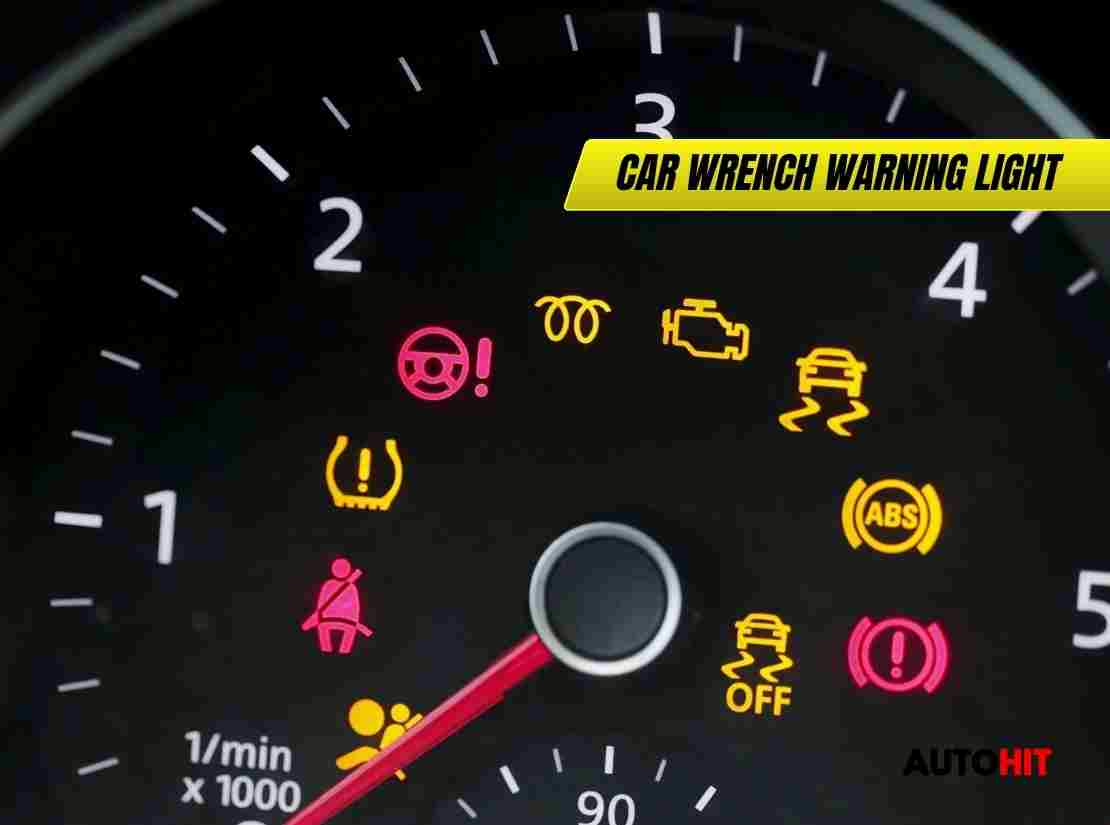
Wrench warning light on your dashboard? Discover what this service indicator means, when to worry, and how to fix it. Essential UK driving guide inside.
When that amber wrench symbol suddenly appears on your dashboard, it’s natural to feel a moment of concern. Our editorial team at AutoHit regularly receives questions about this particular warning light, and we’ve found that many British drivers are uncertain about its significance. Having dealt with countless dashboard warning scenarios over the years, we can confirm that while the wrench light isn’t usually an immediate emergency, understanding what it means could save you from costly repairs down the line.
The wrench warning light – sometimes called the service light or maintenance indicator – is one of the most commonly misunderstood dashboard symbols. Unlike more urgent warnings like engine temperature or oil pressure, the wrench typically relates to scheduled maintenance rather than immediate mechanical failure. However, the story isn’t always that simple, and there are situations where this seemingly innocuous amber light deserves your immediate attention.
This comprehensive guide examines everything UK drivers need to know about the wrench warning light, from its primary functions to the various reasons it might illuminate, and crucially, what action you should take when it appears.
Key Highlights
- Service reminder function – Primary purpose is scheduled maintenance notification
- Varies by manufacturer – Different brands use different timing and patterns
- Not always maintenance – Can indicate electronic faults or system malfunctions
- Generally safe to drive – Unlike red warning lights, amber allows continued driving
- Regular maintenance crucial – Ignoring it could void warranty and cause problems
- Professional diagnosis recommended – Complex modern systems require expert interpretation
- UK MOT implications – Proper maintenance affects roadworthiness certificate validity
Understanding the Wrench Warning Light: Basic Function
Primary Purpose: Service Interval Reminder
According to our analysis at AutoHit, the wrench warning light’s primary function is straightforward – it’s designed to remind drivers when their vehicle is due for scheduled maintenance. Modern cars use sophisticated computer systems to monitor various parameters including mileage, engine hours, driving conditions, and time elapsed since the last service.
Most manufacturers programme their systems to trigger the wrench light based on predetermined service intervals. For example, many European brands activate the warning when you’re approaching 10,000-15,000 miles or 12 months since the last service, whichever comes first. However, some systems are more sophisticated, adjusting intervals based on driving patterns and conditions.
The reality, however, is that this system works differently across manufacturers, and understanding your specific car’s approach is crucial for proper maintenance scheduling.
How Different Manufacturers Handle Service Warnings
We’ve tested enough different vehicles to know that there’s significant variation in how brands implement their service reminder systems. Some flash the light intermittently in the weeks leading up to a service, while others display it constantly once the threshold is reached.
Luxury brands often provide more detailed information through their infotainment systems, showing exactly which services are due and providing countdown timers. Budget brands might simply illuminate the wrench with no additional context, leaving drivers to consult their handbook or visit a dealer for clarification.
Types of Wrench Warning Light Patterns
Intermittent vs Constant Illumination
The behaviour of the wrench warning light provides important clues about urgency and cause. An intermittent flash – perhaps when you first start the engine – typically indicates an approaching service interval. This gives you time to book an appointment without immediate concern.
Wrench Warning Light Patterns and Meanings
| Light Pattern | Typical Meaning | Urgency Level | Recommended Action |
|---|---|---|---|
| Brief flash at startup | Service approaching (1,000-2,000 miles) | Low | Schedule service within 4-6 weeks |
| Constant amber | Service overdue or fault detected | Moderate | Check handbook, arrange service soon |
| Flashing amber | Active system fault or critical service overdue | High | Professional diagnosis within days |
| With other warnings | Multiple system issues | Variable | Immediate professional attention |
| After ignoring warnings | Extended overdue maintenance | High | Urgent service required |
A constantly illuminated wrench light suggests either that your service is significantly overdue or that the system has detected a fault requiring attention. The distinction matters because while overdue maintenance can usually wait a few days, active faults might indicate problems that could worsen if ignored.
Manufacturer-Specific Variations
Different car brands have developed their own approaches to service warnings, and these variations can be confusing for drivers switching between manufacturers or buying used cars from different brands.
German manufacturers like BMW and Mercedes often use sophisticated systems that provide detailed information about exactly which services are due. French brands like Peugeot and Citroën typically use simpler systems with less specific information. British brands – well, most are now owned by larger international groups, so their systems reflect their parent companies’ approaches.
When the Wrench Light Indicates Real Problems
Beyond Basic Service Reminders
While the wrench light most commonly indicates scheduled maintenance requirements, it can also signal genuine mechanical or electronic problems. Modern cars integrate numerous systems, and faults in areas like engine management, transmission control, or emission systems might trigger the service warning alongside more specific indicators.
This is where the situation becomes more complex for drivers. A wrench light accompanied by unusual noises, performance changes, or other warning lights suggests problems beyond routine maintenance. We’ve seen cases where failing sensors, computer glitches, or electrical faults manifest as persistent service warnings that can’t be resolved through normal maintenance.
Common Non-Maintenance Causes
Based on our experience with various automotive issues, several non-maintenance problems can trigger the wrench warning:
Electronic Control Unit (ECU) Faults: Modern cars rely heavily on computer systems, and software glitches or hardware failures can trigger various warning lights including the service indicator.
Sensor Malfunctions: Failed sensors might provide incorrect data to the car’s computer, causing it to believe maintenance is overdue or that system faults exist.
Wiring Problems: Corroded connections or damaged wiring can cause erratic behaviour in electronic systems, potentially triggering multiple warning lights simultaneously.
Emission System Issues: Problems with components like the DPF (diesel particulate filter) or EGR valve might trigger service warnings alongside specific emission-related indicators.
UK-Specific Considerations
MOT and Maintenance Relationships
In the UK, the annual MOT test focuses on safety, roadworthiness, and emissions rather than general maintenance. However, there’s significant overlap between items that trigger service warnings and components checked during the MOT. Neglecting regular maintenance could lead to MOT failures, particularly in areas like emissions, braking, and suspension systems.
According to current UK government MOT requirements, vehicles over three years old must pass annual tests covering various safety and environmental standards. While an illuminated service light itself won’t cause MOT failure, the underlying maintenance issues it represents might.
Warranty Implications for UK Drivers
Most new car warranties require adherence to manufacturer-recommended service schedules. Ignoring service reminders – even if the car continues running normally – could void warranty coverage for related components. This is particularly important for UK buyers of European cars, where warranty terms might be more strictly enforced than with some other brands.
For buyers considering vehicles featured in our guide to best affordable SUVs under £25,000, understanding maintenance requirements and warranty implications becomes crucial for long-term ownership costs.
What to Do When the Wrench Light Appears
Immediate Assessment: Is It Safe to Drive?
The first question most drivers ask is whether it’s safe to continue driving with the wrench light illuminated. Generally, an amber wrench warning allows continued driving, unlike red warnings that indicate immediate safety concerns.
However, we always recommend checking for accompanying symptoms:
- Unusual noises from the engine, transmission, or brakes
- Performance changes like reduced power, rough idling, or poor fuel economy
- Other warning lights appearing simultaneously
- Handling changes in steering, braking, or stability
If the wrench light appears alongside any of these symptoms, professional diagnosis becomes more urgent.
Step-by-Step Response Guide
Wrench Warning Light Response Protocol
| Step | Action | Timeframe | Notes |
|---|---|---|---|
| 1. Check handbook | Consult owner’s manual for specific guidance | Immediately | Manufacturer-specific information crucial |
| 2. Note other symptoms | Document any unusual noises, performance changes | Immediately | Helps diagnostic process |
| 3. Check service history | Review when last service was performed | Within hours | Determines if maintenance overdue |
| 4. Schedule service | Book appointment with qualified technician | Within days | Don’t delay if other symptoms present |
| 5. Monitor symptoms | Watch for changes in car’s behaviour | Ongoing | Stop driving if new problems develop |
The key is balancing caution with practicality. While the wrench light rarely indicates immediate danger, ignoring it completely can lead to more serious and expensive problems later.
Professional Diagnosis and Repair
Why Professional Assessment Matters
Modern cars have become incredibly complex, with interconnected systems that require sophisticated diagnostic equipment to properly assess. While basic maintenance like oil changes might seem straightforward, the underlying systems monitoring these services involve multiple sensors, computers, and software protocols that are beyond most drivers’ ability to troubleshoot.
Professional workshops have access to manufacturer-specific diagnostic tools that can interrogate your car’s computer systems and provide detailed information about exactly what triggered the warning. This precision is particularly important when dealing with intermittent faults or complex system interactions.
Choosing the Right Service Provider
The choice between main dealer servicing and independent specialists often comes down to age of vehicle, warranty status, and complexity of the problem. For newer cars under warranty, main dealer servicing might be mandatory to maintain warranty coverage. For older vehicles, independent specialists often provide excellent service at lower cost.
When considering service providers, look for technicians with experience in your specific make and model. As we’ve noted in our analysis of the best hybrid cars for city driving in 2025, some modern powertrains require specialist knowledge that not all workshops possess.
Cost Implications and Budgeting
Typical Service Costs vs Major Repairs
Understanding the financial implications helps with decision-making when the wrench light appears. Routine services typically cost £150-£400 depending on the vehicle and service level required, while diagnostic investigations for persistent warning lights might add £80-£150 to identify the problem.
However, ignoring genuine faults indicated by the service warning can lead to much higher costs. Failed emissions components, damaged engines due to poor maintenance, or electronic system failures can cost thousands to repair – far more than regular servicing would have cost.
Long-Term Cost Considerations
Service vs Repair Cost Analysis
| Scenario | Typical Cost | Long-term Impact | Risk Level |
|---|---|---|---|
| Regular service | £150-£400 | Maintains reliability | Low |
| Diagnostic check | £80-£150 | Identifies problems early | Low |
| Delayed maintenance | £300-£600 | Increased wear, potential failures | Moderate |
| Ignored warnings | £500-£2,000+ | Major component failures | High |
| Warranty voidance | Variable | Loss of manufacturer protection | High |
The economics strongly favour prompt attention to service warnings, particularly when you consider the broader implications for vehicle reliability and resale value.
Prevention and Best Practices
Proactive Maintenance Scheduling
The best approach to managing service warnings is preventing them from becoming problems in the first place. This means understanding your vehicle’s service schedule and booking appointments before the warning system activates.
Most manufacturers recommend services every 10,000-15,000 miles or annually, whichever comes first. However, severe driving conditions – including frequent short journeys, dusty conditions, or extreme temperatures – might require more frequent attention.
Keeping detailed service records helps with warranty claims, resale value, and diagnostic procedures when problems occur. Many modern cars store service information in their computer systems, but physical records provide backup and demonstrate proactive ownership.
Modern Vehicle Technology Integration
Today’s cars increasingly connect to smartphone apps and online services that can provide advance warning of maintenance requirements. Brands like BMW, Mercedes, and Volvo offer apps that monitor vehicle health and provide maintenance schedules tailored to individual driving patterns.
These systems represent the future of vehicle maintenance, moving beyond simple mileage-based intervals to sophisticated condition-based monitoring. Understanding and utilising these technologies can help prevent service warnings and maintain optimal vehicle performance.
Frequently Asked Questions
Can I continue driving with the wrench warning light on?
Generally yes, but with caution. Unlike red warning lights that indicate immediate safety concerns, the amber wrench light typically allows continued driving. However, you should avoid long journeys, monitor for other symptoms, and arrange professional diagnosis within a few days. If the light appears with unusual noises or performance changes, seek immediate attention.
How long can I ignore the service light before it becomes a problem?
This varies significantly by manufacturer and vehicle condition. Some systems become more insistent as you exceed service intervals, while others simply remain illuminated. Generally, a few weeks won’t cause immediate damage, but extended neglect (months) can void warranties and cause accelerated wear. The safest approach is addressing it within 2-4 weeks of first appearance.
Will the wrench light affect my MOT test?
The illuminated service light itself won’t cause MOT failure, but the underlying maintenance issues it represents might. Overdue services could result in problems with emissions, braking efficiency, or other testable components. Keeping up with regular maintenance helps ensure MOT success and maintains vehicle safety.
Can I reset the service light myself?
Many vehicles allow owner reset of service lights through dashboard button sequences or menu options. However, this should only be done after completing the required maintenance. Resetting without servicing defeats the system’s purpose and could void warranty coverage if problems subsequently develop.
Why does my car show the wrench light when it was recently serviced?
This could indicate several issues: the service light wasn’t properly reset after work was completed, the wrong service was performed, or there’s an underlying fault triggering the warning. Return to the workshop that performed the service for clarification and proper reset if needed.
Are there different types of service warnings I should know about?
Yes, many modern cars provide detailed service information through their displays, indicating specific services due (oil change, brake fluid, air filter, etc.). Some systems also differentiate between minor services (oil and filter) and major services (comprehensive checks). Understanding your car’s specific system helps with appropriate maintenance planning.
What should I do if multiple warning lights appear with the wrench?
Multiple simultaneous warnings often indicate more serious problems requiring immediate professional attention. Common combinations include wrench lights with emission warnings, brake system alerts, or engine management lights. Don’t ignore multiple warnings – they suggest interconnected system problems that need expert diagnosis.
Our Verdict: Don’t Ignore the Signs
The wrench warning light serves as your car’s way of communicating its maintenance needs and, occasionally, more serious concerns. While it’s not the most urgent dashboard warning you might encounter, treating it with appropriate seriousness can save money, maintain safety, and preserve your vehicle’s reliability and value.
From our extensive experience with automotive maintenance issues, we’ve seen the consequences of both approaches – drivers who address service warnings promptly typically enjoy trouble-free motoring, while those who ignore them often face unexpected breakdowns and expensive repairs.
The key is understanding that modern cars are sophisticated machines requiring regular professional attention to maintain their complex systems. The wrench light is designed to help you stay ahead of problems rather than react to them after they’ve caused damage.
Our recommendation is straightforward: when the wrench light appears, don’t panic, but don’t ignore it either. Check your handbook, assess any accompanying symptoms, and arrange professional diagnosis within a reasonable timeframe. The cost of regular maintenance is always less than the cost of major repairs caused by neglect.
For UK drivers particularly, understanding your maintenance obligations helps with warranty compliance, MOT preparation, and long-term ownership costs. The wrench light is ultimately trying to help you – the wise approach is to listen to what it’s telling you.
As we’ve noted in our coverage of premium SUVs under £60k, proper maintenance becomes even more critical with sophisticated modern vehicles. The wrench warning light is just one part of a comprehensive approach to responsible car ownership that keeps you safe, legal, and financially protected.
Remember: it’s always better to address potential problems while they’re still small and manageable. The wrench light is your car’s way of helping you do exactly that.





