
In today’s competitive automotive market, we understand that choosing the right tires is critical for vehicle safety, efficiency, and environmental performance. The European Tire Label provides consumers with transparent, reliable, and standardized information on tire performance. This guide is designed to help you make an informed decision by delving deep into every aspect of the European Tire Label system.
Understanding the European Tire Label
The European Tire Label is a classification system introduced by the European Union to provide clear, easy-to-understand data on the performance of tires. It assesses key factors including:
- Fuel Consumption: An evaluation of the tire’s rolling resistance and its effect on fuel efficiency.
- Wet Braking Performance: Measurement of the tire’s ability to brake safely on wet surfaces.
- External Noise Emission: An analysis of the tire’s noise output, ensuring a quieter driving experience.
These performance indicators are rated on a scale from A (highest efficiency and safety) to G (lowest efficiency and safety), giving consumers a straightforward parameter to compare tires based on environmental impact and driving performance.
Historical Development and Regulatory Framework
Established in November 2012, the European Tire Label emerged as a response to the growing demand for enhanced transparency and safety in the automotive sector. After extensive testing and evaluation, the European Union introduced uniform parameters that allowed consumers to make informed tire selections. Over the years, the system has spurred innovation by motivating tire manufacturers to improve performance, reduce carbon emissions, and boost energy efficiency. This robust regulatory framework ensures that every tire available in the European market meets stringent standards for safety and sustainability.
Rigorous Testing and Evaluation Process
To earn the European Tire Label, every tire undergoes a series of strict tests in controlled environments. Our testing process includes:
- Rolling Resistance Analysis: We measure the tire’s coefficient of resistance to rolling, which directly impacts fuel consumption.
- Wet Braking Tests: These tests simulate real-life driving conditions by assessing tire performance on wet surfaces, ensuring optimal grip and safety.
- Noise Emission Measurements: The external noise level is carefully recorded to ensure the tire contributes to a quieter, more comfortable driving experience.
These tests are conducted under various conditions, including extreme temperatures and slippery surfaces, to verify that the tire performs reliably in all driving scenarios. Additionally, manufacturers are required to submit their tires for periodic evaluations by independent certification bodies to ensure ongoing compliance with EU standards.
Environmental and Economic Benefits
The European Tire Label is more than just a performance indicator—it is a commitment to a sustainable future. By choosing tires that are rated highly on the label, consumers can:
- Enhance Fuel Efficiency: Lower rolling resistance directly correlates with reduced fuel consumption, resulting in cost savings over time.
- Reduce CO₂ Emissions: Tires that perform efficiently help lower the overall carbon footprint of the vehicle.
- Improve Road Safety: Superior wet braking performance and controlled noise emissions contribute to a safer driving environment for all road users.
Our commitment to sustainability is reflected in every aspect of the European Tire Label. We believe that informed decisions by consumers will drive the market towards tires that offer both high performance and environmental benefits.
European Tire Label vs. DOT Marking
When comparing the European Tire Label with the DOT (Department of Transportation) marking used in the United States, it is essential to note the fundamental differences:
- Focus on Performance: The European system emphasizes real-world performance, including fuel efficiency, braking capability, and noise reduction.
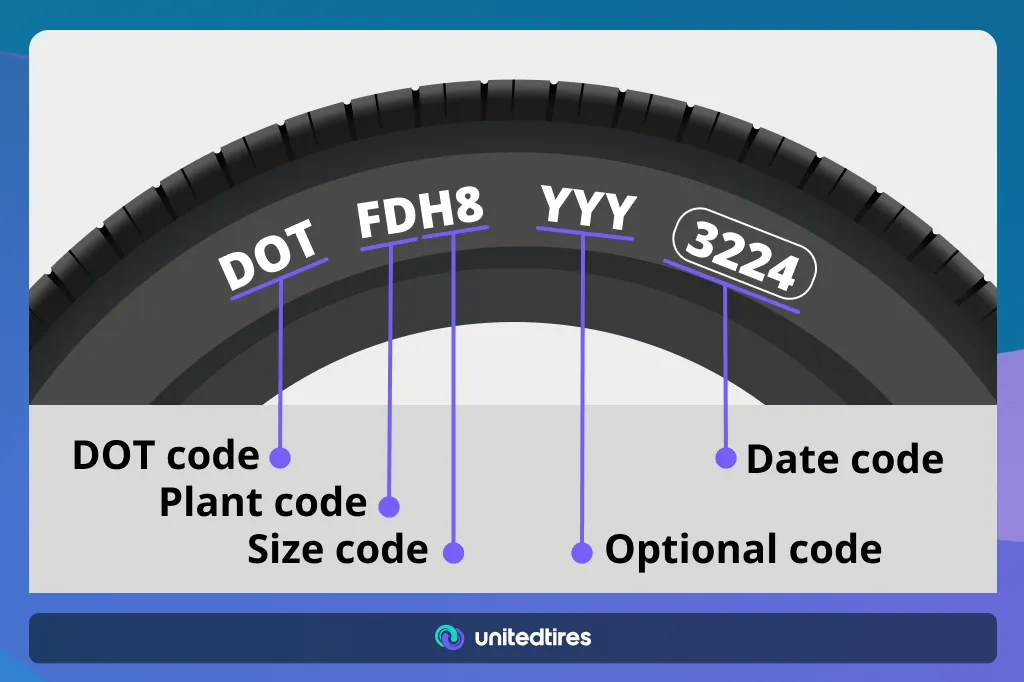
- Comprehensive Testing: European labels are awarded after rigorous testing that simulates various driving conditions, whereas the DOT marking primarily provides manufacturing details, such as production date and plant information.
For consumers seeking detailed insights into tire performance, the European Tire Label offers a clear advantage by delivering performance data that extends beyond mere compliance and manufacturing details.
How to Choose the Right Tire
Choosing the ideal tire for your vehicle involves evaluating multiple factors. We recommend considering the following aspects:
- Performance Needs: Identify whether fuel efficiency, wet braking, or noise reduction is most important based on your driving habits.
- Environmental Considerations: For a greener driving experience, opt for tires that contribute to reduced CO₂ emissions and improved energy efficiency.
- Safety Standards: Always prioritize tires that meet or exceed EU safety requirements to ensure optimal performance under various road conditions.
- Certification and Testing: Look for tires that carry the European Tire Label, guaranteeing that they have passed rigorous performance tests.
By carefully weighing these factors, you can make an informed decision that enhances your driving experience while supporting environmental sustainability.
What are the best tire models in the UK market that meet the European Tire Label standards?
When evaluating the top tire models in the UK that comply with the European Tire Label criteria, we find that several models stand out for their exceptional performance in fuel efficiency, wet braking, and noise reduction. In our research, we discovered that premium models from renowned brands such as Michelin, Continental, and Bridgestone consistently deliver high ratings across all parameters.
Key features include:
- Fuel Efficiency: Lower rolling resistance leads to reduced fuel consumption.
- Wet Grip: Enhanced braking performance on wet surfaces for improved safety.
- Noise Levels: Optimised design minimises external noise, contributing to a quieter driving experience.
Below is a comparison table of select models and their approximate price ranges in the UK market:
| Model | Price Range (GBP) | Fuel Efficiency | Wet Grip | Noise Level |
|---|---|---|---|---|
| Michelin Energy Saver | 80 – 120 per tyre | A | B | A |
| Continental PremiumContact 6 | 75 – 115 per tyre | A/B | A | B |
| Bridgestone Turanza T005 | 70 – 110 per tyre | A | B/A | B |
Benefits include:
- Long-term Savings: Investing in high-rated models can lead to savings in fuel costs and fewer replacements over time.
- Enhanced Safety: Superior wet braking and stability contribute to safer driving conditions.
- Environmental Impact: Lower emissions and energy efficiency make these models a more eco-friendly option.
In addition to the technical specifications, user feedback and independent tests suggest that these models maintain performance even under diverse driving conditions. Many UK drivers report increased satisfaction due to the balance of performance, durability, and cost-effectiveness these tyres offer. The combination of rigorous testing standards and innovative design principles ensures that selecting a high-rated model can significantly improve overall driving experience and contribute to a sustainable future.
Premium tire accessories play a critical role in maximising the performance and safety of tyres that adhere to the European Tire Label standards. Accessories such as tire pressure monitoring systems (TPMS), advanced valve caps, and high-performance rims are designed to complement the inherent qualities of the tyres, ensuring that the advantages of fuel efficiency, wet braking, and noise reduction are fully realised.
Essential accessories include:
- Tire Pressure Monitoring Systems (TPMS): These devices provide real-time pressure readings, alerting drivers to underinflation issues that can affect rolling resistance and fuel consumption.
- High-Performance Rims: Precision-engineered rims optimise the tyre’s contact with the road, enhancing grip and overall handling.
- Valve Caps and Sensors: Additional sensors can help maintain consistent pressure, reducing wear and extending the lifespan of the tyre.
Below is a table comparing popular TPMS models available in the UK market:
| Accessory | Approximate Price (GBP) | Features |
|---|---|---|
| TPMS Advanced Sensor | 50 – 80 per unit | Real-time alerts, smartphone integration |
| High-Performance Rim Set | 150 – 250 per set | Customisable design, enhanced stability |
| Smart Valve Caps | 15 – 30 per unit | Durable, weather-resistant, sensor-enabled |
Key benefits include:
- Improved Safety: Continuous monitoring helps prevent dangerous underinflation, reducing the risk of tyre failure.
- Optimised Performance: Accurate pressure maintenance ensures that tyres perform as intended under the stringent EU standards.
- Cost Efficiency: Proper maintenance via these accessories can lead to longer tyre life and fewer replacements.
These accessories are an excellent investment for those seeking to maintain peak tyre performance and safety standards. By integrating these components with European-rated tyres, drivers can ensure that every aspect of their vehicle’s performance is optimised, resulting in a smoother, safer, and more efficient driving experience.
Which specific tire brands offer comprehensive model ranges with advanced European Tire Label ratings?
In the UK market, several tyre manufacturers have distinguished themselves by offering comprehensive model ranges that consistently achieve high European Tire Label ratings. Brands such as Michelin, Continental, Bridgestone, and Goodyear have developed a portfolio that caters to diverse driving needs while maintaining top-notch performance in fuel efficiency, wet grip, and noise reduction.
Highlights of these brands include:
- Michelin: Renowned for its Energy Saver series, Michelin tyres are celebrated for their exceptional fuel efficiency and longevity.
- Continental: With models like the PremiumContact series, Continental excels in wet braking performance and low noise emissions.
- Bridgestone: The Turanza range is a prime example of innovation, offering balanced performance for both urban and long-distance driving.
- Goodyear: Their efficient models focus on providing enhanced grip and stability, making them a reliable choice for varied weather conditions.
Below is a comparison table showcasing key models and their performance attributes:
| Brand | Model Series | Fuel Efficiency Rating | Wet Grip Rating | Noise Level |
|---|---|---|---|---|
| Michelin | Energy Saver | A | B | A |
| Continental | PremiumContact | A/B | A | B |
| Bridgestone | Turanza | A | A/B | B |
| Goodyear | EfficientGrip | A | B | B |
Additional details:
- Technological Integration: Each brand incorporates advanced technology to optimise tyre performance under diverse driving conditions.
- Market Feedback: Extensive consumer reviews in the UK consistently highlight the reliability and performance of these models.
- Research and Development: Continuous R&D efforts ensure that each new model adheres to the evolving European standards, enhancing both safety and efficiency.
These brands are committed to innovation and quality, ensuring that every tyre not only meets but often exceeds the performance benchmarks set by the European Tire Label. Their comprehensive ranges offer options for a wide variety of vehicles and driving styles, making them a popular choice among UK consumers who value performance, safety, and environmental responsibility.
What are the cost implications of choosing high-rated tires versus mid-rated tires for UK drivers?
When UK drivers choose high-rated tyres—those that earn an “A” or “B” rating under the European Tire Label—there are significant long-term cost benefits compared to selecting mid-rated tyres. Although the initial investment for high-rated tyres can be higher, the enhanced fuel efficiency, extended tyre lifespan, and superior safety features can lead to considerable savings over time.
Key cost implications include:
- Fuel Savings: High-rated tyres reduce rolling resistance, which translates to lower fuel consumption.
- Tyre Longevity: Better performance often correlates with reduced wear and tear, meaning fewer replacements and lower maintenance costs.
- Insurance Benefits: Some insurers may offer reduced premiums for vehicles equipped with tyres that meet higher safety standards.
Below is a comparative price table summarising average costs and potential savings:
| Tyre Rating | Initial Price Range (GBP) | Estimated Annual Fuel Savings (GBP) | Estimated Lifespan (Years) |
|---|---|---|---|
| High-Rated (A/B) | 80 – 130 per tyre | 100 – 150 | 5 – 7 |
| Mid-Rated (C/D) | 60 – 90 per tyre | 50 – 80 | 3 – 5 |
Other considerations:
- Maintenance Costs: High-rated tyres generally incur lower maintenance costs due to better performance in adverse conditions.
- Safety and Reliability: The added safety features may reduce the likelihood of accidents, potentially lowering related costs.
- Resale Value: Vehicles fitted with premium tyres often have a higher resale value, making them a smart investment.
Choosing high-rated tyres is a strategic decision that balances upfront costs with long-term savings. UK drivers who invest in these tyres benefit from improved efficiency and reliability, which ultimately reduces overall expenditure and contributes to a safer driving experience. The long-term financial benefits, combined with the enhanced performance standards, make high-rated tyres a wise choice for those looking to optimise both their budget and vehicle performance.
How does tire technology, such as run-flat and low rolling resistance designs, compare among different models?
Advancements in tyre technology have led to the development of innovative designs such as run-flat tyres and low rolling resistance tyres. In the UK market, these technologies are key differentiators among models that adhere to the European Tire Label standards, as they directly impact fuel efficiency, safety, and overall performance.
Run-Flat Technology:
- Benefits:
- Increased Safety: Run-flat tyres allow drivers to continue driving even after a puncture, reducing the risk of accidents.
- Convenience: Eliminates the immediate need for roadside assistance in case of a puncture.
- Considerations:
- Price: Typically higher than standard tyres due to advanced engineering.
- Ride Comfort: May offer a slightly firmer ride compared to conventional tyres.
Low Rolling Resistance Designs:
- Benefits:
- Fuel Efficiency: Lower rolling resistance leads to improved fuel economy.
- Environmental Impact: Reduced fuel consumption translates to lower CO₂ emissions.
- Considerations:
- Wear and Durability: While highly efficient, they must be balanced with robust construction to maintain longevity.
Below is a comparison table illustrating typical price ranges and features for these technologies:
| Technology | Price Range (GBP) | Fuel Efficiency | Safety Features | Ride Quality |
|---|---|---|---|---|
| Run-Flat Tyres | 90 – 150 per tyre | Moderate | High (puncture resistance) | Slightly firmer |
| Low Rolling Resistance | 80 – 130 per tyre | High | Standard | Comfortable |
Additional insights:
- User Feedback: UK drivers report that run-flat tyres provide peace of mind, particularly in urban environments, while low rolling resistance models are favoured for long-distance efficiency.
- Technological Integration: Many modern models combine these technologies, offering both safety benefits and improved efficiency.
- Market Trends: As consumer demand grows for eco-friendly and safe driving solutions, manufacturers are increasingly investing in research to refine these technologies further.
These technological innovations not only enhance the driving experience but also ensure compliance with the stringent requirements of the European Tire Label. The combination of improved safety features and reduced environmental impact makes these tyre technologies an attractive option for discerning UK motorists.
What are the recommended tire pressure monitoring systems (TPMS) and accessories compatible with European rated tyres?
Maintaining optimal tyre pressure is essential for ensuring that tyres perform according to European Tire Label standards. In the UK, advanced Tire Pressure Monitoring Systems (TPMS) have become increasingly popular, as they provide real-time data on tyre conditions, helping drivers achieve peak performance, safety, and fuel efficiency.
Key TPMS features include:
- Real-Time Alerts: Immediate notifications if tyre pressure falls below optimal levels, reducing the risk of underinflation.
- Smartphone Integration: Many modern systems connect to mobile applications, offering detailed analytics and maintenance reminders.
- Ease of Installation: Designed to integrate seamlessly with most European rated tyres, ensuring that the advanced features of the tyres are not compromised.
Below is a comparison table of some recommended TPMS accessories available in the UK:
| Accessory | Price Range (GBP) | Key Features | Compatibility |
|---|---|---|---|
| Advanced Wireless TPMS | 50 – 90 per unit | Real-time alerts, app integration, long battery life | Most European rated tyres |
| Integrated Sensor Systems | 70 – 110 per unit | High precision sensors, weather-resistant | Premium tyre models |
| Smart Valve Caps with Sensors | 15 – 30 per unit | Durable, sensor-enabled, easy to install | Wide compatibility |
Additional benefits include:
- Enhanced Safety: Consistent monitoring prevents accidents caused by underinflated tyres.
- Cost Efficiency: Reducing tyre wear by maintaining optimal pressure can extend the life of the tyre, leading to long-term savings.
- User Convenience: Automatic alerts and detailed pressure reports simplify vehicle maintenance routines.
UK drivers find that these TPMS accessories are indispensable, particularly for vehicles that demand high performance and reliability. They ensure that tyres not only meet but continue to uphold the rigorous standards of the European Tire Label. By integrating these advanced monitoring systems, drivers can achieve a more secure, efficient, and comfortable driving experience, ultimately safeguarding both their investment and their safety on the road.
How do seasonal tire models (summer, winter, all-season) perform under European Label criteria in the UK?
Seasonal tyre models are tailored to meet the specific demands of different driving conditions while adhering to the stringent European Tire Label standards. In the UK, where weather conditions vary widely, choosing the appropriate seasonal tyre is crucial for safety, performance, and efficiency.
Summer Tyres:
- Performance: Designed for optimal performance on dry and wet roads in warmer conditions.
- Features:
- Enhanced Grip: Superior traction and braking performance.
- Fuel Efficiency: Typically rated highly for fuel economy due to low rolling resistance.
- Considerations:
- Not Suitable for Ice or Snow: Their performance decreases significantly in cold weather conditions.
- Performance: Specially engineered for low temperatures, ice, and snow conditions.
- Features:
- Improved Traction: Aggressive tread patterns for enhanced grip on slippery surfaces.
- Durability: Built to maintain flexibility in sub-zero temperatures.
- Considerations:
- Higher Rolling Resistance: May lead to slightly increased fuel consumption during warmer weather.
- Performance: Designed to offer a compromise between summer and winter conditions, providing moderate performance year-round.
- Features:
- Versatility: Suitable for varying weather, though not excelling in extreme conditions.
- Convenience: Eliminates the need for seasonal tyre changes.
- Considerations:
- Balanced Ratings: Typically earn mid-range ratings on the European Tire Label for fuel efficiency and wet grip.
Below is a price comparison table for popular seasonal models in the UK:
| Season | Average Price Range (GBP) | Fuel Efficiency | Wet Grip Performance |
|---|---|---|---|
| Summer | 70 – 120 per tyre | A to B | A |
| Winter | 80 – 130 per tyre | B to C | A |
| All-Season | 75 – 125 per tyre | B | B |
Additional points:
- User Reviews: UK drivers appreciate summer tyres for their precision in dry conditions, while winter tyres are praised for their safety during icy spells.
- Cost Considerations: Although specialised tyres might be slightly more expensive, the enhanced safety and performance in critical conditions justify the investment.
- Maintenance: Regular checks and timely seasonal changes help maintain the optimum performance of the tyres, ensuring they meet the European standards.
Selecting the right seasonal tyre model based on the driving conditions and performance needs is essential. This ensures that vehicles continue to operate safely, efficiently, and in line with the European Tire Label standards regardless of the season.
What innovations in tire manufacturing contribute to achieving higher European Tire Label ratings?
Innovations in tyre manufacturing have revolutionised the industry, leading to significant improvements in safety, efficiency, and performance that align with the European Tire Label standards. Recent technological advancements focus on enhancing key performance metrics such as fuel efficiency, wet braking, and noise reduction.
Key innovations include:
- Advanced Compound Formulations:
- Enhanced Durability: New rubber compounds improve tread longevity and maintain flexibility in diverse weather conditions.
- Reduced Rolling Resistance: Optimised formulations contribute to lower fuel consumption and reduced CO₂ emissions.
- Innovative Tread Designs:
- Optimised Patterns: Novel tread patterns improve water dispersion, significantly enhancing wet braking performance.
- Noise Reduction: Carefully engineered grooves and sipes reduce external noise levels for a quieter ride.
- Integration of Nanotechnology:
- Strength and Resilience: Nano-enhanced materials increase tyre strength while minimising weight, contributing to overall performance improvements.
- Enhanced Safety: The incorporation of nanomaterials helps distribute stress evenly across the tyre, reducing the risk of failures.
Below is a comparative table summarising typical price implications associated with these innovations:
| Innovation | Impact on Performance | Typical Price Premium (GBP) | Additional Benefits |
|---|---|---|---|
| Advanced Compound Formulations | Reduced rolling resistance, enhanced durability | 10 – 20 per tyre | Improved fuel economy, lower emissions |
| Innovative Tread Designs | Enhanced wet grip, reduced noise | 5 – 15 per tyre | Safer braking, quieter ride |
| Nanotechnology Integration | Increased strength, reduced weight | 15 – 25 per tyre | Longer lifespan, improved safety |
Additional details:
- Sustainable Manufacturing: Many manufacturers now prioritise eco-friendly production methods, reducing waste and utilising renewable resources.
- Market Trends: There is a growing demand for tyres that not only meet but exceed the European standards, prompting continuous investment in R&D.
- User Benefits: The combination of these innovations ensures that drivers benefit from tyres that deliver superior performance, enhanced safety, and a reduced environmental footprint.
These manufacturing advancements are pivotal in achieving the high standards required for European Tire Label ratings, ensuring that tyres provide maximum value through improved efficiency and reliability.
How do user reviews and professional tests compare for top-rated European label compliant tyres?
Comparing user reviews and professional tests for European label compliant tyres reveals a consensus on performance, safety, and efficiency. UK drivers and independent testing bodies both provide valuable insights, creating a well-rounded perspective on how these tyres perform in real-world conditions.
User reviews typically highlight:
- Reliability: Many users commend the durability and consistent performance of high-rated tyres.
- Cost Savings: Reports indicate noticeable improvements in fuel efficiency and lower long-term maintenance costs.
- Comfort and Safety: Enhanced wet grip and reduced noise levels are recurrent themes in customer feedback.
Professional tests, on the other hand, focus on objective measurements:
- Standardised Ratings: Tests include precise measurements for rolling resistance, braking performance on wet surfaces, and noise emissions.
- Comparative Analysis: Independent laboratories conduct side-by-side comparisons, ensuring that each tyre meets the rigorous criteria of the European Tire Label.
Below is a table that summarises a hypothetical comparison of a few top-rated models based on both user feedback and professional testing:
| Tyre Model | User Rating (out of 5) | Fuel Efficiency | Wet Braking | Noise Level |
|---|---|---|---|---|
| Michelin Energy Saver | 4.6 | A | B | A |
| Continental PremiumContact | 4.5 | A/B | A | B |
| Bridgestone Turanza T005 | 4.4 | A | A/B | B |
Key observations include:
- Consistency: Both user and professional evaluations generally align, with minor variations in subjective impressions versus objective data.
- Reliability: Tyres that receive consistently high marks in both categories tend to be the preferred choice for drivers who value safety and efficiency.
- Performance Metrics: Professional tests verify the claims made in user reviews, thereby reinforcing the credibility of the ratings on the European Tire Label.
These comprehensive comparisons underscore the importance of balancing both anecdotal experiences and rigorous testing. UK drivers can make informed decisions by considering this dual perspective, ensuring that the tyres they select deliver exceptional performance under all conditions.
What are the maintenance and accessory costs associated with keeping European-rated tyres at optimum performance?
Maintaining European-rated tyres at their optimum performance involves regular upkeep and investing in high-quality accessories. In the UK, the total cost of maintaining these tyres can be offset by improved fuel efficiency and extended tyre lifespan. Key maintenance aspects include regular pressure checks, wheel alignments, and periodic professional inspections.
Essential maintenance accessories and their benefits include:
- Tire Pressure Gauges:
- Function: Ensure tyres remain inflated to the correct pressure, preserving fuel efficiency and safety.
- Cost Range: Typically around 10 – 20 GBP per gauge.
- Wheel Alignment Services:
- Function: Prevent uneven tyre wear and maintain optimal performance.
- Cost Range: Generally 40 – 80 GBP per session.
- TPMS Sensors:
- Function: Provide real-time data on tyre conditions to avoid issues like underinflation.
- Cost Range: Approximately 50 – 90 GBP per sensor.
- Tyre Balancing Tools:
- Function: Ensure even distribution of weight across the tyre, enhancing overall performance.
- Cost Range: Typically included in professional services or available as part of a service package.
Below is a cost comparison table summarising average maintenance expenses:
| Maintenance Item | Average Cost (GBP) | Frequency | Benefits |
|---|---|---|---|
| Tire Pressure Gauge | 10 – 20 | As needed | Accurate pressure monitoring |
| Wheel Alignment Service | 40 – 80 | Annually or bi-annually | Prevents uneven wear, improves safety |
| TPMS Sensor | 50 – 90 per sensor | Every 2-3 years | Real-time monitoring, enhanced safety |
| Tyre Balancing | Included in service | With each service | Even weight distribution |
Additional considerations:
- Preventive Maintenance: Regular checks and timely replacements of accessories can prevent costly repairs in the long run.
- Extended Tyre Life: Investing in quality accessories not only preserves the performance of European-rated tyres but also contributes to overall cost savings by extending the lifespan of the tyres.
- Convenience and Safety: Maintaining optimal tyre conditions ensures that drivers enjoy a safer and more efficient driving experience, reducing the risk of unexpected tyre failures.
Effective maintenance of European-rated tyres is an investment in safety and performance. By understanding and managing these accessory costs, UK drivers can ensure that their tyres continue to deliver the high standards promised by the European Tire Label, ultimately leading to a more reliable and cost-effective driving experience.
Conclusion
The European Tire Label is an indispensable tool for consumers who demand excellence in vehicle performance and sustainability. By providing transparent, reliable, and standardized information, it empowers buyers to select tires that not only meet stringent safety standards but also contribute to environmental protection and cost efficiency. We are committed to ensuring that our guidance helps you navigate the complexities of tire selection with confidence, ultimately leading to safer, more sustainable driving experiences.
For further insights or personalized recommendations, please do not hesitate to contact us. Our team of experts is here to support you in making the best tire choices for your vehicle.





