
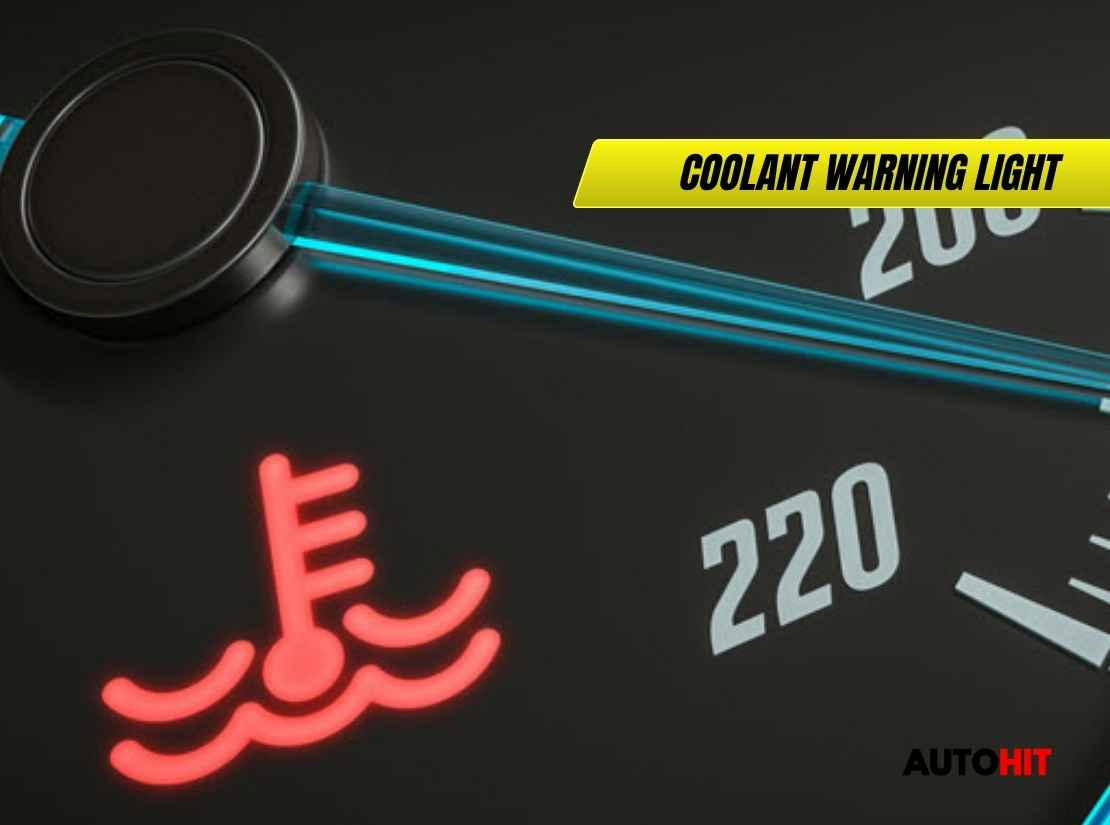
Coolant warning light on? Our guide covers engine overheating causes, emergency procedures, and when to stop immediately. Essential UK breakdown prevention advice.
There’s perhaps no automotive warning light more alarming than the red coolant temperature symbol glowing ominously on your dashboard, especially when you’re stuck in traffic on the M25 with the summer sun beating down. According to our analysis at AutoHit, coolant-related breakdowns remain among the most serious and expensive automotive emergencies UK drivers face, with engine overheating capable of causing thousands of pounds in damage within minutes of the warning appearing. Having investigated countless cases of engine damage from ignored coolant warnings and consulted with breakdown services across Britain, we’re here to provide the definitive guide to understanding and responding to this critical alert.
The coolant warning light represents your engine’s cry for help – a last-ditch attempt to prevent catastrophic damage when the cooling system can no longer maintain safe operating temperatures. Modern engines operate within remarkably narrow temperature ranges, typically between 80-95°C, and even brief excursions beyond 110°C can cause permanent damage to expensive components like cylinder heads, gaskets, and engine blocks.
What makes coolant warnings particularly dangerous is how quickly situations can deteriorate. Unlike many automotive problems that develop gradually, engine overheating can progress from a minor temperature spike to complete engine destruction in a matter of minutes. We’ve spent considerable time researching both the technical aspects of cooling systems and the real-world experiences of drivers who’ve faced these emergencies, providing you with the knowledge you need to respond correctly when every second counts.
Understanding the Coolant Warning System
Modern vehicle cooling systems represent sophisticated engineering designed to maintain precise engine temperatures under varying conditions, from winter start-up to summer traffic jams.
How the Warning System Works
The coolant temperature warning uses sensors strategically placed within the cooling system to monitor the temperature of the coolant as it circulates through the engine. When temperatures exceed safe operating thresholds – typically around 105-110°C – the Engine Control Unit (ECU) triggers the warning light.
Temperature Sensor Location: Usually positioned at the thermostat housing or cylinder head, these sensors provide real-time temperature data to the ECU.
Warning Light Symbol: The universally recognised red symbol shows a thermometer surrounded by wavy lines, representing hot liquid.
Progressive Warnings: Many modern vehicles provide staged warnings, with amber alerts for elevated but not dangerous temperatures, progressing to red for critical situations.
Normal Operating Cycle
Understanding normal cooling system operation helps identify when problems are developing:
Cold Start: The warning light briefly illuminates during engine start-up, then extinguishes within 5-10 seconds as the system initialises.
Warm-Up Period: Engine temperature gradually rises to operating range over 2-5 minutes depending on ambient conditions.
Thermostat Opening: At approximately 80-90°C, the thermostat opens to circulate coolant through the radiator.
Fan Activation: Electric cooling fans activate automatically when temperatures approach upper operating limits, typically around 95-100°C.
Steady State: Once warmed up, temperature should remain stable regardless of driving conditions.
What Coolant Actually Is and Why It Matters
Modern engine coolant represents far more than simple water, incorporating sophisticated chemistry designed to protect expensive engine components while operating under extreme conditions.
Coolant Composition
Base Mixture: Typically 50% distilled water and 50% antifreeze (ethylene glycol or propylene glycol), though ratios may vary for specific climates.
Corrosion Inhibitors: Sophisticated additive packages prevent corrosion of aluminium, steel, copper, and other cooling system materials.
Anti-Foam Agents: Additives prevent foam formation that could impair heat transfer and cause localised overheating.
pH Stabilisers: Maintain optimal acidity levels to prevent corrosion while ensuring effective heat transfer.
Modern Coolant Types
Inorganic Additive Technology (IAT): Traditional green coolant used in older vehicles, requiring replacement every 2-3 years or 30,000 miles.
Organic Acid Technology (OAT): Long-life coolants (red/orange) lasting up to 5 years or 150,000 miles, used in most modern vehicles.
Hybrid Organic Acid Technology (HOAT): Yellow coolants combining organic and inorganic additives, offering extended life with broad compatibility.
Phosphate Organic Acid Technology (P-OAT): Blue coolants designed for Asian vehicles, providing excellent corrosion protection with environmental benefits.
European Formulations: Pink/purple coolants meeting specific European manufacturer requirements, particularly VAG Group vehicles using G12/G13 specifications.
Immediate Emergency Procedures
When the coolant warning light illuminates, immediate and correct response can mean the difference between a minor inconvenience and a destroyed engine.
Critical First Steps
1. Assess the Situation: Note whether the light is steady or flashing – flashing indicates more severe overheating requiring immediate action.
2. Check for Steam: Look for steam or vapour emerging from the bonnet area, which indicates severe overheating and potential coolant loss.
3. Reduce Engine Load: Immediately ease off the accelerator, turn off air conditioning, and avoid sudden acceleration or high revs.
4. Find Safe Stopping Point: Signal clearly and move to the leftmost safe position – hard shoulder, lay-by, or car park.
Emergency Stopping Procedure
Immediate Actions:
- Switch on hazard warning lights before stopping
- Turn off the engine immediately upon stopping safely
- Do NOT open the bonnet if steam is visible
- Exit the vehicle safely away from traffic
Safety Considerations:
- Never attempt to remove the radiator cap or coolant reservoir cap when the engine is hot
- Pressurised coolant can reach 120°C+ and cause severe burns
- Steam can cause serious scalding injuries
- Allow minimum 30 minutes cooling time before investigation
Initial Assessment
After ensuring the engine has cooled sufficiently (no steam visible, radiator and engine block feel only warm to touch):
Visual Inspection:
- Check ground beneath vehicle for coolant puddles (often green, red, or blue liquid)
- Examine radiator and hoses for obvious damage or leaks
- Look for blown hoses or damaged radiator fins
- Check cooling fan operation (should run when engine is warm)
Coolant Level Check:
- Locate coolant reservoir (usually translucent plastic tank near radiator)
- Check level against minimum/maximum markers
- Only remove cap when engine is completely cool
- Use cloth protection when removing any cooling system caps
Common Causes of Coolant Warning Activation
Understanding why coolant warnings appear helps determine appropriate responses and repair priorities.
Insufficient Coolant Level
Gradual Loss: Small leaks from hoses, radiator, or water pump seals cause gradual coolant loss over time. Often first noticed during hot weather or demanding driving conditions when the cooling system is stressed.
Catastrophic Loss: Burst hoses, radiator damage, or major component failure can cause rapid coolant loss, leading to immediate overheating and warning activation.
Head Gasket Failure: Internal coolant loss into combustion chambers or oil system may not be immediately visible but causes progressive coolant loss and overheating.
Cooling Fan Problems
Electric Fan Failure: Most modern vehicles use electric fans controlled by temperature sensors. Fan motor failure, blown fuses, or sensor problems prevent cooling during stationary operation or slow-speed driving.
Fan Relay Issues: Faulty relays can prevent fan activation even when the motor and wiring are functional, causing overheating in traffic or during idling.
Thermostat Fan Switch: Some vehicles use thermostat-controlled fan switches that can fail, preventing automatic fan operation when needed.
Thermostat Malfunctions
Stuck Closed: A thermostat that fails to open prevents coolant circulation through the radiator, causing rapid overheating even with adequate coolant levels.
Stuck Open: While less immediately dangerous, a permanently open thermostat prevents proper engine warm-up and may cause overheating under extreme conditions.
Partial Failure: Thermostats that open inconsistently or at incorrect temperatures can cause erratic cooling performance and intermittent warnings.
Water Pump Failure
Impeller Damage: Corroded or damaged impeller blades reduce coolant circulation, causing localised overheating even with functioning radiator and fans.
Bearing Failure: Worn water pump bearings cause noise, leakage, and eventual complete pump failure, eliminating coolant circulation entirely.
Drive Belt Problems: Broken or slipping belts prevent water pump operation in belt-driven systems, causing immediate overheating.
Radiator Issues
Internal Blockage: Corrosion, debris, or incorrect coolant mixing can block radiator passages, reducing cooling effectiveness.
External Blockage: Road debris, insects, or damaged cooling fins reduce airflow through the radiator, particularly problematic during highway driving.
Physical Damage: Impact damage from road debris or accidents can puncture radiator tubes or damage cooling fins.
Emergency Temporary Solutions
When professional help isn’t immediately available, several temporary measures can potentially allow safe continuation to a garage or safe location.
Coolant Level Restoration
Emergency Top-Up: If coolant level is low and no leaks are visible, carefully add appropriate coolant or distilled water to the reservoir when the engine is completely cool.
Water vs Coolant: In emergencies, distilled water can temporarily replace coolant, though this reduces freeze protection and corrosion resistance. Tap water should only be used in absolute emergencies due to mineral content.
Mixing Ratios: If adding water to existing coolant, maintain approximately 50/50 ratio for optimal protection and heat transfer.
Traffic Management
Avoid Idling: If the warning appears in traffic, try to keep moving even slowly rather than idling stationary, as airflow helps cooling.
Use Heater: Counter-intuitively, turning the heater to maximum hot setting and high fan speed helps dissipate engine heat through the heater core.
Engine Load Reduction: Avoid air conditioning, minimize electrical loads, and drive gently to reduce engine heat generation.
When NOT to Continue
Never Continue If:
- Steam is visibly emerging from the engine bay
- Coolant warning light is flashing rather than steady
- Unusual noises accompany the warning (grinding, knocking, or squealing)
- White smoke emerges from the exhaust (indicates internal coolant loss)
- Repeated overheating occurs despite cooling periods
Professional Diagnosis and Repair
Coolant system problems often require professional diagnosis to identify root causes and prevent recurrence.
Diagnostic Procedures
Pressure Testing: Specialised equipment pressurises the cooling system to identify leaks that may not be visible during normal operation.
Thermostat Testing: Professional testing determines whether thermostats open at correct temperatures and flow rates.
Combustion Gas Testing: Detects exhaust gases in the cooling system, indicating head gasket or cylinder head problems.
Flow Rate Analysis: Determines whether water pumps are circulating coolant at specified rates.
Common Repair Costs (UK)
Minor Repairs:
- Coolant replacement: £80-150
- Thermostat replacement: £120-250
- Cooling fan motor: £150-300
- Minor hose replacement: £50-150
Major Repairs:
- Water pump replacement: £300-600
- Radiator replacement: £200-500
- Head gasket repair: £800-2,000+
- Engine replacement (after overheating damage): £3,000-8,000+
Choosing Repair Services
Independent Garages: Often provide cost-effective solutions for routine cooling system maintenance and minor repairs.
Manufacturer Dealers: Necessary for warranty work and may have superior diagnostic equipment for complex problems.
Cooling System Specialists: Some independent shops specialise in radiator and cooling system repairs, often providing expert service at competitive prices.
Prevention and Maintenance
Regular maintenance and monitoring can prevent most coolant warning scenarios from developing.
Routine Checks
Weekly Inspections:
- Check coolant level in reservoir when engine is cold
- Look for coolant stains or puddles beneath parked vehicle
- Listen for unusual noises from cooling fans
Monthly Assessments:
- Inspect radiator fins for damage or blockage
- Check hoses for swelling, cracking, or soft spots
- Test cooling fan operation during warm-up
Seasonal Preparation:
- Summer: Ensure adequate coolant concentration and radiator cleanliness
- Winter: Verify antifreeze protection to at least -25°C for UK conditions
Professional Servicing
Annual System Flush: Complete cooling system drainage and refill with fresh coolant maintains optimal protection and heat transfer.
Pressure Testing: Annual pressure tests can identify developing leaks before they cause breakdown situations.
Thermostat Replacement: Proactive thermostat replacement every 60,000-80,000 miles prevents failure-related overheating.
Belt and Hose Inspection: Regular replacement of aging belts and hoses prevents sudden failure and associated overheating.
Modern Vehicle Considerations
Contemporary vehicles include additional complexity that affects cooling system operation and diagnosis.
Advanced Engine Management
Variable Thermostats: Some modern engines use electronically controlled thermostats that vary opening temperature based on driving conditions.
Electric Water Pumps: Hybrid and some conventional vehicles use electric water pumps that can operate independently of engine speed.
Integrated Systems: Cooling systems may integrate with air conditioning, turbocharger cooling, and transmission cooling, complicating diagnosis.
Hybrid and Electric Considerations
Battery Cooling: Hybrid and electric vehicles include separate cooling systems for high-voltage batteries that require different maintenance procedures.
System Isolation: Some cooling circuits operate at different pressures and temperatures, requiring specialist knowledge for safe servicing.
Regenerative Heating: Some vehicles use waste heat recovery systems that affect normal cooling system operation.
Insurance and Breakdown Cover
Understanding how coolant emergencies relate to insurance and breakdown coverage helps plan appropriate responses.
Breakdown Cover Benefits
Most comprehensive breakdown policies cover coolant-related failures, including:
- Emergency roadside coolant top-up
- Temporary repairs to enable reaching garage
- Recovery when repairs cannot be completed roadside
- Accommodation if breakdown occurs away from home
Insurance Implications
Preventable Damage: Insurance may not cover engine damage resulting from continued driving with coolant warnings illuminated.
Maintenance Records: Regular service records can support insurance claims for sudden cooling system failures.
Modification Considerations: Engine modifications may affect cooling system adequacy and insurance coverage.
Cost of Ignoring Coolant Warnings
Understanding potential damage costs emphasises the importance of immediate response to coolant warnings.
Progressive Damage Scenarios
Minor Overheating: Brief temperature spikes may cause no permanent damage if addressed immediately.
Moderate Overheating: Temperatures above 110°C can warp cylinder heads, requiring expensive machining or replacement.
Severe Overheating: Extended operation above 120°C typically destroys head gaskets, warps engine blocks, and may require complete engine replacement.
Real-World Cost Examples
Cylinder Head Replacement: £1,500-3,000 including labour and associated components Complete Engine Rebuild: £4,000-8,000 depending on vehicle and damage extent Engine Replacement: £5,000-12,000 for common vehicles, significantly more for luxury or performance cars
Final Assessment: Your Engine’s Life Depends on Your Response
The coolant warning light represents one of the most critical alerts your vehicle can display, with the potential for catastrophic and expensive damage developing within minutes of illumination. Understanding this warning system and responding appropriately can save thousands in repair costs while preventing dangerous breakdown situations.
The key insight is that coolant warnings demand immediate respect and appropriate action. Unlike many automotive problems that develop gradually, cooling system failures can progress from minor issues to complete engine destruction faster than most drivers realise.
For UK drivers, where summer traffic jams and winter weather create challenging conditions for cooling systems, maintaining these systems properly and responding correctly to warnings represents essential motoring knowledge. The combination of our comprehensive breakdown services and widespread garage network means that coolant emergencies rarely result in prolonged stranding when handled correctly.
Remember that prevention through regular maintenance costs far less than emergency repairs, while prompt response to warning lights can often prevent minor problems from becoming major disasters. When the coolant warning appears, your engine is literally crying for help – listening to that cry and responding appropriately can save you thousands and keep you safely on the road.
Frequently Asked Questions
How long can I drive with the coolant warning light on before causing serious damage?
You should not drive at all with a red coolant warning light illuminated – stop immediately when safe to do so. Engine damage can begin within 2-3 minutes of serious overheating, and catastrophic damage occurs within 5-10 minutes. Even brief continued driving with coolant warnings can cause expensive damage including warped cylinder heads, blown head gaskets, or cracked engine blocks. If you must move the vehicle for safety reasons, drive only the minimum distance necessary at idle speeds with hazard lights activated. The cost of emergency recovery is always less than the £3,000-8,000+ cost of engine replacement after overheating damage. Amber temperature warnings may allow brief continued driving to reach safety, but red warnings require immediate stopping.
Can I add water instead of coolant in an emergency, and is tap water okay?
In genuine emergencies, distilled water can temporarily replace coolant to get you to safety, though this eliminates freeze protection and reduces corrosion resistance. Tap water should only be used as an absolute last resort because minerals and chemicals can cause long-term cooling system damage and reduce heat transfer efficiency. The emergency mixture should be replaced with proper coolant as soon as possible – within a few days maximum. Never add cold water to an overheated engine as thermal shock can crack the engine block or cylinder head. Always allow the engine to cool completely before adding any liquid, and remember that water boils at 100°C versus 108-110°C for proper coolant mixture, providing less overheating protection.
Why does my coolant warning light come on in traffic jams but not during normal driving?
Traffic jam overheating typically indicates cooling fan problems, blocked radiator airflow, or marginal cooling system capacity. During normal driving, airflow through the radiator provides adequate cooling, but stationary or slow-moving traffic relies entirely on electric fans. Common causes include faulty cooling fans, blown fuses, defective fan relays, or blocked radiator fins from debris, insects, or damage. This pattern suggests the cooling system works when assisted by vehicle motion but fails when relying solely on fans. Have the fan operation and radiator condition checked immediately, as this problem will worsen and eventually cause overheating during normal driving. Temporary relief might be achieved by turning the heater to maximum hot and high fan speed to help dissipate engine heat.
What’s the difference between coolant colours, and can I mix different types?
Coolant colours indicate different chemical formulations that shouldn’t be mixed without confirming compatibility. Green coolants use traditional inorganic additives (IAT) with 2-3 year lifespans, while red/orange use organic acid technology (OAT) lasting 5+ years. Blue coolants are typically designed for Asian vehicles, yellow for hybrid organic systems (HOAT), and pink/purple for European specifications. Mixing incompatible coolants can cause chemical reactions that create gel-like substances, block cooling passages, and reduce corrosion protection. When in doubt, completely drain and refill with the manufacturer-specified coolant type rather than risking contamination. Emergency mixing of small amounts is usually safe short-term, but the entire system should be flushed and refilled with correct coolant within a few hundred miles.
How much should I expect to pay for coolant system repairs, and when should I use a dealer versus independent garage?
Repair costs vary significantly depending on the problem’s complexity. Simple issues like coolant replacement (£80-150), thermostat replacement (£120-250), or hose replacement (£50-150) can be handled cost-effectively by independent garages. Major repairs like water pump replacement (£300-600) or radiator replacement (£200-500) benefit from specialist knowledge but don’t necessarily require dealer service. Use dealers for warranty work, complex diagnostic problems, or when specialist knowledge of your vehicle’s specific systems is required. Independent cooling system specialists often provide excellent service at competitive prices for routine maintenance and common repairs. Always get quotes from multiple sources for expensive repairs, and ensure any garage has experience with your vehicle type.
What should I do if the coolant warning light comes on during a long motorway journey?
On motorways, safely exit at the next junction if possible rather than stopping on the hard shoulder where breakdown recovery is more dangerous and expensive. If you must stop on the motorway, use the hard shoulder only as a last resort – move to the leftmost position, activate hazard lights, exit from the left side away from traffic, and wait behind the barrier. Call emergency breakdown services immediately as motorway recovery requires specialist vehicles and traffic management. Don’t attempt any repairs on the hard shoulder. If the warning appears approaching services or a junction, try to reach these safer locations by driving gently with hazard lights activated. The key is prioritising personal safety over vehicle concerns – engines can be repaired or replaced, but accident injuries are irreversible.
Are modern cars more or less likely to overheat compared to older vehicles?
Modern cars have more sophisticated cooling systems with better temperature control, electric fans, and advanced monitoring, making catastrophic overheating less common. However, they’re also more complex with tighter engine tolerances, meaning they’re potentially more vulnerable to damage when overheating does occur. Older cars often had simpler systems that were easier to diagnose and repair, but provided less precise temperature control and warning. Modern vehicles typically provide earlier warning of developing problems through progressive alerts and more sensitive monitoring. The key difference is that modern cars usually give more advance notice before reaching dangerous temperatures, but may suffer more expensive damage if those warnings are ignored. Contemporary engines also often have higher operating temperatures and smaller cooling margins, making prompt response to warnings even more critical.
Conclusion
The coolant warning light represents one of the most serious alerts your vehicle can display, demanding immediate and appropriate response to prevent catastrophic engine damage. Understanding this critical warning system and responding correctly can save thousands in repair costs while ensuring your safety and that of other road users.
The fundamental insight is that cooling system emergencies develop rapidly and can cause irreversible damage within minutes of warning activation. Unlike many automotive problems that provide gradual warning signs, coolant-related failures can progress from minor temperature elevation to complete engine destruction faster than most drivers realise.
For UK drivers facing diverse weather conditions and challenging traffic scenarios, maintaining cooling systems properly and responding appropriately to warnings represents essential automotive knowledge. The combination of our excellent breakdown services and comprehensive garage networks means that coolant emergencies need not result in disaster when handled correctly – but only if drivers understand the urgency and respond appropriately when their engines cry for help.





