
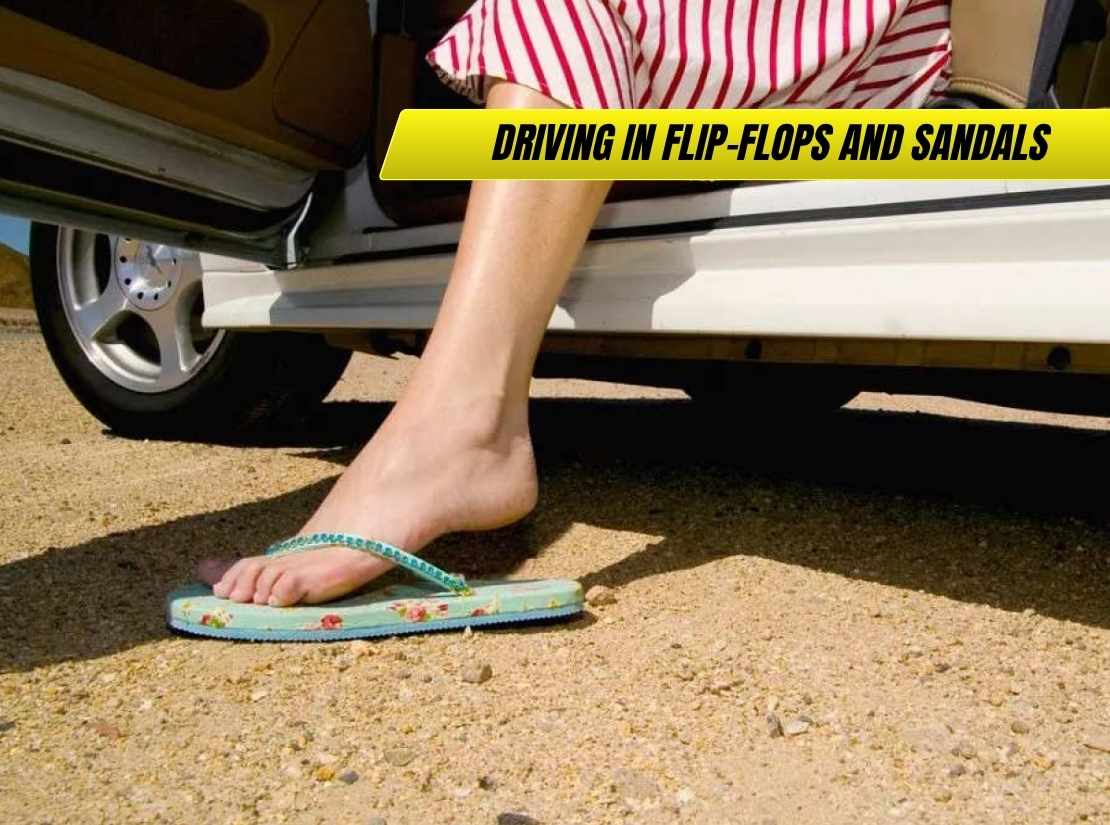
Is driving in flip-flops illegal in the UK? Complete guide to footwear laws, insurance implications, safety risks and what constitutes appropriate driving shoes.
The annual British summer debate about driving footwear resurfaces every year as temperatures rise and drivers reach for comfortable sandals, flip-flops, and summer shoes that may compromise pedal control. According to our analysis at AutoHit, confusion about UK footwear laws leads many drivers to make assumptions about what’s legal versus what’s safe, with potentially serious consequences for both safety and insurance coverage.
Recent data from UK insurers shows that inappropriate footwear contributes to approximately 1,600 accidents annually, though the true figure may be higher as footwear is rarely recorded unless specifically investigated. We’ve examined the current legal framework, insurance implications, and practical safety considerations that every British driver should understand when choosing appropriate driving footwear.
The challenge lies in understanding that while no specific law prohibits driving in flip-flops or barefoot, the broader legal framework around dangerous driving and due care creates genuine liability risks. Understanding what constitutes appropriate driving footwear, the insurance implications of poor choices, and practical solutions for summer driving has become essential knowledge for navigating both legal requirements and safety responsibilities.
Key Highlights: UK Driving Footwear Facts
• No specific law prohibits driving in flip-flops, sandals, or barefoot in the UK • Dangerous driving charges possibleif inappropriate footwear contributes to accidents • Insurance claims may be rejected for accidents involving unsuitable footwear • £5,000+ fines possible under careless or dangerous driving legislation • Practical safety risksinclude pedal slippage, reduced reaction times, and compromised control • Simple solutions exist through appropriate footwear choices and preparation
Understanding UK Footwear Driving Laws
Legal Framework and Highway Code Requirements
The UK’s approach to driving footwear regulation differs from specific prohibitions, instead relying on broader legal principles about driver responsibility and vehicle control that create genuine liability for inappropriate choices.
No Specific Footwear Laws: Unlike some countries that explicitly prohibit certain types of driving footwear, the UK Highway Code and Road Traffic Act contain no specific restrictions on sandals, flip-flops, or barefoot driving. This absence of specific legislation often leads drivers to assume any footwear choice is legally acceptable.
Broader Legal Obligations: However, several fundamental legal requirements create potential liability for drivers whose footwear choices compromise vehicle control:
- Highway Code Rule 97: “You should ensure clothing and footwear do not prevent you using the controls in the correct manner”
- Road Traffic Act 1988 Section 2: Dangerous driving legislation covering situations where driving falls far below competent standards
- Road Traffic Act 1988 Section 3: Careless driving provisions for driving without due care and attention
Due Care and Attention Standard: The legal standard requires drivers to maintain proper control of their vehicle at all times. Footwear that compromises pedal operation, causes slippage, or delays emergency responses may constitute a breach of this fundamental obligation.
From a UK perspective, this creates interesting questions about personal responsibility versus specific regulation. The law assumes drivers will make sensible choices about vehicle control factors, including appropriate footwear.
Dangerous vs Careless Driving Implications
When inappropriate footwear contributes to accidents, UK courts can consider this factor under existing dangerous or careless driving legislation, with serious consequences for both criminal liability and insurance coverage.
Dangerous Driving Criteria: Driving becomes “dangerous” when it falls far below the standard expected of a competent driver and would be obvious to such a driver that driving in that way would be dangerous. Footwear that significantly compromises pedal control could meet this threshold, particularly in emergency situations.
Careless Driving Assessment: The lower threshold of careless driving applies when driving falls below the standard expected of a careful and competent driver. Inappropriate footwear that contributes to minor accidents or compromises normal vehicle control may constitute careless driving.
Penalty Structure:
- Careless driving: £100 fixed penalty and 3 points, or up to £5,000 fine and 9 points if contested
- Dangerous driving: Unlimited fine, up to 6 months imprisonment, and mandatory disqualification
- Causing death by dangerous driving: Up to 14 years imprisonment for fatal accidents
Evidence and Investigation: Police investigating accidents routinely note driver footwear, particularly when pedal error or delayed braking appears to contribute to incidents. This evidence can support dangerous or careless driving charges even when no specific footwear law exists.
Insurance Implications and Coverage Risks
Claim Rejection and Liability Issues
UK car insurance policies contain broad exclusions for claims arising from driver negligence or failure to take reasonable care, creating genuine risks for drivers whose inappropriate footwear contributes to accidents.
Policy Exclusion Clauses: Most comprehensive car insurance policies exclude coverage for accidents resulting from driver negligence or failure to maintain proper vehicle control. While inappropriate footwear alone rarely voids coverage, it can support insurer arguments about contributory negligence.
Contributory Negligence Assessment: Insurance companies may argue that driving in unsuitable footwear constitutes contributory negligence, potentially reducing claim payouts by 10-50% depending on circumstances. Complete claim rejection remains rare but possible in extreme cases involving obviously inappropriate footwear choices.
Investigation Procedures: Insurance assessors routinely investigate accident circumstances, including driver preparation and vehicle control factors. Footwear inappropriate for safe driving may support arguments about inadequate preparation or poor decision-making contributing to accidents.
Third-Party Claims: Even if your insurer covers your own damages, third-party claims against you may succeed if inappropriate footwear contributed to accidents affecting other vehicles or pedestrians. This could result in personal liability exceeding policy limits.
Subrogation and Recovery Actions
Insurance companies may pursue subrogation claims against drivers whose inappropriate footwear contributed to accidents, seeking to recover payouts through legal action based on negligence or breach of duty.
Subrogation Process: After paying third-party claims, insurers may investigate whether policyholder negligence contributed to accidents. Inappropriate footwear that compromised vehicle control can support subrogation claims seeking to recover payouts from negligent drivers.
Legal Precedent Concerns: While specific case law about driving footwear remains limited, broader negligence principles apply when driver choices compromise safety. Courts have supported insurer subrogation claims for various forms of driver negligence affecting vehicle control.
Financial Consequences: Successful subrogation claims can result in drivers repaying substantial insurance payouts, potentially reaching tens of thousands of pounds for serious accidents. These amounts typically exceed most drivers’ financial capacity, creating long-term liability issues.
Safety Risks and Practical Considerations
Pedal Control and Emergency Response
The physical mechanics of operating vehicle pedals with inappropriate footwear create genuine safety risks that extend beyond legal and insurance considerations to fundamental accident prevention.
Flip-Flop Specific Risks:
- Pedal jamming: Loose footwear can slip under pedals, preventing proper operation
- Strap entanglement: Toe straps may catch on pedal edges during emergency braking
- Reduced pedal feel: Thick soles compromise sensitivity for precise throttle and brake control
- Slippage risks: Smooth soles may slip off pedals during rapid movements
- Delayed response: Time lost repositioning footwear during emergency situations
Barefoot Driving Concerns: While barefoot driving provides good pedal sensitivity, it creates different risks:
- Reduced force application: Difficulty applying maximum brake pressure without shoe protection
- Temperature sensitivity: Hot or cold pedals affecting comfort and control
- Sharp edge risks: Potential injury from pedal edges during extreme situations
- Moisture effects: Wet feet creating slippery contact with pedals
High-Heel Complications: High heels present particular challenges:
- Heel catching: Risk of heels catching in floor mats or pedal mechanisms
- Unstable contact: Reduced contact area affecting pressure application
- Ankle mobility: Limited ankle movement compromising smooth pedal operation
Our verdict after examining accident data suggests that appropriate footwear significantly improves emergency response capability and overall driving safety.
Reaction Time and Precision Impact
Research into driving footwear effects demonstrates measurable impacts on reaction times and pedal precision that can affect accident avoidance and overall driving safety.
Reaction Time Studies: Independent testing shows inappropriate footwear can increase emergency braking reaction times by 0.1-0.3 seconds – potentially adding 3-9 metres to stopping distances at 60mph. While seemingly small, these differences prove critical during emergency situations.
Pedal Precision Effects: Proper driving shoes enable more precise throttle control for smooth acceleration, fuel efficiency, and vehicle stability. Inappropriate footwear often leads to jerky pedal inputs that can affect vehicle balance and passenger comfort.
Fatigue Considerations: Inappropriate footwear can increase driver fatigue through compensation efforts to maintain pedal control. This secondary effect may compound safety risks during longer journeys or challenging driving conditions.
Weather and Seasonal Factors: Summer conditions that encourage inappropriate footwear often coincide with increased holiday traffic, unfamiliar routes, and longer journey times that amplify the risks associated with compromised pedal control.
Appropriate Driving Footwear Guidelines
Recommended Footwear Characteristics
Understanding what constitutes appropriate driving footwear helps drivers make informed choices that balance comfort, safety, and legal compliance.
Ideal Driving Shoe Features:
- Secure attachment: Shoes that stay firmly attached to feet during all movements
- Appropriate sole thickness: 10-15mm maximum to maintain pedal sensitivity
- Non-slip soles: Textured materials providing reliable pedal contact
- Ankle support: Adequate support for precise pedal control without restriction
- Breathable materials: Comfort during extended driving periods
Acceptable Compromise Options:
- Closed-back sandals: Sandals with heel straps preventing slippage
- Driving shoes: Purpose-designed footwear optimising pedal control
- Lightweight trainers: Flexible shoes with good pedal sensitivity
- Boat shoes: Low-profile shoes with non-slip soles
- Ballet flats: Minimal footwear maintaining pedal feel (with reservations about emergency braking force)
Definitely Avoid:
- Flip-flops and thongs: Any footwear that can detach easily
- High heels over 4cm: Footwear that affects ankle mobility
- Platform shoes: Thick soles reducing pedal sensitivity
- Loose clogs: Footwear that doesn’t secure to feet
- Heavy boots: Footwear that restricts ankle movement
Seasonal Strategies and Solutions
British weather patterns create specific challenges for maintaining appropriate driving footwear throughout the year while accommodating comfort and social requirements.
Summer Driving Solutions:
- Keep driving shoes in car: Change footwear before driving and after parking
- Choose appropriate sandals: Invest in closed-back sandals suitable for driving
- Plan outfit changes: Consider driving requirements when choosing daily footwear
- Use flip-flop alternatives: Select summer footwear compatible with driving needs
Holiday and Beach Considerations: Beach holidays often create the strongest temptation to drive in inappropriate footwear. Simple preparation eliminates risks:
- Pack driving shoes: Include appropriate footwear in beach bags
- Change before driving: Take time to change footwear before departing
- Consider walking distance: Factor footwear requirements into parking decisions
Professional and Social Events: Formal occasions requiring specific footwear need planning to maintain driving safety:
- Bring alternative shoes: Carry appropriate driving footwear for journey home
- Plan transportation: Consider alternatives when outfit requirements conflict with driving safety
- Change systematically: Develop routines for footwear changes before driving
Regional and Seasonal Enforcement Patterns
Police Enforcement Approaches
UK police forces maintain varying approaches to footwear-related driving enforcement, though most focus on education rather than prosecution unless accidents occur.
Traffic Police Priorities: Most forces don’t actively enforce footwear regulations during routine stops, focusing instead on traditional traffic violations and safety campaigns. However, officers may note inappropriate footwear during accident investigations or when other violations occur.
Educational Campaigns: Many police forces include driving footwear in summer safety campaigns, emphasising personal responsibility rather than legal compliance. These campaigns typically coincide with holiday periods when inappropriate footwear use peaks.
Accident Investigation Procedures: Serious accident investigations routinely document driver preparation factors, including footwear. This evidence may support dangerous or careless driving charges when inappropriate footwear appears to contribute to incidents.
Regional Variations: Some areas with high tourist traffic may pay more attention to driving footwear issues, particularly coastal regions during summer months. However, enforcement remains incident-reactive rather than proactive.
Insurance Industry Awareness
The UK insurance industry increasingly recognises inappropriate footwear as a contributing factor in accidents, leading to enhanced investigation procedures and awareness campaigns.
Claim Investigation Evolution: Modern insurance investigations routinely consider driver preparation factors, including footwear appropriateness. Digital photography and detailed scene documentation capture evidence that may affect claim outcomes.
Risk Assessment Development: Some insurers include footwear awareness in risk reduction communications, recognising that education may prevent claims more effectively than post-accident investigation.
Industry Statistics: While precise data remains limited, insurance industry estimates suggest inappropriate footwear contributes to thousands of accidents annually, though this factor often goes unrecorded unless specifically investigated.
Practical Solutions and Prevention
Vehicle Preparation Strategies
Smart vehicle preparation eliminates the need to choose between appropriate footwear and comfort by providing options for different driving situations.
Emergency Footwear Kit: Keep appropriate driving shoes permanently in your vehicle:
- Driving shoes or trainers: Lightweight shoes specifically for driving
- Storage solutions: Shoe bags or boxes protecting interior cleanliness
- Accessibility: Store shoes within easy reach of driver’s seat
- Multiple pairs: Consider different options for various weather conditions
Pedal Modifications: Some drivers invest in pedal modifications improving control with various footwear:
- Pedal covers: Textured covers improving grip and pedal feel
- Extended pedals: Aftermarket pedals accommodating different shoe types
- Non-slip treatments: Special coatings improving pedal surface grip
Journey Planning: Incorporate footwear considerations into journey planning:
- Time allowances: Factor in time for footwear changes before driving
- Route planning: Consider parking proximity to destinations when wearing inappropriate footwear
- Weather assessment: Plan appropriate footwear for expected conditions
Technology and Modern Solutions
Emerging vehicle technologies may eventually reduce the importance of driving footwear, though current vehicles still require traditional pedal operation skills.
Pedal Technology Evolution: Some modern vehicles incorporate enhanced pedal designs with improved grip surfaces and ergonomic positioning that work better with various footwear types. However, these improvements don’t eliminate the need for appropriate footwear choices.
Driver Assistance Systems: Advanced emergency braking systems can compensate for some delayed driver responses, though they’re designed as backup systems rather than substitutes for proper vehicle control.
Future Autonomous Development: Eventually, autonomous vehicles may eliminate driver footwear considerations entirely. However, current vehicles with any manual control requirements still need appropriate footwear for safety.
Legal Precedents and Case Studies
Court Decisions and Precedent Setting
While specific court cases involving driving footwear remain rare, broader negligence law provides precedents that could apply to inappropriate footwear situations.
Negligence Legal Principles: UK courts apply standard negligence tests to driving situations, considering whether reasonable drivers would recognise risks and take appropriate precautions. Inappropriate footwear that obviously compromises vehicle control may meet negligence thresholds.
Contributory Negligence Applications: Courts regularly reduce damage awards when plaintiff negligence contributes to accidents. Inappropriate footwear that compromises emergency responses could support contributory negligence findings.
Professional Driver Standards: Commercial drivers face enhanced duty of care standards that explicitly include vehicle preparation factors. Inappropriate footwear may more easily support negligence claims against professional drivers.
International Comparisons and Lessons
Examining international approaches to driving footwear regulation provides context for UK policy and highlights different regulatory philosophies.
European Variations:
- Spain: Specific fines (up to €200) for driving in inappropriate footwear
- Germany: No specific laws but strict interpretation of due care requirements
- France: Footwear included in general driver preparation obligations
- Netherlands: Educational focus rather than enforcement approach
Common Law Jurisdictions: Countries with similar legal systems to the UK generally rely on broader negligence principles rather than specific footwear regulations, though enforcement approaches vary significantly.
Emerging Trends: Some jurisdictions are developing specific footwear regulations in response to accident data, though the trend favours education and awareness over prohibition.
Frequently Asked Questions
Is it illegal to drive in flip-flops in the UK?
No, there’s no specific UK law prohibiting driving in flip-flops or any particular type of footwear. However, Highway Code Rule 97 states that clothing and footwear shouldn’t prevent proper control of your vehicle. If inappropriate footwear contributes to an accident, you could face charges for careless or dangerous driving, with fines up to £5,000 and potential disqualification. The safest approach is to wear appropriate closed shoes that stay securely on your feet.
Can my insurance refuse to pay if I crash while wearing inappropriate footwear?
While complete claim rejection is rare, insurers may reduce payouts for contributory negligence if inappropriate footwear contributed to an accident. They could argue that wearing flip-flops or driving barefoot shows failure to take reasonable care. In serious cases, insurers might pursue subrogation claims against you to recover their costs. Always check your policy terms, but appropriate footwear provides the best protection against claim complications.
What’s the safest footwear for driving in the UK?
The safest driving footwear has thin, flexible soles (10-15mm maximum), stays securely attached to your feet, and provides good pedal sensitivity. Ideal options include lightweight trainers, driving shoes, or closed-back sandals. Avoid flip-flops, high heels over 4cm, platform shoes, or anything that can slip off easily. Many drivers keep a pair of appropriate driving shoes in their car for convenience.
Can police stop me specifically for wearing inappropriate footwear while driving?
Police rarely stop drivers specifically for footwear violations since there’s no specific law to enforce. However, they may note inappropriate footwear during other stops or accident investigations. If your footwear contributes to poor driving, you could face careless driving charges. Police typically focus on education rather than prosecution unless accidents occur, but wearing appropriate footwear eliminates any potential issues.
Is driving barefoot safer than wearing flip-flops?
Many experts consider driving barefoot safer than wearing flip-flops, as there’s no risk of footwear slipping off or getting caught under pedals. Barefoot driving provides good pedal sensitivity and eliminates slippage risks. However, you might struggle to apply maximum force during emergency braking, and hot or cold pedals can be uncomfortable. The safest option remains appropriate closed shoes that provide both security and protection.
What should I do if I need to drive but only have inappropriate footwear?
If you must drive wearing inappropriate footwear, drive extra cautiously and consider keeping appropriate shoes in your car for future situations. Remove loose footwear like flip-flops rather than risking them slipping under pedals – driving barefoot is generally safer. For high heels, consider removing them for better pedal control. Plan ahead by keeping driving shoes in your car, especially during summer months or for special occasions requiring specific footwear.
Could driving instructors or test centres fail me for inappropriate footwear?
Yes, driving instructors and test centres prioritise safety and proper vehicle control. Wearing inappropriate footwear during lessons or tests could result in lesson termination or test failure, as it demonstrates poor preparation and potential safety risks. DVSA examiners expect candidates to demonstrate proper vehicle control, which includes wearing appropriate footwear. Always wear closed, secure shoes for driving lessons and tests to avoid any complications.
Conclusion: Balancing Comfort, Safety and Legal Compliance
The absence of specific UK laws prohibiting driving in flip-flops or inappropriate footwear doesn’t eliminate the genuine safety risks and potential legal consequences that poor footwear choices create. Understanding the broader legal framework around due care and attention, combined with practical safety considerations, should guide every driver’s footwear decisions.
Our Bottom Line: While you won’t receive a specific fine for wearing flip-flops while driving, the potential consequences of accidents caused by inappropriate footwear far outweigh any convenience benefits. Simple preparation through appropriate footwear choices or keeping driving shoes in your vehicle eliminates unnecessary risks.
The key lies in recognising that driving safety encompasses all aspects of vehicle control, including seemingly minor factors like footwear that can have major consequences during emergency situations. Personal responsibility for maintaining proper vehicle control extends to every preparation decision.
Perfect for the school run and weekend trips to the Cotswolds, maintaining appropriate driving footwear habits ensures family safety while avoiding potential legal and insurance complications. The minimal effort required to wear appropriate shoes or keep alternatives in your vehicle pays substantial dividends in safety and peace of mind.
Looking ahead, while vehicle technology continues advancing toward autonomous operation, current vehicles still require traditional driving skills and appropriate preparation, including sensible footwear choices for safe pedal operation.





