
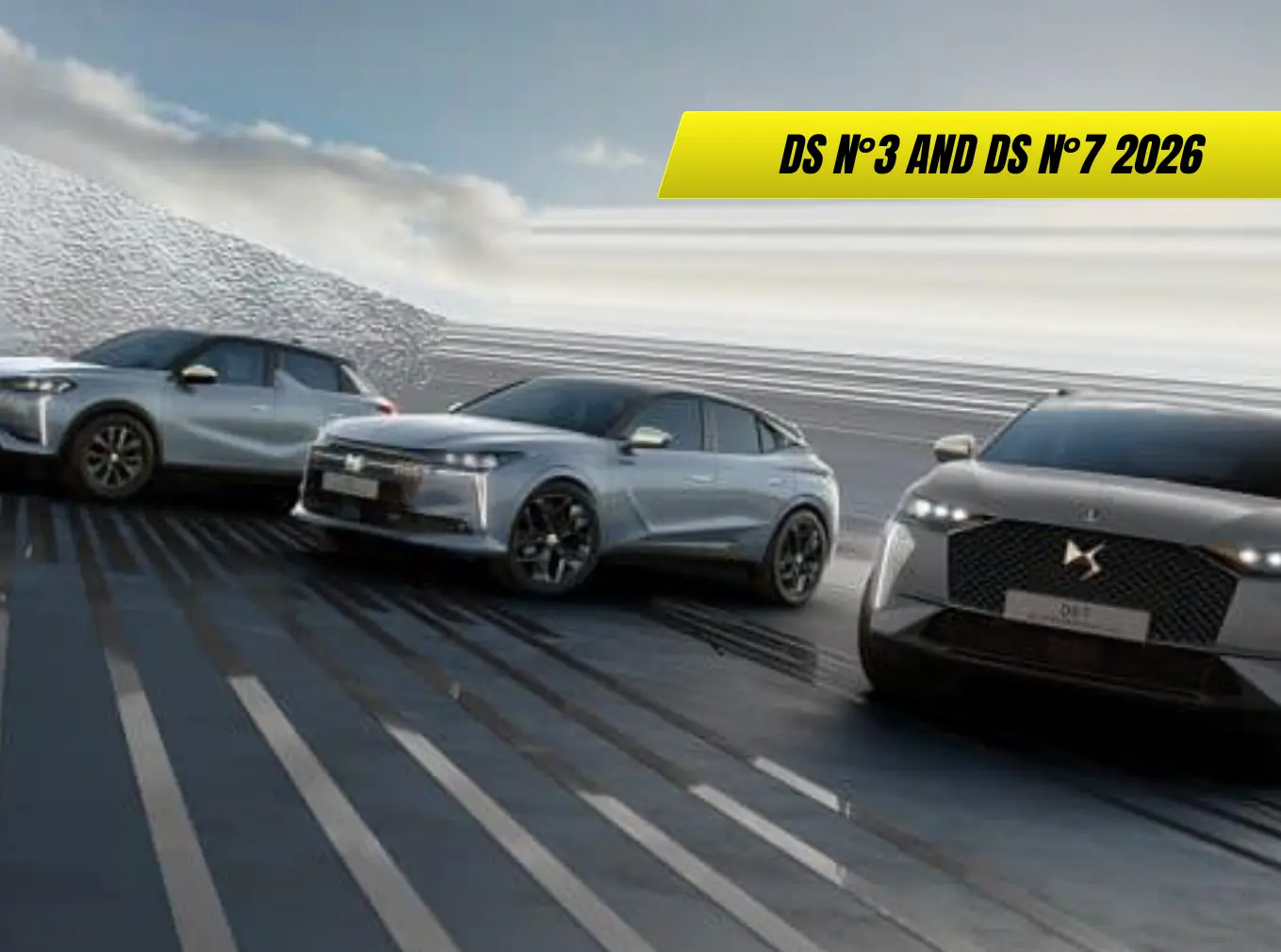
The second-generation DS 7 arrives as a more mature, more luxurious and more technologically ambitious premium SUV — available from £36,760 in the UK with diesel, petrol and plug-in hybrid powertrains and a cabin that rivals the best from Audi and Volvo.
DS Automobiles — Stellantis’s French premium brand — has launched the second-generation DS 7, the most important model update since the nameplate was introduced in 2017. The original DS 7 Crossback established the brand’s premium credentials in the UK but always felt like a work in progress — an aspirational premium SUV that occasionally compromised on refinement and interior quality compared to its German rivals. The second generation addresses those criticisms directly: a substantially revised interior, a more powerful plug-in hybrid system, updated technology and a more assertive exterior identity that reinforces the DS 7’s position as a genuinely premium French alternative to the Audi Q5 and Volvo XC60. For buyers comparing the DS 7 against rivals, our coverage of the all-new Audi Q3 2026 and best SUVs under £40k UK 2025 is essential reading.
DS 7 2026 Second Generation: Key Highlights
- New exterior design: DS Wings front graphic — a more assertive visual identity
- Revised interior: new 16-inch central screen, updated DS IRIS digital assistant
- PHEV flagship: 1.6-litre + electric, 360 hp (E-Tense 4×4 360) — all-wheel drive
- New PHEV mid-range: 225 hp — improved electric-only range of approximately 75 km (47 miles)
- UK prices: from £36,760 (diesel) to approximately £57,580 (E-Tense 360 Rivoli)
- Available powertrains: 1.5 BlueHDi diesel, 1.2 PureTech petrol, 1.6 E-Tense PHEV (225 hp and 360 hp)
- DS Active Scan Suspension — camera-reads road ahead and pre-adjusts dampers
- Boot: 555 litres — unchanged and competitive for the class
- Available to order in UK now — deliveries underway
Release Date: On Sale Now in the UK
The second-generation DS 7 is available to order and configure now through DS Automobiles UK’s network of DS Stores and authorised dealers. UK deliveries are already underway, with first customer cars arriving in Q1 2026. Configure your DS 7 via the official DS Automobiles UK website.
Price: From £36,760 — Where Does the DS 7 Sit?
The DS 7 second generation’s UK pricing represents a modest increase over the outgoing model — reflecting the additional technology and revised specification across the range:
| Variant | Powertrain | Power | CO2 | UK Price (from) |
|---|---|---|---|---|
| DS 7 Elegance | 1.5 BlueHDi diesel | 131 hp | 121 g/km | £36,760 |
| DS 7 Opera | 1.2 PureTech petrol | 225 hp | 130 g/km | £45,650 |
| DS 7 Etoile | 1.6 E-Tense PHEV | 225 hp | <40 g/km | £52,860 |
| DS 7 Rivoli E-Tense 4×4 360 | 1.6 E-Tense PHEV | 360 hp | <35 g/km | £57,580 |
From my point of view, the E-Tense 225 Etoile at £52,860 represents the most commercially rational choice for UK buyers — the PHEV’s sub-40g/km CO2 qualifies it for the 9% Benefit-in-Kind band, making it substantially more cost-effective for company car drivers than the diesel. The 360 hp four-wheel-drive variant is the emotional choice, but the 225 hp covers virtually every real-world performance requirement.
Exterior: DS Wings and a Stronger Identity
The second-generation DS 7’s most immediately recognisable exterior change is the new DS Wings front graphic — a wide, horizontal chrome element spanning the full width of the front end, integrating the DS logo at its centre and connecting visually to the revised headlight clusters on either side. This replaces the more conventional grille arrangement of the outgoing car with something distinctly more jewellery-inspired — a design language borrowed directly from the DS 9 saloon.
Additional exterior changes:
- Revised LED headlight clusters — more intricate internal lighting architecture
- New 19 and 20-inch alloy wheel designs across the range
- Revised front and rear bumpers — cleaner lower sections, improved aerodynamic efficiency
- New paint finishes — including a bespoke Perla Nera Black pearlescent colour exclusive to DS 7
The overall silhouette is evolutionary — the DS 7 retains its flowing roofline, muscular rear haunches and distinctive waistline. The changes are concentrated at the front and rear, creating a fresher appearance without losing the visual identity that loyal DS customers recognise.
Interior: The Most Significant Upgrade
The interior is where the second-generation DS 7 makes its strongest case for premium status. The key changes:
New 16-inch central touchscreen: A significant upgrade from the previous 12-inch unit, the new screen uses the latest Stellantis infotainment software — with faster processing, improved logic and natural language voice recognition. The screen resolution and response speed now match the benchmark set by Audi’s MMI and Volvo’s Google-based system.
DS IRIS Digital Assistant: The second generation’s voice-operated assistant uses an updated AI engine capable of understanding natural conversational commands — adjusting climate, navigation, audio and vehicle settings without requiring specific trigger phrases.
Revised DS Inspiration cabin materials: The DS 7’s interior has always been its strongest suit — unique materials, French craftsmanship and distinctive pattern-embossed surfaces that no German rival replicates. The second generation raises the bar further with:
- New Bastille grain leather upholstery — a distinctive diamond-pattern texture available in new colourways
- Authentic wood inlays — real walnut veneer replaces the simulated wood of the entry-level trims
- Illuminated door sills with DS logo projection
- Fragrance diffuser system — DS-exclusive interior scent option, integrated into the climate control
DS Active Scan Suspension: Available on all PHEV variants, this system uses a forward-facing camera to read the road surface ahead and pre-adjust the variable-rate dampers before the wheel reaches the surface irregularity — resulting in a ride quality that DS claims is comparable to the best air suspension systems at a lower weight penalty.
Powertrains: PHEV First, Diesel for Pragmatists
1.6-litre E-Tense PHEV — 225 hp and 360 hp
The PHEV system pairs a 1.6-litre turbocharged petrol engine with one (225 hp, FWD) or two (360 hp, AWD) electric motors and an improved 14.2 kWh battery — delivering an electric-only range of approximately 75 km (47 miles) in the WLTP cycle. In real-world UK driving, 45–55 miles of pure electric range is realistic. The 225 hp system achieves 0–62 mph in 8.9 seconds; the 360 hp AWD variant dispatches the same sprint in 5.6 seconds.
For UK company car drivers, the PHEV’s sub-40g/km CO2 rating translates to significant BiK savings — a company car driver paying 40% tax choosing the E-Tense 225 over the diesel saves approximately £2,200 per year in tax at current rates.
1.5 BlueHDi Diesel
The entry-level diesel remains in the range for buyers with primarily motorway-focused usage profiles — delivering approximately 50–55 MPG in real-world conditions with a realistic range of over 600 miles on a single tank. At £36,760, it is the most accessible DS 7 entry point and continues to represent a compelling choice for high-mileage private buyers for whom the PHEV’s additional cost is not justified.
DS 7 vs. Premium SUV Rivals
| Model | PHEV Range | 0–62 mph | Boot (L) | UK PHEV Price (from) |
|---|---|---|---|---|
| DS 7 E-Tense 225 | ~47 miles | 8.9 sec | 555 | £52,860 |
| Audi Q5 55 TFSI e | 38 miles | 6.3 sec | 520 | £54,240 |
| Volvo XC60 T8 Recharge | 35 miles | 4.7 sec | 505 | £58,990 |
| BMW X3 xDrive30e | 37 miles | 6.1 sec | 570 | £55,070 |
| Peugeot 3008 PHEV | 50 miles | 7.1 sec | 520 | £46,870 |
FAQ
How much does the DS 7 2026 second generation cost?
From £36,760 for the BlueHDi diesel Elegance — rising to £57,580 for the E-Tense 4×4 360 Rivoli.
What powertrains are available on the DS 7 2026?
Three options: 1.5 BlueHDi diesel, 1.2 PureTech petrol and 1.6 E-Tense PHEV in 225 hp (FWD) and 360 hp (AWD) configurations.
What is the DS 7 electric range in PHEV form?
Approximately 47 miles (75 km) WLTP — or 40–50 miles in realistic UK driving conditions.
What is DS Active Scan Suspension?
A camera-based adaptive suspension system that reads the road ahead and pre-adjusts the dampers before each wheel reaches a surface irregularity — delivering a notably smoother ride than reactive systems.
Is the DS 7 2026 a good company car?
Excellent — the PHEV’s sub-40g/km CO2 qualifies for the 9% Benefit-in-Kind band, providing substantial tax savings versus diesel or petrol alternatives.
How big is the DS 7 2026 boot?
555 litres — unchanged from the outgoing model and not reduced on PHEV variants, giving the DS 7 a competitive advantage over some rivals whose PHEV batteries compromise boot space.
Is the DS 7 better than the Audi Q5?
In terms of interior distinctiveness and French character, yes. The Audi Q5 counters with a broader powertrain range, stronger residual values and a more established UK dealer network. For buyers who want something genuinely different from the German norm, the DS 7 is the more interesting choice.
Conclusion
The second-generation DS 7 is the most convincing version of the car yet — a genuinely premium French SUV that now competes with the Audi Q5 and Volvo XC60 on technology and interior quality while maintaining the distinctive character that differentiates it from every German rival. The E-Tense 225 is the recommended choice for UK buyers — the 47-mile electric range, the sub-40g/km CO2 and the DS 7’s exceptional interior make it one of the most underrated company car choices in the premium SUV segment. I would recommend a test drive immediately.





