
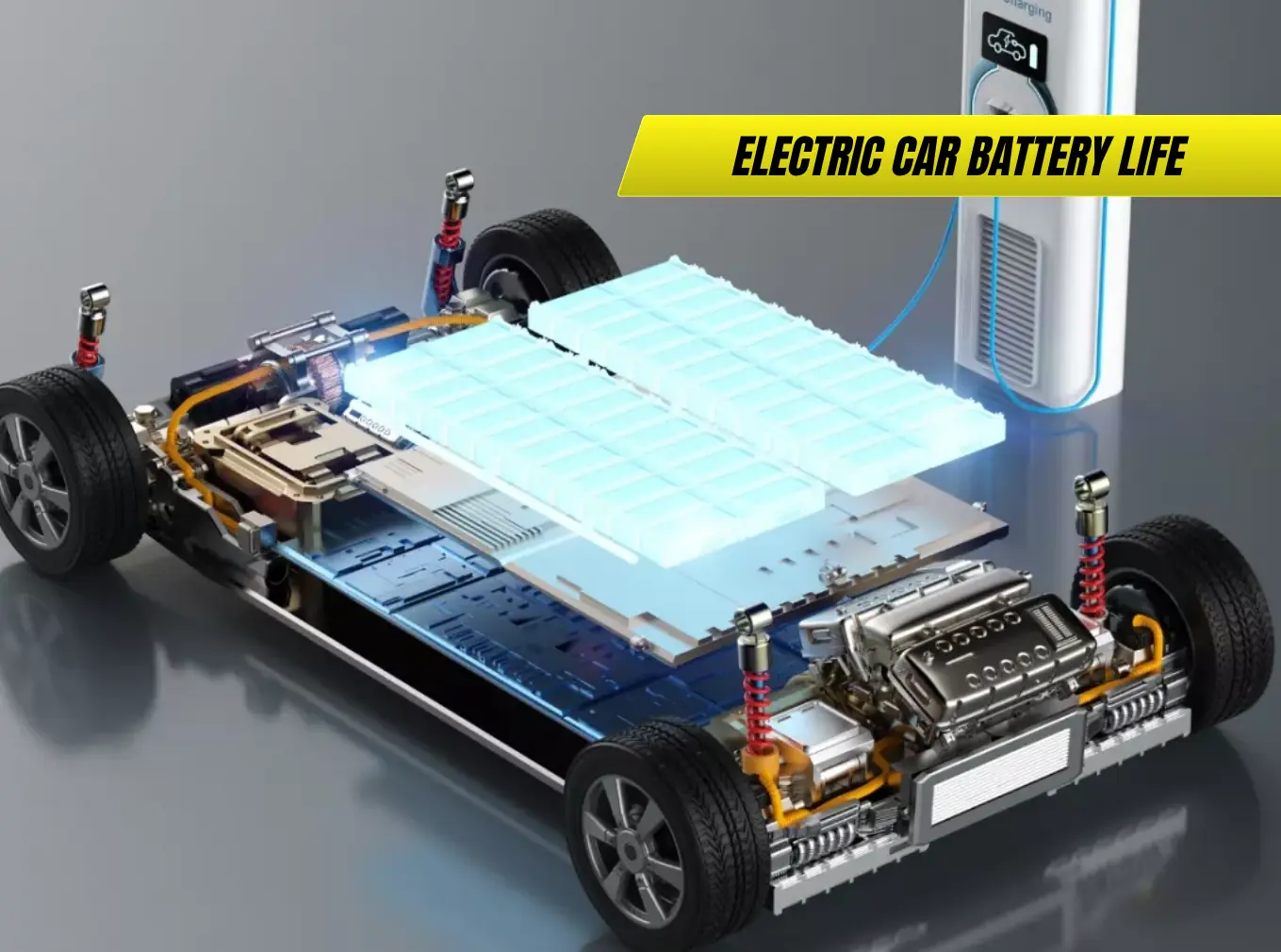
Battery performance remains the single most important factor in the value and usability of an electric car. In 2025, improvements in lithium-ion chemistry, thermal management, and warranty coverage have made degradation slower and ownership more predictable. This guide explains how long EV batteries last in the UK climate, how much replacements cost, and how to extend their lifespan through smart charging habits.
Key Points
- Modern EV batteries last 10–15 years or 150,000–200,000 miles.
- Capacity loss averages 1–2% per year with proper care.
- Full replacements cost £4,000–£10,000, but most are covered by warranty.
- Slow and partial charging greatly extends lifespan.
- Extreme heat, rapid DC charging, and constant 100% charge shorten durability.
How Long Do EV Batteries Last in 2025?
Data from Thatcham Research and SMMT show that UK electric vehicles built after 2021 retain over 90% capacity after 8 years.
Manufacturers now design packs to outlive the vehicle’s expected lifespan.
| Model | Battery Type | Warranty | Reported Degradation (8 years) |
|---|---|---|---|
| Tesla Model 3 | Lithium-ion NCA | 8 yrs / 120k miles | 8–10% |
| Hyundai Ioniq 5 | Lithium-ion NMC | 8 yrs / 100k miles | 6–9% |
| Nissan Leaf (2024) | Lithium-ion LFP | 8 yrs / 100k miles | 10–12% |
| MG4 EV | Lithium-iron-phosphate (LFP) | 7 yrs / 80k miles | 5–7% |
In my experience, UK conditions — moderate temperatures and short journeys — are relatively kind to battery chemistry.
Factors Affecting Battery Degradation
- Charging habits – Avoid frequent rapid (DC) charging; use home AC charging when possible.
- State of charge – Keep the battery between 20% and 80%.
- Temperature – Lithium cells degrade faster above 30°C or below 0°C.
- Driving style – Heavy acceleration and braking cycles increase heat and wear.
- Software updates – Many EVs now use battery management systems (BMS) to balance cells automatically.
Replacement Costs and Warranty Coverage
Battery replacement is rare but costly without warranty.
| Vehicle | Approx. Replacement Cost | Labour | Warranty |
|---|---|---|---|
| Nissan Leaf (40 kWh) | £4,500–£5,000 | £500 | 8 yrs / 100k miles |
| Tesla Model Y | £8,000–£9,000 | £700 | 8 yrs / 120k miles |
| Kia EV6 | £6,500–£8,000 | £600 | 7 yrs / 100k miles |
| VW ID.4 | £7,000–£9,500 | £650 | 8 yrs / 100k miles |
Under UK law, all EVs must include a minimum 8-year battery warranty.
Most replacements today occur due to physical damage, not age-related wear.
No products found.
Second-Life and Recycling Programmes
Replaced EV batteries rarely go to waste.
Manufacturers repurpose packs for home energy storage or grid balancing.
- Renault “Re-Factory” in Flins refurbishes used Zoe batteries.
- Nissan Energy converts Leaf packs into household storage.
- BMW and Stellantis partner with UK recyclers to recover lithium and cobalt.
By 2027, over 95% of EV batteries sold in the UK will be fully recyclable under new EU and DEFRA regulations.
Everyday Battery Maintenance Tips
| Action | Effect | Frequency |
|---|---|---|
| Keep charge between 20–80% | Reduces stress | Always |
| Limit DC fast charging | Slows degradation | Weekly or less |
| Avoid full charges overnight | Prevents overheat | Regularly |
| Use pre-conditioning before trips | Improves efficiency | In cold weather |
| Store at 50% charge for long parking | Preserves cells | If idle >7 days |
Following these steps can extend usable capacity by 15–25% over time.
Charging Infrastructure and Grid Impact (2025)
The UK now counts more than 65,000 public charge points, including 10,000+ rapid chargers.
Smart charging tariffs such as Octopus Go and British Gas EV Saver encourage off-peak use (0.10–0.14 £/kWh overnight).
Many home chargers (Pod Point, Ohme, Wallbox) now feature battery health modes, limiting charge to 80% automatically.
Cold-Weather Performance
Lithium-ion efficiency drops by 10–20% below 0°C.
Modern EVs mitigate this through:
- Heat pumps for cabin and battery temperature regulation.
- Pre-conditioning via mobile apps before departure.
- Thermal insulation integrated into battery trays.
These measures maintain stability without major lifespan reduction.
Resale Value and Battery Health Checks
Dealers now offer battery health certificates, similar to MOTs, to prove capacity status.
For example:
- Tesla: detailed degradation data via app.
- Nissan: 12-bar capacity meter visible on dashboard.
- Hyundai/Kia: full BMS diagnostic at service centres.
EVs with >90% remaining capacity retain 10–15% higher resale value than degraded ones.
My Experience
From my point of view, battery anxiety is largely outdated.
Modern packs are engineered for endurance; real-world failures are extremely rare.
What matters now is charging discipline and software updates, not chemistry alone.
A driver who follows simple care routines can expect over a decade of solid, reliable performance.
FAQs
How long will my EV battery last in the UK?
Typically 10–15 years or up to 200,000 miles.
Does frequent rapid charging damage batteries?
Yes, it accelerates heat-related wear over time.
Can I replace just one module?
In many models, yes—individual modules can be swapped rather than the full pack.
Do cold winters reduce lifespan?
Not significantly; only temporary range reduction.
Is battery recycling available in the UK?
Yes. All major manufacturers run certified take-back and recycling programmes.
In 2025, EV battery technology has matured enough to remove most ownership doubts.
In my experience, disciplined charging, smart tariffs, and basic awareness of limits allow British drivers to enjoy long, efficient battery life — making electric cars not only sustainable but economically sound investments for the long term.





