
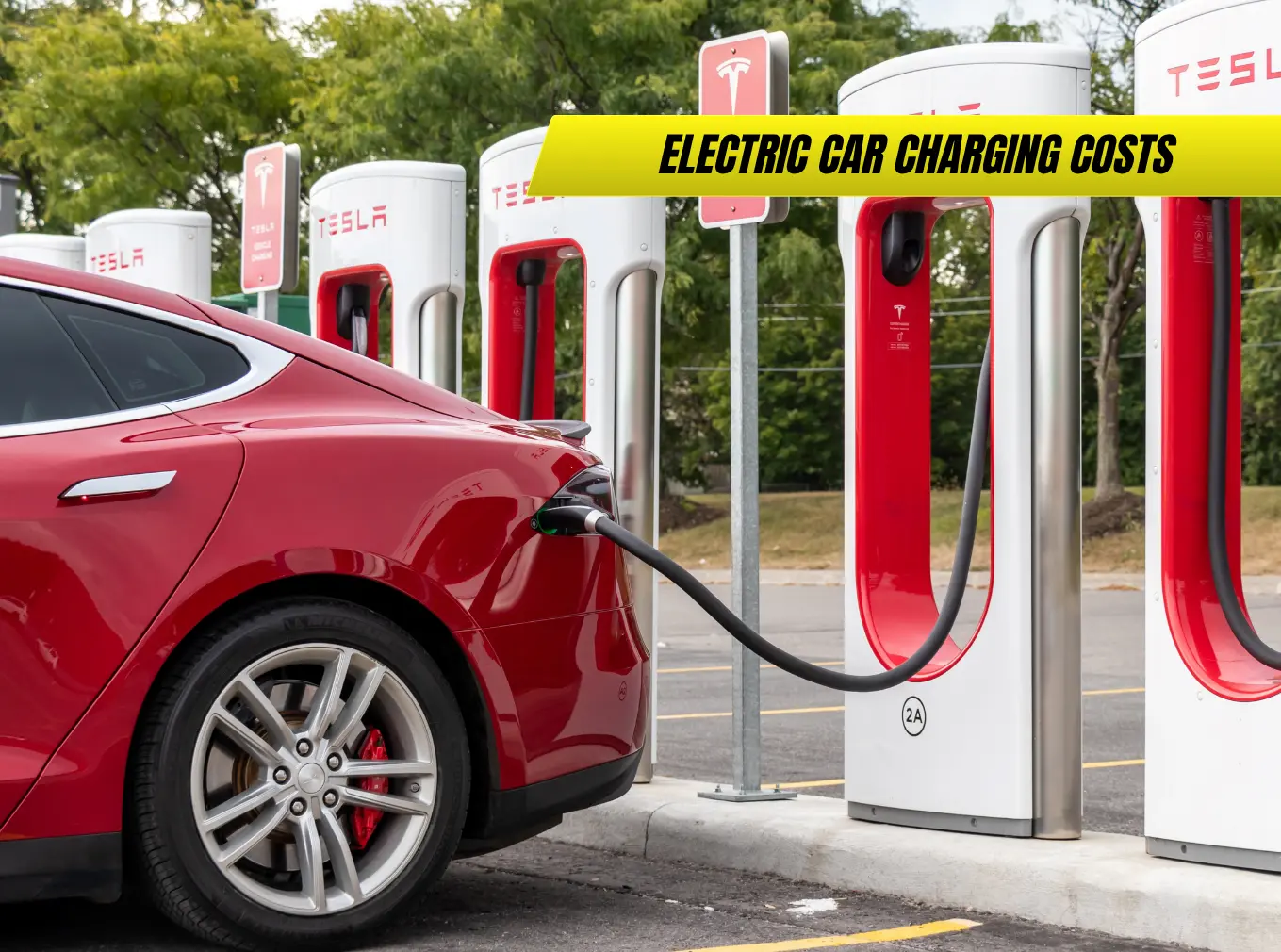
Charging an electric car in the UK has become easier and more affordable thanks to a rapidly growing infrastructure. In 2025, over 65,000 public charge points and improved home tariffs mean that EV drivers can save significantly compared to petrol or diesel owners. This guide explains how much it really costs to charge an electric car, including home, workplace, and motorway rates.
Key Points
- Average home-charging cost: £0.28 per kWh, or about £8–£12 per full charge.
- Public rapid chargers cost £0.55–£0.79 per kWh depending on network and speed.
- Workplace and overnight tariffs remain the cheapest charging options.
- EV owners save around £900–£1,200 per year in fuel costs vs petrol cars.
- Apps like Zap-Map and Octopus Electroverse show live charging prices and availability.
How Charging Costs Are Calculated
Charging costs depend on four main factors:
- Electricity rate (pence per kWh) – varies by supplier and charger type.
- Battery capacity – larger batteries cost more to fill.
- Charging efficiency – typically 90–95%.
- Driving efficiency – average EVs consume 3.5–4.0 miles per kWh.
Example:
A 60 kWh EV charged at £0.28/kWh = £16.80 for 250–260 miles, or about 6p per mile.
Average Charging Costs (2025)
| Location | Power Output | Cost per kWh | Time (0–80%) | Cost (60 kWh car) |
|---|---|---|---|---|
| Home (7 kW wallbox) | 7 kW | £0.28 | 8 hrs | £16.80 |
| Public slow (22 kW) | 22 kW | £0.45 | 3 hrs | £27.00 |
| Rapid DC (50–150 kW) | 50–150 kW | £0.55–£0.69 | 25–40 min | £33.00–£41.00 |
| Ultra-rapid (250–350 kW) | 250–350 kW | £0.65–£0.79 | 18–25 min | £39.00–£47.40 |
| Workplace chargers | 7–22 kW | £0.15–£0.25 | — | £9.00–£15.00 |
Home charging remains the cheapest method, especially with off-peak EV tariffs.
Home Charging: The Cheapest Option
Installing a 7 kW wallbox at home costs £800–£1,200, with grants available through OZEV for renters and flat residents.
Smart chargers like Ohme, Pod Point, and Hypervolt allow scheduled charging to exploit off-peak rates.
| Tariff | Rate (Off-Peak) | Peak | Supplier |
|---|---|---|---|
| Octopus Go | £0.09 | £0.32 | Octopus Energy |
| OVO Charge Anytime | £0.10 | £0.30 | OVO Energy |
| British Gas EV Plan | £0.12 | £0.33 | British Gas |
Charging overnight saves an average EV driver £400–£500 per year.
Public and Motorway Charging
Public networks vary in price based on speed and location.
IONITY, Gridserve, and Tesla Supercharger dominate UK motorways.
| Network | Power | Price/kWh | Notes |
|---|---|---|---|
| IONITY | 350 kW | £0.69 | Ultra-rapid, best for long trips |
| Tesla Supercharger | 250 kW | £0.55 (Tesla) / £0.60 (others) | Widest coverage |
| Gridserve | 150 kW | £0.59 | Service stations nationwide |
| BP Pulse | 50–150 kW | £0.55 | Pay-as-you-go or membership |
| Shell Recharge | 175 kW | £0.65 | Contactless payments supported |
Frequent motorway users can join membership plans to cut rates by 10–20%.
Workplace and Destination Charging
Many companies now offer free or subsidised charging at offices.
Destination chargers (shopping centres, hotels, gyms) often cost £0.25–£0.45/kWh and are ideal for topping up while parked.
In my experience, destination charging covers most daily needs for commuters without home access.
Charging at Flats or Without Driveway
For drivers without off-street parking, the UK government supports local councils installing on-street chargers via the LEVI Fund.
By 2025, over 15,000 lamp-post chargers are available in London, Manchester, and Birmingham.
These typically charge at £0.35–£0.45/kWh, offering reasonable value.
Real-World Example: Annual EV Charging Cost
| Vehicle | Range | Annual Mileage | Cost (Home) | Cost (Public) |
|---|---|---|---|---|
| Kia Niro EV | 285 miles | 10,000 mi | £420 | £750 |
| Tesla Model Y RWD | 283 miles | 10,000 mi | £450 | £780 |
| MG4 EV | 270 miles | 10,000 mi | £400 | £710 |
| Nissan Leaf 62kWh | 239 miles | 10,000 mi | £430 | £740 |
Even if charged entirely at public stations, EVs still cost roughly half as much per mile as petrol cars.
Cost Comparison: Electric vs Petrol
| Type | Energy Price | Cost per 100 miles |
|---|---|---|
| EV (Home Charging) | £0.28/kWh | £6.50 |
| EV (Rapid Charging) | £0.65/kWh | £14.00 |
| Petrol (Avg £1.65/litre) | — | £18.50 |
Charging at home saves roughly £1,200 annually for 10,000 miles.
Smart Charging and Solar Integration
Modern chargers integrate with solar panels and smart tariffs.
You can charge free during daylight hours using home-generated energy.
Battery storage systems (e.g. Tesla Powerwall, GivEnergy) further reduce grid reliance, especially during high-rate hours.
Apps and Tools for Monitoring Costs
- Zap-Map – Nationwide charger locator with live pricing.
- Octopus Electroverse – Single payment access to multiple networks.
- ChargePoint / BP Pulse – Subscription plans for frequent users.
- SmartCharge (EV.Energy) – Tracks cost and CO₂ savings automatically.
These apps help plan journeys efficiently and avoid overpaying.
Factors Affecting Total Cost
- Vehicle efficiency – Smaller EVs like the MG4 consume less energy.
- Driving style – Smooth acceleration saves up to 15% energy.
- Weather – Cold temperatures reduce range by up to 10–15%.
- Tyre pressure and load – Affects rolling resistance and consumption.
Expert Opinion
From my point of view, home charging remains the cornerstone of affordable EV ownership.
The expanding public network ensures that even long-distance drivers can manage costs effectively.
For most UK motorists, an electric car in 2025 delivers fuel-equivalent savings of £900–£1,200 per year, with cleaner, quieter operation and greater predictability than fossil fuels.
FAQs
How much does it cost to charge an electric car at home?
Between £8–£12 for a full 60 kWh charge, depending on tariff.
Are public chargers more expensive?
Yes, typically 2–3x home rates, especially ultra-rapid motorway chargers.
Can I charge at work for free?
Many employers offer free or discounted workplace charging.
How long does home charging take?
About 8 hours for 0–100% using a 7 kW wallbox.
Is night-time charging cheaper?
Yes, off-peak tariffs can cut costs by up to 70%.
By 2025, electric car charging in the UK is cheaper, faster, and more transparent than ever.
In my experience, combining home overnight charging with occasional rapid public top-ups gives the perfect balance between convenience and cost-efficiency for British EV drivers.





