
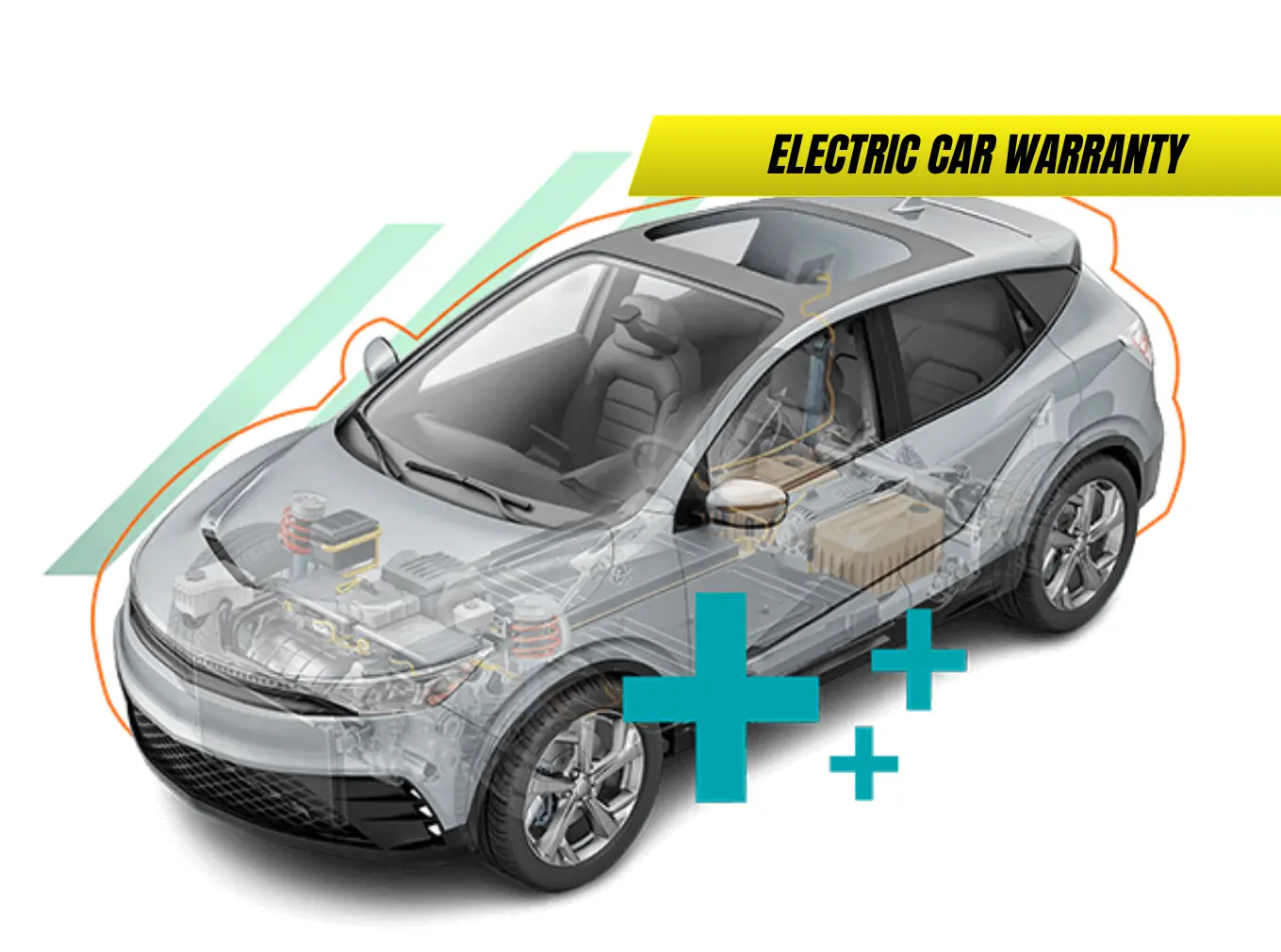
Buying or leasing an electric vehicle in 2025 means navigating warranties that extend far beyond what most petrol cars offer. EVs rely on complex electronics and high-value batteries, so manufacturers have strengthened warranty protection to reassure UK buyers. Understanding how coverage works, what’s included, and how to keep it valid can save owners thousands over the car’s lifetime.
Key Points
- Battery warranties last 7–8 years or up to 100,000–120,000 miles.
- Most new EVs include 3–5 years full vehicle cover.
- Battery degradation beyond 30% loss triggers free repair or replacement.
- Warranties transfer to new owners automatically.
- Regular software and coolant maintenance keep coverage valid.
Standard Warranty Coverage in 2025
All major manufacturers offer two separate warranties:
- General vehicle warranty (mechanical and electrical systems).
- Battery warranty (for degradation or failure).
| Brand | Vehicle Warranty | Battery Warranty | Mileage Limit | Transferable |
|---|---|---|---|---|
| Tesla | 4 years | 8 years | 120,000 miles | Yes |
| Kia | 7 years | 7 years | 100,000 miles | Yes |
| Hyundai | 5 years | 8 years | 100,000 miles | Yes |
| Nissan | 3 years | 8 years | 100,000 miles | Yes |
| BMW | 3 years | 8 years | 100,000 miles | Yes |
| MG | 7 years | 7 years | 80,000 miles | Yes |
| Renault | 5 years | 8 years | 100,000 miles | Conditional (lease battery) |
Battery coverage guarantees at least 70% of original capacity through the warranty period.
If degradation exceeds that, replacement is performed at no cost.
What’s Included in an EV Warranty
- Battery pack and management system (BMS).
- Electric motor and inverter.
- Onboard charger and DC/DC converter.
- High-voltage cables and thermal cooling lines.
- Infotainment and connected systems (for 3–5 years).
Consumables such as tyres, wiper blades, brake pads, and 12V batteries are excluded unless part of a manufacturing defect.
Battery Degradation and Replacement Rules
Most UK manufacturers define battery degradation limits clearly:
| Brand | Minimum Guaranteed Capacity | Trigger for Replacement |
|---|---|---|
| Tesla | 70% | Below 70% within 8 years |
| Hyundai | 75% | Below 75% within 8 years |
| Kia | 70% | Below 70% within 7 years |
| Nissan | 70% | Below 70% within 8 years |
| BMW | 70% | Below 70% within 8 years |
Manufacturers use state-of-health diagnostics to verify warranty claims.
Owners must maintain regular service intervals for the claim to be accepted.
Extended and Dealer Warranties
Many brands now offer optional extended cover after expiry:
| Provider | Duration | Typical Cost | Coverage |
|---|---|---|---|
| Kia Care+ | +3 years | £400–£600 | Full vehicle |
| Hyundai Extended | +2 years | £450 | Battery + electronics |
| Tesla Extended Service | +2 years | £750 | Major components |
| BMW Insured Warranty | Annual | £500+ | Electrical and drivetrain |
Extended warranties can be useful for fleet or high-mileage EVs beyond 100,000 miles.
How to Keep Warranty Valid
- Follow manufacturer service schedule – even minor software updates count as service actions.
- Use authorised or IMI-certified EV technicians.
- Avoid unauthorised modifications (tuning, retrofits, or aftermarket chargers).
- Keep coolant and brake fluid replacements up to date.
- Maintain clear records of charging and software history if warranty work is needed.
Skipping annual checks can void coverage, especially for battery cooling systems.
Battery Leasing and Exceptions
Some older models (e.g., Renault Zoe pre-2021) used battery-leasing contracts.
In such cases:
- The lease company, not the owner, holds battery warranty responsibility.
- Insurance and claims must go through that provider.
- Resale value is lower due to ongoing lease fees.
All 2025 EVs now come with full battery ownership, ending this split system.
What’s Not Covered
- Normal wear and tear (tyres, brakes, 12V battery).
- Damage from external causes (collision, flooding, misuse).
- Improper or unauthorised charging equipment.
- Software damage from unauthorised updates.
- Neglecting recall or firmware campaigns.
Warranty vs Insurance
Warranty covers defects and premature failures, not accidents.
Insurance handles collision, fire, and theft.
However, EV-specific policies often integrate warranty-like benefits for:
- Charging cables and wallbox repair.
- Battery damage due to impact or electrical fault.
- Recovery from out-of-charge breakdowns.
For more on cover types, see Electric Car Insurance UK 2025.
Real-World Example
A 2021 Hyundai Kona Electric owner with 92% battery health after four years requested a warranty check.
Dealer diagnostics confirmed normal wear (expected 2% annual degradation).
Because capacity stayed above the 75% warranty threshold, the claim was declined but service remained free under the five-year plan.
Such outcomes are typical: warranties protect against abnormal degradation, not normal ageing.
My Point of View
From my point of view, EV warranties in 2025 are more comprehensive than any previous generation of car cover.
Battery concerns that once discouraged buyers have been neutralised by long-term guarantees and transparent data reporting.
For private and business users alike, warranty duration now comfortably exceeds the average ownership cycle.
FAQs
How long do EV warranties last in the UK?
Usually 8 years for the battery, 3–7 for the rest of the vehicle.
Does the warranty cover battery degradation?
Yes, if capacity drops below 70–75% during the warranty period.
Can I transfer my EV warranty to a new owner?
Yes. All major UK brands allow full transfer automatically.
Do modifications void the warranty?
Yes. Only manufacturer-approved upgrades are allowed.
Can I extend my EV warranty after expiry?
Yes. Most brands offer 1–3 year extensions for a fee.
In 2025, electric car warranties reflect a mature, confident market.
In my experience, they offer far stronger protection than petrol equivalents—longer coverage, fewer exclusions, and clear rules for battery life that keep ownership predictable and risk-free for British drivers.





