
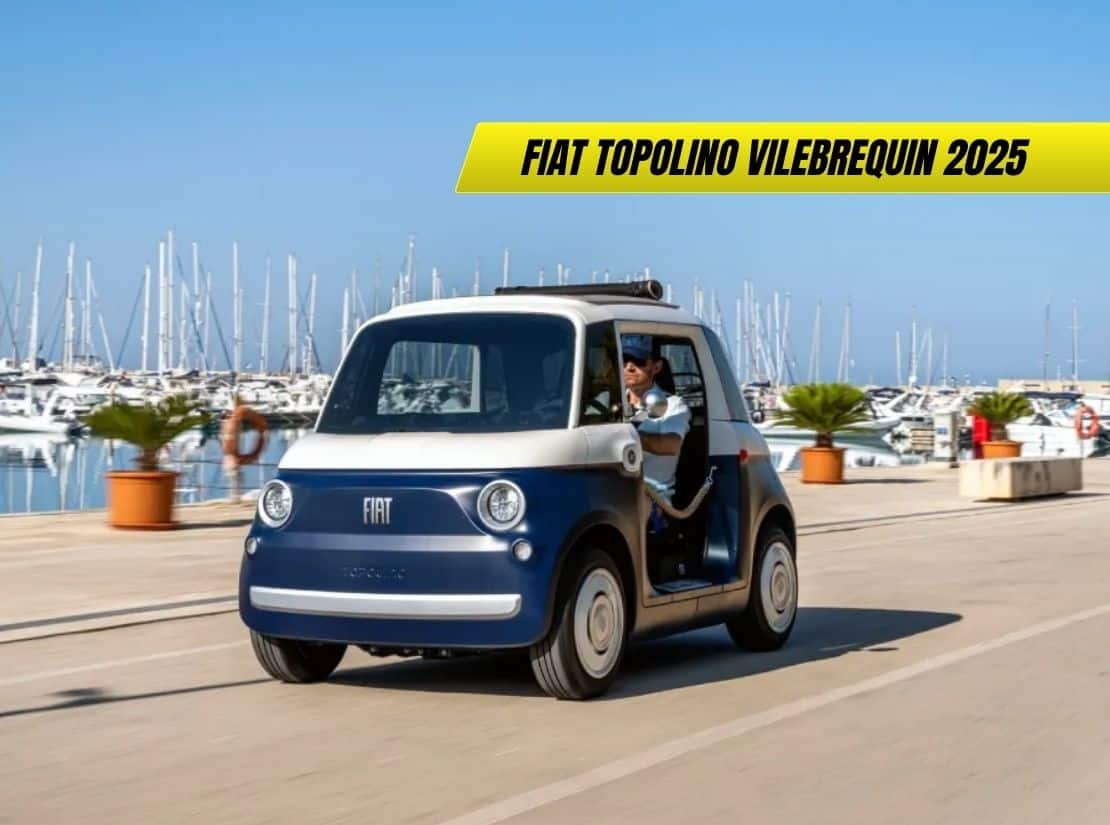
The automotive world occasionally produces collaborations so unexpected, so precisely targeted at specific lifestyles, that they transcend traditional vehicle categories entirely. At AutoHit, we’ve been fascinated by the emergence of the Fiat Topolino Vilebrequin Collector’s Edition – a €13,490 electric quadricycle that costs more than many used cars while offering the performance of a golf cart dressed in French Riviera couture.
This collaboration between Italian micro-mobility and French luxury swimwear represents something entirely new in automotive marketing: a vehicle positioned purely as a lifestyle accessory rather than transport solution. The partnership with Vilebrequin, the prestigious swimwear brand founded by Formula 1 photographer Fred Prysquel in 1971, creates a product that functions more as rolling fashion statement than practical mobility device.
Understanding the Topolino Vilebrequin requires abandoning conventional automotive value metrics. This isn’t about horsepower per pound or practical capability – it’s about projecting a specific image of Mediterranean leisure and sustainable luxury. For UK observers, it provides fascinating insight into how premium positioning can transform even the humblest mobility solutions into desirable lifestyle objects.
Limited to 200 units for Italy and France, this handcrafted collaboration costs €3,600 more than the standard Topolino while offering identical 28mph performance and 46-mile range.
Key Highlights
• Extreme Positioning: €13,490 price point positions this 28mph quadricycle at similar cost to entry-level conventional cars from just a decade ago
• Fashion Collaboration: Partnership with luxury swimwear brand Vilebrequin transforms utilitarian transport into French Riviera lifestyle statement
• Handcrafted Exclusivity: Only 200 units produced, with artisanal finishing in Turin and bespoke nautical-themed interior details
• Integrated Beach Equipment: Built-in shower system, yacht-inspired teak flooring, and purpose-designed luggage rack create comprehensive beach car package
• Lifestyle Marketing: Positions sustainable micro-mobility as luxury choice rather than compromise, targeting affluent coastal communities
The Vilebrequin Partnership: Fashion Meets Function
Vilebrequin’s involvement elevates the Topolino from basic transport to luxury lifestyle accessory, applying techniques typically reserved for haute couture to automotive design. Founded in 1971 by former automotive journalist Fred Prysquel, the brand has spent over five decades perfecting the art of luxury beachwear and Mediterranean leisure culture.
The collaboration philosophy centres on transforming everyday utility into aspirational lifestyle expression. Roland Herlory, Vilebrequin’s CEO, describes the project as creating “the definitive summer toy” that serves as “the perfect witness to sun-soaked memories still to come.”
Design Integration
The two-tone Marine Blue and white livery immediately evokes the geometric patterns of striped beach umbrellas, sailing canopies, and vintage swimwear that define Riviera aesthetics. The soft convertible top functions like a sophisticated beach parasol, providing protection while maintaining the open-air character essential to coastal motoring.
Vilebrequin’s signature sea turtle motif appears throughout the vehicle, from embroidered seat logos to chrome door sills, creating cohesive brand integration that extends the fashion house’s aquatic heritage into automotive design.
Specification and Performance Reality
Mechanically identical to the standard Topolino, the Vilebrequin edition retains the basic 5.5kWh battery pack and 8.2bhp electric motor that limit performance to 28mph maximum speed and 46-mile range. These limitationsposition the vehicle firmly in the quadricycle category, requiring only AM licences while excluding motorway travel.
The technical specification reveals the collaboration’s true priorities: this isn’t about improving performance but rather enhancing the experiential and aesthetic elements that create emotional connection with the product.
Charging and Practical Considerations
Three-hour charging times from standard domestic sockets suit the leisurely pace of coastal holiday life, where rapid transit proves less important than stylish arrival. The limited range actually enhances the vehicle’s positioning as local area transport rather than serious mobility solution.
Urban speed restrictions mean the 28mph limitation rarely constrains practical use within resort communities, while the silent electric operation provides appropriate sophistication for exclusive coastal enclaves.
Interior Luxury: Yacht Club Aesthetics
Nautically-inspired teak detailing replaces conventional floor mats, sourced from Teaknotek, an Italian specialist in yacht interior fittings. This material choice connects the Topolino directly to luxury marine culture while providing practical benefits for sandy, wet conditions typical of beach use.
The Dolcevita Box storage compartment features Vilebrequin’s distinctive turtle pattern, providing secure storage for valuables while maintaining aesthetic coherence. Chrome kick-plates and embroidered seat logos create premium touches that justify the substantial price premium over standard models.
Practical Beach Features
The integrated shower system addresses the specific needs of beach users, enabling sand removal before entering the vehicle. This thoughtful detail demonstrates genuine understanding of the target market’s lifestyle requirements while providing functionality unavailable in conventional vehicles.
Custom luggage rack and purpose-designed tote bag holder complete the beach equipment integration, creating a comprehensive solution for coastal leisure rather than merely stylish transport.
Market Positioning and Target Demographics
The €13,490 price point positions the Vilebrequin edition at costs comparable to conventional cars, highlighting the premium attached to lifestyle positioning over practical capability. This pricing strategy targets affluent coastal property owners for whom transport efficiency matters less than social signalling.
Limited production of just 200 units across Italy and France creates artificial scarcity that enhances desirability among target demographics accustomed to exclusive products. The handcrafted finishing in Turin adds artisanal credibility that justifies premium pricing structures.
Lifestyle Integration
The collaboration targets second-home owners in exclusive coastal communities like Saint-Tropez, Capri, and Portofino, where conventional vehicles often prove impractical due to narrow streets and limited parking. The Topolino’s compact dimensions enable access to areas closed to larger vehicles while providing appropriate status signalling.
Environmental consciousness among affluent demographics creates additional appeal, allowing buyers to demonstrate sustainable choices without sacrificing luxury or exclusivity.
UK Market Implications
While not directly available in the UK, the Topolino Vilebrequin reveals important trends in micro-mobility marketing that could influence British quadricycle development. The collaboration demonstrates how premium positioning can transform basic transport into desirable lifestyle accessories.
UK coastal communities including the Cotswolds, Cornwall, and Scottish islands could provide similar markets for luxury quadricycles, particularly among second-home owners seeking distinctive local transport solutions.
Regulatory Considerations
UK quadricycle regulations would accommodate similar vehicles, though the AM licence requirement and speed limitations might challenge acceptance among British buyers accustomed to unrestricted automotive access. The lifestyle positioning could overcome practical limitations for appropriate demographic targets.
Urban Low Emission Zones increasingly favour electric vehicles, potentially creating advantages for luxury quadricycles in city centres where conventional cars face restrictions or charges.
Value Proposition Analysis
The €3,600 premium over standard Topolino models purely for aesthetic and branding elements highlights the power of lifestyle marketing in contemporary automotive sectors. This premium exceeds the cost of many vehicle option packages while providing no functional improvements.
Comparison with conventional alternatives reveals the collaboration’s true positioning: buyers aren’t choosing between transport solutions but rather between lifestyle statements. The Vilebrequin edition competes with luxury accessories rather than mobility devices.
Cost Context
Historical perspective shows €13,490 could have purchased entry-level Fiat Panda, Punto, or 500 models just a decade ago, highlighting inflation’s impact on automotive accessibility. The Topolino’s pricing reflects broader trends toward premiumisation of basic transport solutions.
Leasing options at €99 monthly with €4,537 deposit make the collaboration accessible to broader demographics while maintaining exclusive positioning through limited availability.
Manufacturing and Craftsmanship
Artisanal finishing in Turin elevates the Topolino from mass-produced mobility device to bespoke luxury object, employing techniques typically reserved for high-end automotive or fashion products. This approach creates genuine differentiation while justifying premium pricing structures.
Quality materials including marine-grade teak and premium textiles demonstrate commitment to lasting appeal rather than disposable fashion, potentially supporting resale values despite the vehicle’s limited practical utility.
Production Exclusivity
The 200-unit limitation creates immediate collector appeal while testing market reception for ultra-premium quadricycles. This production strategy enables luxury positioning without requiring massive investment in specialized manufacturing capabilities.
Hand-finishing processes add labour costs that contribute to pricing while creating artisanal credentials that appeal to luxury goods buyers accustomed to bespoke products.
Cultural and Social Significance
The collaboration represents broader trends toward sustainable luxury that allow affluent consumers to demonstrate environmental consciousness without sacrificing exclusivity or status. Electric propulsion provides ecological credentials while limited range prevents practical compromise of conventional vehicle ownership.
Social media appeal drives much of the vehicle’s value proposition, creating photogenic moments that justify ownership beyond pure transport utility. The distinctive aesthetics ensure immediate recognition and conversation generation essential to lifestyle positioning.
Fashion Industry Integration
Automotive collaborations with fashion brands increasingly common as both industries seek cross-pollination opportunities. The Vilebrequin partnership demonstrates how automotive brands can leverage fashion credibility to elevate basic products into premium lifestyle objects.
Brand synergy between Italian automotive heritage and French luxury lifestyle creates authentic collaboration rather than superficial badge application, enhancing credibility among target demographics.
Sustainability Marketing
Environmental positioning allows the collaboration to address growing concern about automotive emissions while maintaining luxury appeal. Electric propulsion provides genuine zero-emission local transport while limited capability prevents replacement of longer-distance travel requiring conventional vehicles.
The sustainability narrative enables guilt-free luxury consumption by positioning the Topolino as responsible choice rather than frivolous indulgence, appealing to environmentally conscious affluent consumers.
Micro-Mobility Evolution
Market data indicates dramatic shift in micro-vehicle preferences, with electric propulsion increasing from 30% to 70% of segment sales between 2022 and 2025. The Topolino collaboration capitalizes on this trend while demonstrating premiumisation potential.
Urban mobility pressures create opportunities for luxury quadricycles as cities increasingly restrict conventional vehicle access, potentially making exclusive micro-mobility solutions more practically relevant.
Collector and Investment Potential
Limited production and unique collaboration create potential collector appeal, particularly among automotive enthusiasts who appreciate unusual manufacturer partnerships. The handcrafted exclusivity adds artisanal credibility that could support long-term values.
Fashion collaboration precedents suggest strong collector markets for limited automotive partnerships, particularly when involving prestigious brands with heritage credentials like Vilebrequin’s 50-year luxury positioning.
Market Precedents
Previous automotive-fashion collaborations including various luxury limited editions demonstrate sustained collector interest when partnerships create genuine design integration rather than superficial badging exercises.
The beach car heritage connecting to legendary vehicles like Gianni Agnelli’s Fiat 500 Spiaggina adds historical context that enhances the collaboration’s cultural significance and potential lasting appeal.
Future Implications for Luxury Micro-Mobility
The Topolino Vilebrequin tests market appetite for premium-positioned quadricycles that prioritize lifestyle appeal over practical capability. Success could encourage similar collaborations between automotive and luxury brands seeking to elevate basic transport into aspirational lifestyle objects.
UK market potential exists for comparable products targeting affluent coastal communities, particularly if regulatory frameworks evolve to better accommodate luxury micro-mobility solutions in urban environments.
Industry Evolution
Premiumisation trends across automotive sectors suggest growing opportunities for luxury positioning of basic transport solutions, particularly when combined with sustainability narratives that appeal to environmentally conscious affluent consumers.
Brand collaboration strategies may become increasingly important as manufacturers seek differentiation in commoditized transport categories, creating opportunities for fashion, luxury, and lifestyle brand partnerships.
Frequently Asked Questions
Why does this electric quadricycle cost more than many real cars? The €13,490 price reflects luxury positioning rather than transport value, with the €3,600 premium over standard Topolino models purely for Vilebrequin branding, hand-finished nautical materials, and exclusive styling. This targets affluent buyers seeking lifestyle accessories rather than practical transport, where cost per mile or performance metrics become irrelevant compared to social signalling and aesthetic appeal.
What practical advantages does this offer over the standard Topolino? Functionally, the Vilebrequin edition offers no performance improvements – identical 28mph speed and 46-mile range. The advantages lie in beach-specific features like integrated shower systems, yacht-quality teak flooring, and purpose-designed luggage solutions. These address genuine needs of coastal leisure users while creating premium experience that justifies the substantial price premium.
Who is the target market for such an expensive quadricycle? The collaboration targets affluent second-home owners in exclusive coastal communities like Saint-Tropez, Capri, and similar locations where transport utility matters less than social positioning. These buyers typically own multiple properties and vehicles, viewing the Topolino as specialized local transport that provides appropriate status signalling while demonstrating environmental consciousness.
How does this compare to other luxury micro-mobility options? Few direct competitors exist in the luxury quadricycle segment, with most alternatives being either purely utilitarian (Citroën Ami) or significantly more expensive (bespoke conversions). The Vilebrequin edition creates new category positioning between basic transport and custom luxury vehicles, using fashion brand credibility to justify premium pricing for mass-produced base vehicle.
Is this available in the UK and would it work here? Currently limited to Italy and France, though UK regulations would accommodate similar vehicles requiring only AM licences. British coastal communities could provide comparable markets, particularly Cornwall, the Cotswolds, and Scottish islands where affluent second-home owners might appreciate distinctive local transport. However, UK weather and infrastructure might challenge year-round usability.
What’s the investment potential for this limited edition? The 200-unit production limit and unique collaboration create collector appeal, particularly among automotive enthusiasts and fashion brand followers. Historical precedents suggest strong values for well-documented automotive-fashion partnerships, though the vehicle’s limited practical utility means appreciation depends entirely on maintaining cultural relevance and collector interest rather than transport value.
Does the environmental benefit justify the luxury positioning? The electric propulsion provides genuine zero-emission local transport, though the limited range means buyers retain conventional vehicles for longer journeys. The environmental benefit lies more in demonstrating that sustainable choices needn’t compromise luxury or exclusivity, potentially influencing broader adoption of electric transport among affluent demographics resistant to perceived compromise.
Our Verdict: Brilliant Marketing Meets Questionable Value
The Fiat Topolino Vilebrequin represents automotive marketing at its most sophisticated, successfully transforming a basic €9,890 quadricycle into a €13,490 luxury lifestyle object through pure brand association and aesthetic refinement. The collaboration demonstrates how fashion credibility can elevate utilitarian transport into aspirational territory that transcends traditional automotive value metrics.
From a pure transport perspective, the pricing appears absurd – €13,490 for 28mph performance that was available in conventional cars costing half as much just a decade ago. However, this analysis misses the point entirely. The Vilebrequin edition isn’t competing with transport solutions but rather with luxury accessories and lifestyle statements.
The execution impresses through genuine attention to target market needs, with integrated shower systems, yacht-quality materials, and beach-specific accessories demonstrating authentic understanding of coastal leisure culture rather than superficial badge engineering.
For UK observers, the collaboration reveals important trends in micro-mobility premiumisation that could influence future British quadricycle development. The success of lifestyle positioning over practical capability suggests opportunities for similar luxury collaborations targeting affluent British coastal communities.
Environmental positioning adds contemporary relevance by allowing affluent consumers to demonstrate sustainable choices without sacrificing exclusivity. The electric propulsion provides genuine ecological benefits while limited capability prevents practical compromise of conventional vehicle ownership.
Collector potential exists through the limited production and unique collaboration, particularly if the beach car aesthetic maintains cultural relevance. Historical precedents suggest strong appreciation for well-documented automotive-fashion partnerships when they achieve genuine design integration.
The broader implications extend beyond this specific collaboration to demonstrate how traditional automotive value propositions are evolving. As transport becomes increasingly commoditised, opportunities emerge for luxury positioning based on lifestyle appeal rather than practical capability.
Ultimately, the Topolino Vilebrequin succeeds by abandoning conventional automotive metrics in favour of lifestyle positioning that creates genuine emotional connection with target demographics. Whether this represents the future of premium micro-mobility or merely an expensive novelty remains to be seen, but the collaboration certainly demonstrates sophisticated understanding of contemporary luxury consumption patterns.
Perfect for affluent coastal lifestyle enthusiasts seeking distinctive local transport, though the €13,490 price challenges conventional automotive value expectations while creating new category definitions.





