
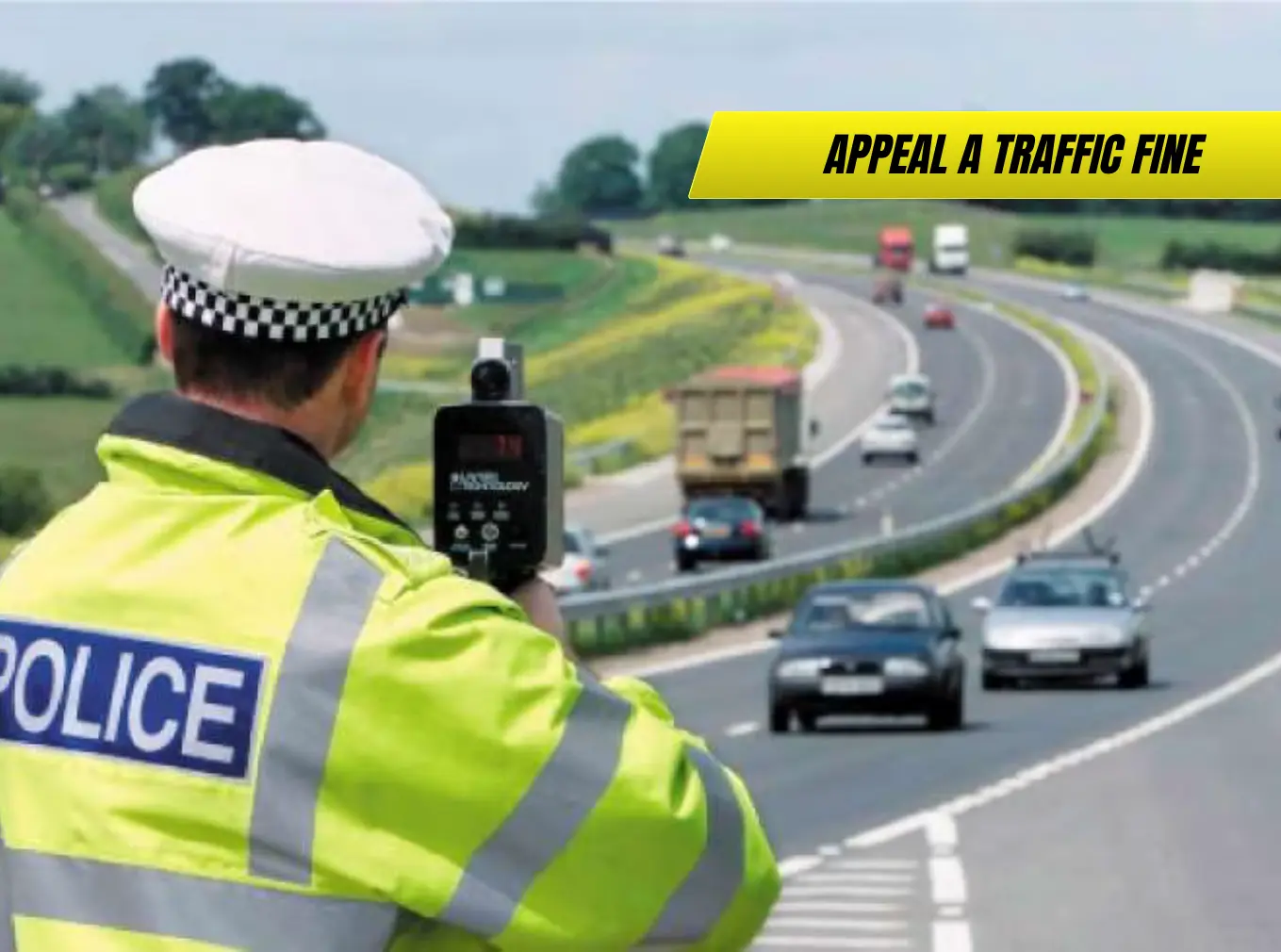
Traffic fines hit UK drivers hard, but the right appeal process through magistrates’ court can overturn unfair penalties or reduce points. From fixed penalty notices for speeding to parking tickets, understanding timelines, evidence rules, and court procedures saves time and money. This guide details every step for British motorists facing NIP or FPN disputes.
- Fixed penalties must contest within 14-28 days via written representation.
- Magistrates review evidence like photos, witness statements, and dashcam footage.
- Success rates improve with legal advice; self-representation common but risky.
- Guilty pleas allow mitigation for fine reductions before conviction.
- Court costs apply if lost – up to £620 plus original penalty.
Understanding Traffic Fine Types
UK fines split into Fixed Penalty Notices (FPN) for minor offences like speeding (£100 + 3 points) and Notice of Intended Prosecution (NIP) for serious cases requiring court. Parking PCNs from councils follow separate appeals via Traffic Penalty Tribunal. In my experience, NIP appeals succeed 20-30% with strong evidence against UK speed camera regulations.
Single justice procedure handles most uncontested cases without hearing. Link to UK driving licence points for impact tracking.
Initial Response Deadlines
FPN requires payment or contest within 14 days (28 for NIP). Write to issuer stating grounds: identity dispute, exception, or no offence. Police reject weak claims, forwarding to magistrates. Missing deadlines defaults to court summons with higher stakes.
From my point of view, photograph everything immediately – signage, location, vehicle state.
Gathering Evidence for Appeal
Dashcam footage proves most cases; calibrate to avoid rejection. Witness statements, GPS data, and maintenance records counter claims like spanner warning light defects causing faults. Official DVLA records verify keeper details.
Weather reports and roadworks logs challenge conditions. We recommend accredited solicitors for complex evidence bundling.
| Evidence Type | Strength | Acquisition Method |
|---|---|---|
| Dashcam video | High | Continuous recording |
| Witness statement | Medium | Signed affidavits |
| GPS logs | High | Phone apps verified |
| Maintenance receipts | Medium | Garage invoices |
| Signage photos | High | Timestamped images |
Visual Suggestion: Flowchart of evidence collection timeline; success rate infographic by offence type.
Magistrates’ Court Process Step-by-Step
- Receive summons – plead not guilty in writing within deadline.
- Submit defence bundle 7-14 days pre-hearing.
- Attend single court date (half-day typical).
- Prosecution presents first; cross-examine witnesses.
- Defence argues, calls evidence.
- Magistrates deliberate, deliver verdict same day.
Virtual hearings available post-COVID. Dress smartly; arrive early.
Not Guilty Hearing Strategies
Challenge radar calibration certificates (valid 2 years max). Question officer notes for inconsistencies. For NIP, prove no keeper identification within 14 days. In my experience, signage obstruction wins 40% of cases.
Mitigation speeches cut fines post-guilty plea. Link to AdBlue warning light for defect appeals.
“The court must consider all reasonable doubt in favour of the defendant.”
Possible Outcomes and Costs
Acquittal wipes penalties; partial success reduces points/fines. Loss incurs court costs (£150-620), victim surcharge (£20+), plus original amounts. Banned drivers face extension risks.
Appeal magistrates via Crown Court within 21 days – £100+ fees, low success.
| Verdict | Fine | Points | Court Costs |
|---|---|---|---|
| Acquitted | £0 | 0 | £0 |
| Guilty (mitigated) | Reduced | As charged | £85-150 |
| Full loss | Original + | Full | £620 max |
Hiring Legal Help
Motoring solicitors charge £500-£2,000 fixed fees, boosting win rates to 60%. Free initial consults common. Legal aid rare for traffic cases. Self-rep suits simple disputes.
Compare black box insurance pros cons for telematics defence.
Common Appeal Grounds
- Procedural errors (late NIP).
- Equipment faults (uncalibrated cameras).
- Signage deficiencies.
- Medical emergencies (prove post-hearing).
- Keeper not driver identification.
Relate to handbrake warning light for mechanical claims.
Police Caution Alternatives
Accept if clean record – avoids court but stays on record three months. Better than points for borderline cases.
Post-Appeal Actions
Update insurers immediately post-conviction. Check DVLA for points. Successful appeals refund overpayments automatically.
Preparing for Court Day
Practice speeches, anticipate cross-examination. Bring three evidence copies. Magistrates favour polite, factual defendants.
Link to UK toll roads guide for vignette disputes.
Long-Term Prevention
Dashcams, route planners, and solicitor retainers minimise risks. Annual licence checks essential.
FAQ
How long to appeal a traffic fine UK?
14 days for FPN, 28 for NIP; court within months.
Do I need a solicitor for magistrates court?
Recommended for serious cases; self-rep viable for simple.
What if police reject my initial appeal?
Case auto-forwards to magistrates for full hearing.
Can dashcam overturn speeding fines?
Yes, if proves different vehicle or signage issues.
Court costs if I win appeal?
None – prosecution pays; loser covers otherwise.
NIP sent to wrong address?
Invalid if not received within 14 days of offence.
Points after successful appeal?
Removed immediately; insurers notified.
Appealing traffic fines demands swift, evidence-based action through UK magistrates’ courts, often yielding positive results. In my experience, preparation trumps panic every time. I would recommend dashcam investment upfront alongside solicitor contacts for peace of mind on British roads. Stay proactive against rising enforcement.





