
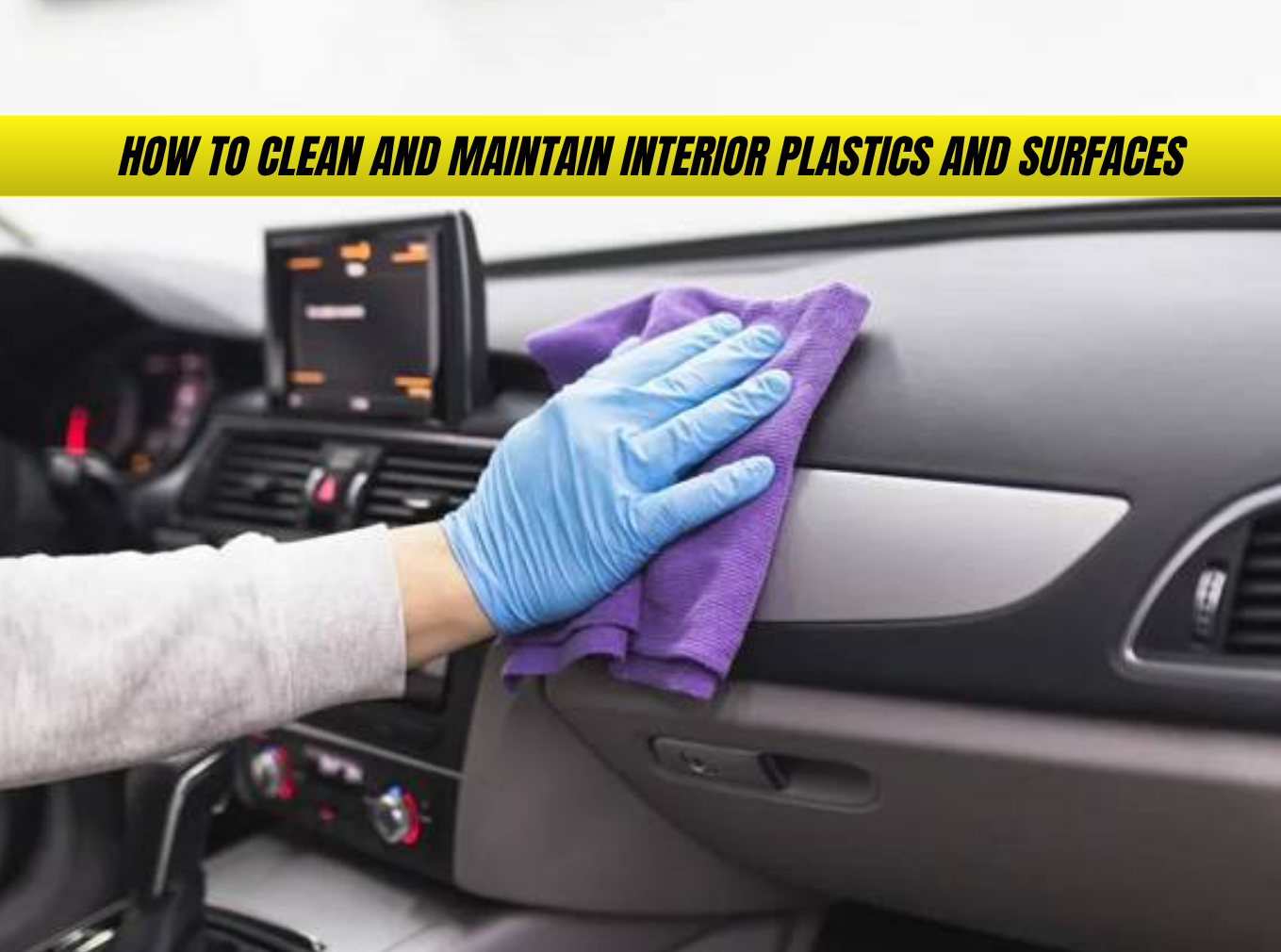
Your car’s interior takes daily punishment — UV light, temperature swings, food crumbs, pet hair, and all the rest. Over time, plastics fade, become sticky, or crack. The good news is that modern cleaning products and simple habits can make interiors look like new again. In 2025, with longer car ownership cycles, interior care has become part of responsible motoring — not just aesthetics.
Key Points
- Regular interior cleaning maintains resale value and air quality.
- Use pH-neutral products to avoid plastic bleaching or cracking.
- Avoid silicone sprays — they attract dust and cause glare.
- Microfibre cloths and soft brushes are essential tools.
- Cabin air filters and UV protectants extend material life.
Step 1: Preparation and Vacuuming
Start by clearing the cabin. Remove rubbish, mats, and personal items. Then:
- Use a soft-bristle brush to loosen dust in vents and seams.
- Vacuum using narrow attachments, working top to bottom.
- Slide seats fully forward and back to access rails and crevices.
Tip: Clean in the shade — direct sunlight bakes product residue into plastics.
Step 2: Choosing the Right Cleaners
| Surface Type | Recommended Product | Avoid |
| Hard plastics (dashboard, door panels) | pH-neutral interior cleaner or diluted all-purpose cleaner | Alcohol, ammonia, acetone |
| Soft-touch plastics / rubberised trims | Dedicated matte finish cleaner | Solvents, petroleum gels |
| Touchscreens and displays | Microfibre + distilled water | Household glass cleaner |
| Leather or vinyl inserts | Leather cleaner + conditioner | Baby wipes, bleach |
UK-made brands such as Autoglym, Meguiar’s, and Gtechniq produce interior cleaners certified under REACH safety standards.
Step 3: Cleaning Process
- Mist cleaner onto a cloth, never directly on surfaces.
- Wipe gently in circular motions; don’t scrub textured panels.
- Use a detailing brush for switches and vents.
- Immediately dry with a clean microfibre towel to prevent streaks.
For sticky buttons or spilled drinks, use mild soapy water and a soft toothbrush — never sharp tools or metal picks.
Step 4: Protecting Plastics from UV Damage
Modern dashboards can reach 70°C in direct sun, accelerating fading. Use a UV-protective interior dressing (matte, not glossy).
| Product Type | Finish | Longevity |
| Silicone-free polymer sealant | Natural matte | 3–6 months |
| Water-based detailer spray | Satin | 4–8 weeks |
| Ceramic interior coating | Low-gloss, hydrophobic | Up to 1 year |
Apply evenly and buff gently to prevent glare reflections on the windscreen.
Step 5: Dealing with Common Problems
| Issue | Likely Cause | Solution |
| Sticky plastics | Heat degradation / old silicone | Deep clean + polymer protectant |
| White spots or streaks | Hard water residue | Distilled water wipe |
| Fading or dull finish | UV exposure | Matte dressing or light recolouring |
| Creaking panels | Dry clips / friction | Silicone-free plastic lubricant |
| Odours | Bacteria in vents | Cabin filter replacement + sanitiser spray |
Replace the cabin air filter every 12 months to reduce dust and smell build-up.
Step 6: Cleaning Touchscreens and Infotainment Panels
Wipe screens with a damp microfibre (water only). For greasy marks, use screen-safe cleaner designed for LCDs.
Avoid pressing hard — modern displays have anti-glare coatings that scratch easily.
From my point of view, a clean infotainment screen isn’t just cosmetic; it improves visibility and reduces eye strain on long drives.
Step 7: Maintaining a Clean Cabin
- Avoid eating in the car. Food oils degrade soft-touch plastics.
- Use sunshades when parking outdoors.
- Keep windows closed when washing exterior to avoid overspray.
- Wipe interior plastics monthly.
- Reapply UV protectant every 3–6 months.
Consistent care is far easier — and cheaper — than deep restoration.
Products and Tools Checklist
| Category | Essential Tool |
| Cleaning | All-purpose interior cleaner (pH-neutral) |
| Wiping | Microfibre towels (3 colours for separation) |
| Detailing | Soft vent brush + toothbrush |
| Protection | UV-resistant polymer dressing |
| Odour control | Cabin spray or ozone generator |
| Vacuuming | Portable car vacuum or wet-dry vac |
For more on safety maintenance, see Aquaplaning Explained – Prevention and Safety Tips for UK Drivers.
My Point of View
From my point of view, interior maintenance defines a car’s real condition.
Most buyers judge a used vehicle within 10 seconds of opening the door — clean plastics and a neutral smell often raise resale value by 10–15%.
A few minutes every month keeps your car newer for years and makes driving more pleasant.
FAQs
Can I use baby wipes to clean the dashboard?
No. They contain alcohol and softeners that degrade plastic coatings.
How often should I detail my interior?
A light clean monthly, full detail every 3–4 months.
Do protectants make surfaces slippery?
Only if silicone-based. Choose matte polymer dressings for safety.
Can sunlight permanently fade dashboards?
Yes. Use UV coatings or sunshades to slow the process.
Is steam cleaning safe for interiors?
Yes, if used sparingly and never directly on electronics or soft-touch surfaces.
In 2025, clean interiors are no longer luxury — they’re preservation.
In my experience, a well-kept cabin signals a careful driver and saves hundreds in future resale or detailing costs.





